





As global agriculture continues to move toward higher efficiency, larger scale, and sustainability, traditional open-field farming is increasingly challenged by climate uncertainty, unstable yields, and low resource efficiency.
In this context, greenhouse growing systems have become an essential component of modern agricultural projects.
What Is a Greenhouse Growing System?
A greenhouse growing system is built on a greenhouse structure and integrates environmental control, irrigation and fertigation, and intelligent management technologies to provide crops with a stable and controllable growing environment.
A complete greenhouse growing system typically includes:
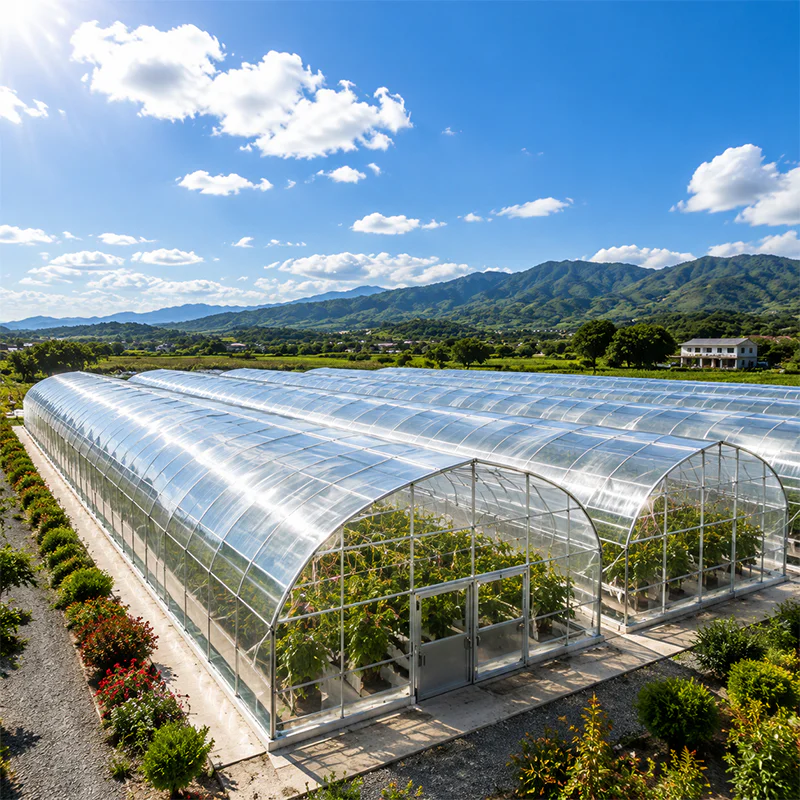
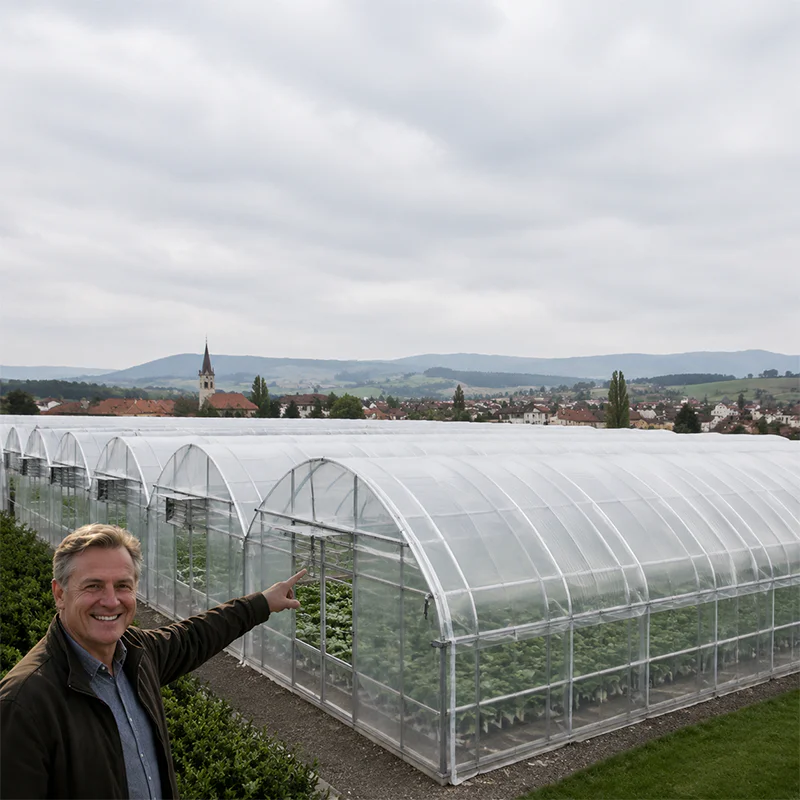
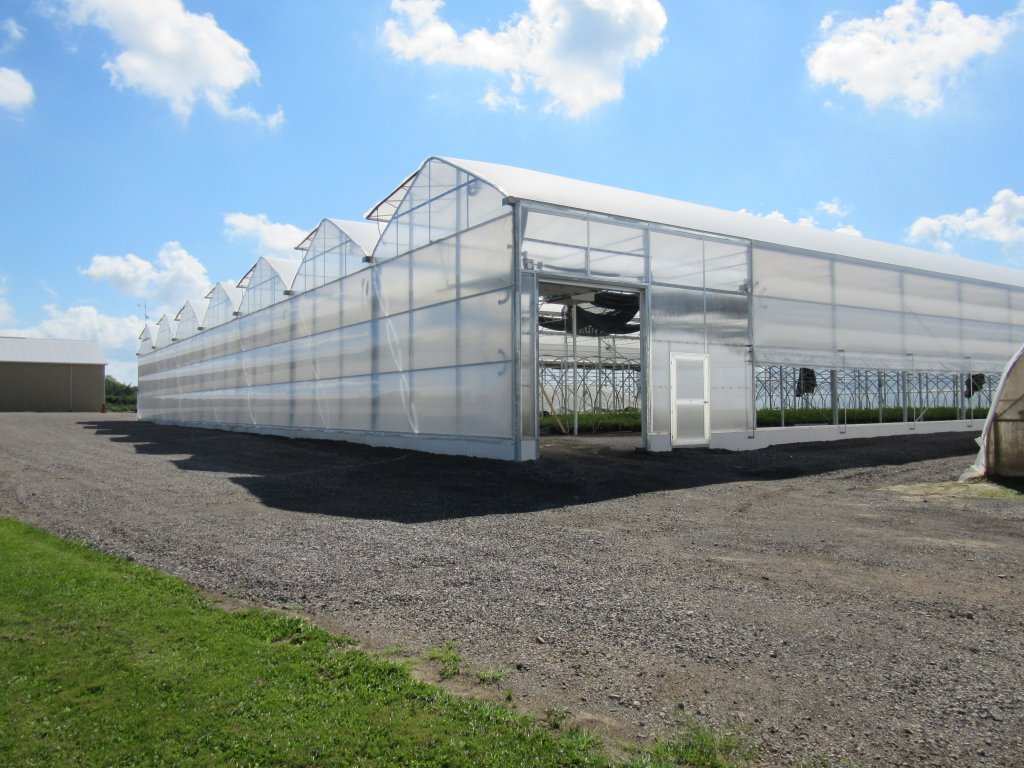
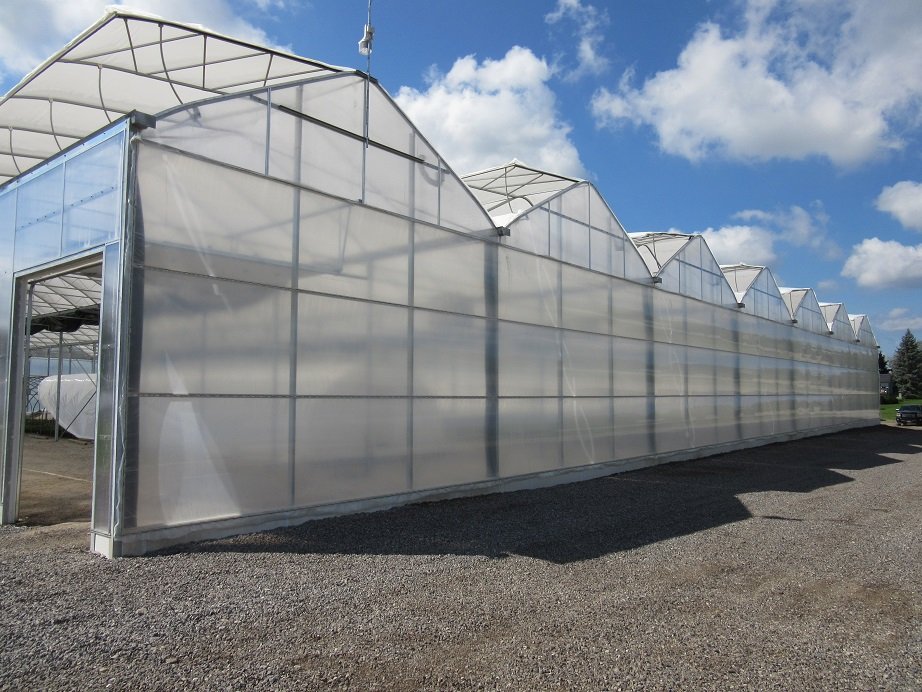
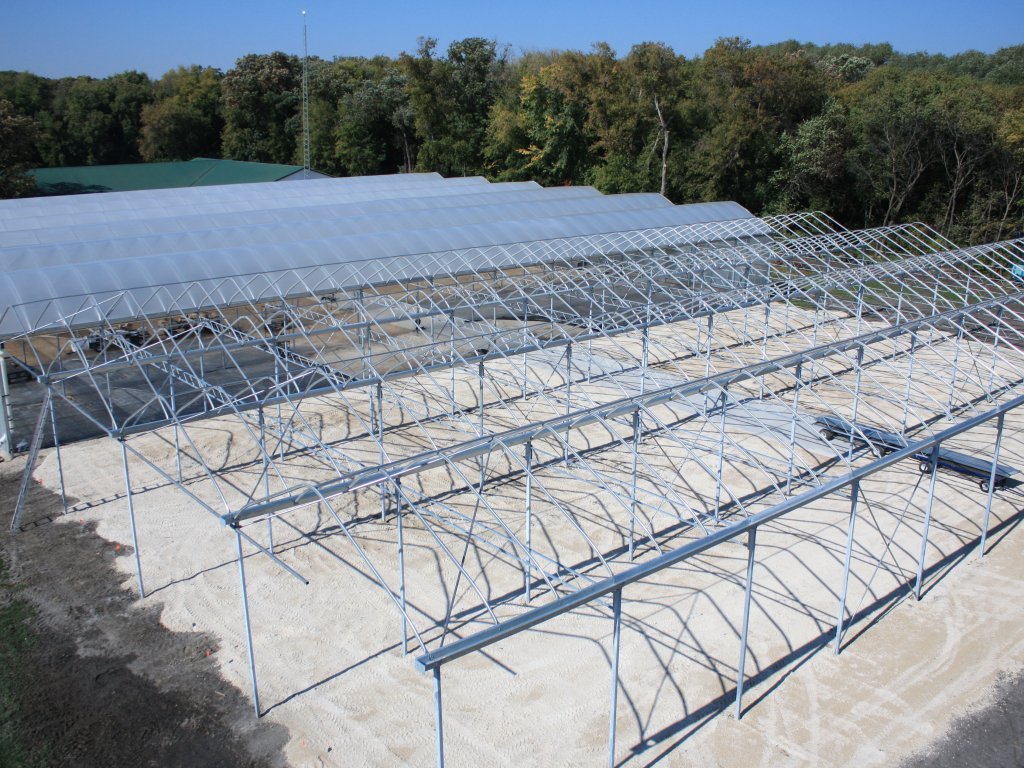
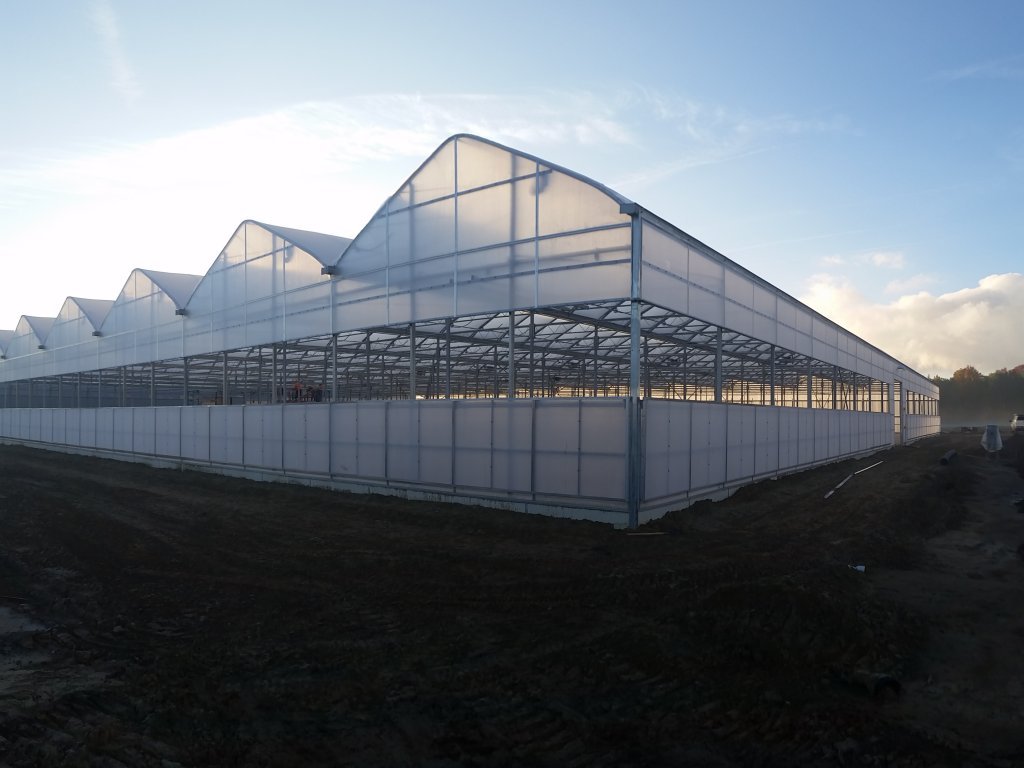
Greenhouse structures (plastic film greenhouse, polycarbonate greenhouse, or glass greenhouse)
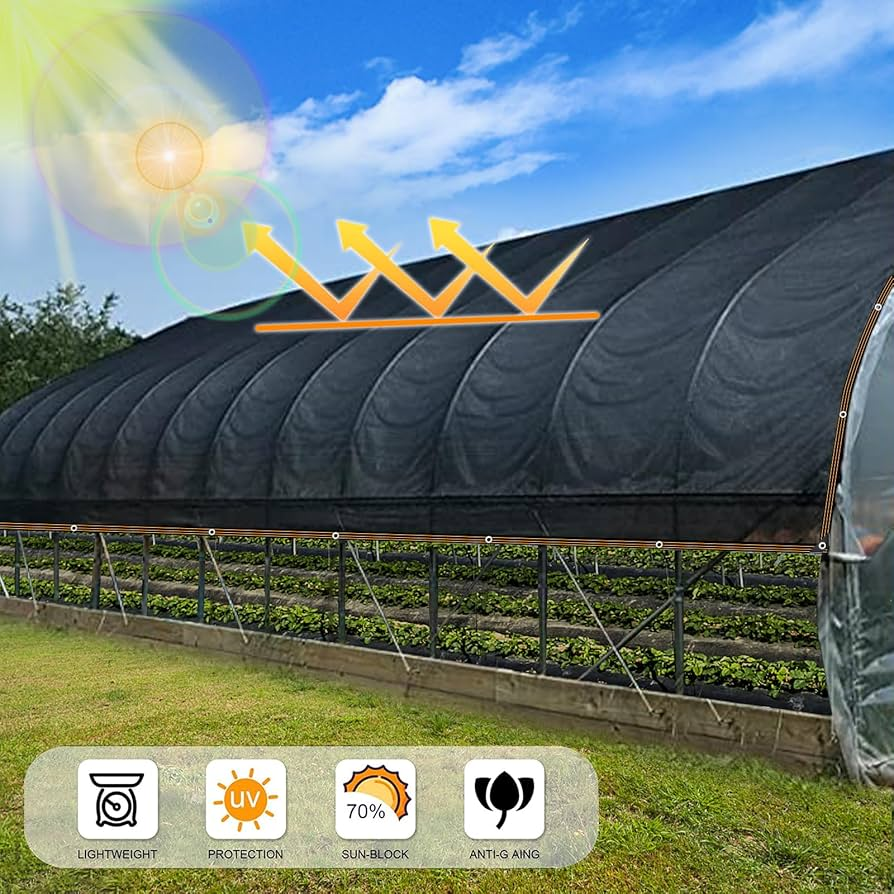
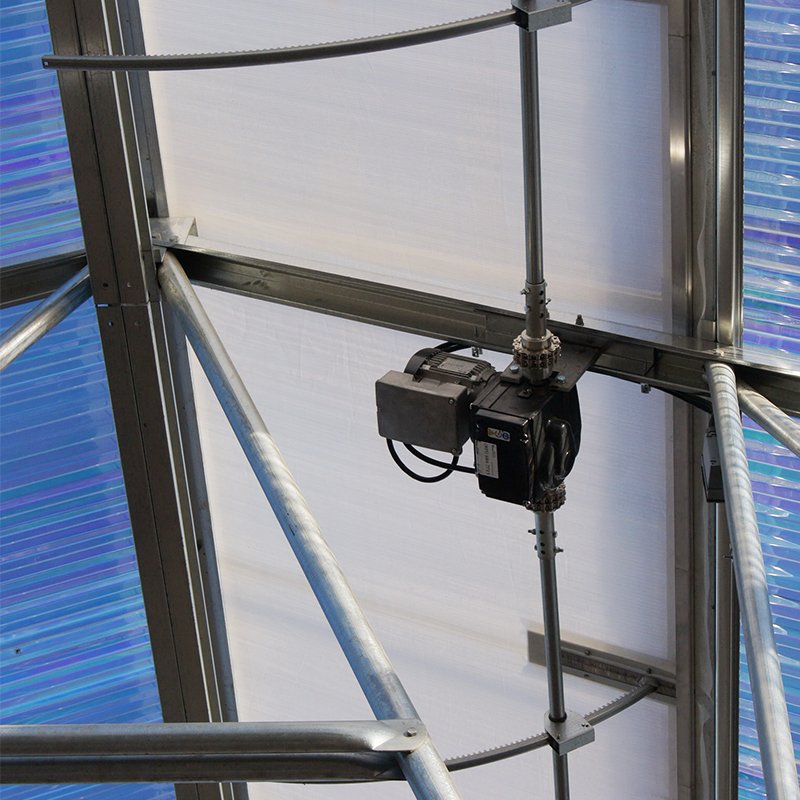
Ventilation, shading, cooling, and insulation systems
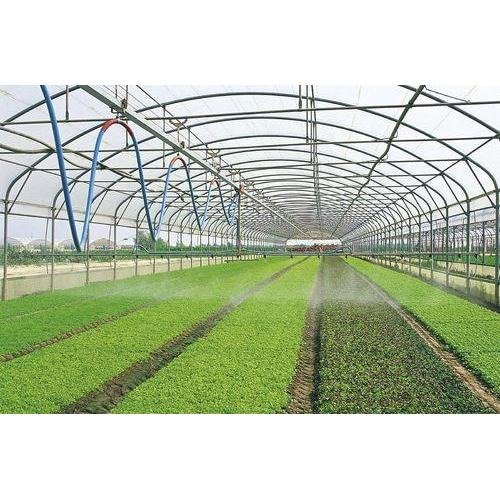
Irrigation and fertigation systems
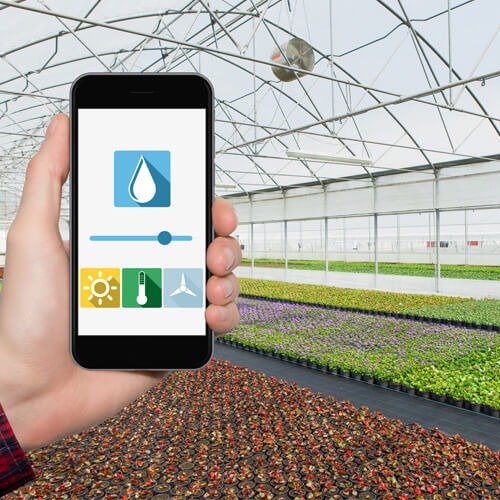
Environmental monitoring and automatic control systems
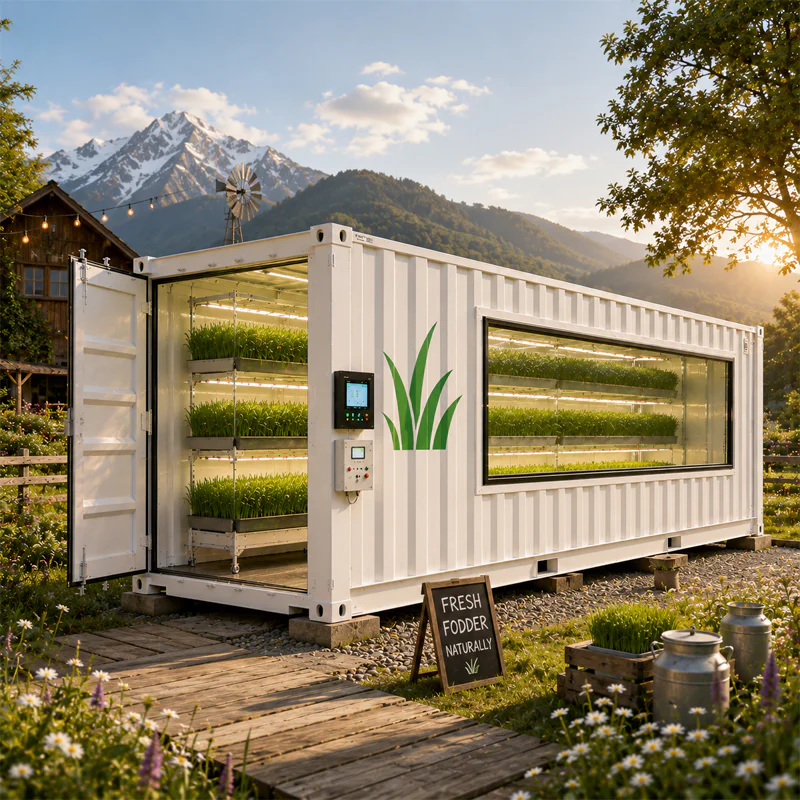
Optional hydroponic or soilless cultivation systems
Together, these components enable year-round, continuous production.
Key Advantages of Greenhouse Growing Systems
🌿 Stable Yields and Reduced Climate Risk
Greenhouses protect crops from extreme weather such as wind, rain, frost, and high temperatures, ensuring consistent growth and reliable yields.
💧 Water and Fertilizer Efficiency
When combined with drip irrigation or hydroponic systems, greenhouse cultivation can reduce water use by 70–90% while minimizing fertilizer waste.
🏗️ Higher Productivity per Unit Area
Optimized layouts and intensive cultivation significantly increase planting density and economic returns per square meter.
⚙️ Automation and Labor Efficiency
Greenhouse systems can integrate automated ventilation, irrigation, fertigation, and climate control, reducing labor costs and improving operational efficiency.
Common Types of Greenhouse Growing Systems
🌱 Plastic Film Greenhouse Systems
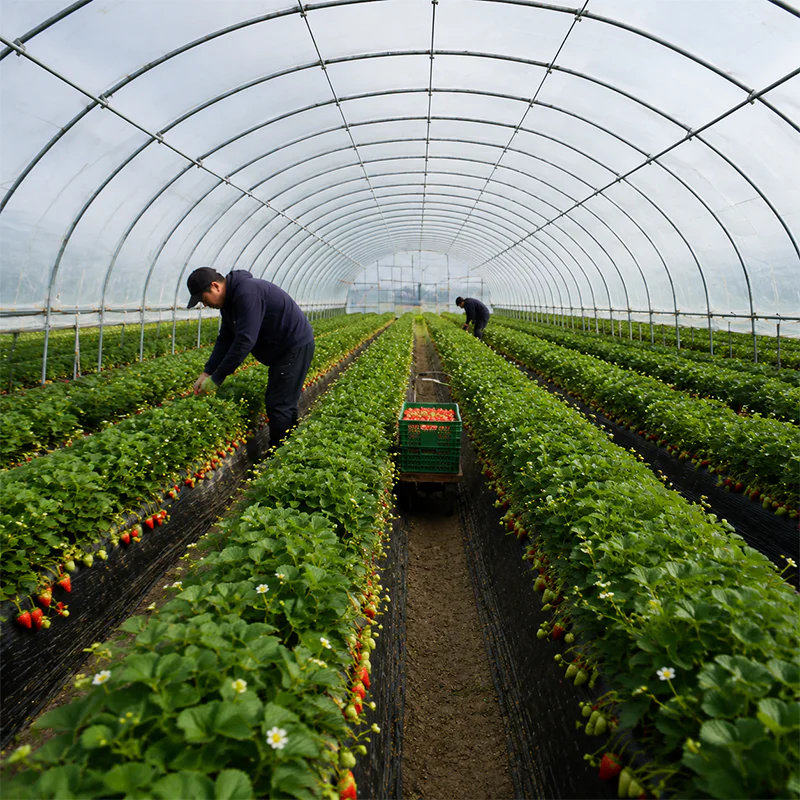
Covered with PE or PO film, these greenhouses offer low construction costs and high light transmission, making them ideal for vegetables, flowers, and large-scale commercial farming.
🌿 Polycarbonate Greenhouse Systems
Using polycarbonate panels as the covering material, these systems provide excellent thermal insulation and are suitable for colder regions or areas with large temperature differences.
🌸 Glass Greenhouse Systems
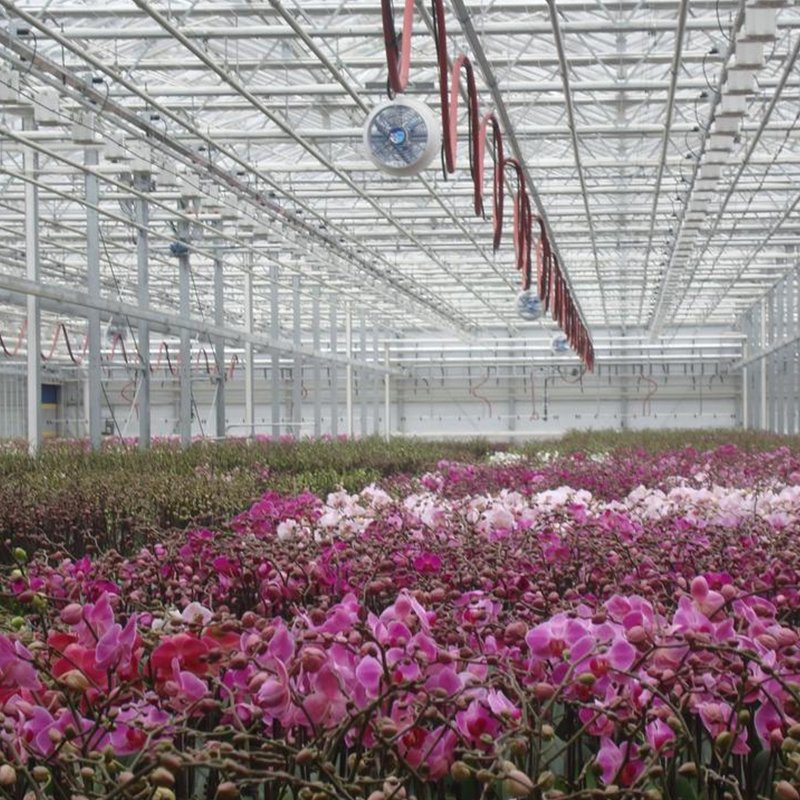
With high light transmission and an attractive appearance, glass greenhouses are commonly used for high-end flower production, research, and demonstration projects.
💧 Greenhouse Hydroponic Systems
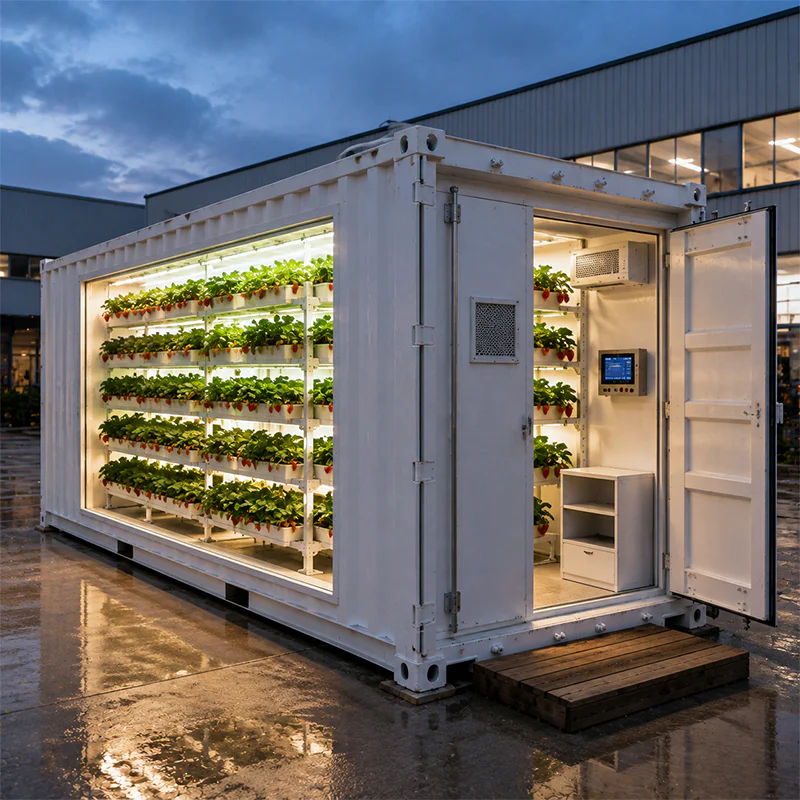
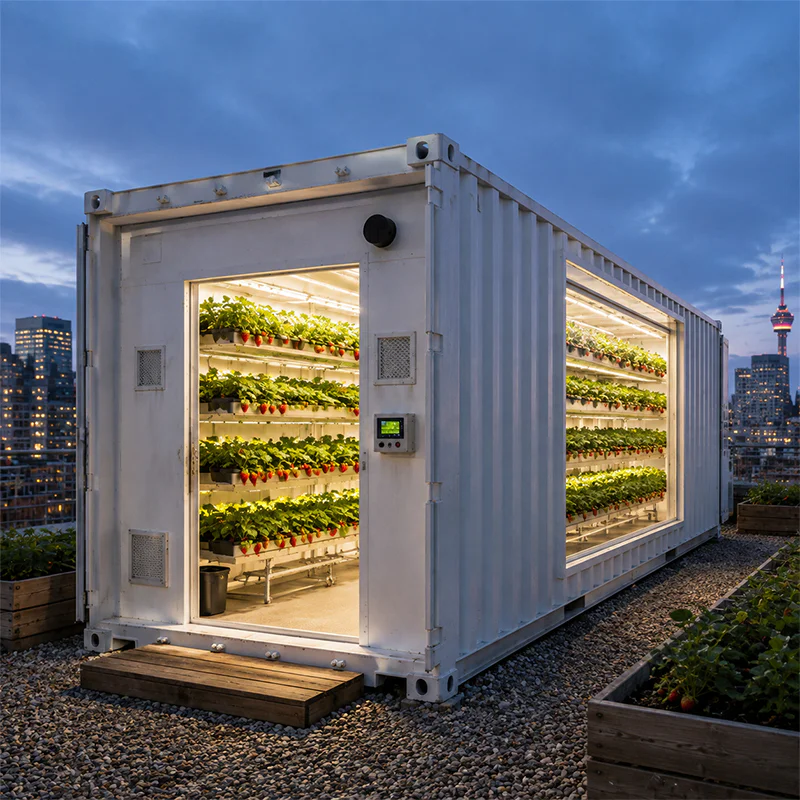
By integrating hydroponics with greenhouse structures, these systems enable soilless cultivation and are widely used for lettuce, herbs, strawberries, and other high-value crops.
Applications of Greenhouse Growing Systems
Greenhouse growing systems are widely applied in:
Commercial vegetable and fruit farms
Flower production and nursery greenhouses
Urban agriculture and vertical farming projects
Agricultural research and educational facilities
High-value crop cultivation
For growers and investors, greenhouse systems are not only equipment investments but also long-term agricultural infrastructure that supports stable returns.
How to Choose the Right Greenhouse Growing System
When planning a greenhouse project, key considerations include:
Crop type and growth cycle
Project scale and investment budget
Local climate and environmental conditions
Automation and labor requirements
Future expansion and maintenance needs
A well-designed greenhouse growing system should offer customization, stability, and long-term sustainability.
Conclusion
Greenhouse growing systems are driving agriculture toward a more intelligent, efficient, and sustainable future.
Through scientific design and proper system configuration, greenhouses improve crop yield and quality while delivering more predictable and controllable production outcomes.
🌱 Choosing the right greenhouse growing system is a key step toward modern agriculture.