




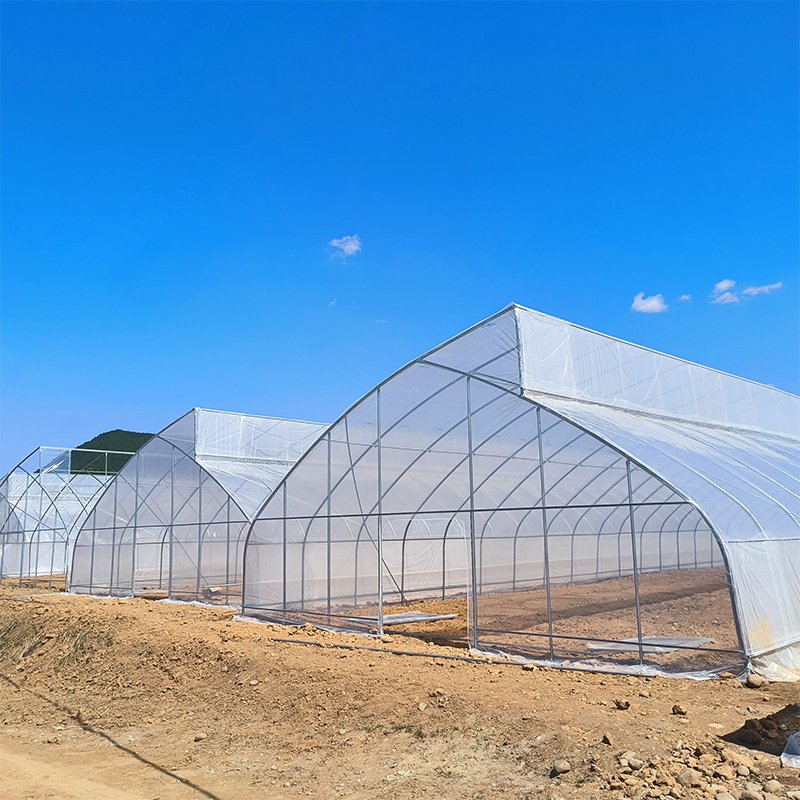
In the world of modern agriculture, greenhouse technology has come a long way from the traditional glasshouses and simple plastic tunnels. Farmers and horticulturists are increasingly seeking innovative solutions that optimize climate control, enhance crop growth, and improve operational efficiency. One such innovation gaining attention is the Sawtooth Greenhouse. While some growers are familiar with the concept, many do not fully understand the distinct advantages these structures offer or how they function.
From small experimental farms to large-scale commercial operations, Sawtooth Greenhouses provide unique benefits that make them a compelling choice for a wide range of agricultural applications. Understanding the design principles, operational mechanisms, and best-use scenarios can help you decide whether this greenhouse type is the right investment for your farm.
What Are Sawtooth Greenhouses?
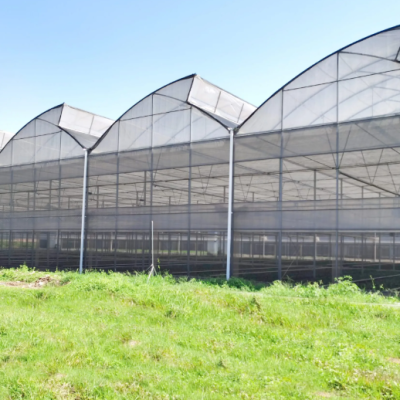
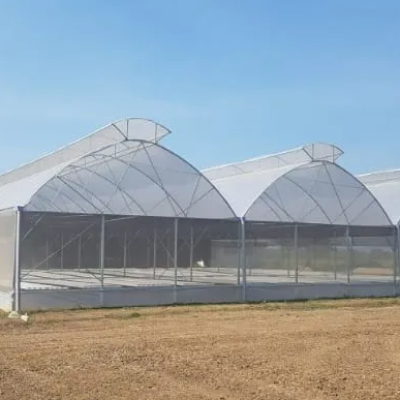
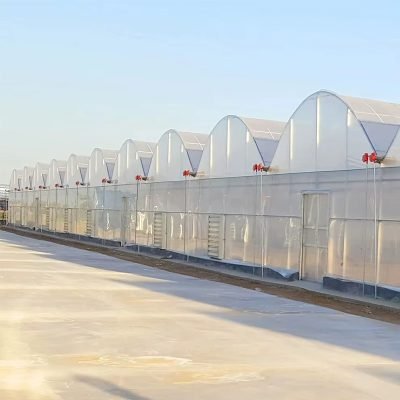
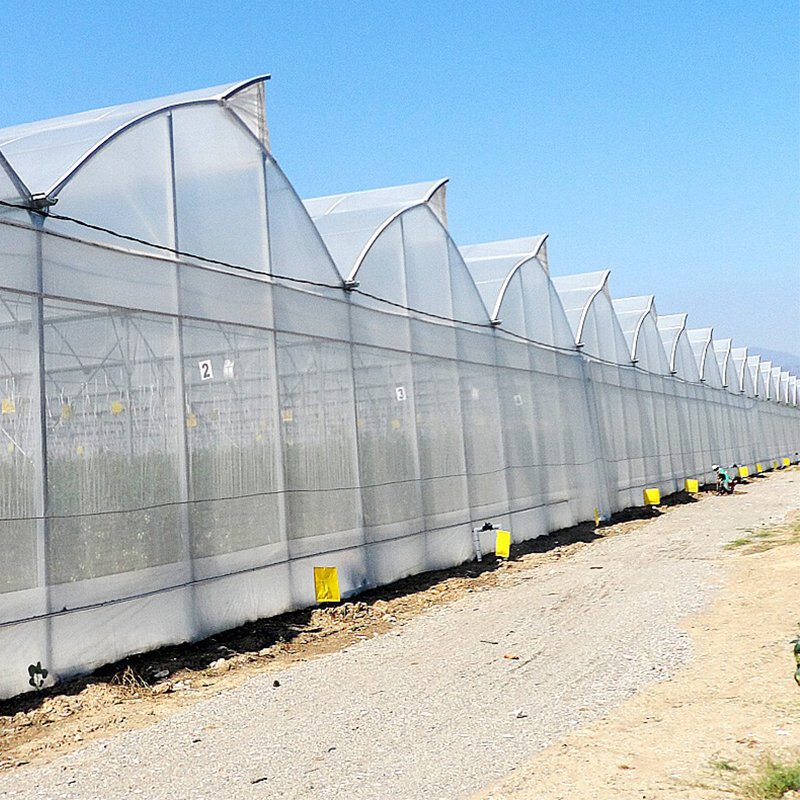
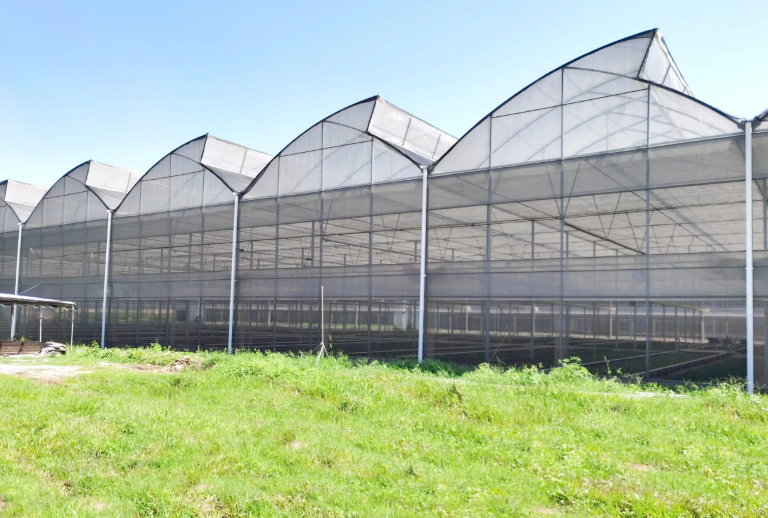
Sawtooth Greenhouses are easily recognizable by their distinctive zigzag roof structure. Unlike traditional greenhouses that typically feature symmetrical, sloped roofs, the sawtooth design alternates between higher and lower roof sections, forming a repeating “tooth” pattern. At the top of each vertical roof section, natural ventilation openings are integrated, allowing hot air to rise and escape efficiently.
This design traces its origins back to industrial architecture, where factory buildings needed natural light and ventilation before the advent of modern HVAC systems. Over time, the concept was adapted for agriculture, resulting in a highly efficient structure optimized for natural airflow, light distribution, and thermal management.
Farmers can choose from different variations depending on their scale and needs:
-
Single Span Sawtooth Greenhouse – Ideal for small farms, research projects, or experimental cultivation. Its compact structure allows for easy installation while still providing the key ventilation and light benefits of the sawtooth design.
-
Multi Span Sawtooth Greenhouse – Designed for larger operations, these structures link multiple units to cover greater areas. Multi Span setups are especially useful for commercial applications where scalability and automation are priorities.
-
Commercial Sawtooth Greenhouse – Tailored for intensive, year-round production, these high-capacity structures integrate advanced systems for climate control, irrigation, and crop management, making them suitable for high-value agricultural enterprises.
In addition, manufacturers offer variations such as High Quality Sawtooth Greenhouse, emphasizing precision engineering and durability, or Economical Sawtooth Greenhouse, designed for cost-conscious growers while still delivering effective airflow and light distribution. High Strength Sawtooth Greenhouses are specifically engineered to withstand structural stresses, offering longevity and stability in regions with challenging environmental conditions.
How Sawtooth Greenhouses Work
The defining feature of a Sawtooth Greenhouse is its ability to harness natural convection for ventilation. This passive cooling mechanism reduces reliance on energy-intensive systems while maintaining a stable internal climate.
When sunlight enters the greenhouse, it heats the air inside. As the air warms, it rises toward the roof. The vertical vents at the peaks of the sawtooth roof allow hot air to escape efficiently. As hot air exits, cooler air is drawn in from side openings, establishing a continuous flow. This natural circulation maintains a stable temperature, reduces humidity fluctuations, and creates an optimal environment for plant growth.
The effectiveness of this process depends on the structural quality and design precision. A High Quality Sawtooth Greenhouse ensures that roof angles, vent placement, and materials are optimized for maximum airflow. Similarly, High Strength Sawtooth Greenhouses provide structural stability, ensuring that ventilation efficiency is maintained even under environmental stressors.
By leveraging this natural convection system, sawtooth greenhouses can support a wide range of crops without the need for constant mechanical cooling. This not only reduces operational costs but also enhances sustainability by minimizing energy consumption.
Key Advantages of Sawtooth Greenhouses
Superior Ventilation Performance
One of the most significant benefits of Sawtooth Greenhouses is their exceptional ventilation capacity. The vertical roof openings offer a larger area for hot air to escape compared to traditional roof vents, promoting faster and more efficient air circulation.
This superior airflow is particularly advantageous in regions with high temperatures or strong solar radiation. Properly ventilated greenhouses help prevent heat stress in plants, support consistent growth rates, and maintain a comfortable working environment for farm staff.
Advanced versions such as the High Quality Sawtooth Greenhouse or High Strength Sawtooth Greenhouse ensure that ventilation is not compromised, even during periods of high solar intensity. These structures are also capable of maintaining airflow during light rainfall, thanks to the geometry of the roof, which directs water away from vents.
The ventilation efficiency of sawtooth greenhouses directly contributes to reduced reliance on mechanical cooling. For commercial operators, this translates into lower electricity costs and improved energy sustainability.
Better Crop Growth Environment
Beyond ventilation, Sawtooth Greenhouses create a more controlled and consistent growing environment. The continuous airflow helps regulate humidity, reducing the risk of fungal diseases and creating a healthier environment for plants.
The unique roof shape also promotes even light distribution. Crops are less likely to experience shaded areas or hotspots, ensuring uniform growth and higher-quality produce. This is particularly beneficial for high-value crops that require precise growing conditions, such as vegetables, fruits, or ornamental plants.
Furthermore, Commercial Sawtooth Greenhouses are ideal for advanced agricultural techniques such as hydroponics, vertical farming, and precision agriculture. These systems thrive in conditions where temperature, airflow, and light distribution are carefully managed, making sawtooth greenhouses an excellent choice for maximizing yield and crop quality.
By combining these advantages, sawtooth greenhouses not only enhance plant performance but also provide growers with a more predictable and manageable production environment.
Where Sawtooth Greenhouses Work Best
Sawtooth Greenhouses excel in areas where heat management is critical. Tropical and subtropical climates, characterized by high solar radiation and warm temperatures, are ideal for this type of structure.
They are particularly effective in regions with:
-
Consistently high temperatures
-
Moderate rainfall
-
Stable wind patterns
-
Strong sunlight exposure
In these environments, a Multi Span Sawtooth Greenhouse can support large-scale cultivation projects while maintaining energy efficiency and crop quality. Even smaller operations, utilizing a Single Span Sawtooth Greenhouse, can benefit from improved air circulation and light distribution, resulting in healthier plants and higher yields.
Sawtooth Greenhouses vs Arch-Shaped Greenhouses
When considering greenhouse options, many growers compare Sawtooth Greenhouses with arch-shaped designs. Both have their unique advantages depending on the growing environment.
Arch-shaped greenhouses often feature simpler construction and good structural stability, especially in areas with high wind or snow loads. However, they may not offer the same level of natural ventilation and temperature control as sawtooth designs.
On the other hand, Sawtooth Greenhouses are optimized for airflow and light distribution. In warm climates, they can maintain more consistent temperatures, reduce heat stress, and improve crop growth compared to traditional arch-shaped greenhouses. For growers focusing on maximizing yield and crop quality, sawtooth structures often provide superior long-term benefits.
Are Sawtooth Greenhouses Right for You?
Choosing the right greenhouse is less about selecting the most complex or advanced design and more about aligning the structure with your environmental conditions and farming goals.
Consider a Sawtooth Greenhouse if:
-
You operate in hot or tropical climates
-
Ventilation and temperature management are priorities
-
You plan for long-term commercial production
-
You seek to reduce energy dependence and operational costs
For smaller farms, a Single Span Sawtooth Greenhouse can be an excellent starting point, providing the key advantages of the sawtooth design without requiring a large investment. Large-scale operations may benefit from Multi Span Sawtooth Greenhouses or Commercial Sawtooth Greenhouses, which support higher production capacities, automation, and advanced cultivation methods.
Investing in a High Quality Sawtooth Greenhouse or High Strength Sawtooth Greenhouse ensures durable construction, optimal airflow, and long-term performance, while an Economical Sawtooth Greenhouse can offer an accessible entry point for growers seeking efficiency on a tighter budget.
Ultimately, the effectiveness of a sawtooth greenhouse depends on how well it aligns with your local climate and farming objectives. When properly designed and strategically deployed, these greenhouses can deliver excellent ventilation, improved crop quality, and sustainable growth for years to come.
conclusion
In conclusion, Sawtooth Greenhouses represent a highly effective and versatile option for modern agricultural operations. From small experimental farms to large commercial ventures, they provide superior airflow, light distribution, and temperature control. By understanding their unique features and selecting the right type—whether it’s a Single Span, Multi Span, Commercial, High Quality, High Strength, or Economical Sawtooth Greenhouse—growers can enhance productivity, improve crop quality, and achieve long-term success in diverse agricultural settings.