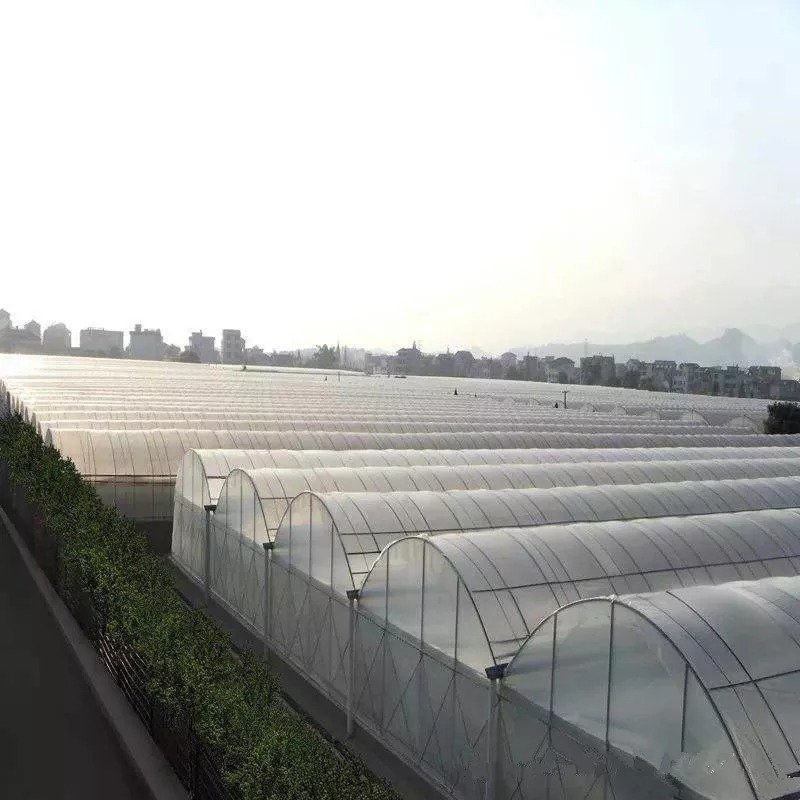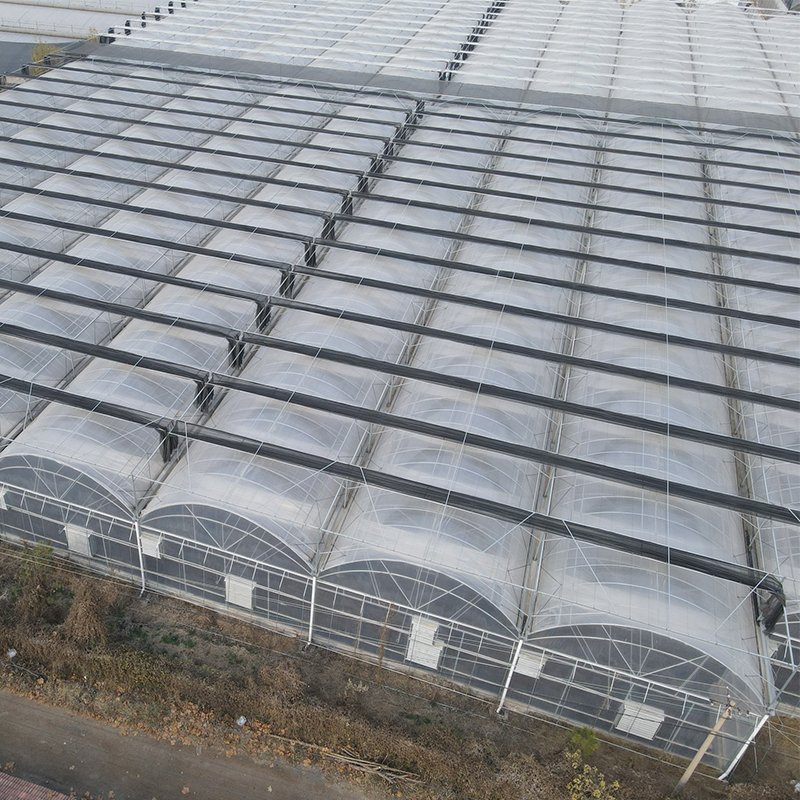






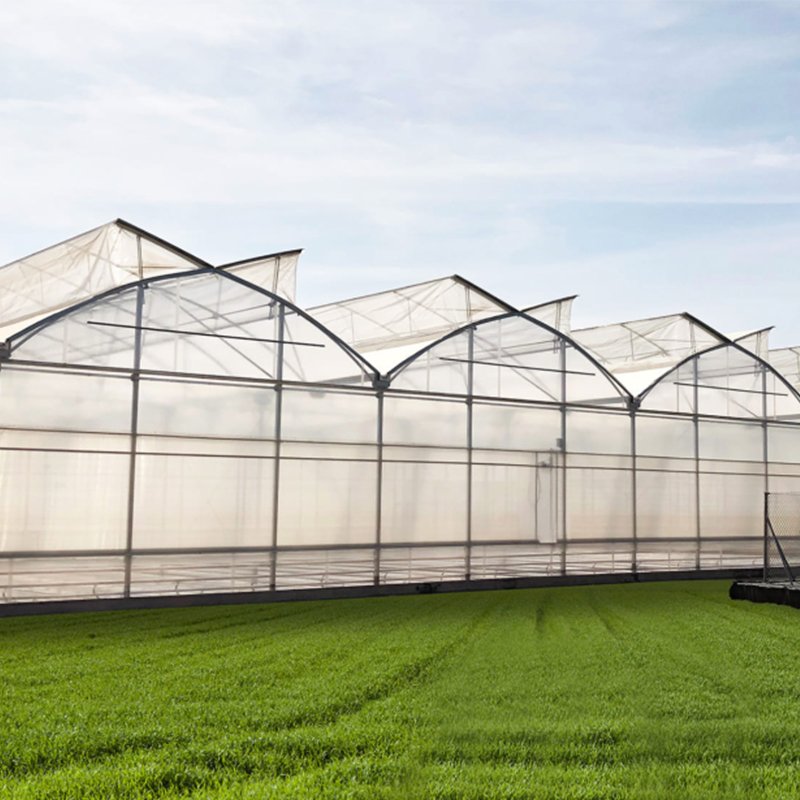
Modern agriculture faces increasing challenges, from climate uncertainty and water scarcity to rising production costs and the need for higher yields on limited land. To overcome these pressures, growers around the world are turning to protected cultivation systems that offer better control over growing conditions. One of the most practical and widely adopted solutions is the Plastic film greenhouse.
Used in both small family operations and large commercial projects, this type of greenhouse has transformed how crops are grown. Thanks to its flexible structure, affordable cost, and strong performance across different climates, it has become a cornerstone of protected agriculture. In this article, we will explore what a Plastic film greenhouse is and examine the top 10 benefits of using a Plastic film greenhouse for farming, supported by real-world applications and practical insights.
What Is a Plastic Film Greenhouse?
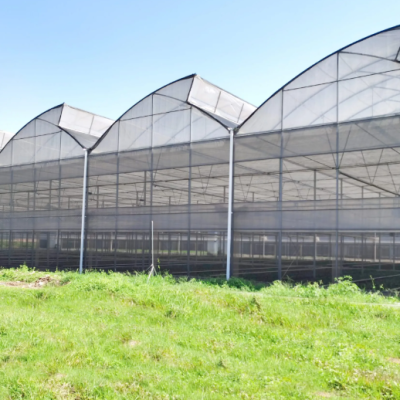
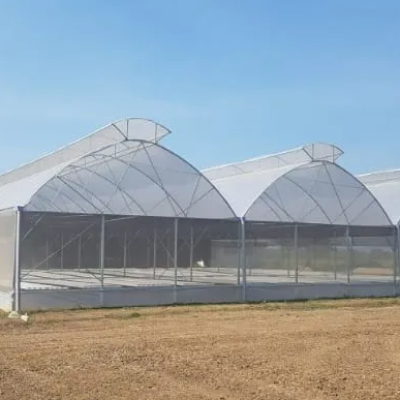
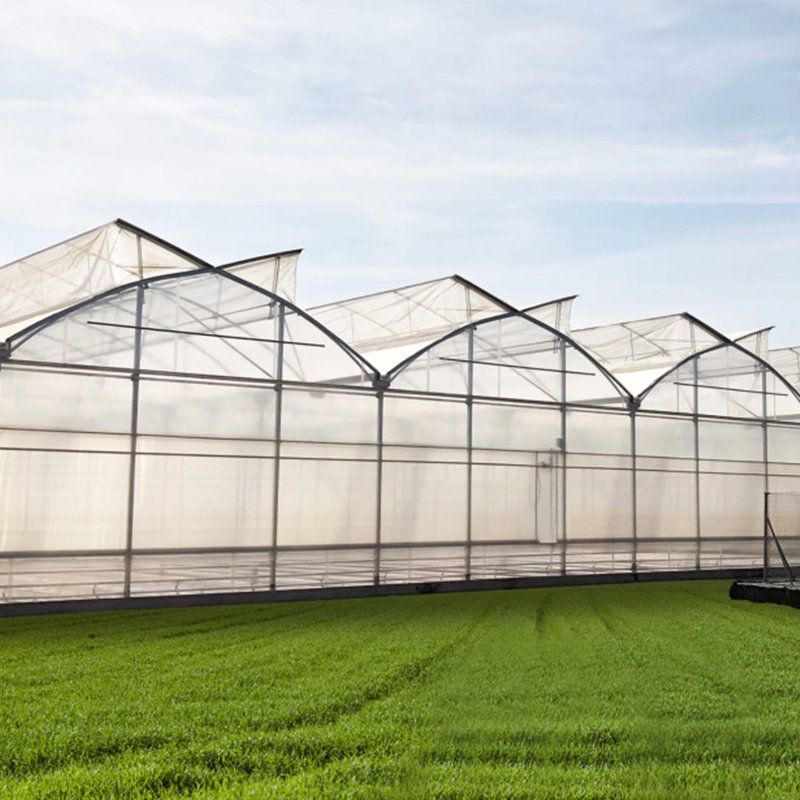
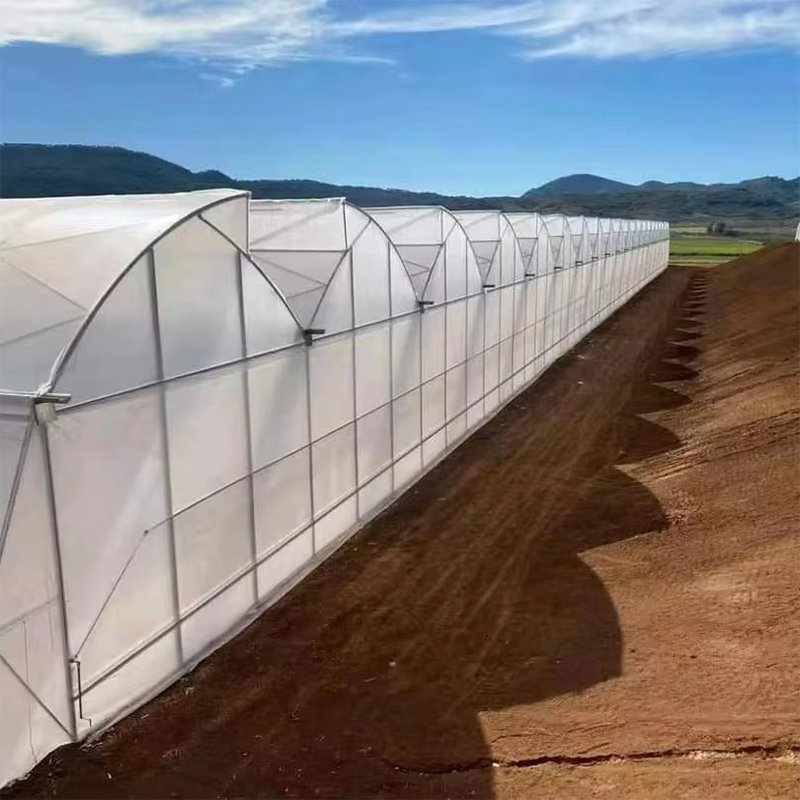
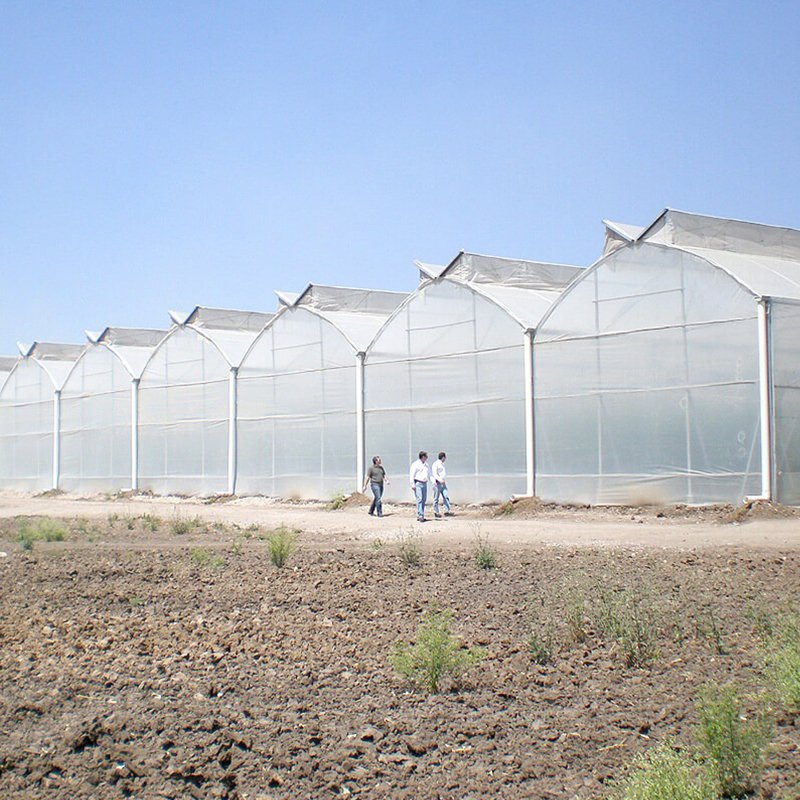
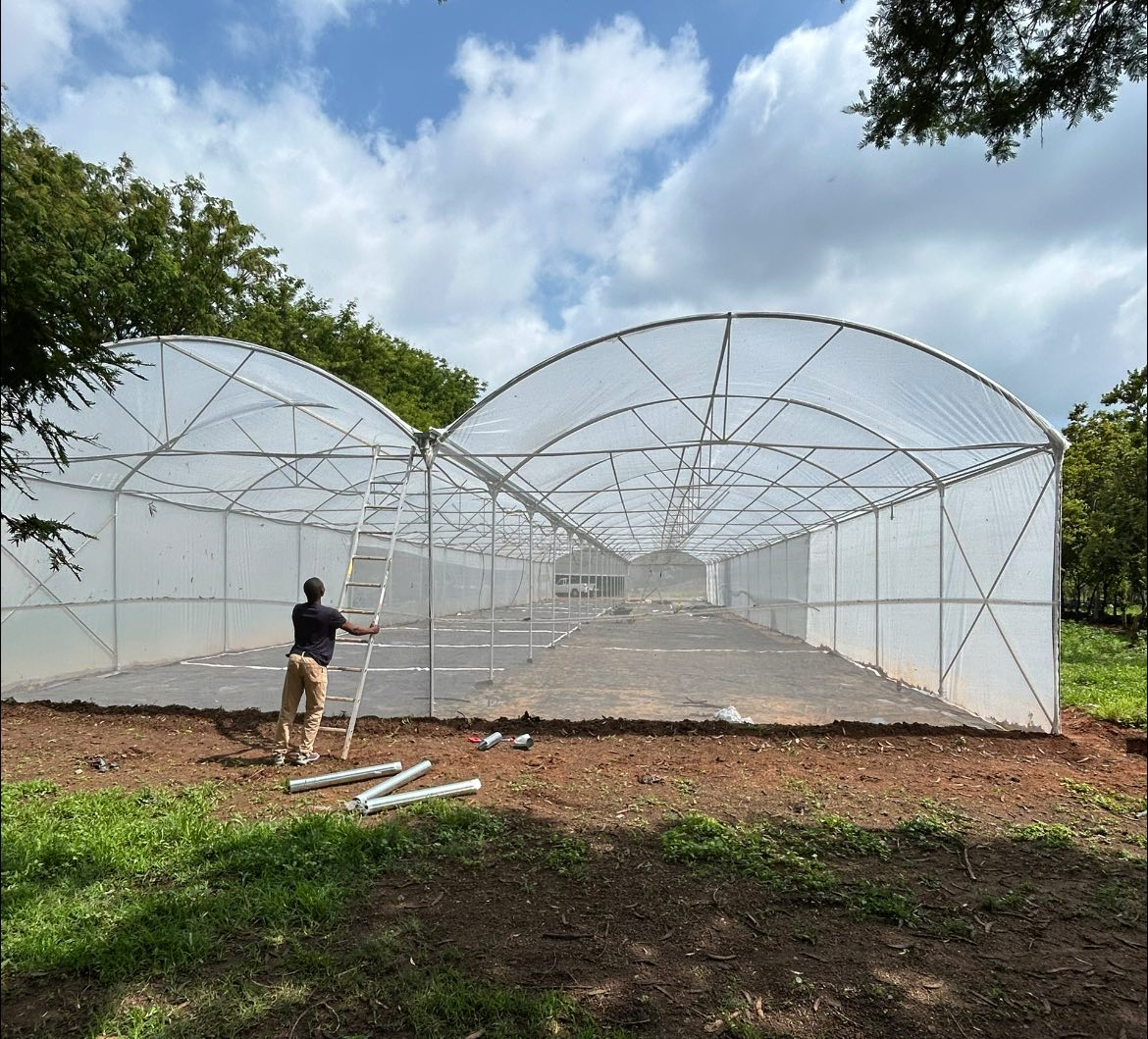
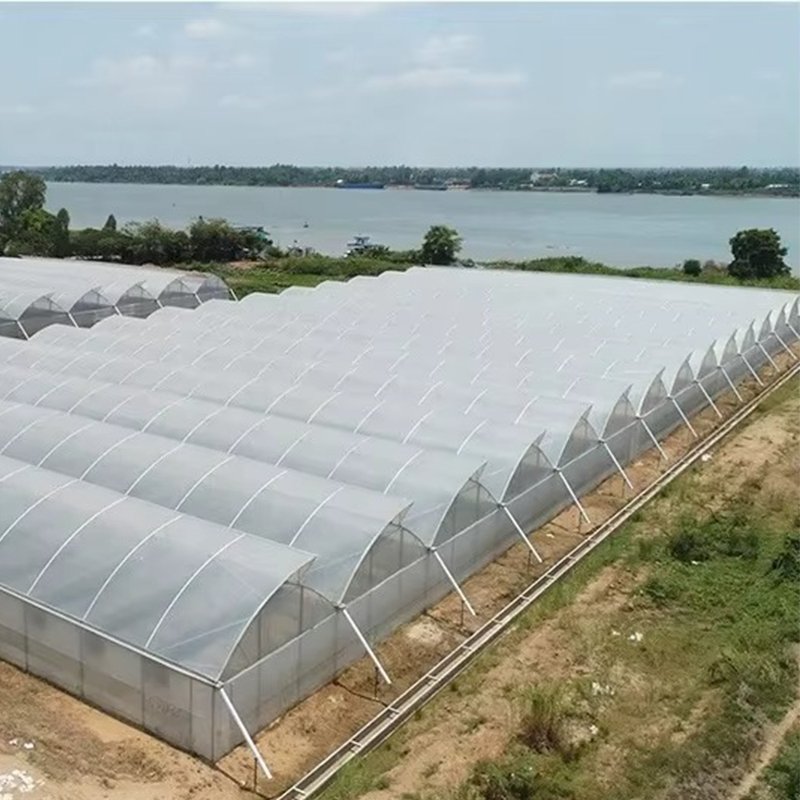
A Plastic film greenhouse is an agricultural structure covered with a transparent or semi-transparent plastic film, designed to create a controlled environment for crop production. The frame is typically made of steel or aluminum, while the covering film allows sunlight to enter and helps regulate temperature, humidity, and airflow.
There are several common structural forms, including the Single Span Plastic film greenhouse, which is suitable for small-scale or entry-level growing, and multi span tunnel plastic film greenhouses, which are widely used in commercial agriculture for large-area cultivation. These structures are a key component of Agricultural plastic film greenhouses, supporting the production of vegetables, fruits, flowers, and seedlings.
A High-quality Plastic film greenhouse can be equipped with ventilation systems, shading, irrigation, and climate control technology, making it adaptable to a wide range of growing needs and environments.
Key Benefits of Using a Plastic Film Greenhouse for Farming
1. Cost-Effective Construction
One of the most significant benefits of a Plastic film greenhouse is its cost efficiency. Compared to glass or rigid-panel greenhouses, plastic film structures require lower initial investment. The materials are lighter, installation is faster, and the overall construction process is less complex.
This affordability makes Plastic film greenhouse systems accessible to small and medium-sized growers, as well as new agricultural entrepreneurs. Even large-scale Agricultural plastic film greenhouses can be built at a reasonable cost, allowing growers to expand production without excessive financial pressure.
2. Extended Growing Seasons
A Plastic film greenhouse enables growers to cultivate crops beyond the limitations of natural seasons. By trapping heat and reducing exposure to cold air, the greenhouse creates a warmer internal environment during early spring, late autumn, and even winter in many regions.
This season extension allows growers to:
Start planting earlier
Harvest later into the year
Produce crops during off-season periods
For many growers, extended growing seasons mean more production cycles and improved annual returns.
3. Increased Crop Yield
Stable environmental conditions play a crucial role in plant health and productivity. Inside a Plastic film greenhouse, temperature, humidity, and light levels are more consistent than in open fields. This stability reduces plant stress and promotes faster growth.
As a result, crops grown in Agricultural plastic film greenhouses often achieve higher yields per square meter, more uniform crop quality, and shorter growth cycles. For professional growers, this yield improvement directly translates into stronger profitability.
4. Protection from Pests and Harsh Weather
A Plastic film greenhouse acts as a physical barrier between crops and external threats. It helps protect plants from strong winds, heavy rain, hail, and sudden temperature changes. At the same time, it reduces direct exposure to insects and airborne pests.
With fewer external risks, growers can maintain more stable production and reduce unexpected crop losses throughout the year.
5. Water Efficiency and Irrigation Control
Water management is a growing concern in modern agriculture. A Plastic film greenhouse allows growers to use water more efficiently by combining controlled irrigation systems with reduced evaporation.
Drip irrigation, micro-sprinklers, and fertigation systems are commonly used inside multi span tunnel plastic film greenhouses, ensuring that water and nutrients are delivered directly to plant roots. This precision supports sustainable production and resource conservation.
6. Better Temperature and Humidity Control
Maintaining optimal temperature and humidity is essential for healthy plant development. A Plastic film greenhouse naturally moderates internal conditions by retaining heat and minimizing extreme fluctuations.
With proper ventilation and optional automation systems, growers can fine-tune the greenhouse environment to meet the specific needs of different crops. This is one of the key reasons High-quality Plastic film greenhouse systems are widely adopted in professional growing operations.
7. Suitable for a Wide Range of Crops
A Plastic film greenhouse is highly versatile and suitable for cultivating many crop types, including:
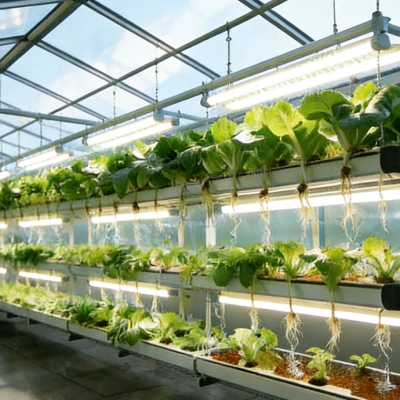
Vegetables such as tomatoes, cucumbers, peppers, and lettuce
Fruits like strawberries and melons
Herbs and leafy greens
Flowers and ornamental plants
Seedlings and nursery crops
Whether using a Single Span Plastic film greenhouse for specialty production or multi span tunnel plastic film greenhouses for diversified cultivation, growers can adapt the structure to different production goals.
8. Easy to Maintain and Repair
Plastic film greenhouse systems are designed with simplicity in mind. Routine maintenance is straightforward, and damaged film sections can be repaired or replaced without dismantling the entire structure.
This ease of maintenance helps growers control operational costs while maintaining stable greenhouse performance over time.
9. Environmentally Friendly Options Available
Sustainability is increasingly important for growers. Many modern Plastic film greenhouse systems use recyclable or long-life plastic films designed to reduce environmental impact.
Combined with efficient water use and reduced dependence on chemical inputs, Agricultural plastic film greenhouses support cleaner and more environmentally responsible crop production.
10. Scalability and Customization
A Plastic film greenhouse offers excellent scalability. Growers can begin with a single unit and expand gradually as production demand increases.
Additional spans, upgraded climate systems, or new irrigation technologies can be integrated over time. This makes Plastic film greenhouse solutions ideal for long-term agricultural planning and business growth.
Conclusion
The advantages of using a Plastic film greenhouse for farming are clear. From cost-effective construction and extended growing seasons to improved yields and environmental control, this system supports the evolving needs of modern growers.
Whether applied in small-scale projects or large Agricultural plastic film greenhouses, plastic film structures offer flexibility, efficiency, and long-term value. With proper design and management, a High-quality Plastic film greenhouse can become a key driver of sustainable and profitable crop production.
FAQs of Plastic Film Greenhouses
1.How durable is a Plastic film greenhouse?
A Plastic film greenhouse is designed for stable agricultural use. Its durability depends on the quality of the frame, the plastic film, UV protection, and proper installation and maintenance.
2.Is a plastic film greenhouse suitable for cold climates?
Yes. A Plastic film greenhouse is widely used by growers in cold and temperate regions. With proper insulation and optional heating systems, it can support winter crop production.
3.What are the best crops to grow in a plastic film greenhouse?
Vegetables, herbs, leafy greens, berries, and flowers all perform well in a Plastic film greenhouse. The controlled environment allows growers to tailor conditions to specific crop requirements.
4.How does it compare to a glass greenhouse in terms of ROI?
Due to lower construction costs and faster installation, a Plastic film greenhouse often provides a quicker return on investment, especially for scalable commercial growing operations.