





In recent years, innovative agricultural solutions have emerged to address challenges such as limited land availability, climate change, and increasing food demand. One of the most practical and flexible solutions is the Container Farm. By converting standard shipping containers into controlled growing environments, farmers and entrepreneurs can produce fresh, high-quality crops almost anywhere.
Whether you are working in an urban setting or a rural area, starting a Container Farm can offer a reliable and scalable way to grow food sustainably while creating new business opportunities.
What is a Shipping Container Farm?
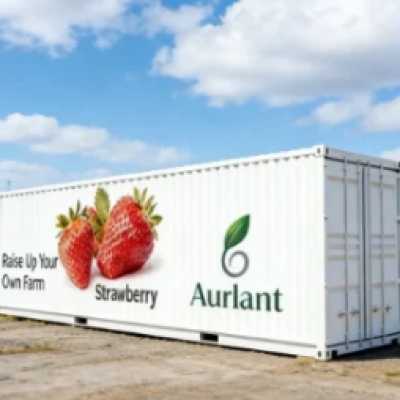
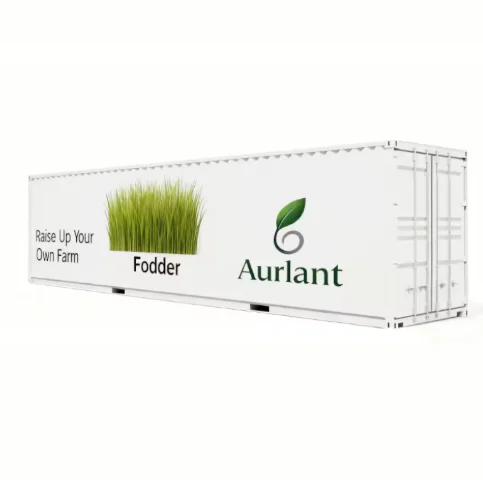
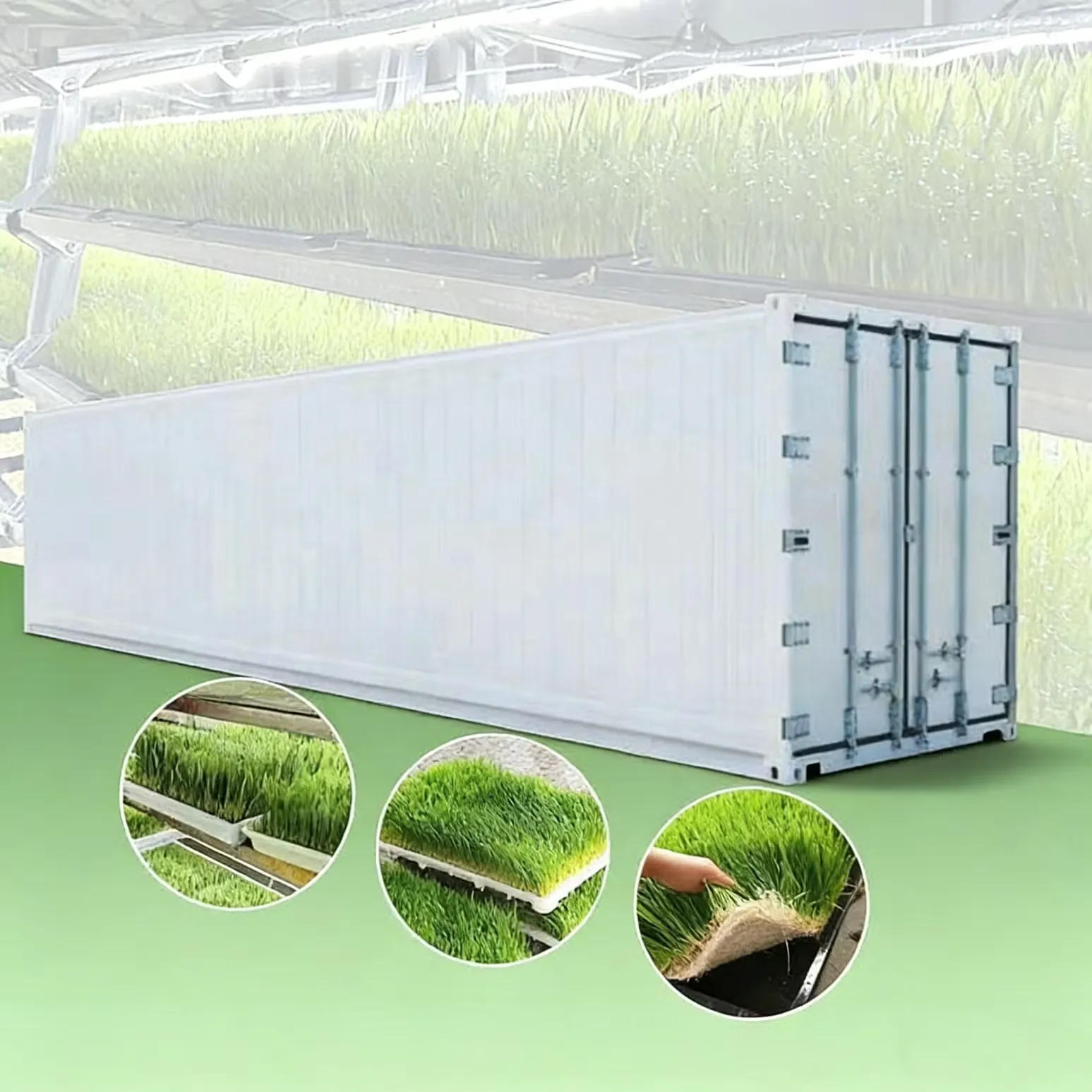
একটি Container Farm is a modern farming system built inside a modified shipping container, typically a 20ft Container Farm অথবা একটি 40ft Container Farm. These containers are equipped with technologies such as hydroponic systems, climate control, and LED lighting to support plant growth.
Inside a Container Farm, all environmental factors are carefully controlled. Temperature, humidity, airflow, and nutrient delivery are managed through automated systems. This allows crops to grow in a stable environment regardless of external weather conditions.
Many modern solutions are designed as a Smart Container Farm, which includes sensors and software for remote monitoring. This makes it easier for operators to manage production efficiently and maintain consistent crop quality.

Benefits of Container Farming
Container farming has become increasingly popular due to its flexibility and efficiency. Below are some of the key advantages.
Shipping Containers are Easy to Transport
A major advantage of a Container Farm is its mobility. Shipping containers are designed for transportation, so they can be easily moved by truck, rail, or ship.
This allows you to set up your farm in different locations depending on your business needs. Whether it is a city center, a warehouse, or a remote area, a Container Farm can be deployed quickly and efficiently.
It’s a Scalable Model
একটি Container Farm offers a highly scalable business model. You can start with a single unit and expand gradually as demand grows.
For example, you might begin with a 20ft Container Farm and later add more units or upgrade to a 40ft Container Farm. This modular approach reduces risk and allows for controlled investment over time.
They Can Operate All Year Long
Unlike traditional agriculture, a Container Farm operates in a controlled indoor environment. This means crops can be grown throughout the entire year.
With a Container Farm With LED Lights, plants receive consistent lighting regardless of season or location. This ensures stable production cycles and predictable harvests.
Year-round production also helps create a steady income stream, which is important for long-term business stability.
They Are Readily Available
Shipping containers are widely available and relatively affordable. This makes it easier to start a Container Farm compared to building traditional farming infrastructure.
In addition, many suppliers offer a Customized Container Farm designed to meet specific production needs. Whether you want to grow leafy greens, herbs, or specialty crops, customization allows you to optimize your setup.
They Produce Better Product
একটি Container Farm provides ideal growing conditions, which leads to higher-quality crops. Produce grown in controlled environments is often cleaner and more consistent in size and appearance.
Because the system is enclosed, crops are less exposed to pests and diseases. This reduces the need for pesticides and improves food safety.
As a result, many consumers prefer products grown in a Container Farm, especially in local and premium markets.
They Help Conserve Water
Water efficiency is another important benefit of a Container Farm. Most systems use hydroponics or similar methods that recycle water.
Compared to traditional farming, a Container Farm can significantly reduce water usage. This is especially valuable in areas where water resources are limited.
Lower water consumption also helps reduce operating costs over time.
Work With Mobile Modular Portable Storage
When setting up a Container Farm, choosing the right partner is important. Mobile modular portable storage providers can supply high-quality containers that are suitable for agricultural use.
These providers often offer both standard units and Customized Container Farm solutions. Working with an experienced supplier ensures that your system is properly designed and installed.
They may also provide support services such as maintenance and technical guidance, which can help improve the long-term performance of your Container Farm.
প্রায়শই জিজ্ঞাসিত প্রশ্নাবলী
How much does a container farm cost?
The cost of a Container Farm depends on size, equipment, and level of automation. A basic system may cost between $20,000 and $50,000, while a more advanced Smart Container Farm can cost over $100,000.
Additional costs may include installation, utilities, and ongoing maintenance. A Customized Container Farm may require a higher initial investment but can be more efficient in the long run.
Are container farms profitable?
A Container Farm can be profitable if it is managed properly. The ability to grow crops year-round and produce consistent quality can create strong market opportunities.
Profitability depends on factors such as crop selection, local demand, and operational efficiency. High-value crops like leafy greens and herbs are commonly grown in a Container Farm because they have short growth cycles and steady demand.
What can you grow in shipping containers?
A Container Farm can support a wide range of crops, including:
- Leafy greens such as lettuce and spinach
- Herbs such as basil and mint
- মাইক্রোগ্রীনস
- স্ট্রবেরি এবং ছোট ফল
With a Container Farm With LED Lights, it is possible to grow many types of crops that thrive in controlled indoor environments. A Customized Container Farm also allows you to adjust the system based on your target crops.
Starting a Container Farm is a practical way to enter modern agriculture. With advantages such as flexibility, scalability, and efficient resource use, this approach is becoming more popular around the world.
Whether you choose a 20ft Container Farm for a small project or a 40ft Container Farm for larger production, this model offers a reliable path toward sustainable and controlled farming.