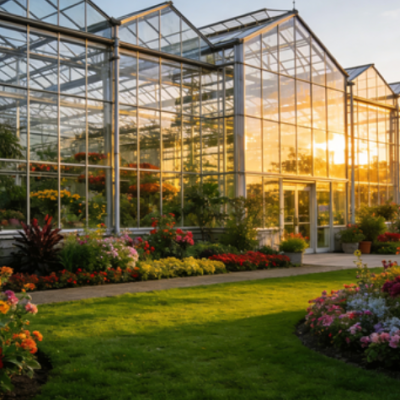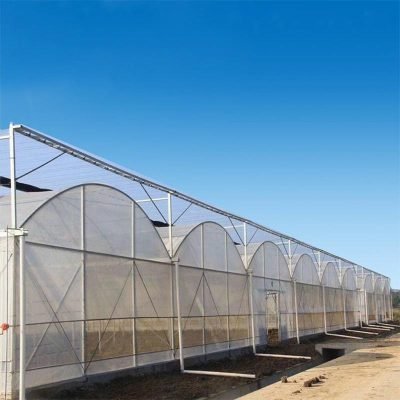






What is a container farm, and why is it gaining attention worldwide?More farmers now grow crops inside containers instead of open fields.
A container farm is a compact system for controlled indoor growing.It helps reduce weather risks and improves crop consistency.
In this post, you’ll learn how a container farm works.We will explore its benefits and role in modern agriculture.
What Is a Container Farm? (Definition & Core Concept)
Definition of a Container Farm
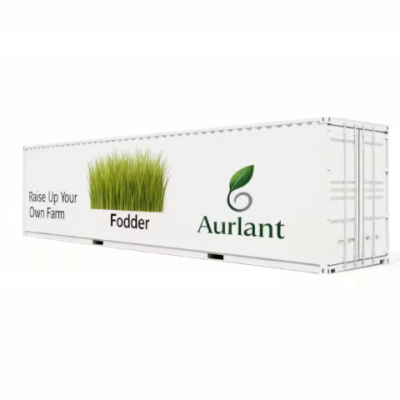
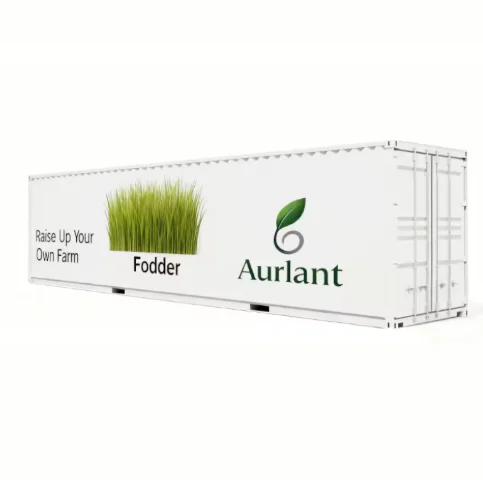
A container farm is a farming system inside a shipping container.
It uses controlled conditions instead of natural outdoor environments.
It grows crops using water, light, and air systems.
Most systems use hydroponics or aeroponics instead of soil.
We can place it almost anywhere.
It fits cities, farms, or unused spaces.
How a Container Farm Works Step by Step
- Seeds are placed into growing trays
- Water and nutrients flow through the system
- LED lights provide the needed light
- Air systems control temperature and humidity
- Crops grow in a closed and stable environment
They grow faster than in traditional fields.
We can harvest crops in short cycles.
Key Components Inside a Container Farm
| Component | Function |
|---|---|
| LED Grow Lights | Provide light for plant growth |
| সেচ ব্যবস্থা | Delivers water and nutrients |
| Climate Control | Manages temperature and humidity |
| Air Circulation | Keeps fresh air inside |
| নিয়ন্ত্রণ ব্যবস্থা | Monitors and adjusts conditions |
Each part works together to support plant growth.
It keeps the environment stable and predictable.
Container Farm vs Indoor Farming vs Vertical Farming
What Is Indoor Farming
Indoor farming means growing crops inside enclosed spaces.
It protects plants from weather, pests, and seasonal changes.
We can use warehouses, rooms, or greenhouses.
Some systems are simple, others use advanced controls.
It focuses on protection more than full control.
What Is Vertical Farming
Vertical farming grows crops in stacked layers.
It uses shelves or racks to save space.
We grow more crops in smaller areas.
It is common in cities and indoor systems.
Vertical farming can be used inside a container farm.
What Is Controlled Environment Agriculture (CEA)
CEA uses technology to control growing conditions.
It manages light, temperature, humidity, and nutrients.
We create stable environments for plants.
It helps improve growth and reduce risks.
CEA includes systems like:
- Container farm systems
- Vertical farming setups
- High-tech greenhouses
Key Differences Between Container Farm and Indoor Farming
| বৈশিষ্ট্য | Container Farm | Indoor Farming |
|---|---|---|
| Structure | Shipping container | Any indoor space |
| গতিশীলতা | Portable system | Fixed location |
| Control Level | Fully controlled | Partial or varied |
| Setup | Pre-designed unit | Custom-built space |
A container farm offers a complete system.
Indoor farming can vary based on setup.
Why a Container Farm Is Considered Part of CEA
A container farm controls all growing conditions.
It manages air, light, water, and nutrients.
We can adjust each factor for plant needs.
It creates a stable and repeatable environment.
This level of control places it inside CEA systems.
Key Features of a Container Farm
Compact and Space-Saving Design
A container farm fits inside a standard shipping container.
It uses vertical layers to grow more crops.
We can place it in small or unused spaces.
It works well in cities or tight farm areas.
Mobility and Transportability
A container farm is easy to move from one place to another.
It can be transported by truck or ship.
We can deploy it quickly when needed.
It does not require permanent construction.
Modular and Scalable Structure
A container farm uses a modular design.
We can connect multiple units together.
It allows farms to grow step by step.
They can expand based on demand.
- Start with one container
- Add more units later
- Build a larger farming system
Controlled Growing Environment
A container farm controls key growing conditions.
It manages light, temperature, humidity, and airflow.
We can adjust settings for different crops.
It helps plants grow in stable conditions.
| Control Factor | Function |
|---|---|
| Light | Supports plant growth |
| Temperature | Maintains stable climate |
| Water | Provides nutrients |
| Airflow | Keeps fresh air inside |
Year-Round Production Capability
একটি কন্টেইনার ফার্ম supports continuous production.
It works in all seasons and climates.
We are not limited by weather changes.
Crops can grow every day of the year.
Benefits of Using a Container Farm
Faster Crop Growth Cycles
A container farm supports faster plant growth.
It provides stable light and nutrients every day.
We can grow crops in shorter cycles.
Harvest time becomes more predictable.
Reduced Water Consumption
A container farm uses less water than traditional farming.
It recycles water inside the system.
We reduce waste during irrigation.
Plants receive only what they need.
Lower Dependence on Weather Conditions
A container farm works in a controlled environment.
It protects crops from rain, wind, and heat.
We are not affected by seasonal changes.
Production stays stable all year.
Reduced Need for Pesticides
A container farm is a closed growing system.
It limits exposure to pests and diseases.
We reduce the use of chemical treatments.
Plants grow in a cleaner environment.
Local Food Production and Supply Chain Benefits
A container farm can be placed near consumers.
It supports local food production.
We reduce the need for long supply chains.
Fresh products reach markets faster.
- Urban farms supply nearby stores
- Restaurants receive fresh crops daily
- Communities access local produce
Reduced Carbon Footprint and Food Miles
| Factor | Container Farm | Traditional Farming |
|---|---|---|
| Transport Distance | Short | Long |
| Carbon Emissions | Lower | Higher |
| Food Waste | Reduced | Higher risk |
A container farm reduces transport needs.
We lower carbon emissions and food waste.
Where Can a Container Farm Be Used?
Urban Environments (Parking Lots, Rooftops)
A container farm fits well in urban areas.
We can place it in parking lots or on rooftops.
It uses limited space efficiently.
Cities can grow food closer to consumers.
Rural Farms and Agricultural Land
A container farm also works on farmland.
It supports farmers who need stable production.
We can use it alongside traditional crops.
It helps improve yield and reduce risk.
Research and Education Projects
A container farm is useful for testing new growing methods.
Schools and labs use it for learning and research.
We can study plant growth in controlled conditions.
It helps improve farming techniques.
Restaurants and Retail Supply Chains
A container farm can supply fresh produce to businesses.
Restaurants can grow food near their kitchens.
Retail stores can receive fresh crops daily.
We reduce storage and transport time.
- Fresh greens for restaurants
- Local supply for small markets
- On-site production for food businesses
Community and Social Impact Projects
| Use Case | Benefit |
|---|---|
| Community farms | Local food access |
| Urban projects | Efficient land use |
| Social programs | Education and training |
A container farm supports local communities.
We can improve food access in different areas.

What Can You Grow in a Container Farm?
Leafy Greens (Lettuce, Spinach)
একটি কন্টেইনার ফার্ম is ideal for leafy greens.
We grow lettuce, spinach, and similar crops.
They grow fast in controlled conditions.
We can harvest them in short cycles.
Herbs (Basil, Mint)
A container farm supports herb production.
We grow basil, mint, and other herbs.
They need stable light and water.
It helps improve quality and consistency.
মাইক্রোগ্রীনস
A container farm is suitable for microgreens.
They grow quickly and need little space.
We can harvest them in a few days.
They are popular in restaurants and markets.
স্ট্রবেরি
A container farm can grow strawberries indoors.
It provides controlled temperature and light.
We can improve fruit quality and yield.
It supports year-round production.
Fodder Crops (Barley Grass, Alfalfa)
| Crop Type | Growth Time | Use |
|---|---|---|
| Barley Grass | Short cycle | Animal feed |
| Alfalfa | Fast growth | Livestock nutrition |
| Oat Grass | Quick harvest | Feed supply |
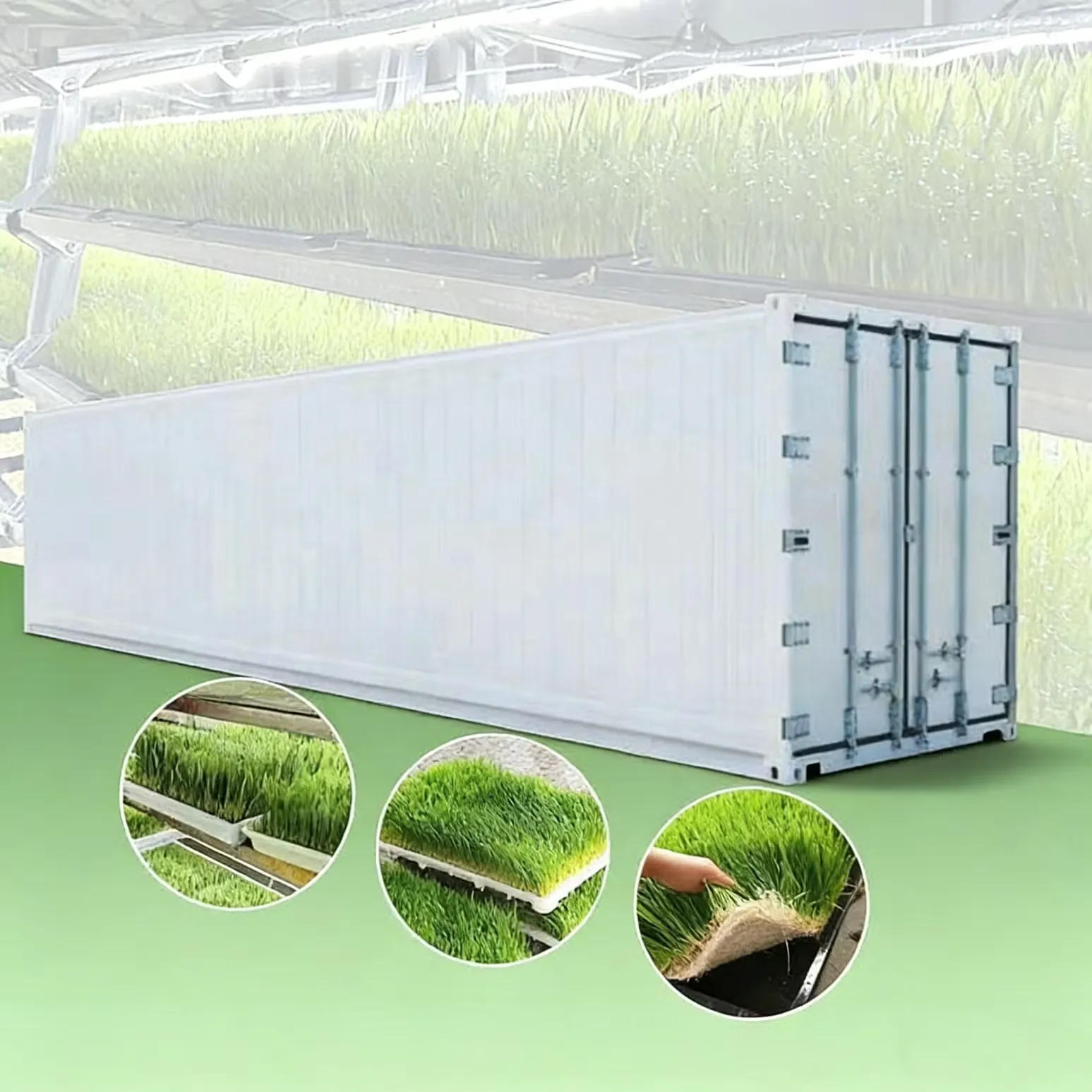
A container farm supports fodder production.
We can grow feed for livestock daily.
Specialty Crops and Medicinal Plants
A container farm can grow special crops.
We use it for medicinal plants and niche products.
It allows precise control of growing conditions.
We can maintain stable quality for these crops.
Technologies Used in Container Farming
Hydroponic Container Farm Systems
A container farm often uses hydroponic systems.
Plants grow in water instead of soil.
We supply nutrients through water flow.
It helps control plant growth more precisely.
Aeroponic Container Farm Systems
Some container farm systems use aeroponics.
Roots hang in the air inside the system.
We spray nutrient mist onto the roots.
It improves oxygen levels and plant growth.
- Faster root development
- Efficient nutrient delivery
- Reduced water use
LED Grow Lighting Systems
A container farm uses LED grow lights.
They provide light for plant growth cycles.
We control light intensity and timing.
It supports growth in all seasons.
Smart Control and Automation Systems
| সিস্টেম | Function |
|---|---|
| Sensors | Monitor temperature and humidity |
| Controllers | Adjust system settings |
| Timers | Manage lighting cycles |
A container farm uses smart systems for control.
We can manage the environment automatically.
Climate Control Technologies
A container farm includes climate control systems.
They manage temperature, airflow, and humidity.
We use fans, cooling units, and heaters.
It keeps the environment stable for plants.
Advantages of Container Farms Over Traditional Buildings
No Permanent Construction Required
A container farm does not need a fixed building.
We can install it on level ground.
It is often treated as a temporary structure.
This reduces planning and approval requirements.
Lower Setup Cost
A container farm reduces initial construction costs.
We avoid building large indoor facilities.
It comes as a pre-built unit.
This lowers labor and material expenses.
Faster Deployment
A container farm can be installed quickly.
It arrives ready for setup and operation.
We connect water and power to start.
It saves time compared to traditional projects.
Flexible Location Options
| Location Type | Use Case |
|---|---|
| Urban areas | Rooftops, parking spaces |
| Rural land | Farms and open fields |
| Commercial zones | Retail and food supply |
A container farm can be placed in many locations.
We can move it based on demand.
Easier Expansion with Modular Units
A container farm uses a modular design.
We can add more units when needed.
- Start with one unit
- Expand step by step
- Scale production easily
It supports flexible growth without major changes.
Are Container Farms Legal? (Planning & Regulations)
Why Container Farms Are Considered Temporary Structures
A container farm often counts as a temporary structure.
It does not require permanent building work.
We can move it when needed.
This makes it different from fixed buildings.
When Planning Permission May Be Required
A container farm may not always need planning approval.
Rules can change based on location.
We may need permission in some cases:
- Long-term installation
- Commercial use in restricted areas
- Local zoning requirements
It depends on local regulations.
Key Factors to Check Before Installation
Land Use Regulations
We must check how the land can be used.
Some areas allow farming, others do not.
Local laws may limit certain activities.
We should confirm before installation.
Utilities Access (Water, Electricity, WiFi)
| Utility | Purpose |
|---|---|
| Water | সেচ ব্যবস্থা |
| Electricity | Lighting and control systems |
| WiFi | Monitoring and automation |
A container farm needs basic utilities to operate.
We should ensure access before setup.
Challenges of Container Farming
Initial Investment Cost
A container farm requires upfront investment.
We need equipment, systems, and setup costs.
It costs more than traditional small-scale farming.
Advanced systems increase total expense.
Energy Consumption
A container farm depends on electricity.
It powers lights, cooling, and control systems.
We use energy every day for plant growth.
This increases operating costs over time.
| সিস্টেম | শক্তি ব্যবহার |
|---|---|
| LED Lights | উচ্চ |
| Climate Control | Medium to High |
| Pumps | মাঝারি |
Technical Knowledge Requirements
A container farm needs technical skills to operate.
We must understand systems and controls.
It includes monitoring plant conditions and equipment.
Learning is required for efficient use.
- System control
- Crop management
- Data monitoring
Maintenance and System Management
A container farm requires regular maintenance.
We need to check systems and equipment often.
It includes cleaning, repairs, and monitoring.
Proper care keeps the system running well.
Container Farms and the Future of Agriculture
Role in Urban Farming and Smart Cities
A container farm fits well in modern cities.
We can place it near homes and businesses.
It supports urban farming in limited spaces.
Cities can produce food locally.
Contribution to Food Security
A container farm helps ensure stable food supply.
We can grow crops in controlled environments.
It reduces dependence on imports.
Local production becomes more reliable.
Sustainability and Environmental Impact
| Factor | Impact |
|---|---|
| Water Use | Reduced |
| Transport | Short distance |
| Waste | Lower levels |
A container farm reduces resource use.
We lower carbon emissions and food waste.
Integration with Local Food Systems
A container farm connects to local markets.
We supply fresh crops directly to communities.
- Restaurants receive fresh produce
- Shops reduce supply delays
- Communities access local food
It supports short and efficient supply chains.
Real-World Applications of Container Farms
Commercial Farming Operations
A container farm supports modern commercial farming.
We use it to produce crops in controlled conditions.
It allows stable and repeatable production.
Farmers can improve yield and consistency.
Food Supply for Restaurants and Stores
A container farm can supply fresh food to businesses.
We can place it near restaurants or shops.
It reduces storage and delivery time.
Fresh produce reaches customers faster.
- Direct supply to restaurants
- Daily delivery to local stores
- On-site production for food businesses
Emergency Food Production
A container farm can be used in urgent situations.
We can deploy it quickly when food supply is limited.
It supports temporary food production.
Useful for remote areas or crisis zones.
Livestock Feed Production (Fodder Container Farms)
| Crop Type | Use |
|---|---|
| Barley Grass | Animal feed |
| Alfalfa | Livestock nutrition |
| Oat Grass | Daily feeding |
A container farm can grow fodder for animals.
We can produce fresh feed every day.
How to Start a Container Farm
Choosing the Right Container Farm System
We first choose a suitable container farm system.
It depends on crops, scale, and budget.
Some systems use hydroponics.
Others use aeroponics for faster growth.
Site Requirements
A container farm needs a proper location.
We need flat ground for stable placement.
It also requires access to utilities:
- Water supply
- Electricity
- Internet connection
Budget Planning
| Cost Type | Description |
|---|---|
| Equipment | Lights, pumps, control systems |
| Installation | Setup and transport |
| Operation | Energy and maintenance |
We plan costs before starting.
It helps avoid unexpected expenses.
Selecting Crops
We choose crops based on market demand.
A container farm supports different plant types.
- পাতাযুক্ত সবুজ শাকসবজি
- Herbs
- মাইক্রোগ্রীনস
- Fodder crops
Some crops grow faster than others.
We select based on production goals.
Installation and Setup Process
A container farm is usually pre-built.
We only need basic connections to start.
Steps include:
- Place the container on site
- Connect water and power
- Test system functions
- Start planting
It allows quick setup and operation.
FAQs About Container Farms
What Is a Container Farm Used For?
A container farm is used to grow crops indoors.
We use it for food, herbs, and fodder production.
It supports local supply and controlled farming.
Many industries use it for fresh produce.
How Much Does a Container Farm Cost?
A container farm cost depends on system type.
We consider size, technology, and equipment.
| Factor | Impact on Cost |
|---|---|
| Size | Larger units cost more |
| Technology | Advanced systems increase price |
| Automation | Higher control adds cost |
It requires initial investment before operation.
How Much Can a Container Farm Produce?
A container farm can produce crops in cycles.
We harvest multiple times each month.
Output depends on:
- Crop type
- System design
- Growing conditions
It allows steady and repeatable production.
Is a Container Farm Profitable?
A container farm can be profitable over time.
We reduce losses from weather and pests.
It supports local sales and fresh supply.
Profit depends on management and market demand.
Can Container Farms Operate in Extreme Climates?
A container farm works in different environments.
We control temperature and humidity inside.
It can operate in hot, cold, or dry regions.
The system protects crops from outside conditions.
Conclusion: Is a Container Farm Right for You?
A container farm offers controlled growing, faster harvest cycles, and reduced water use.
It supports stable production and local food supply.
It suits farmers, urban growers, and food businesses needing flexible solutions.
It also works for projects requiring scalable farming systems.
A container farm is shaping modern agriculture.
It supports sustainable growth and future food production.