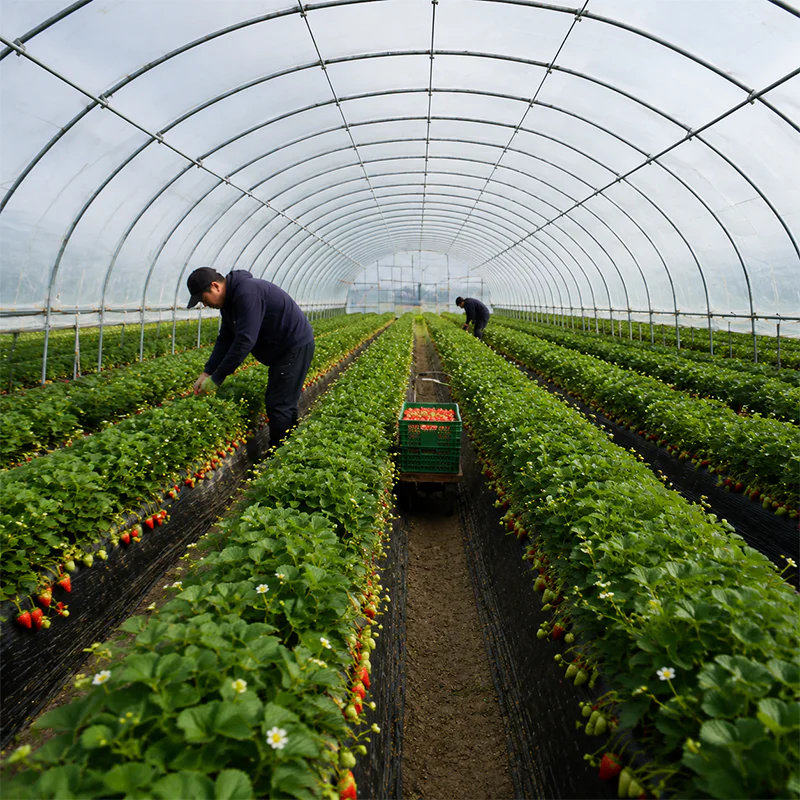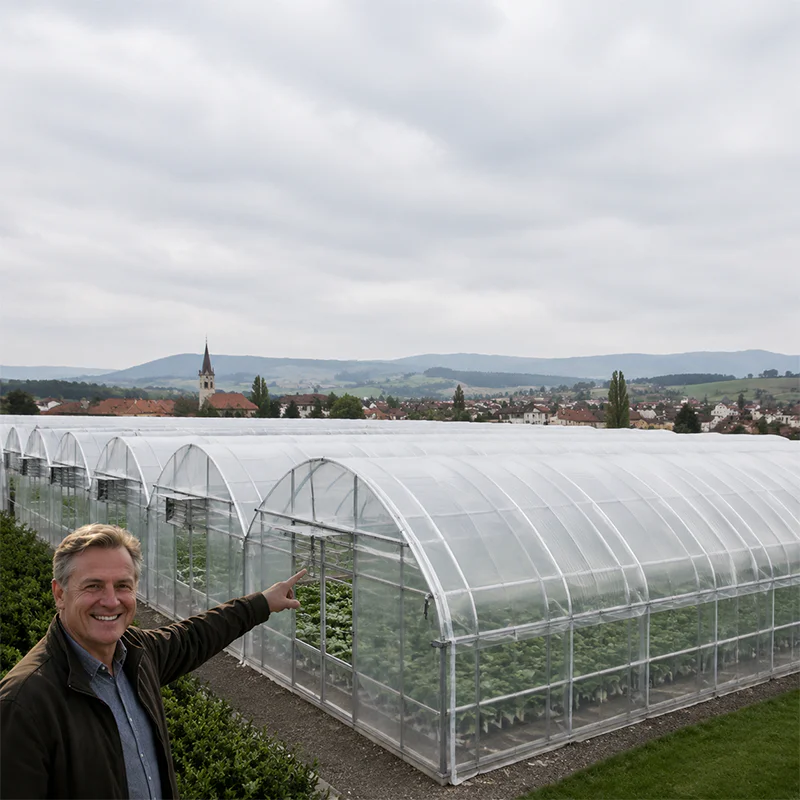







Un buen diseño Invernadero can dramatically improve crop yield, extend growing seasons, and protect plants from unpredictable weather. However, not all greenhouse structures perform the same. One of the most critical decisions growers face is choosing the right greenhouse shape.
The shape of a greenhouse directly impacts sunlight exposure, airflow, heat retention, and overall productivity. Whether you are a hobby gardener or a commercial grower, understanding greenhouse design efficiency is essential for long-term success. From simple Tunnel Greenhouse structures to advanced Multi Span Greenhouse systems, each design offers unique benefits and trade-offs.
In this guide, we will explore the most common greenhouse shapes, compare their efficiency, and help you determine which option best suits your needs.
What Does “Efficient Greenhouse Design” Really Mean?
Efficiency in a Invernadero goes beyond just saving energy—it involves maximizing plant growth while minimizing costs and resource use.
An efficient greenhouse design typically includes:
- Optimal light transmission: Ensures plants receive consistent sunlight throughout the day
- Thermal efficiency: Maintains stable temperatures with minimal energy input
- Effective ventilation: Promotes airflow to prevent humidity buildup and disease
- Space utilization: Maximizes usable growing area
- Structural durability: Withstands environmental conditions such as wind, rain, or snow
For example, a Single Span Greenhouse may offer simplicity and affordability, while a Multi Span Greenhouse provides better scalability and resource efficiency for large operations. The most efficient greenhouse design depends on how well it balances these factors.

Key Factors That Influence the Best Greenhouse Shape
Choosing the right Invernadero shape depends on several important considerations:
Condiciones climáticas
In colder regions, structures like Gothic arch or steep-roof designs are better for shedding snow. In warmer climates, ventilation becomes more important, making designs like Sawtooth Greenhouse highly effective.
Available Space
Urban gardeners may prefer compact designs such as lean-to or Invernadero túnel de película de una sola luz, while large farms benefit from expansive Multi Span Greenhouse layouts.
Tipo de cultivo
Tall crops like tomatoes require higher vertical space, making gable or uneven-span designs ideal. Low-growing crops can thrive in Tunnel Greenhouse structures.
Presupuesto
Simpler designs like Quonset or Tunnel Greenhouse are cost-effective, while advanced systems such as ridge and furrow or Multi Span Greenhouse require higher investment.
Scale of Operation
Small-scale growers prioritize affordability and ease of setup, whereas commercial growers focus on efficiency, automation, and scalability.
Types of Greenhouse Shapes (Detailed Comparison Guide)
Quonset (Hoop) Greenhouse Design – Affordable and Simple
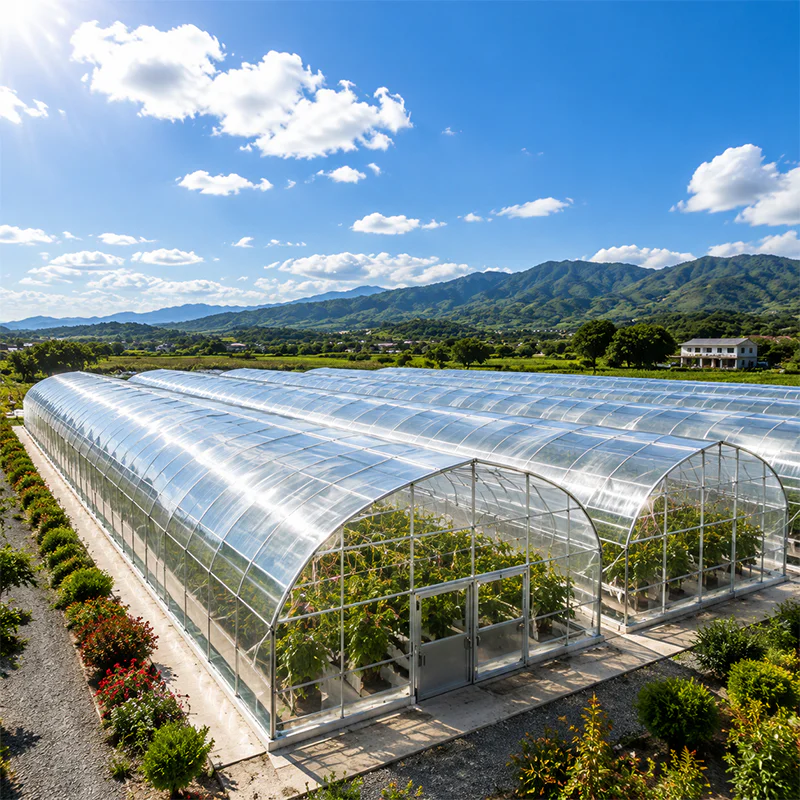
The Quonset greenhouse, also known as a Tunnel Greenhouse or Single Span Film Tunnel Greenhouse, features a curved, arch-like structure.
Ventajas:
- Low construction cost
- Easy to install and maintain
- Excellent light penetration
This design is ideal for beginners or small-scale growers seeking a budget-friendly greenhouse solution.
Gothic Arch Greenhouse – Strong and Snow-Resistant
The Gothic arch greenhouse has a pointed roof that enhances structural strength.
Ventajas:
- Excellent snow shedding capability
- Improved water drainage
- Strong frame design
This greenhouse shape is especially efficient in colder climates with heavy snowfall.

Gable (A-Frame) Greenhouse – Traditional and Spacious
The Gable greenhouse features a classic A-frame structure.
Ventajas:
- Spacious interior
- Good airflow and ventilation
- Suitable for tall crops
This design works well for both hobbyists and commercial growers who need flexibility.
Lean-To Greenhouse – Space-Saving and Energy Efficient
A Lean-To greenhouse is attached to an existing building, sharing one wall.
Ventajas:
- Reduced heating costs
- Efficient use of limited space
- Easy access to utilities
It is a great option for home gardeners with limited outdoor space.
Even-Span Greenhouse – Balanced and Efficient Design
The Even-Span greenhouse has symmetrical roof slopes, making it a well-balanced design.
Ventajas:
- Uniform light distribution
- Efficient ventilation
- Suitable for a wide range of crops
This design is often used in Single Span Greenhouse setups for medium-scale operations.

Uneven-Span Greenhouse – Practical for Sloped Land
Uneven-span greenhouses are designed for uneven terrain.
Ventajas:
- Cost-effective for hillside locations
- Provides extra vertical space on one side
This structure is useful when land conditions limit standard greenhouse construction.
Ridge and Furrow Greenhouse – Best for Large-Scale Farming
Also known as Multi-Span Greenhouse systems, ridge and furrow designs connect multiple units along shared gutters.
Ventajas:
- Maximizes land use
- Reduces energy consumption across units
- Ideal for automation and large-scale farming
This type of greenhouse is commonly used in commercial agriculture.
Which Greenhouse Shape Is the Most Efficient?
There is no single “best” Invernadero shape for everyone. Efficiency depends on your specific needs.
- Cold climates: Gothic arch greenhouse
- Low budget: Quonset or Tunnel Greenhouse
- Urban gardening: Lean-To greenhouse
- Commercial farming: Multi Span Greenhouse or ridge and furrow
- Ventilation-focused design: Invernadero Sawtooth
Ultimately, the most efficient greenhouse is one that aligns with your climate, crop type, and operational goals.
Greenhouse Shape Comparison Table
| Greenhouse Shape | Cost | Strength | Light Efficiency | Best Use |
|---|---|---|---|---|
| Quonset (Tunnel) | Low | Moderate | Alta | Beginners |
| Gothic Arch | Medio | Alta | Alta | Cold climates |
| Gable (A-Frame) | Alta | Alta | Alta | Versatile crops |
| Lean-To | Low | Moderate | Medio | Small spaces |
| Even-Span | Medio | Alta | Alta | Medium farms |
| Uneven-Span | Medio | Moderate | Medio | Sloped land |
| Ridge & Furrow (Multi Span) | Alta | Alta | Alta | Large farms |
How to Choose the Best Greenhouse Design for You
To select the right Invernadero, ask yourself:
- What crops will you grow?
- What is your climate like?
- How much space do you have?
- What is your budget?
- Do you plan to expand in the future?
If scalability is important, a Multi Span Greenhouse may be the best choice. For smaller operations, a Single Span Film Tunnel Greenhouse provides simplicity and affordability.

Common Mistakes When Choosing a Greenhouse Shape
Many growers make avoidable mistakes when selecting a Invernadero design:
- Ignoring climate conditions
- Choosing the cheapest option without considering durability
- Overlooking ventilation needs
- Not planning for future expansion
- Poor orientation relative to sunlight
Avoiding these mistakes can significantly improve greenhouse efficiency.
Tips to Improve Greenhouse Efficiency Regardless of Shape
No matter which Invernadero shape you choose, these tips can enhance performance:
- Orient the greenhouse for maximum sunlight exposure
- Use high-quality glazing materials
- Install proper ventilation systems
- Incorporate thermal mass for heat retention
- Automate irrigation and climate control
Even a simple Tunnel Greenhouse can perform efficiently with the right setup.
Frequently Asked Questions About Greenhouse Design
1.What is the most energy-efficient greenhouse shape?
The most energy-efficient Invernadero shape is typically the Gothic arch or Sawtooth Greenhouse, as both optimize heat retention and ventilation.
2.Which greenhouse design is best for beginners?
A Quonset or Single Span Film Tunnel Greenhouse is ideal for beginners due to its low cost and simple construction.
3.What shape greenhouse is best for snow?
Gothic arch greenhouses are best for snowy regions because their steep roofs prevent snow accumulation.
4.Is a hoop house or gable greenhouse better?
A hoop house (Tunnel Greenhouse) is more affordable and easier to build, while a gable greenhouse offers more space and durability.
5.How does greenhouse shape affect plant growth?
The shape of a Invernadero affects light distribution, airflow, and temperature control, all of which directly impact plant growth and yield.
Conclusion: Choosing the Right Greenhouse Shape for Maximum Efficiency
Selecting the most efficient Invernadero shape requires balancing multiple factors, including climate, budget, and crop requirements. While no single design fits all situations, understanding the strengths and weaknesses of each option can help you make an informed decision.
Whether you choose a simple Tunnel Greenhouse, a versatile Single Span Greenhouse, or a large-scale Multi Span Greenhouse, the key is to align your structure with your growing goals. With the right design, your greenhouse can become a highly efficient and productive environment for years to come.