





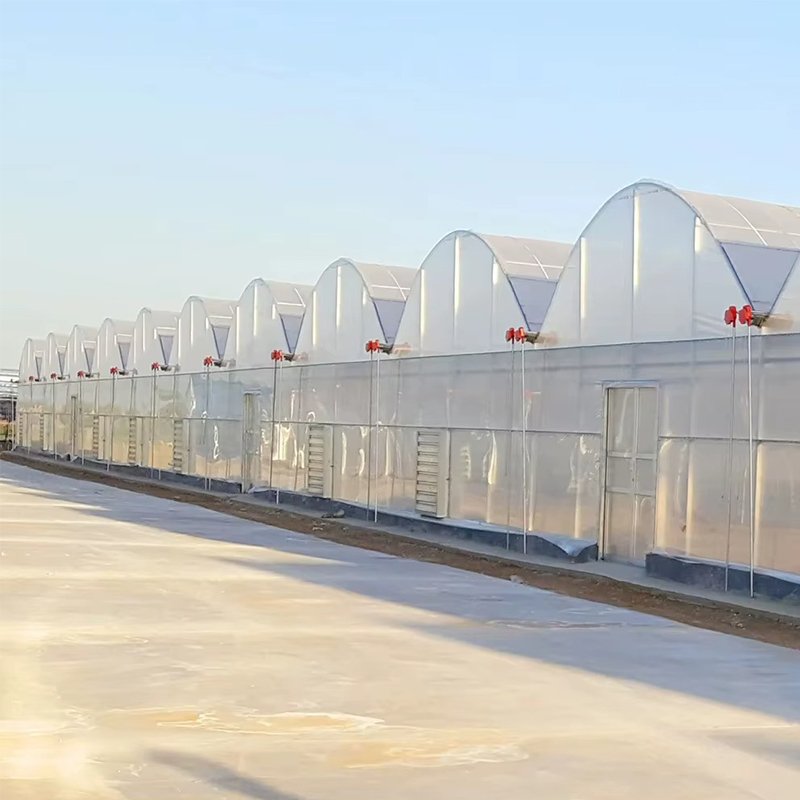
Everything You Should Know about Multi-Span Greenhouse
Greenhouse cultivation has evolved rapidly as growers look for ways to increase efficiency, scale production, and maintain consistent crop quality throughout the year. Among the many structural solutions available today, multi span greenhouses stand out as a practical and future-ready option for both commercial and advanced growers. These structures are no longer limited to experimental farms or high-budget projects; they have become a mainstream solution for modern horticulture, floriculture, and vegetable production.
In this article, we will take a deep dive into what makes a multi-span greenhouse unique, why it is increasingly popular across the agricultural sector, and what key considerations matter most when building one. Whether you are planning a large commercial facility or evaluating long-term investments in protected agriculture, this guide will help you make informed decisions.
What is a Multi-Span Greenhouse? The Advantages?
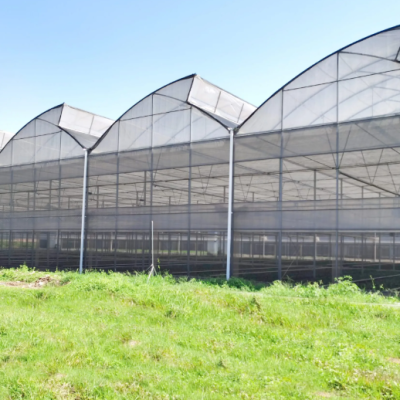
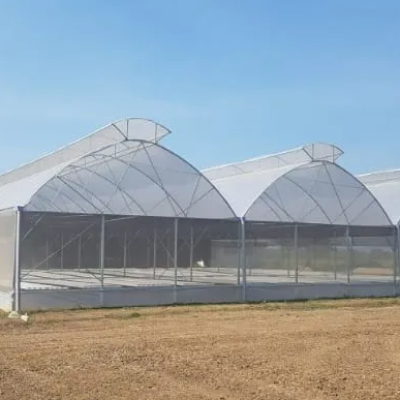
A multi-span greenhouse is a protected cultivation structure formed by connecting multiple greenhouse bays side by side under a single roof system. Instead of operating as separate units, these spans share internal walls and structural elements, creating a continuous growing area with a unified environment.
Defining Characteristics
The defining feature of a multi-span design is scale combined with integration. Unlike single-span structures, which are often limited in width and internal layout, a multi-span system allows growers to expand horizontally without sacrificing environmental control. The result is a large, uninterrupted space optimized for mechanization, airflow, and crop management.
Key Advantages
1. Better Space Utilization
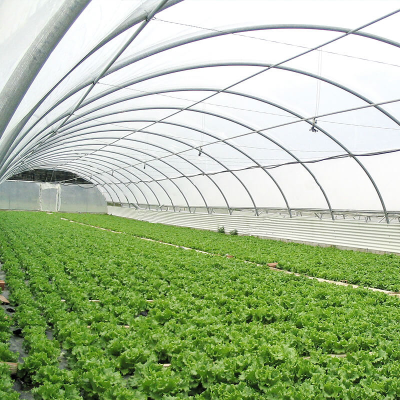
By eliminating internal side walls, growers gain more usable growing area. Equipment such as irrigation booms, trolleys, and automated climate systems can move freely, improving operational efficiency.
2. Improved Climate Control
Larger internal air volumes help stabilize temperature and humidity. This makes it easier to manage heat distribution, ventilation, and CO₂ enrichment, all of which are essential for high-yield crops.
3. Scalability for Commercial Use
Many commercial growers prefer Large multi span greenhouses because they allow phased expansion. Additional spans can be added later without redesigning the entire structure.
4. Agricultural Versatility
From vegetables and fruits to flowers and seedlings, Agricultural multi span greenhouses support a wide range of crops. The design adapts well to soil-based cultivation, hydroponics, and soilless systems.
5. Cost Efficiency Over Time
Although the initial investment may be higher than that of small standalone structures, Economical multi span greenhouses often deliver better long-term returns. Lower energy losses, shared infrastructure, and reduced labor costs contribute to improved profitability.
6. Structural Strength and Durability
Engineered frames make High-Strength multi span greenhouses suitable for regions with strong winds, heavy snow loads, or extreme weather. Their robustness ensures long service life with minimal maintenance.
7. Design Flexibility
Modern growers increasingly favor Customizable multi span greenhouses, which can be tailored in terms of span width, gutter height, covering material, and automation level.
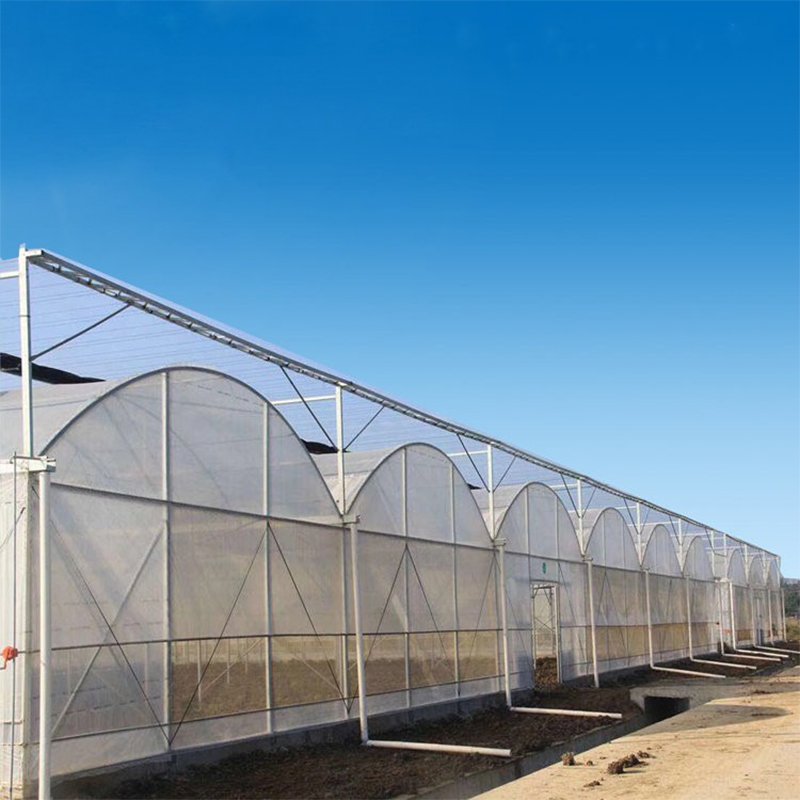
How to Build a Multi-Span Greenhouse: What to Consider
Constructing a multi-span greenhouse is not just about assembling steel frames and covering them with plastic or glass. It requires strategic planning, technical understanding, and alignment with production goals.
1. Site Selection and Orientation
Choosing the right location is critical. Flat land with good drainage reduces construction costs and operational risks. Orientation should maximize sunlight exposure while minimizing wind resistance. In many regions, a north–south orientation helps achieve uniform light distribution throughout the day.
2. Structural Design and Materials
The structure must be engineered according to local climate conditions. Frame materials typically include galvanized steel or aluminum, selected for corrosion resistance and strength. Gutter height and span width directly affect airflow and crop height potential, so these parameters should align with crop requirements.
3. Covering Materials
Coverings influence light transmission, insulation, and durability. Common options include polyethylene film, polycarbonate sheets, and glass. Each material offers different advantages in terms of cost, longevity, and thermal performance.
4. Ventilation and Climate Systems
Proper ventilation is essential for maintaining plant health. Roof vents, side vents, circulation fans, and evaporative cooling systems should be designed as an integrated solution. Automated climate control systems help maintain optimal conditions with minimal manual intervention.
5. Irrigation and Drainage
Efficient irrigation systems such as drip lines, misting, or ebb-and-flow benches can be integrated into the greenhouse design. Adequate drainage prevents waterlogging and root diseases, especially in high-density production systems.
6. Energy Management
Heating, cooling, and lighting account for a significant portion of operating costs. Energy-efficient technologies such as thermal screens, energy curtains, and LED grow lights can significantly reduce long-term expenses.
7. Workflow and Mechanization
A major advantage of multi-span designs is their compatibility with automation. When planning the layout, consider future upgrades such as automated transplanting, harvesting aids, or conveyor systems.
8. Compliance and Regulations
Local building codes, agricultural regulations, and environmental standards must be followed. Permits, load calculations, and safety certifications should be addressed early in the planning phase to avoid costly delays.
Conclusión
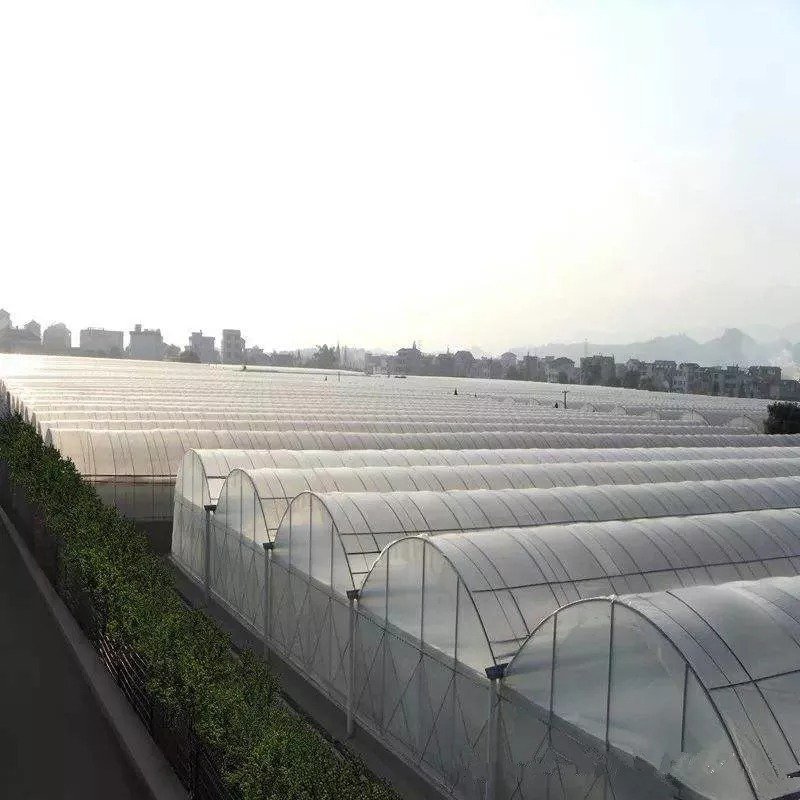
The shift toward larger, integrated greenhouse structures reflects the broader transformation of modern agriculture. Multi-span greenhouses provide growers with the ability to scale operations, optimize environmental control, and achieve consistent, high-quality production throughout the year.
By offering superior space utilization, improved climate stability, and compatibility with advanced technologies, this greenhouse design meets the demands of today’s competitive agricultural landscape. While the initial planning and investment require careful consideration, the long-term benefits—higher yields, reduced operational costs, and greater flexibility—make the effort worthwhile.
For growers seeking a balance between efficiency, durability, and adaptability, multi-span greenhouse systems represent not just a structural choice, but a strategic investment in sustainable and profitable agriculture.