




Quick Answer: Is a Container Farm Profitable?
Is container farming profitable in today’s market?
Yes, container farms can be highly profitable in today’s market, especially with the continued growth in consumer demand for fresh, locally grown, pesticide-free produce. Operating in a controlled environment, container farms allow farmers to grow crops year-round, independent of weather conditions. This stability translates to predictable yields and a steady stream of income. However, profitability depends on factors such as energy efficiency, crop selection, and access to strong local markets. If operated properly, a well-managed 40ft or 20ft container farm can generate substantial profits.
What are the main factors that affect container farm profitability?
Several factors determine whether a container farm becomes profitable:
- Energy costs (lighting and climate control)
- Crop selection (high-margin vs low-margin crops)
- Market demand and pricing
- Operational efficiency and automation
- Location and proximity to customers
These variables directly impact revenue and expenses, shaping the overall profitability of a container farm business.
Can beginners make money with a container farm?
Yes, beginners can make money with container farms, but it does require a learning process. Customized container farms are simple to design, highly automated, and easy to monitor, which can significantly reduce risk. Beginners who focus on growing simple, fast-growing crops, such as leafy greens or herbs, and invest time in learning hydroponic systems will have a greater chance of success.
Why Container Farming Is Growing Fast in Modern Agriculture
How global food demand is driving container farm adoption
With the continued growth of the global population, the demand for food is also increasing rapidly. Traditional agriculture faces the dilemma of limited land resources and climate challenges, making container farming a highly attractive alternative. It enables food production even in areas where arable land is scarce.
Why urban agriculture is boosting container farm businesses
Urban areas are becoming an important market for container farms. Durable container farms can be built in cities, close to consumers, thus reducing transportation time and costs. This close proximity can improve the freshness of produce, allowing farmers to charge higher prices.
How technology is transforming container farming profitability
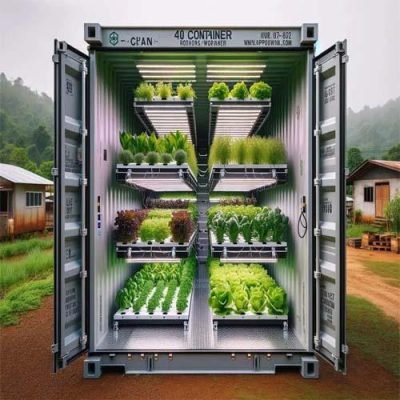
Advancements in hydroponics, LED lighting, and automation have made container farming more efficient. A Multi-Layer Design container farm maximizes vertical space, increasing yield per square foot and improving profitability.
How Does a Container Farm Make Money? (Business Models Explained)
How do container farms generate revenue?
A container farm generates revenue by growing and selling crops such as leafy greens, herbs, and microgreens. The controlled environment ensures consistent production, enabling reliable income streams.
Selling fresh produce to local markets and restaurants
Local restaurants and grocery stores are key buyers. They value freshness and are willing to pay more for locally grown produce, especially when it is pesticide-free.
Premium pricing strategies for container farm produce
Container-grown produce often commands higher prices due to its quality and consistency. A 集装箱农场 can position itself as a premium supplier, increasing profit margins.
Subscription-based container farm business models (CSA)
Community Supported Agriculture (CSA) models allow customers to subscribe to weekly produce deliveries. This creates predictable revenue and reduces sales uncertainty.
B2B partnerships with restaurants, retailers, and suppliers
Long-term contracts with businesses provide stable income. A customized container farm can tailor production to meet specific client needs, improving profitability.
Container Farm Revenue Potential: How Much Can You Earn?
What is the average revenue of a container farm?
Revenue varies widely, but a single 40ft container farm can generate between $30,000 and $100,000 annually depending on crop type and market.
How much can one container farm produce per year?
A container farm can produce multiple harvest cycles per year. Fast-growing crops like lettuce can be harvested every 3–4 weeks, leading to high annual output.
Which crops are most profitable in a container farm?
- Microgreens (highest profit margins)
- Herbs (basil, mint)
- Leafy greens (lettuce, spinach)
These crops grow quickly and have strong market demand.
How production cycles impact container farm income
Shorter growth cycles mean more harvests per year. A Multi-Layer Design container farm increases production capacity, boosting total income.
Container Farm Profit Margins Explained
What are typical container farm profit margins?
Profit margins typically range from 20% to 50%, depending on efficiency and market conditions.
Revenue vs operating cost breakdown
Revenue comes from crop sales, while costs include:
- Electricity
- Labor
- Supplies
- Maintenance
Balancing these factors is key to profitability.
What factors most affect profit margins in a container farm?
Energy consumption and pricing strategy are the biggest drivers of profit margins in a container farm.
Operating Costs That Affect Container Farm Profitability
Why energy consumption is the biggest expense in a container farm
Artificial lighting and climate control systems consume significant amounts of electricity. Energy management is crucial for maintaining profitability.
Labor and management costs in container farming
Labor costs vary depending on automation. A highly automated 集装箱农场 reduces the need for manual work.
Cost of seeds, nutrients, and growing supplies
These are recurring costs but relatively predictable.
Maintenance, repairs, and system downtime risks
Equipment failures can disrupt production and reduce income.
Key Factors That Determine Container Farm Profitability
How location impacts container farm success
Being close to customers reduces logistics costs and increases freshness.
Why crop selection is critical for profitability
Choosing high-value crops ensures better returns.
Pricing strategy and sales channel optimization
Direct sales often yield higher profits than wholesale.
The role of automation and operational efficiency
Automation improves consistency and reduces labor costs.
Market Demand for Container Farm Products
Why demand for fresh and local produce is increasing
Consumers prefer locally grown, chemical-free food, driving demand for container farms.
Why consumers pay more for container farm produce
Quality, freshness, and sustainability justify premium pricing.
Best markets to sell container farm products
- Restaurants
- Grocery stores
- Farmers markets
How to build a stable customer base for a container farm
Consistency, branding, and strong relationships are key.

Challenges That Can Reduce Container Farm Profitability
High energy usage and electricity costs
Energy is the largest expense and can significantly impact profits.
Technical complexity and knowledge requirements
Operating a container farm requires understanding hydroponics and climate control.
Scaling limitations of container farm operations
Expanding requires additional units and investment.
Hidden risks and learning curve for beginners
Mistakes can lead to crop loss and reduced income.
How Long Does It Take for a Container Farm to Be Profitable?
What is the typical break-even timeline for a container farm?
Most container farms reach break-even within 1–3 years.
What factors speed up or delay profitability?
- Efficient operations
- Strong sales channels
- Low energy costs
Container Farm vs Traditional Farming: Profitability Comparison
Which is more profitable per square foot?
A container farm is significantly more productive per square foot.
Risk comparison: controlled environment vs outdoor farming
Container farms reduce weather-related risks.
Cost structure differences between container farms and traditional farms
Container farms require higher upfront investment but lower land costs.
How to Increase Container Farm Profitability (Actionable Strategies)
How to reduce energy costs in a container farm
Use energy-efficient LEDs and renewable energy sources.
Choosing high-margin crops for better ROI
Focus on fast-growing, high-value crops.
Selling directly to customers for higher profits
Eliminate middlemen to increase margins.
Using automation to improve efficiency and reduce costs
Automation reduces labor and improves productivity.
Who Should Start a Container Farm Business?
Who can benefit most from starting a container farm
- Urban entrepreneurs
- Food suppliers
- Sustainability-focused businesses
Who should avoid investing in container farming
- Those with limited budget
- Those unwilling to learn technical skills
FAQs About Container Farming Profitability
Is container farming a good investment?
Yes, with proper planning and management.
How profitable is a container farm per year?
It depends on scale, but many generate strong annual revenue.
What is the most profitable crop for a container farm?
Microgreens are typically the most profitable.
How long does it take to break even?
Usually 1–3 years.
Is container farming sustainable long term?
Yes, especially with efficient energy use.
Final Verdict: Is Container Farming Worth It?
Key advantages of container farming profitability
- Year-round production
- High efficiency
- Premium pricing potential
Main challenges that affect profit
- Energy costs
- Technical complexity
- Initial investment
Final answer: Is a container farm a profitable business?
If managed properly, container farming can be a highly profitable business. With suitable crops, efficient systems, and strong market demand, it offers a sustainable and scalable opportunity for modern agriculture.