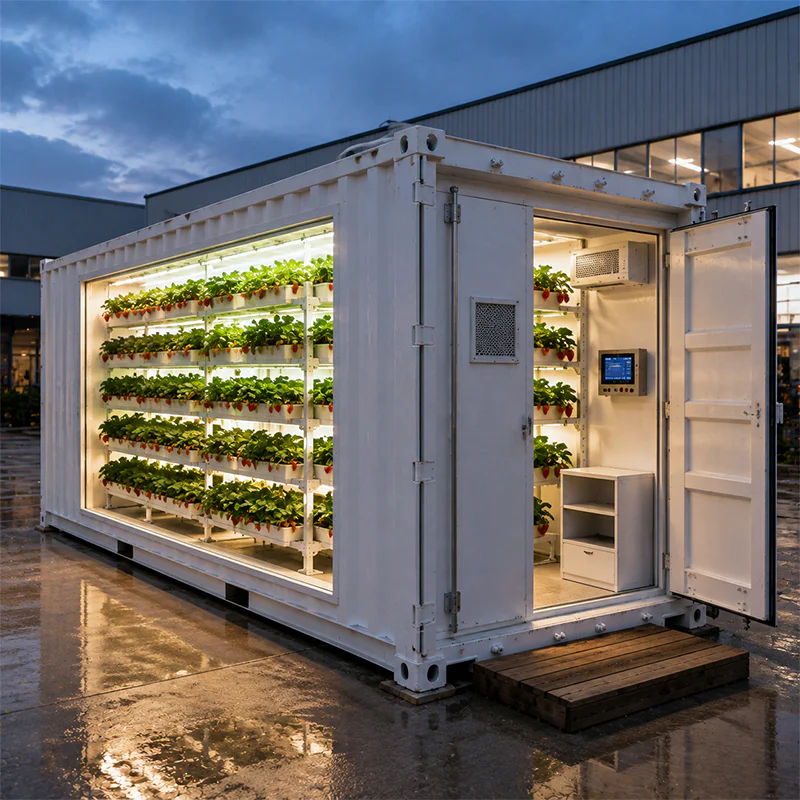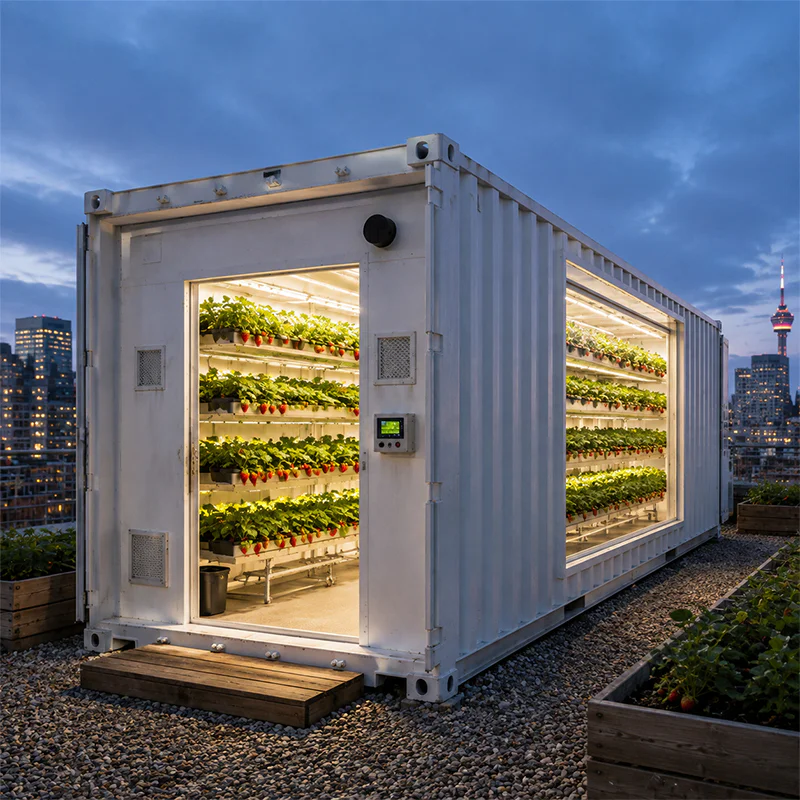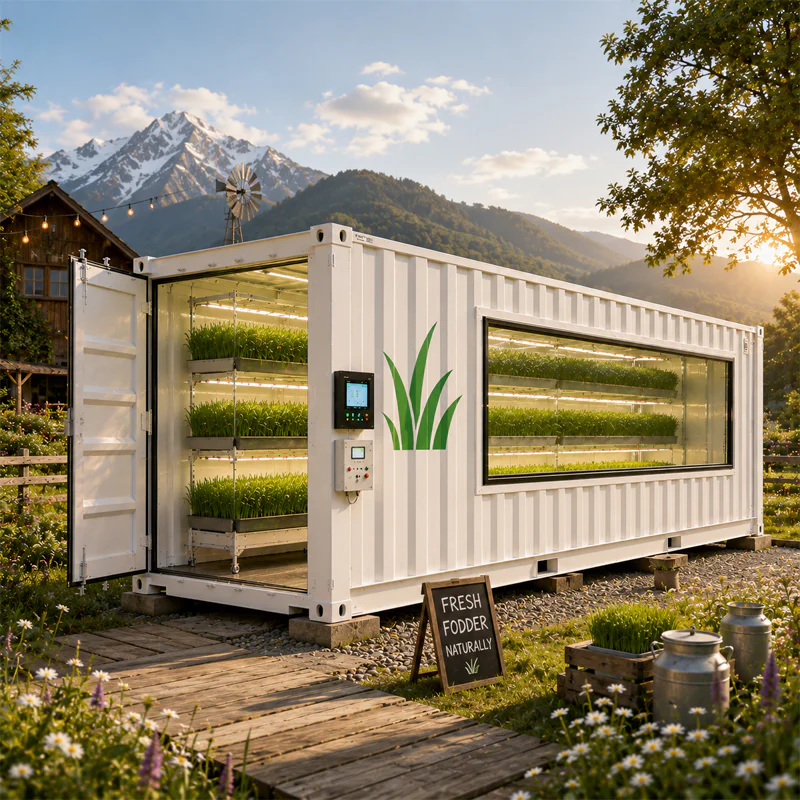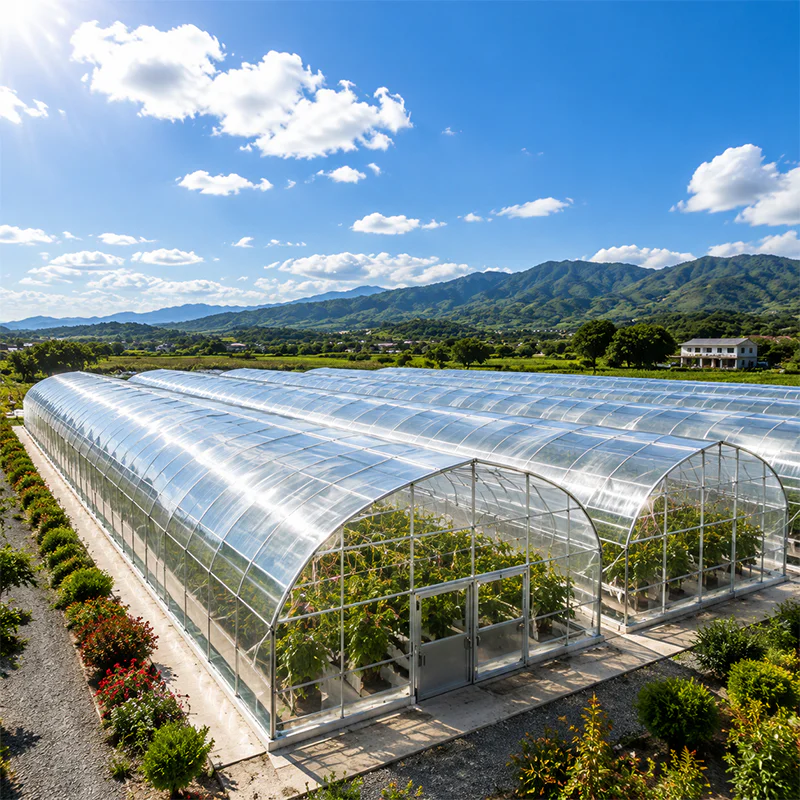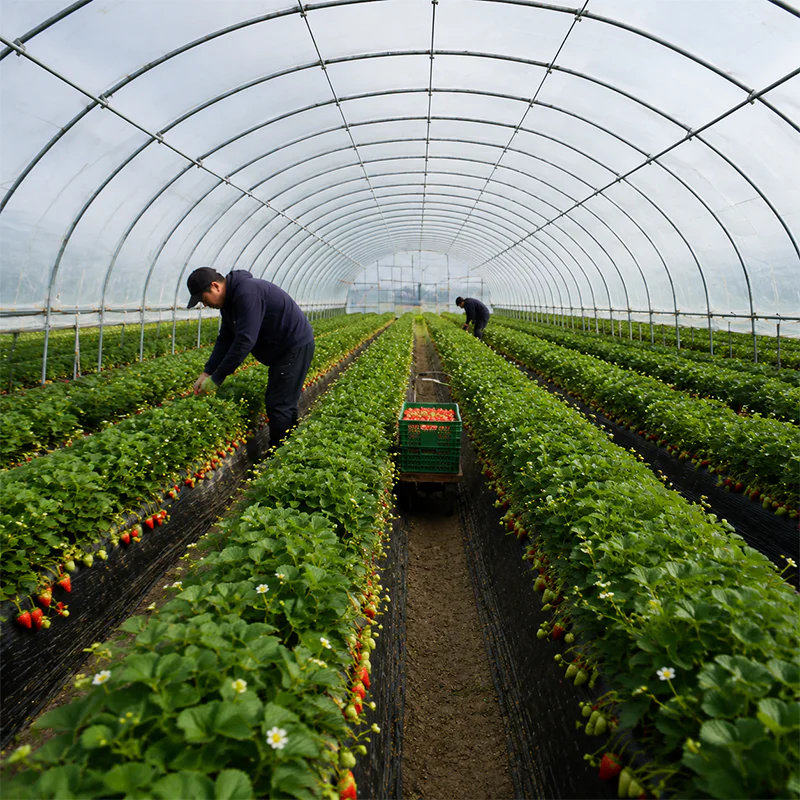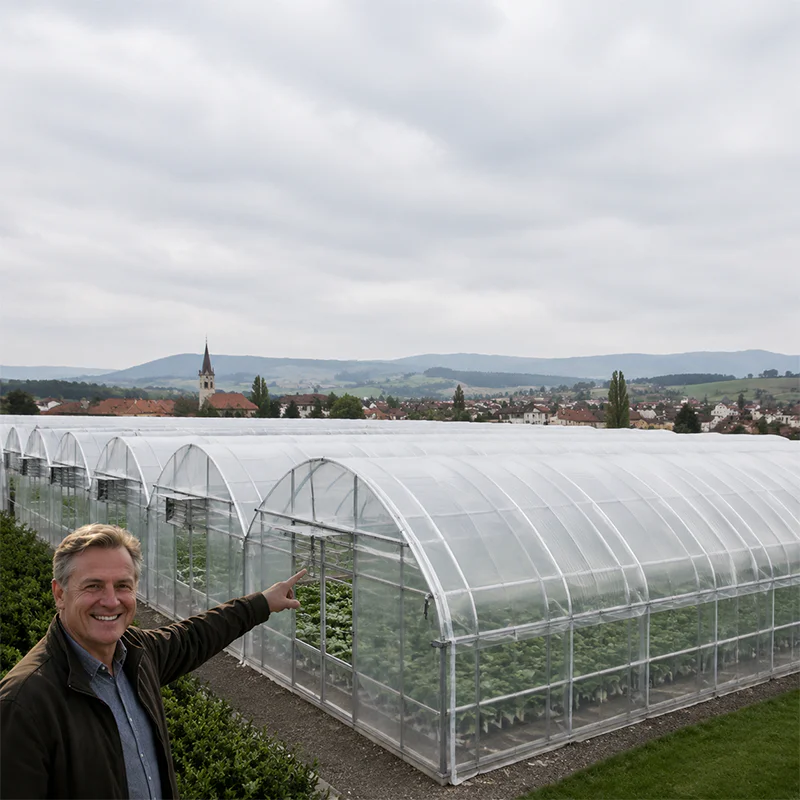






A modern greenhouse is no longer only a protected structure for crops. It is a controlled growing environment that combines greenhouse structure, climate control, irrigation, automation, sensors, and data-based management. For commercial growers, the goal is clear: create stable growing conditions, reduce manual operation, improve crop quality, and support more predictable production. This article follows the supplied H structure for the modern greenhouse topic.
Modern greenhouse technology can be used for vegetables, flowers, strawberries, seedlings, hydroponic crops, and other commercial growing projects. However, technology should not be added blindly. The right system depends on crop type, local climate, greenhouse size, production goals, budget, and the grower’s ability to manage equipment.
What Is a Modern Greenhouse?
A modern greenhouse is a greenhouse designed with controlled-environment technology. It uses structure, covering materials, ventilation, cooling, heating, irrigation, fertigation, shading, sensors, and automation to create better growing conditions.
How a Modern Greenhouse Differs from a Traditional Greenhouse
A traditional greenhouse usually focuses on basic crop protection. It may use simple film covering, manual vents, and basic irrigation.
A modern greenhouse focuses more on environmental control. It can monitor temperature, humidity, light, water, nutrients, and equipment status. It can also use automatic systems to reduce manual work.
Why Technology Is Becoming Important in Greenhouse Farming
Growers face more pressure from climate changes, labor shortages, land limits, and market demand for stable crop quality. Modern greenhouse technology helps growers manage these risks.
For example, automatic ventilation can reduce heat stress. Fertigation systems can improve nutrient control. Sensors can help growers respond faster to crop and climate changes.
Key Goals of Modern Greenhouse Technology
The main goals are stable production, better crop quality, lower labor pressure, efficient resource use, and safer daily operation.
A good modern greenhouse should support the crop first. Technology should serve the growing plan, not make the project more complex without clear value.

Why Modern Greenhouse Technology Matters for Growers
Modern greenhouse technology matters because it helps growers move from passive crop protection to active crop management.
Improving Crop Stability in Changing Climate Conditions
Outdoor climate can change quickly. Heat, cold, wind, rain, and humidity can affect crop growth.
A modern greenhouse uses ventilation, cooling, heating, shading, and sensors to reduce climate shocks. This helps create more stable crop conditions.
Reducing Labor Pressure Through Automation
Labor is a major cost in greenhouse farming. Automation can reduce repetitive work such as opening vents, starting fans, irrigating crops, and adjusting shading screens.
This does not remove the need for skilled growers. It helps workers focus on crop inspection, harvesting, maintenance, and management.
Supporting Year-Round Production
A modern greenhouse can extend the growing season. In some regions, it can support year-round production when heating, cooling, and light control are planned correctly.
This is useful for commercial farms that supply supermarkets, restaurants, local markets, and distributors.
Improving Resource Use for Water, Energy and Fertilizer
Irrigation and fertigation systems can deliver water and nutrients more accurately. Sensors and controllers can reduce waste caused by overwatering or poor timing.
Energy use also needs careful planning. Cooling, heating, and lighting should match local climate and crop value.
Helping Commercial Farms Make Better Decisions with Data
Smart systems collect data from sensors, weather stations, irrigation systems, and control cabinets. This data helps growers understand crop conditions and equipment performance.
Good data does not replace experience. It helps growers make more consistent decisions.
Core Systems in a Modern Greenhouse
A modern greenhouse usually includes several connected systems. Each system should work with the others.
Greenhouse Structure and Covering Materials
The greenhouse structure supports the whole project. Common materials include hot-dip galvanized steel frames and coverings such as PE film, PO film, polycarbonate sheets, or glass.
The structure should match local wind load, snow load, crop type, and system weight.
Climate Control System
Climate control systems manage temperature, humidity, airflow, and sometimes CO2. They may control fans, vents, cooling pads, heaters, screens, and alarms.
Ventilation and Cooling System
Greenhouse ventilation removes heat and humidity. Cooling systems may include exhaust fans, cooling pads, roof vents, side vents, and shading systems.
A large greenhouse needs airflow planning. Poor airflow can create hot zones and disease pressure.
Heating and Insulation System
Heating is important in cold regions and winter production. Heating options may include hot water pipes, air heaters, boilers, or heating fans.
Insulation can include double film, thermal screens, or polycarbonate covering.
Irrigation and Fertigation System
Irrigation delivers water. Fertigation delivers nutrients through irrigation water.
A modern system may include water tanks, pumps, filters, fertilizer injectors, main pipes, branch pipes, and drip lines.
Shading and Light Control System
Shading systems reduce heat and control light intensity. Internal shading, external shading, and blackout curtains can be used for different crops.
Light control is important for flowers, leafy vegetables, seedlings, and light-sensitive crops.
Smart Sensors and Control Cabinets
Sensors measure temperature, humidity, light, EC, pH, soil moisture, or substrate moisture. Control cabinets connect these sensors with equipment.
This allows the greenhouse to respond to conditions more quickly.
Climate Control in a Modern Greenhouse
Climate control is one of the most important parts of modern greenhouse planning.
Temperature Control for Different Crops
Different crops need different temperature ranges. Tomatoes, cucumbers, leafy greens, strawberries, and flowers do not have the same requirements.
Temperature control should be planned according to crop type, season, and local climate.
Humidity Control and Disease Prevention
High humidity can increase disease risk. Low humidity can stress plants.
Ventilation, heating, airflow, and irrigation timing can all affect humidity. A good control plan helps protect crop health.
CO2 Management for Crop Growth
CO2 can support photosynthesis when light, temperature, and nutrients are suitable. Some advanced greenhouses use CO2 management for high-value production.
However, CO2 systems should be planned with safety and cost in mind.
Light Control and Crop Quality
Light affects growth speed, plant shape, flowering, and crop quality. Modern greenhouses may use shading, supplemental lighting, or blackout systems.
Light control should be based on crop needs, not only greenhouse appearance.
Airflow Planning and Greenhouse Ventilation
Airflow affects temperature, humidity, and disease control. Roof vents, side vents, fans, and circulation fans should work together.
For long or wide greenhouses, airflow design becomes more important.
Why Climate Control Should Match Local Weather Conditions
A system that works in a dry region may not work in a humid region. A cold region may need stronger insulation and heating.
Local weather data should guide climate control design.
Greenhouse Automation Systems
Greenhouse automation helps equipment operate at the right time.
Automatic Roof and Side Vent Control
Automatic vents can open or close based on temperature, humidity, wind, or rain. This reduces manual work and improves response speed.
Automatic Shading and Thermal Screen Systems
Shading screens can open during low light and close during strong sunlight. Thermal screens can help reduce heat loss at night.
Automatic Irrigation and Fertigation
Automatic irrigation systems can water crops by time, moisture level, or crop stage. Fertigation systems can supply nutrients more accurately.
Fan and Cooling Pad Automation
Fans and cooling pads can start when temperature rises. Automation helps keep conditions more stable during hot periods.
Heating System Automation
Heating systems can be controlled by temperature settings. This helps protect crops during cold nights and winter production.
Alarm Systems for Abnormal Conditions
Alarm systems can notify growers about high temperature, low water level, pump failure, power issues, or sensor problems.
This is important for commercial farms where equipment failure can cause crop losses.
Smart Farming Systems Used in Modern Greenhouses
Smart farming systems help growers monitor and manage greenhouse operations.
Environmental Sensors for Temperature, Humidity and Light
These sensors provide basic climate data. They help growers understand daily changes and system performance.
EC and pH Monitoring for Irrigation Water
EC and pH are important for nutrient management. Monitoring helps reduce nutrient imbalance and crop stress.
Soil Moisture and Substrate Sensors
For soil crops or substrate crops, moisture sensors help guide irrigation timing. This can reduce overwatering and root problems.
Weather Stations for Outdoor Climate Data
Outdoor weather stations can track wind, rain, temperature, humidity, and light. This data helps the system adjust vents, screens, and irrigation.
IoT Remote Monitoring and Mobile App Control
IoT systems allow growers to check greenhouse data on a phone or computer. This is useful for large farms and overseas projects.
Data Collection for Crop and System Management
Collected data can help growers compare seasons, adjust strategies, and detect equipment problems earlier.

Modern Greenhouse Irrigation and Fertigation Technology
Water and nutrients must be planned together with the greenhouse layout.
Drip Irrigation Systems for Commercial Crops
Drip irrigation is widely used for tomatoes, cucumbers, peppers, strawberries, flowers, and nursery crops. It delivers water near the root zone.
Fertigation Systems for Accurate Nutrient Supply
Fertigation systems mix fertilizer into irrigation water. They help growers manage nutrients based on crop stage and production goals.
Water Filtration and Pumping Systems
Filters protect pipes, emitters, and pumps. Pumps should match the greenhouse area, system pressure, and water demand.
Nutrient Tank and Mixing System Design
Nutrient tanks should be sized according to crop area and irrigation schedule. Mixing systems should allow stable nutrient delivery.
Water Recycling and Drainage Management
Some projects recycle drainage water after treatment. This can reduce waste, but it requires good water quality management.
Irrigation Technology for Hydroponic Greenhouses
Hydroponic greenhouses need nutrient tanks, pumps, return pipes, channels, and monitoring systems. The layout should allow easy maintenance.
Hydroponic Technology in Modern Greenhouse Farming
Hydroponics is often used in modern greenhouse projects because it supports controlled crop production.
NFT Systems for Leafy Greens and Herbs
NFT systems use channels with a thin nutrient solution flow. They are often used for lettuce, basil, herbs, and small leafy crops.
Dutch Bucket Systems for Tomatoes and Cucumbers
Dutch bucket systems provide more root space for fruiting crops. They are commonly used with drip irrigation.
DWC and Raft Systems for Leafy Vegetable Production
DWC and raft systems keep roots in nutrient solution. They can be used for leafy vegetables when aeration and water quality are controlled.
Hydroponic Towers and Vertical Growing Systems
Hydroponic towers use vertical space. They are suitable for limited land, urban farms, restaurants, and demonstration projects.
How Hydroponics Works with Greenhouse Automation
Automation can control irrigation timing, nutrient supply, EC, pH, and alarms. This helps hydroponic crops grow under more stable conditions.
Maintenance Space for Hydroponic Equipment
Hydroponic systems need space for cleaning, root inspection, pump repair, and tank management. This should be included in the layout.
Modern Greenhouse Technology for Different Crops
Different crops need different systems.
Modern Greenhouse for Tomatoes and Cucumbers
Tomatoes and cucumbers need height, trellis support, airflow, irrigation control, and pruning access. A multi-span greenhouse is often suitable.
Modern Greenhouse for Leafy Vegetables
Leafy vegetables can use NFT, DWC, vertical racks, or soil beds. They need good water quality, airflow, and planting density planning.
Modern Greenhouse for Strawberries
Strawberries may use gutters, towers, troughs, or benches. Picking access, humidity control, and light distribution are important.
Modern Greenhouse for Flowers and Nursery Plants
Flowers and nursery plants need benches, pot movement space, irrigation control, and uniform light.
Modern Greenhouse for Hydroponic Crop Production
Hydroponic crops need system planning before greenhouse construction. Tanks, pumps, pipes, and access paths must be reserved.
Modern Greenhouse for Light-Sensitive Crops
Light-sensitive crops may need blackout systems, strong climate control, and careful timing.
Benefits of Using Modern Greenhouse Technology
Modern greenhouse systems can improve farm management when used correctly.
More Stable Growing Conditions
Climate control reduces the impact of outdoor weather. This helps crops grow under more consistent conditions.
Better Crop Quality and Uniformity
Stable irrigation, light, temperature, and nutrients can improve crop uniformity. This is important for commercial buyers.
Lower Dependence on Manual Operation
Automation reduces repeated manual tasks. It also improves response speed during weather changes.
More Efficient Water and Fertilizer Use
Drip irrigation, fertigation, and sensors can help reduce waste and improve resource control.
Easier Farm Monitoring and Management
Remote monitoring helps managers check greenhouse conditions without being on site all the time.
Better Planning for Commercial Production
Data and automation support production scheduling, harvest planning, and crop management.
Challenges and Risks of Modern Greenhouse Technology
Technology also brings challenges.
Higher Initial Investment
Modern systems cost more than simple manual systems. Growers should compare investment with crop value and production goals.
Need for Technical Operation and Training
Workers need training to use control systems, sensors, pumps, and alarms. Without training, automation may not bring full value.
Equipment Maintenance Requirements
Fans, pumps, sensors, motors, and controllers need regular maintenance. Maintenance access should be planned early.
Power Supply and Backup System Planning
Modern greenhouse systems rely on power. Backup plans are important for pumps, fans, climate control, and alarms.
Risk of Over-Automation for Small Projects
Small projects may not need full automation. A semi-automatic system may be more practical and easier to manage.
Why Technology Should Match Real Project Needs
The best modern greenhouse is not the one with the most equipment. It is the one that matches crops, climate, budget, and operation ability.
How to Choose the Right Modern Greenhouse Technology
Choosing the right technology requires a clear process.
Start with Crop Type and Production Goal
Crop type should guide structure, height, irrigation, shading, and automation. Production goals should guide system scale.
Evaluate Local Climate Conditions
Local temperature, humidity, sunlight, wind, rain, and snow conditions should guide system selection.
Choose Systems Based on Greenhouse Size
A small greenhouse may need simple controls. A large commercial greenhouse may need integrated climate control and automation.
Compare Manual, Semi-Automatic and Fully Automatic Options
Manual systems cost less but need more labor. Semi-automatic systems balance cost and control. Fully automatic systems suit larger or high-value projects.
Plan Budget and Long-Term Operating Cost
Budget should include structure, equipment, installation, training, energy, maintenance, and future upgrades.
Leave Space for Future System Upgrades
Growers may add automation later. The layout should reserve space for control cabinets, wiring, tanks, and pipes.

Modern Greenhouse Design for Commercial Projects
Commercial projects require more planning than hobby structures.
Greenhouse Layout and Internal Working Space
A good layout includes crop zones, walkways, working areas, equipment zones, and maintenance paths.
Equipment Room and Control Area Planning
Control cabinets, fertilizer systems, pumps, and electrical panels should be placed in safe and accessible areas.
Ventilation, Cooling and Heating Layout
Fans, cooling pads, roof vents, side vents, and heaters should be planned with airflow in mind.
Irrigation and Fertigation Room Design
The fertigation area should include tanks, filters, pumps, fertilizer injectors, and space for maintenance.
Walkways, Crop Zones and Harvesting Routes
Workers need clear paths for planting, pruning, harvesting, and crop transport.
Expansion Planning for Large Farms
Large farms should plan roads, drainage, water, power, and future greenhouse units from the beginning.
Common Mistakes When Building a Modern Greenhouse
Avoiding common mistakes can reduce future cost.
Choosing Technology Before Confirming Crops
Do not choose systems before confirming crops. Crop needs should guide technology.
Ignoring Local Climate Data
Climate data affects ventilation, cooling, heating, covering material, and structure strength.
Underestimating Ventilation and Cooling Needs
Poor cooling can cause heat stress and uneven crop growth. Ventilation should be planned early.
Forgetting Maintenance Access
Equipment needs inspection and repair. Lack of access can increase downtime.
Buying Automation Systems Without Training
Automation requires trained operators. Training should be included in project planning.
Comparing Only Initial Price Instead of Long-Term Value
The cheapest system may not be the best choice. Long-term value depends on crop performance, labor, energy, and maintenance.
How Aurlant Supports Modern Greenhouse Projects
Aurlant provides greenhouse solutions for commercial growers, hydroponic farms, and controlled-environment agriculture projects.
Modern Greenhouse Design Based on Crop and Climate
Aurlant can recommend greenhouse structures and systems based on crop type, local climate, land conditions, and production goals.
Climate Control, Irrigation and Automation Integration
Aurlant supports integrated planning for ventilation, cooling, heating, shading, irrigation, fertigation, and automation systems.
Hydroponic Systems for Modern Greenhouse Farming
Aurlant provides NFT systems, Dutch bucket systems, hydroponic towers, growing racks, and container farming solutions.
Smart Control Cabinet and IoT Monitoring Options
Smart control cabinets and IoT monitoring can help growers manage greenhouse data and equipment.
Layout and Quotation Support for Overseas Projects
Aurlant can provide layout suggestions, system configuration, and quotation support for overseas greenhouse projects.
Turnkey Greenhouse Solutions for Commercial Growers
Aurlant can support structure design, optional systems, hydroponics, installation guidance, and after-sales technical support.
FAQ About Modern Greenhouse Technology
What is a modern greenhouse?
A modern greenhouse is a controlled growing structure that uses climate control, irrigation, automation, sensors, and smart systems to improve crop management.
What technology is used in a modern greenhouse?
Common technologies include ventilation, cooling, heating, shading, irrigation, fertigation, sensors, control cabinets, automation, and IoT monitoring.
Is a modern greenhouse suitable for commercial farming?
Yes. A modern greenhouse is suitable for commercial farming when the design matches crop type, local climate, labor capacity, and production goals.
How does climate control work in a modern greenhouse?
Climate control uses sensors and equipment to manage temperature, humidity, airflow, light, and sometimes CO2. It can control fans, vents, heaters, screens, and cooling pads.
Can modern greenhouses use hydroponic systems?
Yes. Modern greenhouses can use NFT, DWC, Dutch bucket, hydroponic tower, and rack systems. The greenhouse layout should include tanks, pumps, pipes, and maintenance access.
Is greenhouse automation worth the investment?
Greenhouse automation can be worth the investment for commercial farms, high-value crops, and projects with labor or climate management challenges. Small projects may use semi-automatic systems first.
How do I choose the right modern greenhouse system?
Start with crop type, climate, greenhouse size, production goal, labor capacity, and budget. Then choose structure, systems, and automation level based on real project needs.
Conclusion: How Modern Greenhouse Technology Supports Smarter Farming
Technology Should Serve Crop Needs First
A modern greenhouse should be designed around crops, not only equipment. Crop needs should guide climate, irrigation, layout, and automation.
Climate Control and Automation Improve Management
Climate control and automation can improve consistency and reduce manual work. They also help growers respond faster to changing conditions.
Smart Systems Help Growers Build Long-Term Value
Sensors, IoT monitoring, and data collection help commercial growers manage production with better information.
A Practical Modern Greenhouse Starts with Good Planning
A practical modern greenhouse begins with crop planning, climate review, structure selection, system design, and budget control. With the right planning, modern greenhouse technology can support stable production and long-term agricultural value.