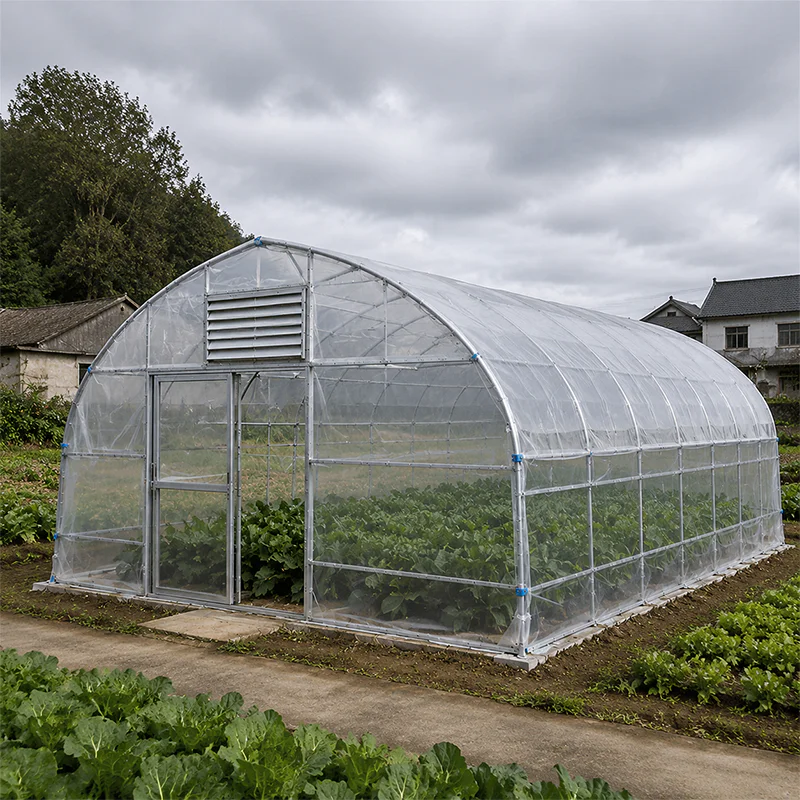





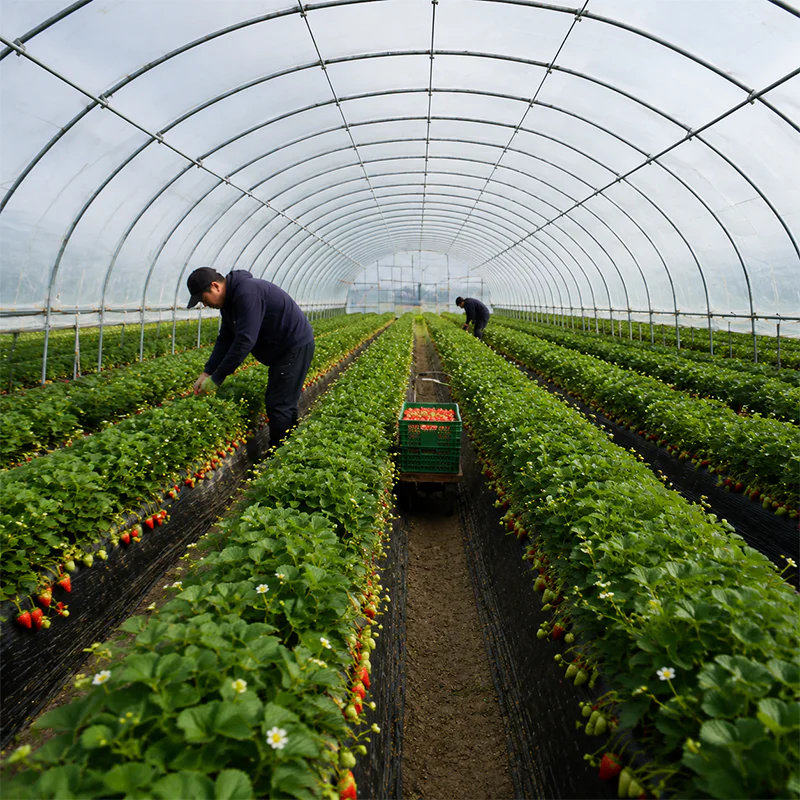
Modern agriculture is moving toward more precise and efficient production methods.
Traditional greenhouse management often depends heavily on manual observation and adjustment. Growers need to check temperature, humidity, irrigation, and crop conditions regularly.
As commercial farming expands, manual management becomes more difficult.
Smart greenhouse automation systems provide a solution by combining sensors, controllers, software, and agricultural equipment into one integrated management system.
These technologies help growers monitor environmental conditions, optimize resource use, and improve production stability.
For commercial farms, automation is not only about reducing labor requirements. It is also about creating a more predictable growing environment.

What Is a Smart Greenhouse Automation System?
A smart greenhouse automation system is a technology-based management solution that controls greenhouse conditions through sensors, equipment, and intelligent control platforms.
The system can monitor and adjust factors such as:
- Temperature
- Humidity
- Light conditions
- Irrigation
- Ventilation
- Nutrient supply
Instead of relying only on manual operation, growers can use real-time data to make better production decisions.
A complete system may include:
- Environmental sensors
- Control panels
- Motorized equipment
- Irrigation controllers
- Monitoring software
Why Commercial Farms Need Greenhouse Automation
Commercial agriculture requires consistent production quality.
As farm size increases, manual management creates several challenges:
- Higher labor requirements
- Slower response to environmental changes
- Increased management complexity
- Difficulty maintaining stable conditions
Automation helps solve these problems by providing continuous monitoring and faster adjustments.
For large farms, even small improvements in environmental control can influence overall production efficiency.
Main Components of Greenhouse Automation Systems
A modern greenhouse automation system usually includes several key components.
Environmental Monitoring Sensors
Sensors are the foundation of smart greenhouse management.
Common sensors include:
- Temperature sensors
- Humidity sensors
- Light sensors
- CO₂ sensors
- Soil or nutrient monitoring sensors
These devices collect environmental data and provide information for decision-making.
Climate Control Systems
Climate control is one of the most important automation functions.
The system can manage:
- Ventilation
- Cooling
- Heating
- Shading
- Humidity control
A professional automated greenhouse climate control system for commercial farming allows growers to maintain more stable conditions throughout the growing cycle.
Automated Irrigation and Fertigation
Water and nutrients directly affect crop performance.
Automated irrigation systems can control:
- Water timing
- Irrigation quantity
- Fertilizer delivery
This helps reduce water waste and improves nutrient management.
For commercial farms, precise irrigation can improve resource efficiency and production consistency.
Smart Greenhouse Monitoring Platforms
Modern systems often include digital monitoring platforms.
These platforms allow growers to:
- View greenhouse conditions remotely
- Record production data
- Analyze environmental changes
- Adjust equipment settings
Remote monitoring is especially valuable for large farms where operators cannot manually check every area.
Benefits of Smart Greenhouse Automation Systems
Automation provides several advantages for modern farming.
Improved Environmental Stability
Plants require stable conditions for healthy growth.
Automation helps maintain:
- Suitable temperature
- Proper humidity
- Balanced airflow
- Consistent irrigation
This reduces environmental fluctuations that may affect crop performance.
Reduced Labor Requirements
Manual greenhouse management requires regular inspection.
Automation reduces repetitive tasks and allows workers to focus on higher-value activities.
However, automation does not completely replace skilled farm management.
Instead, it improves operational efficiency.
Better Resource Efficiency
Smart systems help optimize:
- Water consumption
- Energy use
- Fertilizer application
This is increasingly important as agricultural projects focus on sustainable production.
Data-Based Farming Decisions
One major advantage of automation is data collection.
Historical data helps growers understand:
- Crop responses
- Seasonal changes
- Production performance
These insights support better long-term farming decisions.
Smart Greenhouse Automation for Different Crops
Different crops have different environmental requirements.
Vegetable Production
Vegetables such as:
- Lettuce
- Tomatoes
- Cucumbers
- Peppers
can benefit from automated climate and irrigation management.
Stable conditions help improve crop consistency.
Flower Production
Flowers often require precise environmental control.
Automation can help manage:
- Temperature
- Light exposure
- Humidity
This supports better quality and production planning.
Hydroponic Farming
Hydroponic systems require accurate water and nutrient management.
Automation can control:
- EC levels
- pH values
- Water circulation
- Nutrient supply
Combining greenhouse automation with hydroponic technology can improve production efficiency.
Automation Challenges and Considerations
Although automation provides many benefits, growers should consider several factors.
Initial Investment
Automation systems increase the initial project cost.
The investment depends on:
- System complexity
- Number of sensors
- Equipment requirements
- Control level
Growers should evaluate long-term operational benefits rather than only initial expenses.
Technical Support Requirements
Smart systems require:
- Proper installation
- System maintenance
- Technical support
Choosing an experienced supplier is important for long-term operation.
Matching Automation Level With Farm Needs
Not every project requires the highest level of automation.
The suitable system depends on:
- Farm size
- Crop type
- Management ability
- Production goals
A practical automation level provides better value than unnecessary complexity.
Integration With Controlled Environment Agriculture
Smart automation is an important part of controlled environment agriculture.
Modern farming solutions may combine:
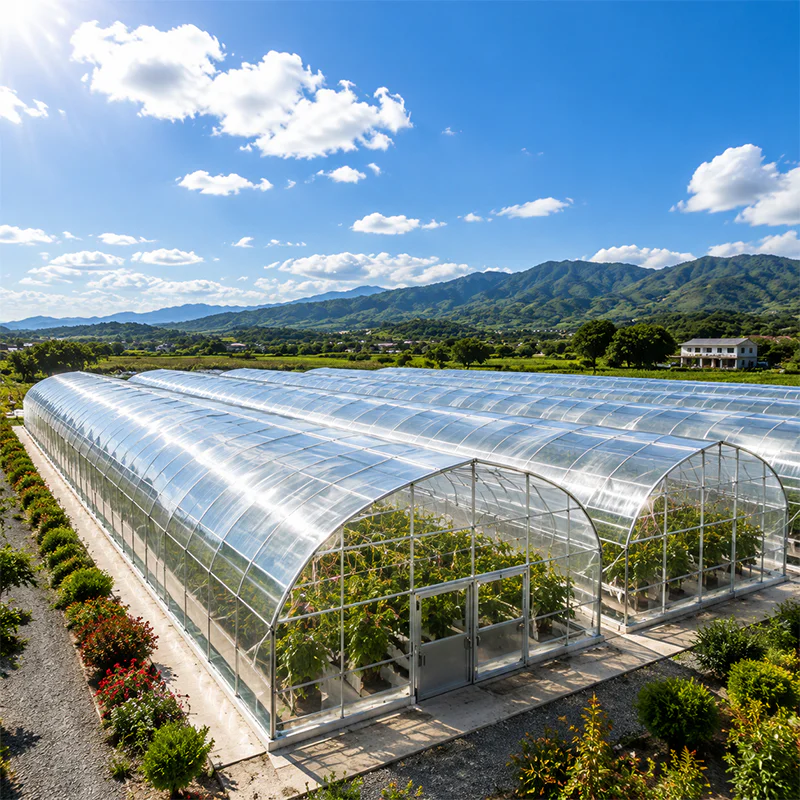
- Greenhouses
- Hydroponic systems
- Indoor farms
- Data management platforms
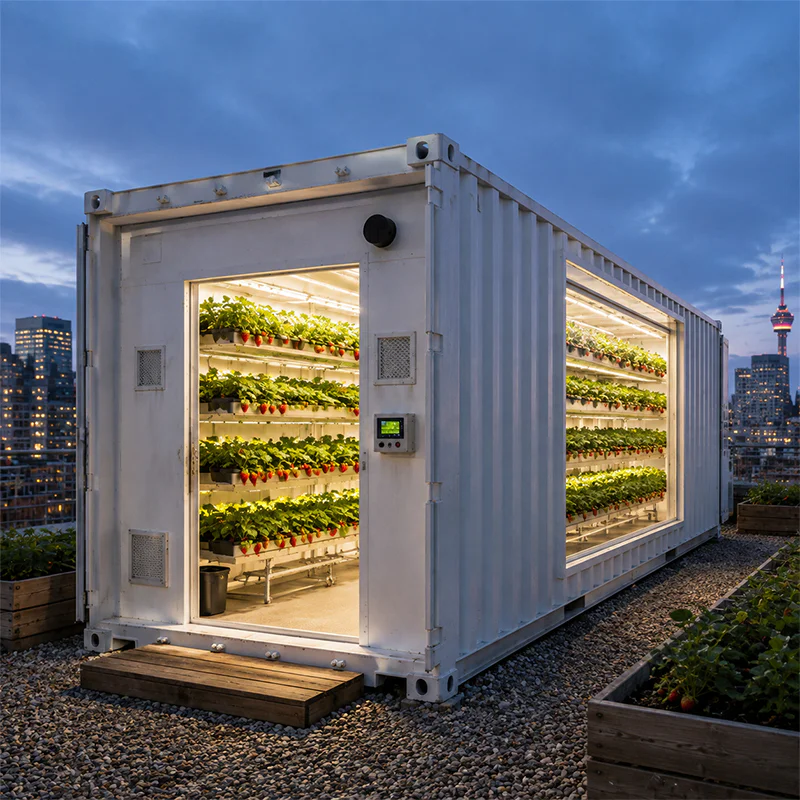
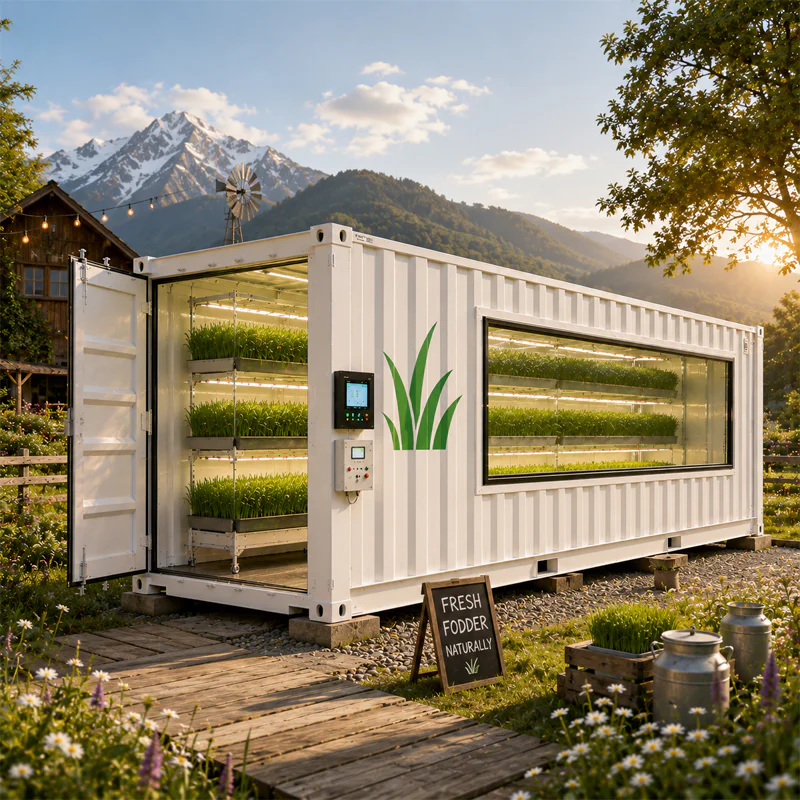
For locations with limited land or strict environmental requirements, growers may also consider an indoor container farm automation solution for year-round production.
These technologies provide alternative approaches for stable crop production.
How to Choose the Right Greenhouse Automation Solution
Before selecting an automation system, growers should evaluate:
- Crop requirements
- Local climate
- Greenhouse size
- Production goals
- Available budget
- Future expansion plans
A professional solution should balance technology, reliability, and practical operation.

Conclusion
Smart greenhouse automation systems are becoming increasingly important in modern agriculture.
By combining sensors, climate control, irrigation management, and data analysis, automation helps growers create more stable and efficient production environments.
However, successful implementation requires proper planning.
The best automation solution depends on crop requirements, greenhouse conditions, and business objectives.
For commercial farms, a well-designed automation system can support better resource management, improved productivity, and long-term agricultural development.
FAQ
What is a smart greenhouse automation system?
A smart greenhouse automation system uses sensors and control technologies to monitor and manage greenhouse conditions automatically.
What equipment is included in greenhouse automation?
Common equipment includes sensors, controllers, irrigation systems, ventilation controls, and monitoring platforms.
Can automation improve greenhouse production efficiency?
Yes. Automation can improve environmental stability, reduce labor requirements, and optimize resource use.
Is greenhouse automation suitable for small farms?
Yes. Small farms can use basic automation systems, while larger farms may require more advanced solutions.
How much does a smart greenhouse automation system cost?
The cost depends on greenhouse size, automation level, equipment type, and project requirements.