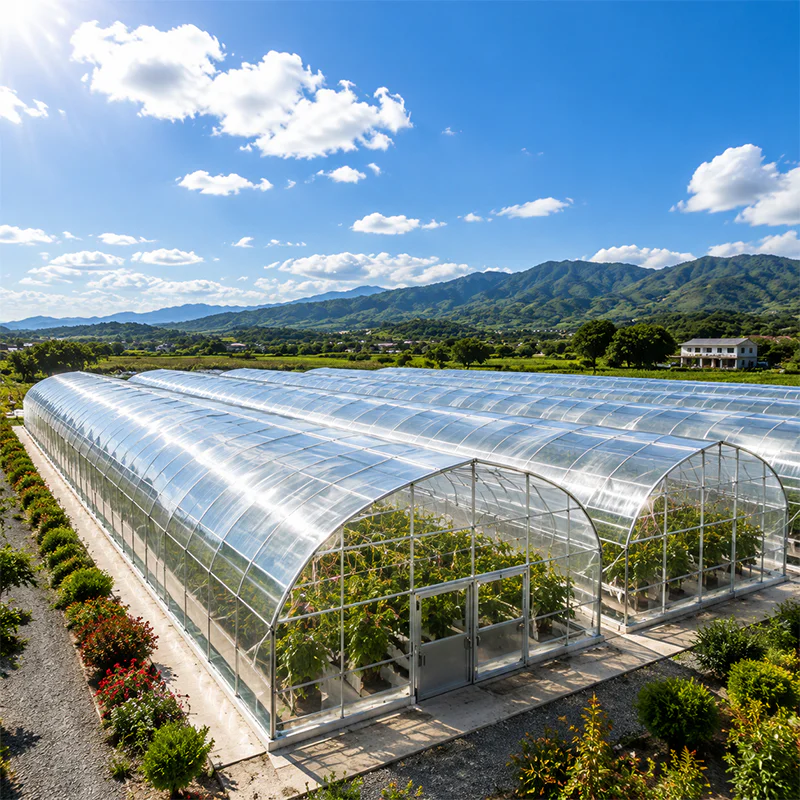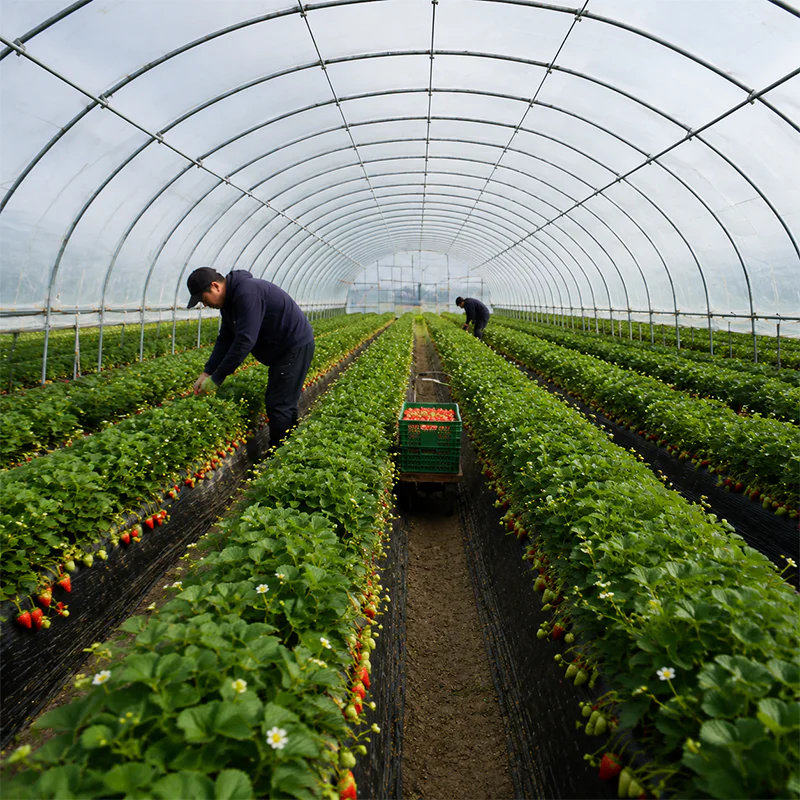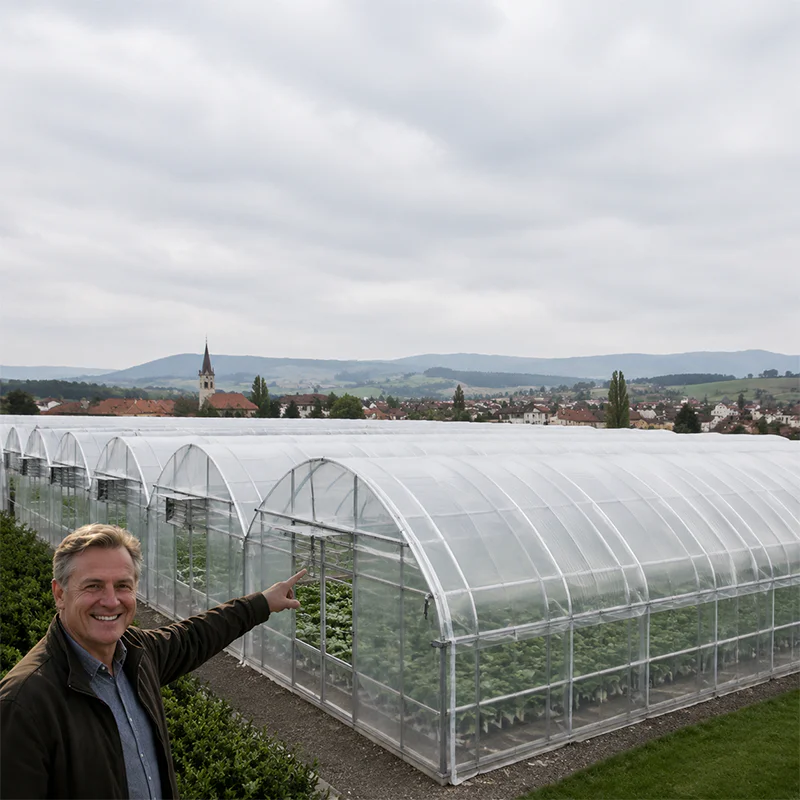






PU panel blackout greenhouses are advanced controlled environment agriculture systems designed for commercial growers who require stable production conditions and efficient resource management.
Compared with traditional film greenhouse structures, PU panel systems provide stronger insulation, improved environmental stability, and longer service life.
However, the investment decision for commercial agriculture should not be based only on initial construction cost.
A complete evaluation should include construction expenses, operating costs, energy consumption, production stability, and long-term return potential.
For investors and growers, understanding the relationship between investment input and operational value is essential before selecting a greenhouse system.

Understanding the Total Investment of a PU Panel Blackout Greenhouse
The total cost of a PU panel blackout greenhouse is determined by several project elements.
Major investment components usually include:
- Steel structural framework
- PU insulated panel enclosure
- Blackout curtain system
- Environmental control equipment
- Electrical and automation systems
- Engineering design and installation services
Unlike simple greenhouse structures, PU panel systems combine agricultural production with building-style environmental control technology.
Therefore, the final investment depends not only on greenhouse size but also on production objectives and climate requirements.
Main Factors That Influence PU Panel Blackout Greenhouse Cost
Greenhouse Scale and Production Capacity
Project size is one of the largest cost factors.
A larger greenhouse usually requires:
- More structural materials
- Higher climate control capacity
- Additional automation equipment
However, commercial projects can benefit from better production efficiency because fixed costs are distributed across larger cultivation areas.
The correct approach is to evaluate cost based on expected production capacity rather than only construction price.
Climate Requirements and Location Conditions
The local environment directly affects greenhouse investment.
Different regions may require different configurations:
Cold Climate Areas
Projects in colder regions may require stronger insulation and heating management.
PU panels can help reduce heat transfer and improve energy efficiency.
Hot Climate Areas
Warm regions often focus on:
- Cooling demand
- Ventilation management
- Internal temperature stability
A properly designed PU panel system can reduce excessive energy consumption caused by unstable environmental conditions.
Automation Level and Operating Cost Considerations
Automation equipment increases the initial investment but can improve long-term operational efficiency.
Common systems include:
- Temperature sensors
- Humidity monitoring
- Automatic blackout curtains
- Climate control systems
The economic value of automation comes from:
- Reduced labor requirements
- More accurate environmental management
- Lower operation errors
For commercial farms, operating efficiency is often more important than minimizing initial equipment cost.
Lifecycle Cost Analysis of PU Panel Blackout Greenhouses
A professional investment evaluation should consider the complete lifecycle cost.
Lifecycle cost includes:
- Initial construction investment
- Energy consumption
- Maintenance expenses
- Equipment replacement
- Labor requirements
Although PU panel blackout greenhouses generally require higher upfront investment, their insulation performance can create long-term savings.
Reduced energy demand and lower maintenance frequency may improve overall financial performance throughout the greenhouse lifespan.
How Energy Efficiency Improves ROI Performance
Energy efficiency is one of the most important factors affecting return on investment.
PU insulated panels help create a more stable internal environment by reducing heat exchange between inside and outside conditions.
Potential benefits include:
- Lower heating consumption
- Reduced cooling requirements
- Improved climate stability
- More predictable crop production
For commercial growers, energy savings can become a significant part of long-term profitability.
Payback Period Analysis for Commercial Projects
The payback period of a PU panel blackout greenhouse depends on multiple business factors.
Important factors include:
Crop Market Value
High-value crops usually provide stronger revenue potential because quality consistency has a greater economic impact.
Production Stability
A controlled environment can reduce risks caused by:
- Temperature fluctuations
- Light inconsistency
- Environmental stress
Stable production helps growers maintain predictable income.
Local Energy Prices
Regions with higher heating or cooling costs may benefit more from energy-efficient greenhouse structures.
Energy savings can significantly influence the investment recovery period.
Commercial Applications of PU Panel Blackout Greenhouses
PU panel blackout greenhouses are commonly used in controlled agriculture projects requiring precise environmental management.
Typical applications include:
- Premium vegetable production
- Medicinal plant cultivation
- Controlled flowering operations
- Research and breeding facilities
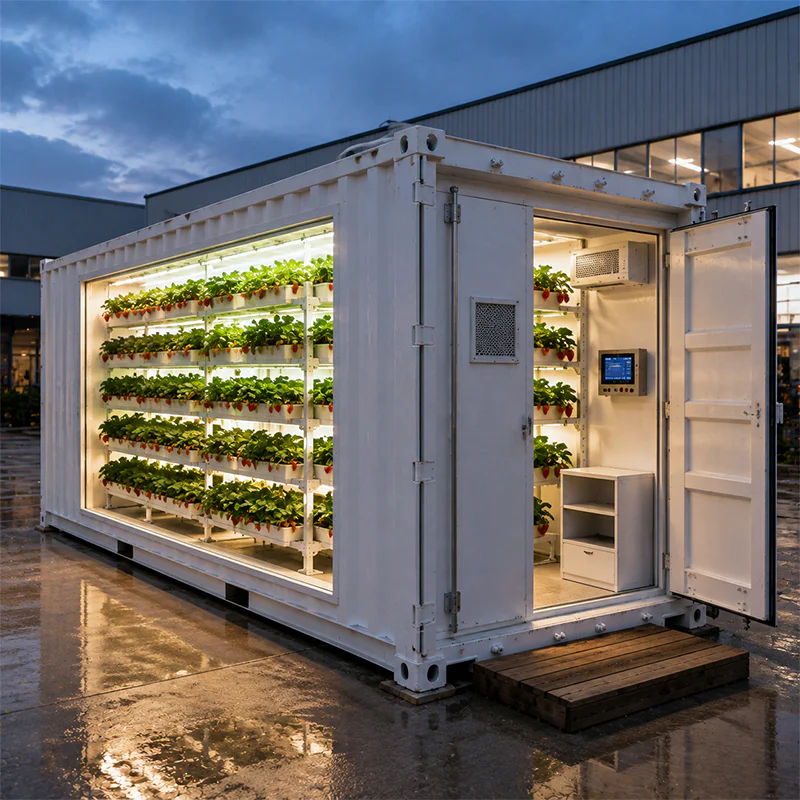
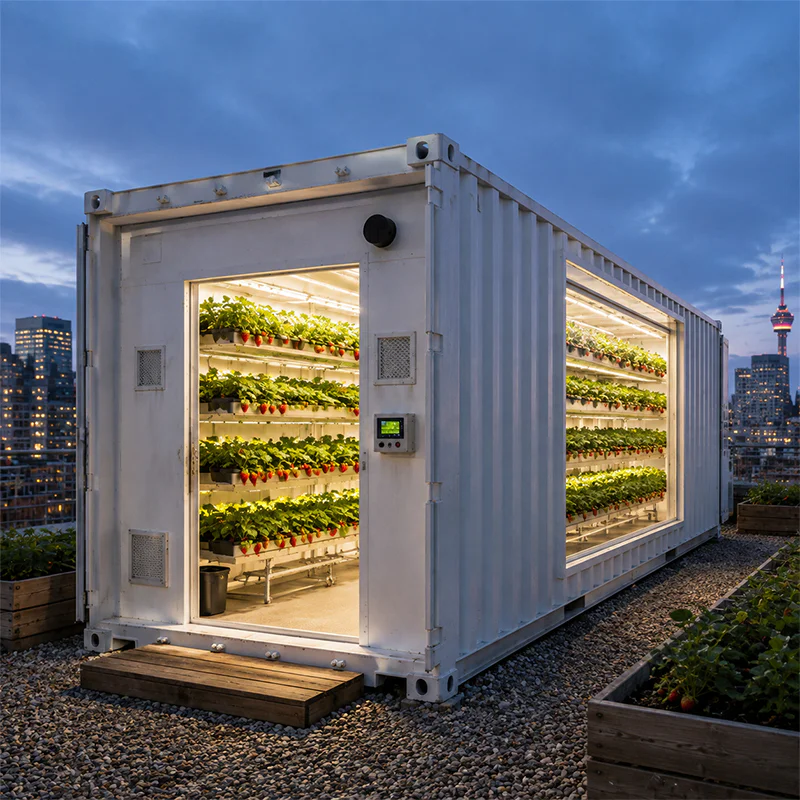
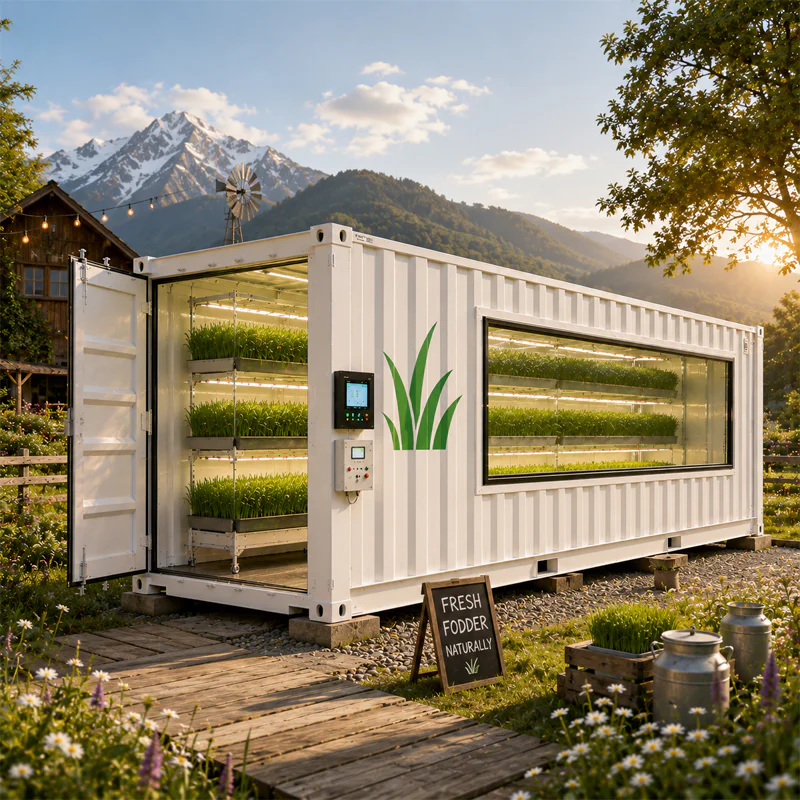
For projects requiring independent production environments, growers may also evaluate container farm systems for controlled agriculture production, especially when land availability or climate conditions create additional challenges.
Advantages and Limitations From an Investment Perspective
Advantages
PU panel blackout greenhouses provide:
- Strong insulation performance
- Stable production conditions
- Long operational lifespan
- Lower long-term energy consumption
- Compatibility with advanced automation
Limitations
Potential challenges include:
- Higher initial investment
- More complex engineering requirements
- Need for professional installation
- Higher technical management requirements
These factors should be evaluated based on project goals rather than considered as disadvantages in all situations.
How to Evaluate Whether PU Panel Investment Is Suitable
Before starting a project, growers should analyze:
- Crop profitability
- Local climate conditions
- Energy costs
- Production targets
- Expected investment recovery period
A PU panel blackout greenhouse is usually more suitable for commercial operations where production stability and long-term efficiency are priorities.

Conclusion
PU panel blackout greenhouses represent a long-term investment solution for modern controlled environment agriculture.
Although the initial cost is higher than traditional greenhouse structures, the combination of insulation performance, operational efficiency, and production stability can create significant long-term value.
For commercial growers, evaluating lifecycle cost and ROI provides a more accurate understanding of investment potential than focusing only on construction price.
With proper planning and system design, PU panel blackout greenhouses can support efficient, stable, and profitable agricultural production.
FAQ
What determines the cost of a PU panel blackout greenhouse?
The cost depends on greenhouse size, materials, automation level, climate requirements, and engineering complexity.
Why can PU panel blackout greenhouses provide better ROI?
They can improve long-term returns through energy efficiency, stable production conditions, and reduced operational costs.
How long does it take to recover the investment?
The payback period depends on crop value, production capacity, energy costs, and project management efficiency.
Are PU panel blackout greenhouses suitable for commercial farming?
Yes. They are commonly used for high-value crops and projects requiring precise environmental control.
Can PU panel blackout greenhouses be integrated with other farming systems?
Yes. They can work together with automation, irrigation, and controlled cultivation solutions.