






As modern agriculture continues to evolve, production projects are under pressure to achieve higher efficiency, stable output, and sustainable use of resources. Climate uncertainty, rising operational costs, and increasing demand for fresh produce have accelerated the adoption of protected cultivation systems. Among these systems, the একক স্প্যান ফিল্ম টানেল গ্রীনহাউস stands out as a practical and profitable solution for crop production across different regions and scales.
With its simple structure, controlled environment, and relatively low investment requirement, this greenhouse type has become a key option for growers, agricultural operators, and commercial planting projects seeking long-term productivity and predictable returns.
What Is a Single Span Film Tunnel Greenhouse?
- Definition and Basic Structure
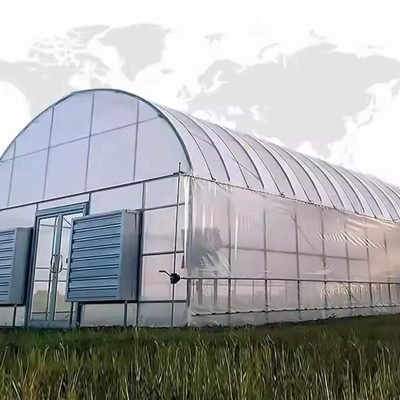
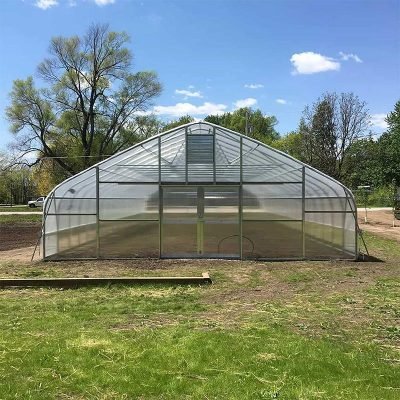
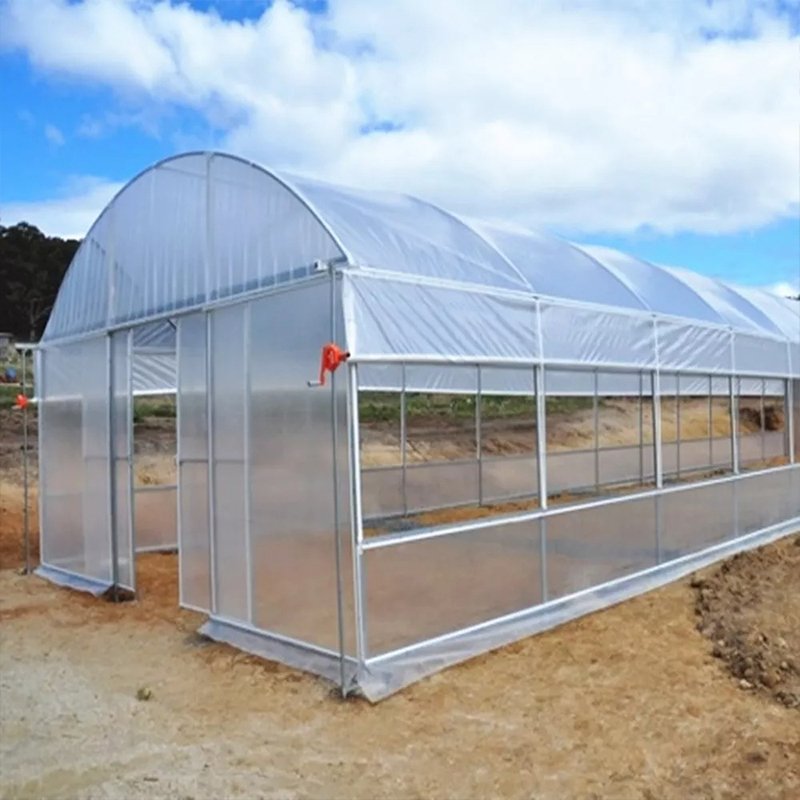
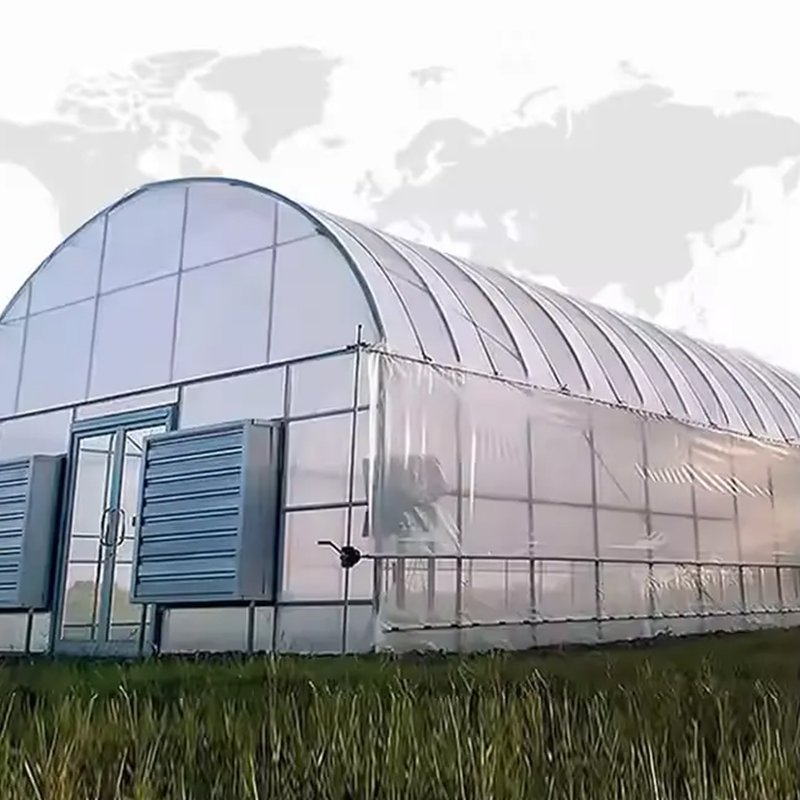
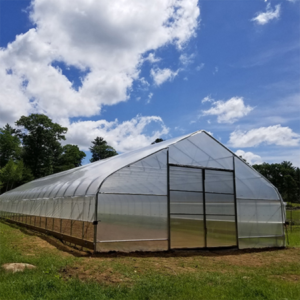
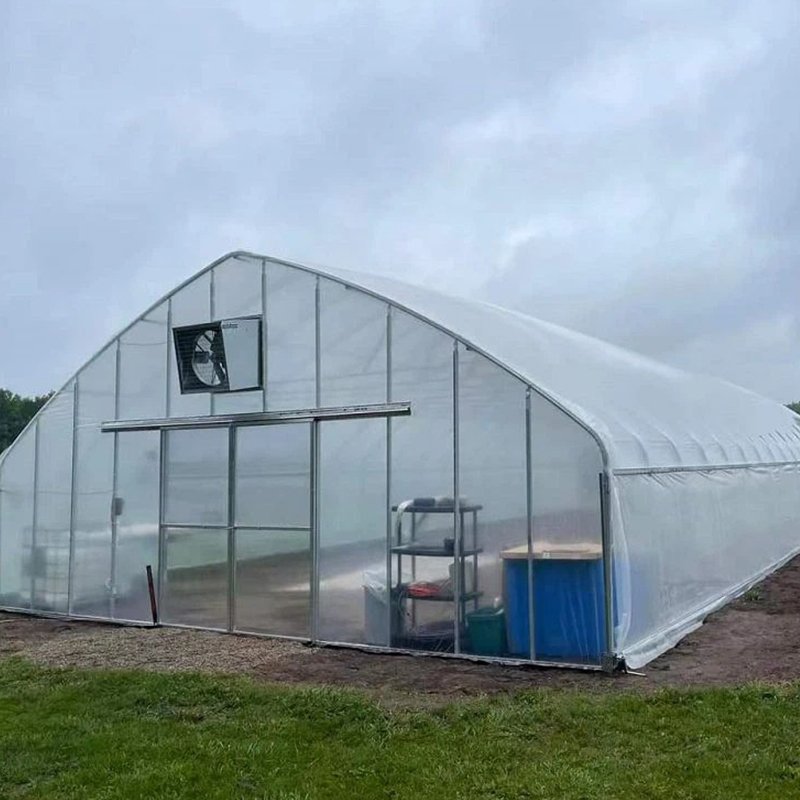
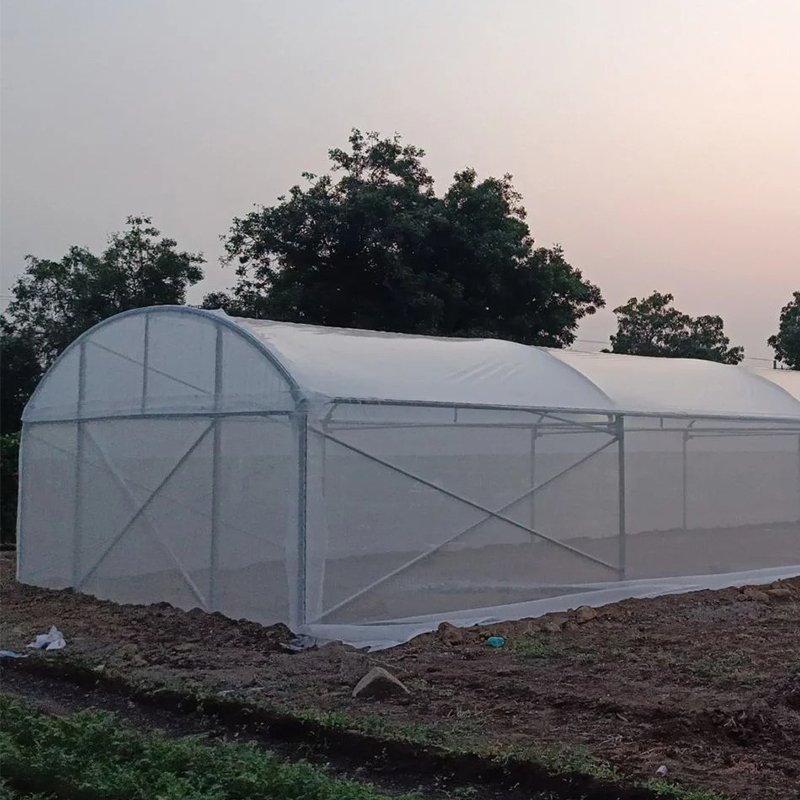
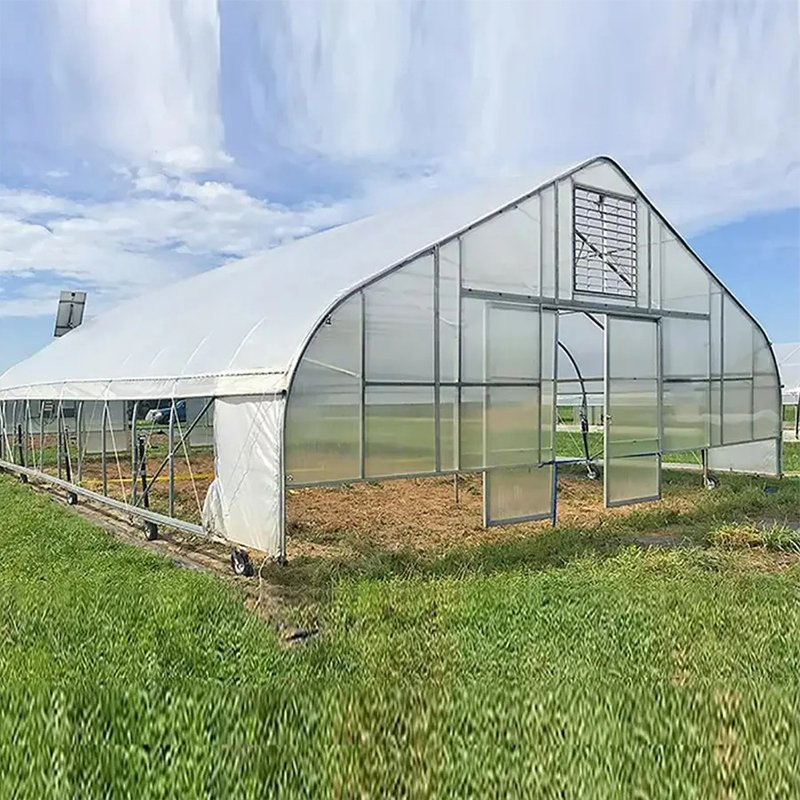
A Single Span Film Tunnel Greenhouse is a standalone greenhouse structure formed by a single arched or tunnel-shaped frame covered with plastic film. Unlike multi-span greenhouses that connect several bays into one structure, a single-span system operates independently. This design allows greater flexibility in layout planning, installation, and phased expansion.
The basic structure typically includes galvanized steel pipes, anchoring systems, film covering, and optional ventilation openings. The curved tunnel design helps reduce wind resistance and supports natural water runoff, making it suitable for open-field installation and long-term outdoor use.
This type of greenhouse is widely applied in agricultural production because it provides environmental protection without the complexity or cost of fully automated greenhouse facilities.
- How a Single Span Film Tunnel Greenhouse Works
The operating principle of a Single Span Film Tunnel Greenhouse relies on the greenhouse effect. Sunlight passes through the plastic film and warms the interior space. Heat is retained inside the structure, creating a more stable microclimate for crop growth.
Ventilation systems, such as roll-up side walls or roof vents, allow excess heat and humidity to escape when needed. Combined with controlled irrigation, this system helps maintain suitable growing conditions throughout the day and across seasonal changes. Compared to open-field cultivation, environmental variables are easier to manage, resulting in more predictable outcomes.
Key Advantages of a Single Span Film Tunnel Greenhouse
- Low Investment and Simple Construction
One of the strongest advantages of a Single Span Film Tunnel Greenhouse is its low entry cost. The structure requires fewer materials than large integrated greenhouses and does not depend on complex mechanical systems. Installation can often be completed using basic tools and standard construction techniques.
This simplicity reduces both construction time and labor requirements. As a result, agricultural projects can move from planning to production more quickly, improving overall efficiency and reducing financial pressure during the initial phase.
- Efficient Land Use for Small and Medium Farms
Efficient use of land is essential for many production projects. Single-span greenhouses can be arranged in flexible layouts, adapting to different land shapes and sizes. This makes them suitable for small and medium-scale operations as well as modular expansion in larger projects.
Each unit operates independently, allowing operators to adjust spacing, orientation, and access paths without affecting neighboring structures. This flexibility improves workflow efficiency and simplifies daily management tasks.
- Adaptability to Different Climate Conditions
The Single Span Film Tunnel Greenhouse performs well in diverse climate conditions. In cooler regions, the film covering helps retain heat and extend growing seasons. In warmer climates, ventilation systems and shading options reduce internal temperature and prevent heat stress.
With proper configuration, this greenhouse type can be adapted to temperate, subtropical, and semi-arid environments. Its adaptability makes it a reliable solution for projects operating in regions with seasonal or unpredictable weather patterns.
Why Single Span Film Tunnel Greenhouse Is a Profitable Farming Solution
- Reduced Construction and Operating Costs
Lower construction costs reduce financial risk and improve project feasibility. Compared with complex greenhouse facilities, a Single Span Film Tunnel Greenhouse requires less steel, fewer automated components, and minimal infrastructure.
Operating costs are also easier to control. Energy consumption is lower due to natural ventilation and passive temperature management. Maintenance tasks are straightforward, reducing long-term operational expenses and supporting stable profitability.
- Improved Crop Yield and Production Stability
Protection from wind, heavy rain, and sudden temperature changes significantly improves production stability. Crops grown inside a Single Span Film Tunnel Greenhouse benefit from a controlled environment, resulting in uniform growth and reduced stress.
Stable conditions lead to consistent yields and improved crop quality. This reliability is particularly valuable for commercial production projects that depend on predictable supply schedules.
- Faster Return on Farming Investment
The combination of low initial investment and extended production periods often leads to faster returns. Early planting, off-season harvests, and reduced crop losses all contribute to stronger revenue performance.
For large-scale projects, including those operating a Commercial Single Span Film Tunnel Greenhouse, the shorter payback cycle makes this system an attractive option for long-term planning.
Crops Suitable for Single Span Film Tunnel Greenhouse
- Vegetable Growing Applications
Vegetables are among the most common crops produced in a Single Span Film Tunnel Greenhouse. Tomatoes, cucumbers, peppers, lettuce, and leafy greens benefit from stable temperature, controlled humidity, and protection from external conditions.
An Agricultural Single Span Film Tunnel Greenhouse supports extended planting cycles and improves consistency in vegetable output, making it suitable for both fresh markets and structured supply chains.
- Flower and Herb Cultivation
Flowers and herbs require stable environments to maintain quality and appearance. Film tunnel greenhouses provide adequate light diffusion while protecting crops from wind and excessive rainfall.
Herbs such as basil, mint, and parsley perform well in controlled tunnel environments where moisture and temperature levels can be carefully adjusted.
- Seasonal and Off-Season Production
One of the key benefits of protected cultivation is the ability to produce crops beyond traditional growing seasons. Single-span film tunnels support early spring planting and late autumn harvesting, as well as mild winter production in suitable regions.
Off-season output often commands higher market value, further improving project profitability.
Structural Materials and Design Options
- Galvanized Steel Frame and Film Covering
Structural durability is essential for long-term performance. Most systems use galvanized steel frames for strength and corrosion resistance. A Hot-Dip Galvanizing Frame Single Span Film Tunnel Greenhouse offers enhanced durability and stability under outdoor conditions.
The plastic film covering balances light transmission and insulation. Film replacement is simple and cost-effective, ensuring continued performance without major downtime.
- Ventilation and Temperature Control Solutions
Ventilation plays a key role in maintaining internal climate balance. Roll-up side walls, roof vents, and end-wall openings help regulate airflow and temperature.
Additional options such as shading systems or evaporative cooling can be integrated to improve performance in warm climates, enhancing comfort for crops throughout the growing cycle.
- Irrigation and Hydroponic System Options
Irrigation systems range from basic drip irrigation to advanced fertigation solutions. Some projects integrate hydroponic or semi-hydroponic systems to improve water and nutrient efficiency.
Well-designed irrigation supports uniform growth, reduces waste, and improves overall production efficiency.
Installation and Maintenance Considerations
- Site Preparation and Layout Planning
Proper site preparation ensures long-term performance. Flat terrain with good drainage and sufficient sunlight exposure is ideal. Orientation should consider sun path and prevailing winds to optimize internal conditions.
Adequate spacing between units allows convenient access for operation and maintenance activities.
- Installation Process Overview
Installation typically involves anchoring the structure, assembling the frame, installing the film covering, and setting up ventilation and irrigation systems. Due to the modular nature of the design, installation can often be completed efficiently with a small team.
Clear installation planning improves structural stability and reduces future maintenance needs.
- Daily Operation and Maintenance Tips
Routine checks focus on ventilation systems, irrigation lines, and film condition. Regular inspection helps identify wear or damage early, reducing repair costs.
With proper care, a Durable Single Span Film Tunnel Greenhouse can remain productive for many years and support stable output.
How to Choose the Right Single Span Film Tunnel Greenhouse
- Farm Size and Crop Planning
Project scale and crop selection should guide greenhouse design. Smaller operations may prioritize compact layouts, while larger projects may adopt multiple units or a Large Single Span Film Tunnel Greenhouse configuration.
Crop height, spacing, and environmental sensitivity should be evaluated during planning.
- Local Climate and Environmental Factors
Local climate conditions influence material selection and ventilation design. Regions with strong winds or heavy rainfall require reinforced frames and secure anchoring. Warmer areas benefit from enhanced ventilation and shading solutions.
Understanding environmental factors helps ensure long-term performance and reliability.
- Budget and Long-Term Production Goals
Budget planning should account for both initial investment and long-term operating costs. Future expansion and system upgrades should also be considered.
Selecting a flexible structure allows projects to adapt as production goals evolve.
Conclusion: Building a Profitable Greenhouse Project
- Key Takeaways for Growers
The Single Span Film Tunnel Greenhouse offers a balanced combination of affordability, flexibility, and production efficiency. Its simple structure supports stable crop management while reducing financial risk for agricultural projects of different scales.
- Practical Recommendations
Careful planning based on land conditions, climate, and crop requirements is essential. Starting with a well-designed film tunnel greenhouse provides stable returns and operational experience. Over time, this approach supports expansion toward more advanced systems while maintaining strong profitability.
By focusing on efficient design and resource management, operators can turn a Single Span Film Tunnel Greenhouse into a long-term asset for sustainable and profitable crop production.