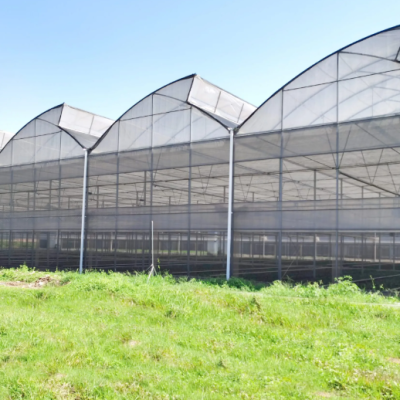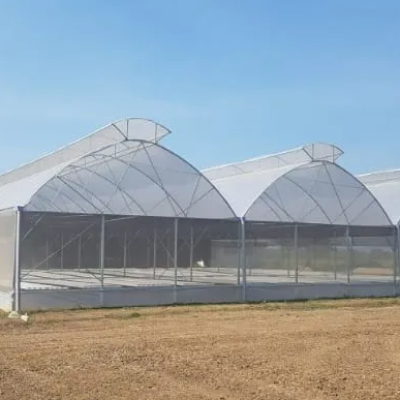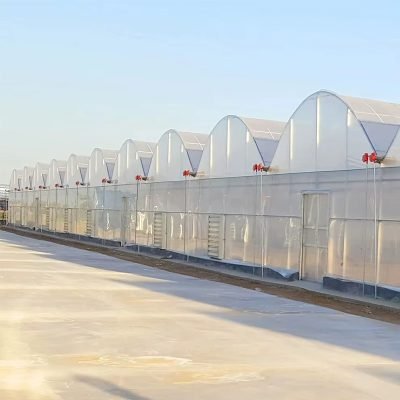






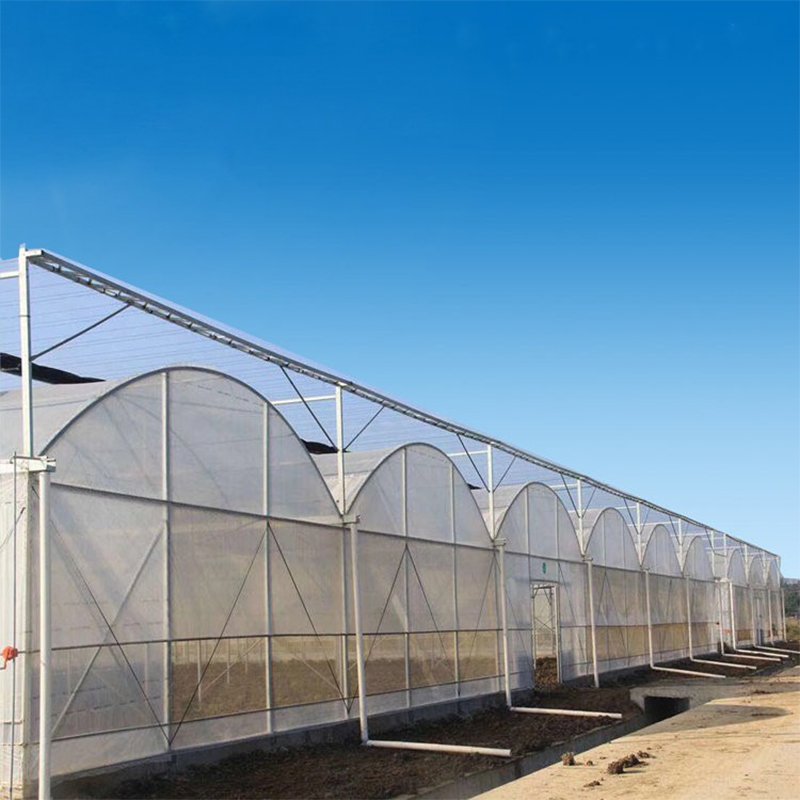
A plastic film greenhouse is a type of greenhouse designed to extend the growing season for plants, enhance crop yields, and protect plants from adverse weather conditions, pests, and diseases. Unlike traditional glass or rigid-material greenhouses, plastic film greenhouses use a flexible plastic covering . This structure provides an affordable and highly effective solution for cultivating plants in a controlled environment. Plastic film greenhouses have become an essential tool in modern agriculture, particularly in regions with colder climates or areas that require year-round crop production.
Plastic film greenhouses can vary in size and design, from smaller single span plastic film greenhouses to larger, more complex structures like multi-span tunnel plastic film greenhouses. Each type has its own set of benefits, depending on the scale of farming and the crops being grown. These greenhouses are not only popular for commercial agriculture but are also used in home gardening and smaller-scale farming operations.
Pros of a Plastic Film Greenhouse
The use of plastic film for greenhouse construction offers several distinct advantages that make it a popular choice among growers and gardeners. Below are some key benefits of using a plastic film greenhouse:
- Cost-Effectiveness
One of the major reasons why plastic film greenhouses are preferred is their affordability. Compared to glass or other rigid greenhouse materials, plastic film is much cheaper to produce and install. This makes plastic film greenhouses an attractive option for those with budget constraints, such as small-scale growers or hobby gardeners.
- Flexibility
Plastic film greenhouses offer a high degree of flexibility in terms of size and design. You can choose between single-span plastic film greenhouses for smaller operations or multi-span tunnel plastic film greenhouses for larger, more expansive projects. The lightweight nature of plastic also makes it easier to modify the greenhouse to fit your specific needs.
- Efficient Temperature Control
Plastic film provides excellent insulation, keeping the greenhouse warm in the winter and cool during the summer. This makes plastic film greenhouses particularly valuable for extending the growing season in regions with extreme temperature fluctuations. The controlled environment helps plants grow faster and more consistently.
- High Light Transmission
Plastic films are designed to transmit light effectively, which is crucial for plant photosynthesis. This ensures that plants inside the greenhouse receive adequate sunlight, even during the winter months when natural light may be limited. Some plastic films also have UV inhibitors that prevent damage to the plants while allowing for optimal light transmission.
- Quick Setup and Maintenance
Setting up a plastic film greenhouse is relatively fast and simple. Unlike glass greenhouses, which require professional installation and can be time-consuming, plastic film greenhouses can be constructed quickly. Additionally, plastic film requires less maintenance and cleaning, reducing long-term upkeep costs.
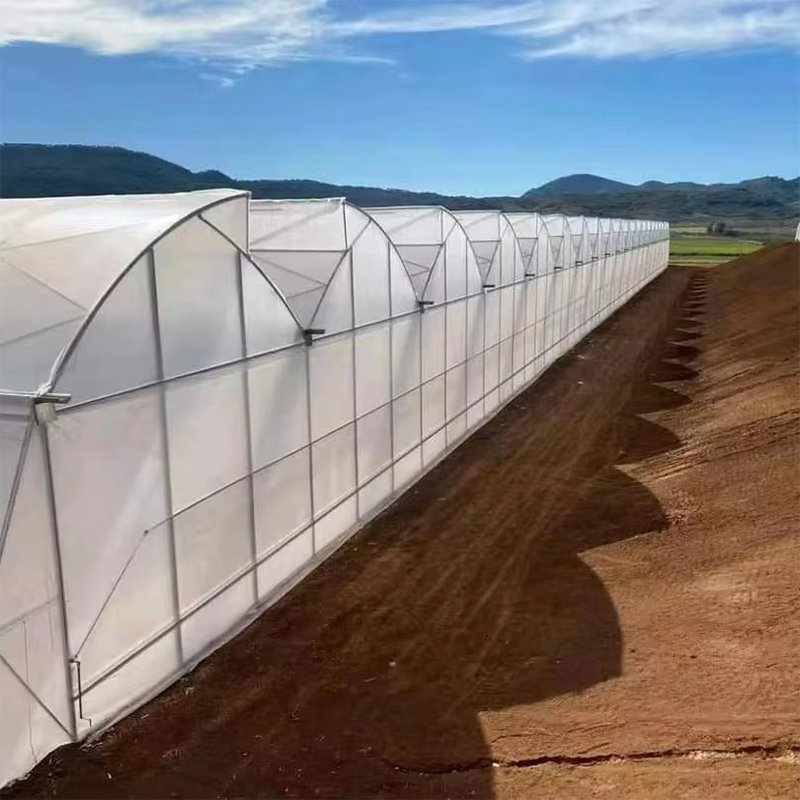
Functions of Film Tunnel Greenhouse
A plastic film greenhouse serves a variety of functions that contribute to its effectiveness as an agricultural tool. These functions not only create optimal conditions for plant growth but also help in increasing crop yields and extending the growing season.
- Boost Crop Yields
One of the most significant benefits of using a plastic film greenhouse is the boost in crop yields. The controlled environment within the greenhouse allows plants to grow in optimal conditions, free from the stresses of fluctuating weather. Growers can extend the growing season, allowing for more harvests per year. The greenhouse also protects crops from harmful pests, diseases, and extreme weather events, leading to healthier plants and higher yields.
- Extend the Growing Season
In colder climates, growing crops outdoors is often limited to a few months of the year. However, plastic film greenhouses allow growers to extend the growing season by creating a warmer microclimate for plants. Whether it’s early spring or late fall, a plastic film greenhouse helps protect crops from frost, allowing them to grow year-round. This is especially important for crops that require longer growing seasons, such as tomatoes, peppers, and cucumbers.
- Affordable and Quick ROI
Plastic film greenhouses provide an excellent return on investment (ROI) due to their low construction cost and the rapid growth of crops within the greenhouse. Since plastic film is less expensive than glass or other materials, the initial investment is much lower, and growers can see a return on their investment more quickly. The ability to grow crops year-round and increase yield per season makes it a cost-effective farming solution in both the short and long term.
- Versatile for Many Crops
Plastic film greenhouses are highly versatile and can accommodate a wide variety of crops. From vegetables and fruits to flowers and herbs, agricultural plastic film greenhouses are used to grow a diverse range of plants. Multi-span tunnel plastic film greenhouses, in particular, are ideal for large-scale operations growing multiple types of crops. The flexibility of these greenhouses allows growers to experiment with different growing techniques, such as hydroponics or aquaponics, to further optimize production.

What is the Difference Between a Plastic Film Greenhouse and a Glass Greenhouse?
A plastic film greenhouse and a glass greenhouse are both widely used to create a controlled environment for plant cultivation. While they share the same purpose, they differ in structure, materials, and typical agricultural applications.
- Plastic Film Greenhouse
A plastic film greenhouse uses flexible plastic film as the covering material, supported by a steel or aluminum frame. It is commonly used in Agricultural plastic film greenhouses for vegetable, fruit, and flower production. This type of greenhouse can be designed as a Single Span Plastic film greenhouse for small-scale use or as multi span tunnel plastic film greenhouses for large commercial farming. Plastic film greenhouses are widely applied in outdoor farming projects due to their adaptability and scalability.
- Glass Greenhouse
A glass greenhouse is covered with glass panels that allow high light transmission. It is often used in botanical gardens, research facilities, and premium horticultural projects. Glass greenhouses are typically chosen for long-term installations where consistent natural light and structural appearance are important.
Which One is Right for You?
- Plastic Film Greenhouse
Suitable for agricultural production, flexible project planning, and multi-crop cultivation.
- Glass Greenhouse
Ideal for research, display-oriented growing, and permanent greenhouse structures.
Both greenhouse types can effectively support plant growth when designed according to specific cultivation goals.
Conclusion
A plastic film greenhouse is an excellent solution for growers looking to optimize growing conditions and increase crop yields. Whether you’re using a single-span plastic film greenhouse or a multi-span tunnel plastic film greenhouse, these structures offer a cost-effective and efficient way to protect plants and extend the growing season. By choosing the right materials and maintaining the greenhouse properly, you can enjoy year-round crop production and a higher return on investment.