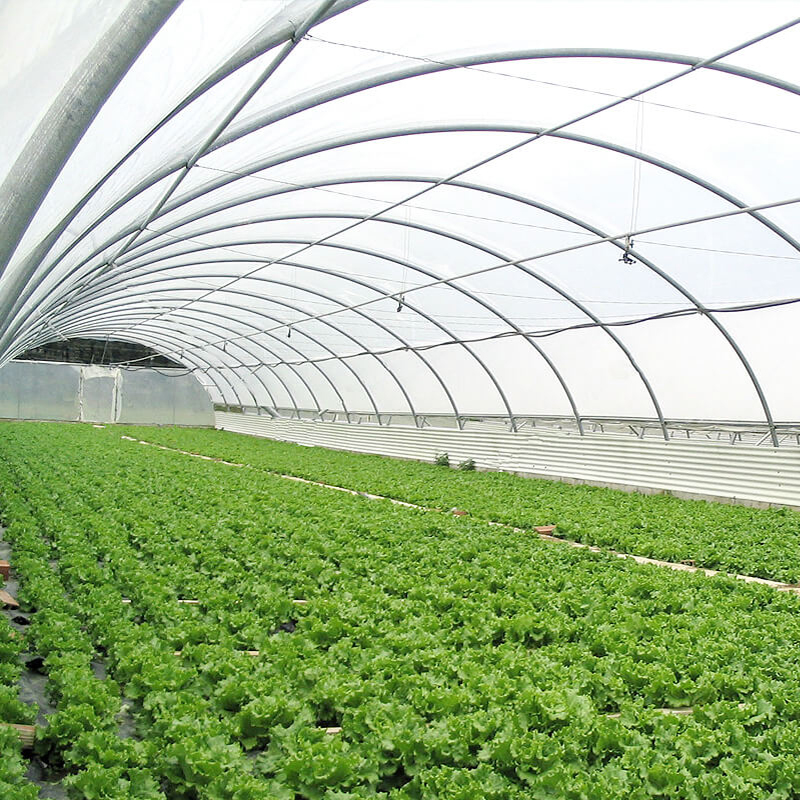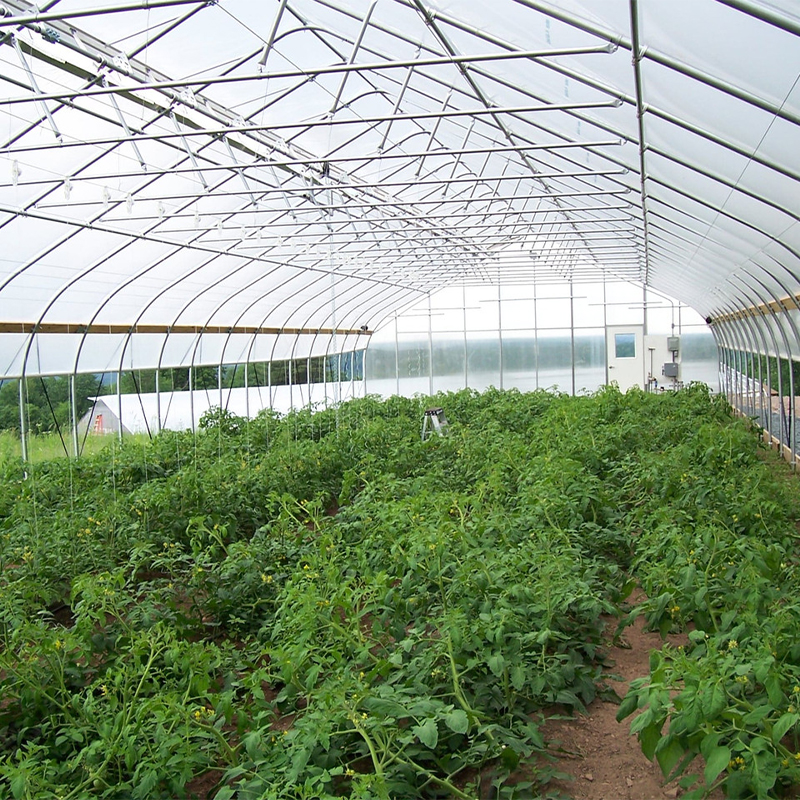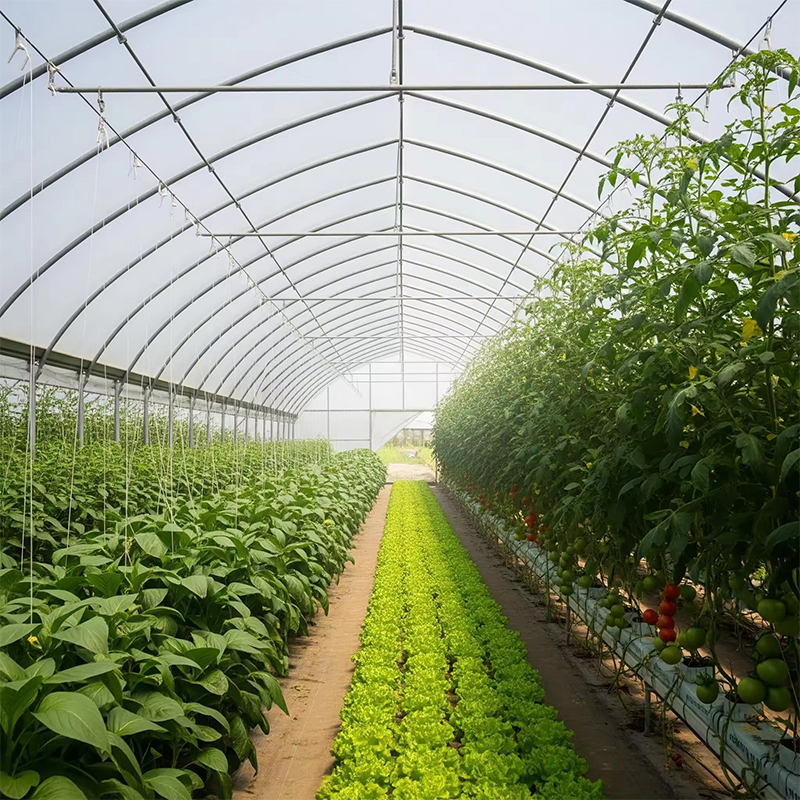







বিশ্বব্যাপী কৃষি ক্রমাগত বিকশিত হওয়ার সাথে সাথে আরও বেশি চাষী এমন সমাধান খুঁজছেন যা প্রদান করে ভাল বায়ুচলাচল, কম বিনিয়োগ খরচ, এবং উচ্চ উৎপাদন দক্ষতা.
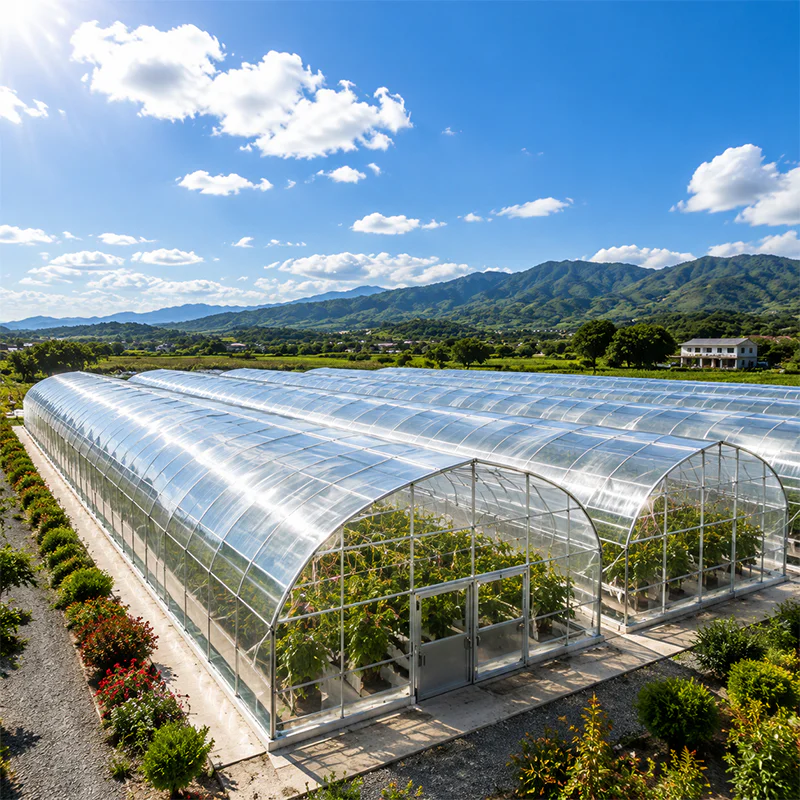
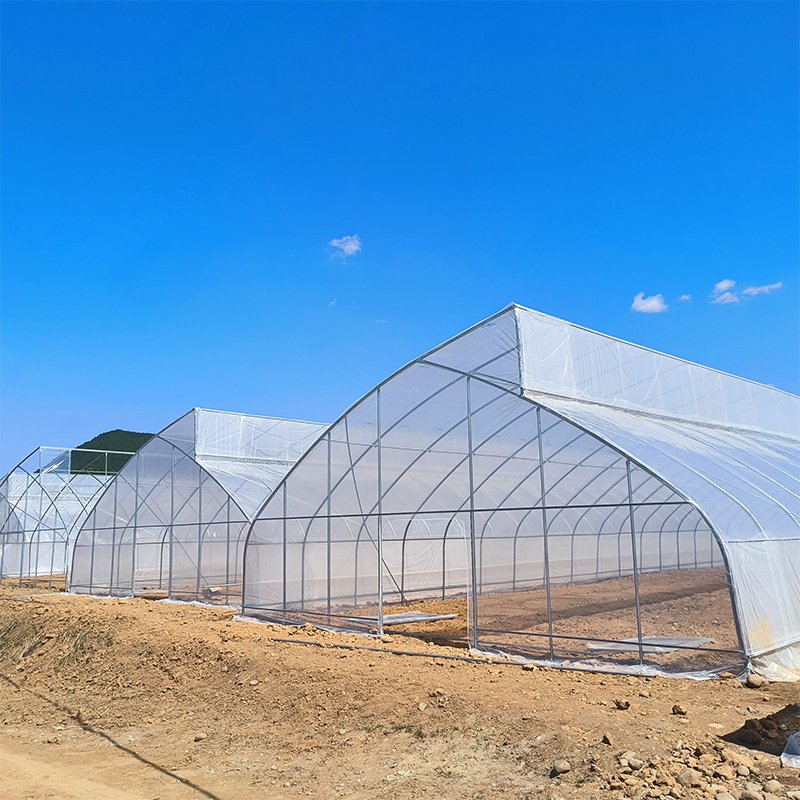
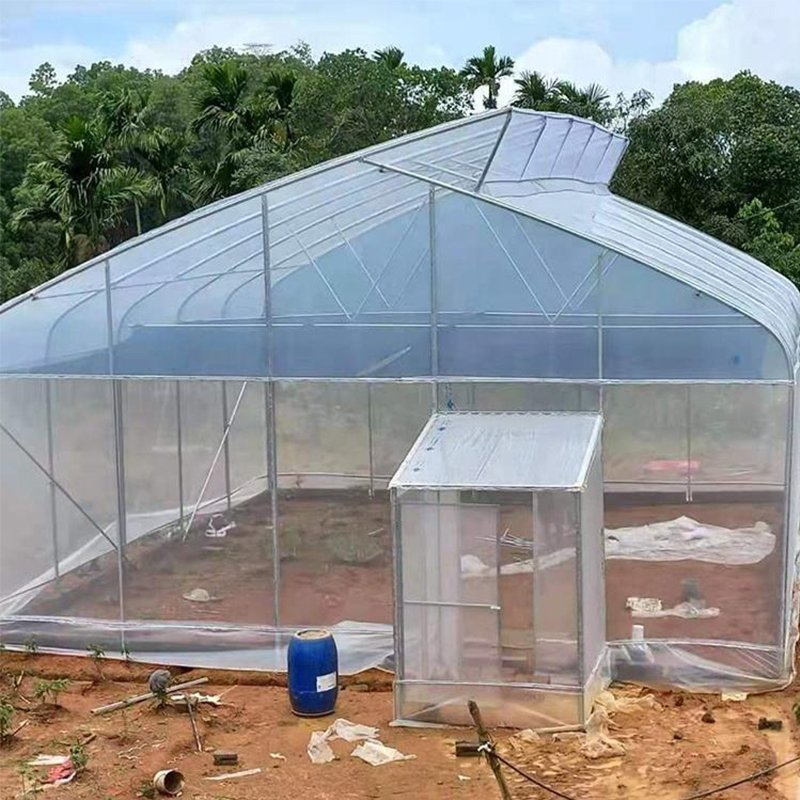
দ্য সাঁওতথ গ্রীনহাউস এর অনন্য গঠন এবং চমৎকার জলবায়ু অভিযোজনক্ষমতার কারণে এটি আধুনিক খামারগুলির অন্যতম জনপ্রিয় পছন্দ হয়ে উঠেছে।.
আজ, চলুন দেখি কেন স্যাটোথ গ্রীনহাউসগুলো বিশ্বব্যাপী মনোযোগ আকর্ষণ করছে এবং কীভাবে এগুলো চাষিদের কম পরিচালন ব্যয়ে বেশি ফলন পেতে সাহায্য করে।.
১. প্রাকৃতিক শক্তিশালী বায়ুচলাচল — সবচেয়ে বড় সুবিধা
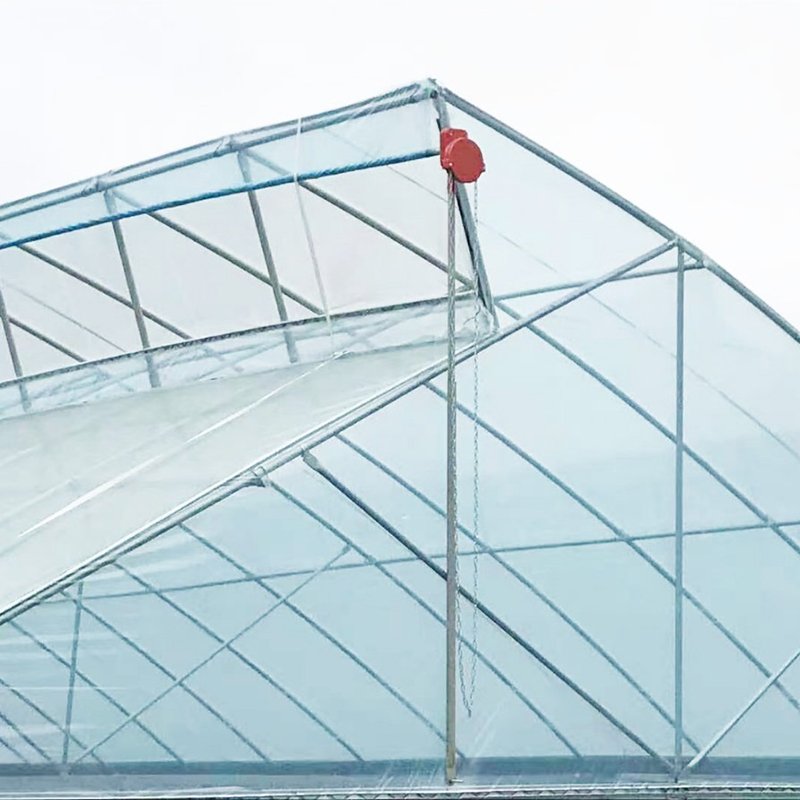
The sawtooth greenhouse features a distinctive roof shape that resembles “saw teeth.” This design allows hot air to escape naturally through the upper openings while bringing fresh air inside, ensuring continuous and efficient ventilation — without fans or air conditioning running around the clock.
This passive airflow system, known as the chimney effect, keeps interior temperatures stable even during peak heat. In tropical climates, a well-designed sawtooth greenhouse can maintain internal temperatures 8–12°C lower than a conventional gable-roof structure of the same size.
This makes the sawtooth greenhouse ideal for tropical and subtropical climates, high-temperature regions, and farms requiring strong natural airflow with minimal energy input.
২. সুস্থ উদ্ভিদ বৃদ্ধির জন্য উন্নত আলো বিতরণ
Thanks to its angled roof design, the sawtooth greenhouse captures sunlight more evenly throughout the day. Rather than allowing harsh direct rays to enter from above, the vertical glazing panels deliver diffused light — the kind plants absorb most efficiently.
This ensures consistent light exposure across the entire growing floor, with no dark corners or overexposed hotspots. The result is more uniform crop development, stronger plants, and higher yield potential — particularly for leafy greens, vegetables and fruits, nursery plants, and flower production.
One of the key reasons growers choose sawtooth greenhouses is their balance of simplicity and long-term durability. Compared with high-end greenhouse types such as Venlo glass structures, the sawtooth greenhouse costs 10–20% less upfront while delivering strong performance in hot climates.
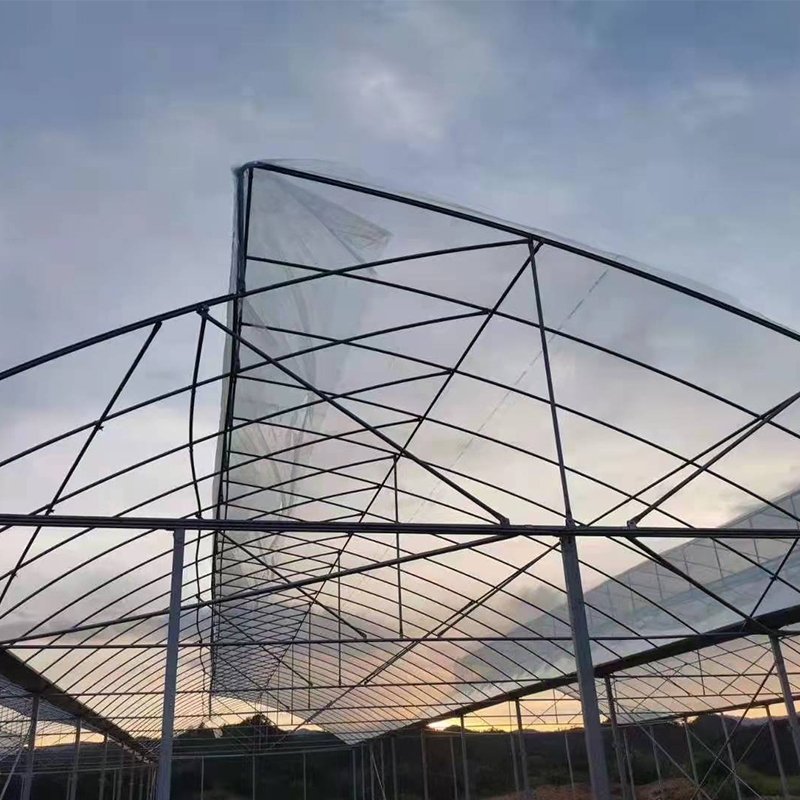
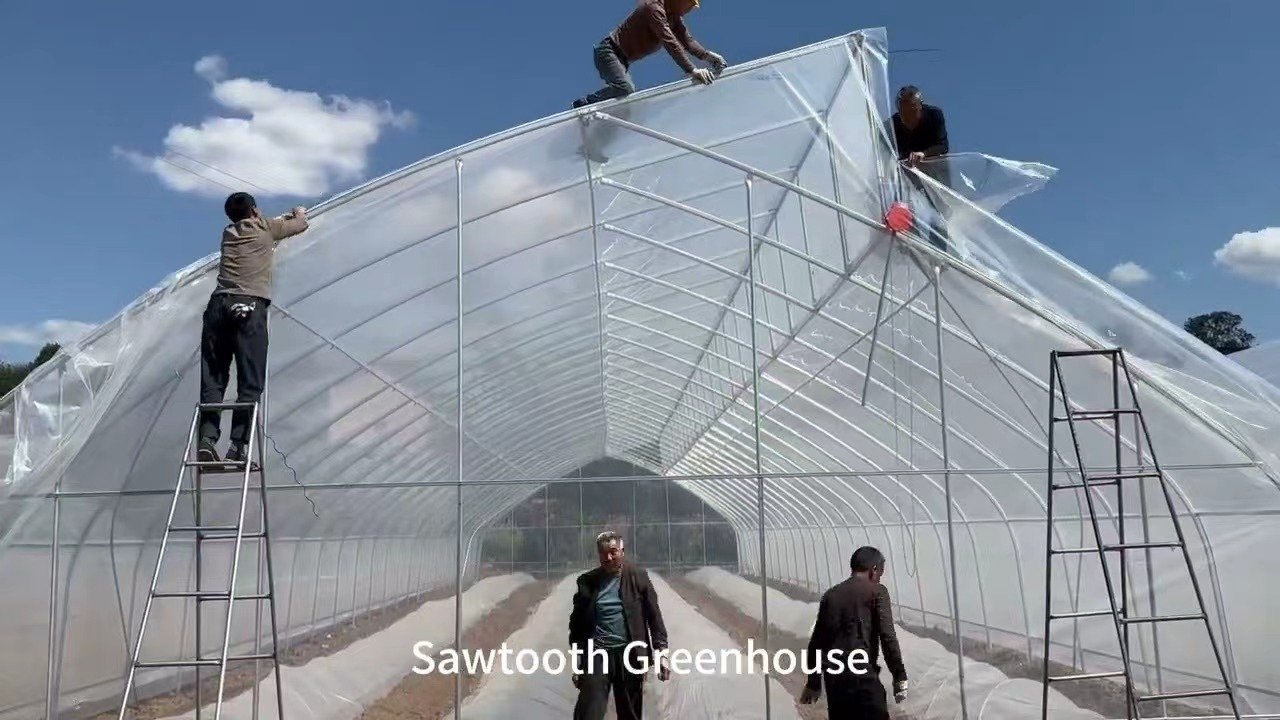
Key structural advantages include faster installation and lower labor costs, a galvanized steel frame with a service life of 25–35 years, easy maintenance with fewer mechanical components, and compatibility with roll-up sides, gutters, and shading systems.
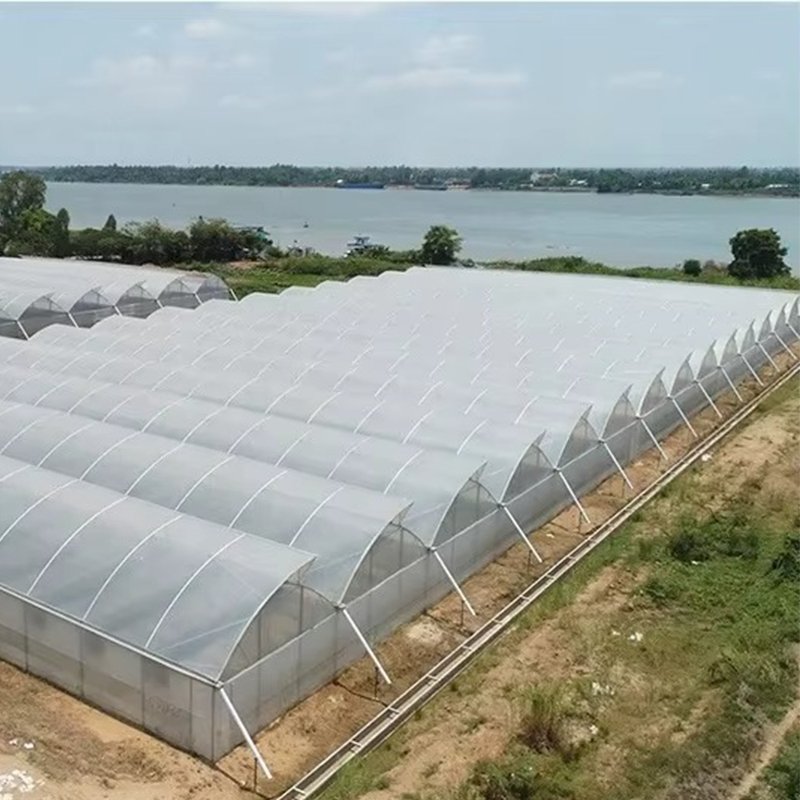
For large-scale farms and commercial vegetable production, this cost-to-performance ratio is difficult to match.
৪. বিভিন্ন ধরনের ফসল ও কৃষি মডেলের জন্য উপযুক্ত
The real financial advantage of a sawtooth greenhouse shows up after construction. Because ventilation relies on passive airflow rather than mechanical systems, growers can cut cooling-related energy costs by 50–70% compared to conventionally ventilated greenhouses.
Over a 10-year period, operational savings typically exceed the initial cost difference many times over. Additional savings come from reduced pesticide and fungicide use — better airflow lowers humidity and limits fungal disease — as well as lower water consumption due to more stable internal temperatures.
For reference, a commercial greenhouse at 5,000 m² in a tropical region can save an estimated $40,000–$80,000 per year in energy costs alone by choosing a passive sawtooth design over a mechanically cooled alternative.
5.Suitable for a Wide Range of Crops and Farming Models
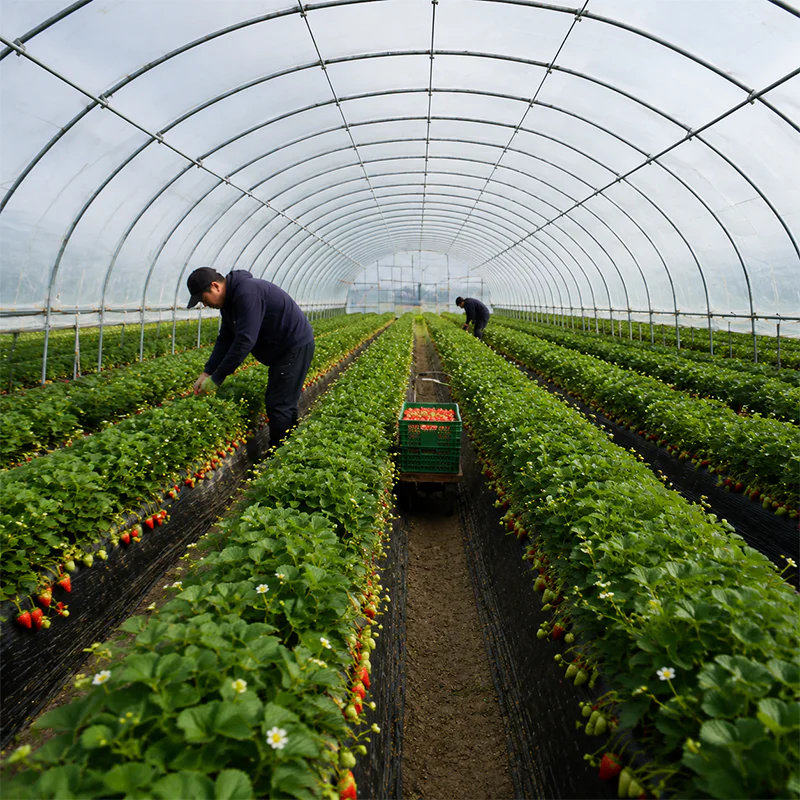
Sawtooth greenhouses are highly versatile and perform well across hydroponics and soilless farming systems, tomatoes, cucumbers, and peppers, leafy greens and herbs, flower and nursery production, and government agricultural demonstration projects.
Their strong ventilation and efficient light distribution make them adaptable to many climates and crop types — from small family farms starting with a single unit to large commercial operations covering several hectares.
প্রায়শই জিজ্ঞাসিত প্রশ্নাবলী
How long does a sawtooth greenhouse last?
A hot-dip galvanized steel frame typically lasts 25–35 years. Polycarbonate panels generally need replacement after 10–15 years depending on UV exposure.
Is it suitable for small farms?
Yes. A single unit can start as small as 50 m² and still deliver the full ventilation and light benefits of the sawtooth design.
Can it be used with hydroponics?
Absolutely. The stable temperature and diffused light environment make it one of the better structural choices for hydroponic systems.
What is the typical construction cost?
A basic build starts around $26–41 per m². A mid-range commercial setup typically runs $57–80 per m², depending on size, materials, and location.
Sawtooth Greenhouses — Efficient, Sustainable, and Built for the Future
With excellent natural ventilation, lower investment costs, and strong long-term adaptability, the sawtooth greenhouse has become a preferred option for modern agriculture worldwide. If you are planning a commercial greenhouse project and want a structure that works with the climate rather than against it, the sawtooth greenhouse is worth serious consideration.