





Agricultural production is facing increasing challenges from limited farmland, climate uncertainty, and rising resource costs. Traditional farming methods often depend heavily on weather conditions, available land, and seasonal changes.
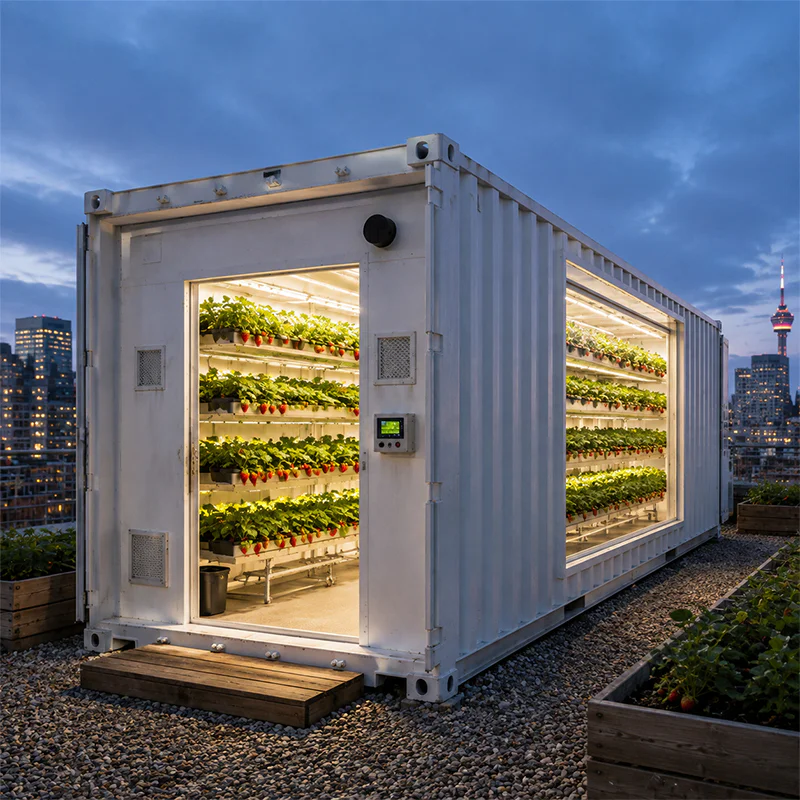
A container farm provides an alternative approach by transforming a standard shipping container into a controlled growing environment. Through hydroponic technology, LED lighting, climate management, and automated monitoring systems, growers can produce crops in locations where conventional agriculture is difficult.
Unlike traditional greenhouses that rely on outdoor conditions, container farming focuses on creating a stable indoor environment. This allows farmers to control important factors such as temperature, humidity, nutrients, and light cycles.
For modern agricultural projects, a container farm system offers a flexible solution for urban farming, commercial production, and food security development.

What Is a Container Farm?
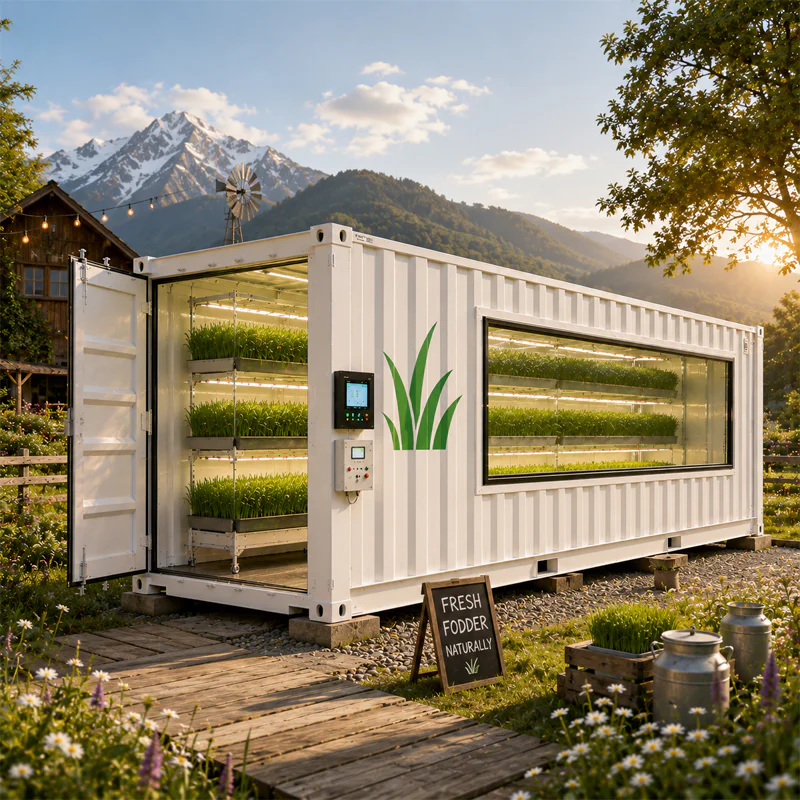
A container farm is a modular indoor farming system built inside an insulated container structure.
The container is modified with professional agricultural equipment to create an independent growing environment.
A typical system includes:
- Insulated container structure
- Multi-layer growing racks
- LED grow lighting
- Hydroponic cultivation system
- Climate control equipment
- Water circulation system
- Environmental monitoring devices
The purpose of this design is to provide a stable environment for crop production regardless of external weather conditions.
Compared with open-field farming, container farming reduces dependence on:
- Seasonal changes
- Extreme weather
- Land availability
- Water limitations
How Does a Container Farm Work?
A container farm works by controlling several key growing factors inside a closed environment.
The production process usually includes four major systems.
1. Hydroponic Growing System
Most container farms use hydroponic cultivation instead of soil planting.
Plants receive:
- Water
- Nutrients
- Oxygen
- Controlled growing conditions
through a circulating nutrient solution.
This method improves water efficiency because the system continuously recycles and manages water usage.
Hydroponics also allows growers to maintain cleaner production conditions and reduce problems associated with soil diseases.
2. Vertical Growing Rack System
One of the biggest advantages of container farming is efficient space utilization.
Multi-layer growing racks allow crops to grow vertically inside limited space.
Compared with traditional horizontal planting, vertical layouts provide:
- Higher production density
- Better land utilization
- Easier environmental management
For commercial projects requiring intensive production, a commercial container farm system can be customized according to crop type, production target, and available space.
3. LED Lighting Management
Since container farms operate indoors, artificial lighting replaces natural sunlight.
LED grow lights provide specific light wavelengths required by plants.
Modern systems can adjust:
- Light intensity
- Lighting duration
- Growth stages
This allows growers to create optimized conditions for different crops.
Leafy vegetables such as lettuce, basil, and other herbs are commonly suitable for this production method.
4. Climate Control and Monitoring
Environmental control is essential for indoor farming.
A container farm typically manages:
- Temperature
- Humidity
- Air circulation
- CO₂ levels
- Nutrient parameters
Sensors continuously monitor conditions and help maintain a stable growing environment.
This reduces environmental fluctuations and improves production consistency.
Main Components of a Container Farm System
A complete container farming solution usually contains several integrated parts.
Container Structure
The container provides:
- Protection
- Aislamiento
- Structural support
High-quality insulation materials help maintain internal conditions and reduce energy loss.
Hydroponic Equipment
The cultivation system determines production efficiency.
Common systems include:
- NFT channels
- Vertical hydroponic racks
- Nutrient circulation equipment
Different crops require different growing configurations.
Environmental Control Equipment
Climate equipment helps maintain suitable conditions.
Algunos ejemplos son:
- Cooling systems
- Ventilation equipment
- Humidity control systems
These systems are especially important in regions with extreme climates.
Benefits of Container Farming
Year-Round Crop Production
Because the growing environment is controlled, container farms can operate throughout the year.
Production is less affected by:
- Heavy rain
- Drought
- Temperature fluctuations
This creates more predictable harvest planning.
Efficient Use of Land and Water
Container farming is suitable for areas where farmland is limited.
It can be installed in:
- Urban areas
- Remote regions
- Industrial zones
- Small agricultural sites
The closed-loop water system also reduces water consumption compared with many traditional farming methods.
Consistent Crop Quality
Controlled environments help maintain stable growing conditions.
Benefits include:
- Uniform crop growth
- Cleaner production
- Reduced environmental stress
This is valuable for commercial growers supplying restaurants, supermarkets, and local markets.
Container Farm Applications
Container farms are used in different agricultural scenarios.
Urban Agriculture
Cities with limited farming space can use container farms to produce fresh vegetables near consumers.
This reduces transportation distance and improves local food supply.
Commercial Vegetable Production
Commercial growers use container farming for crops such as:
- Lechuga
- Hierbas
- Verduras de hoja verde
- Specialty vegetables
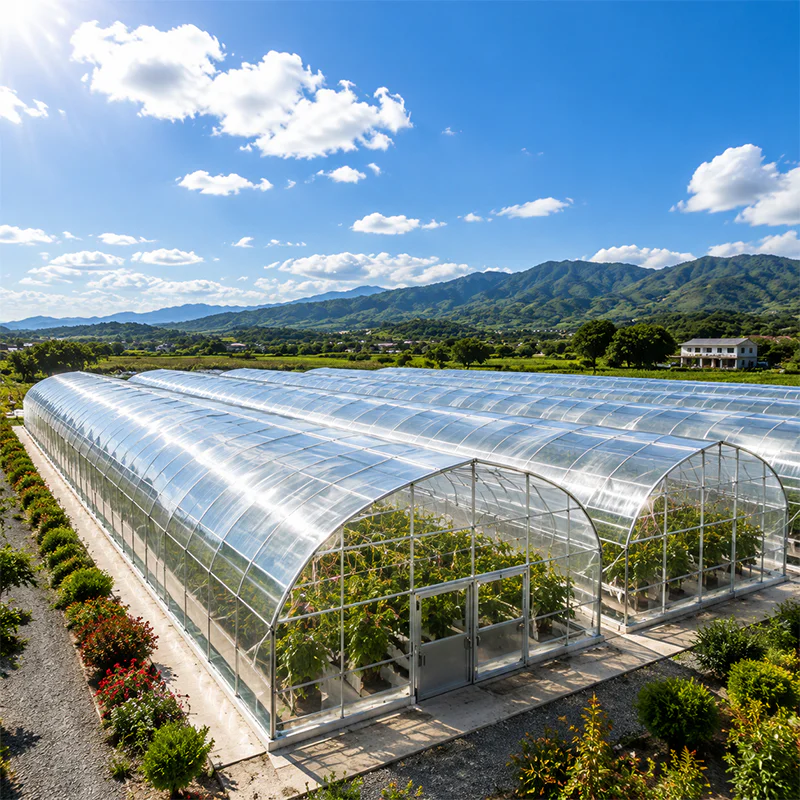
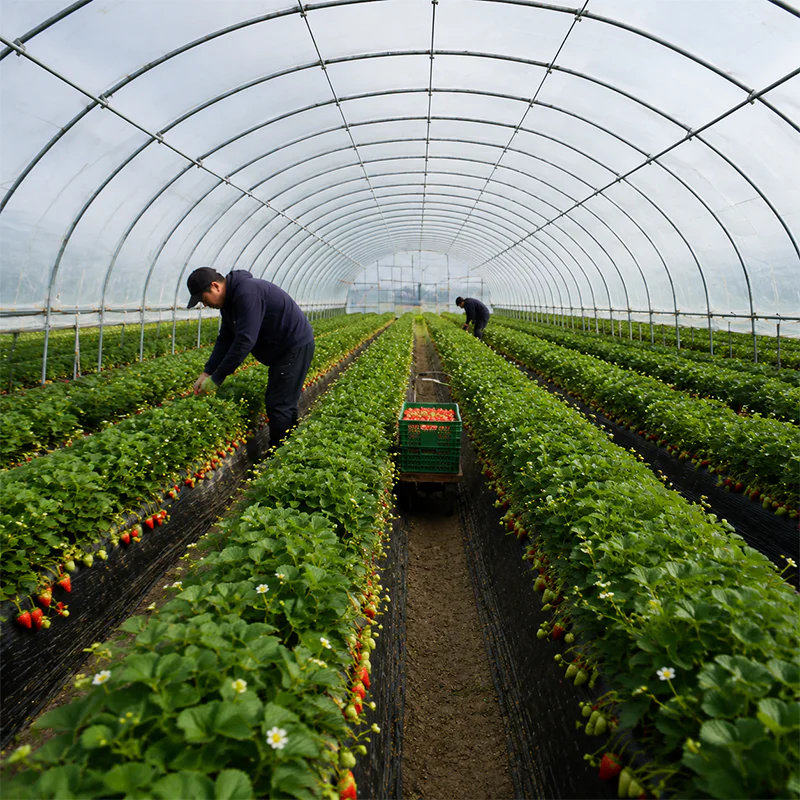
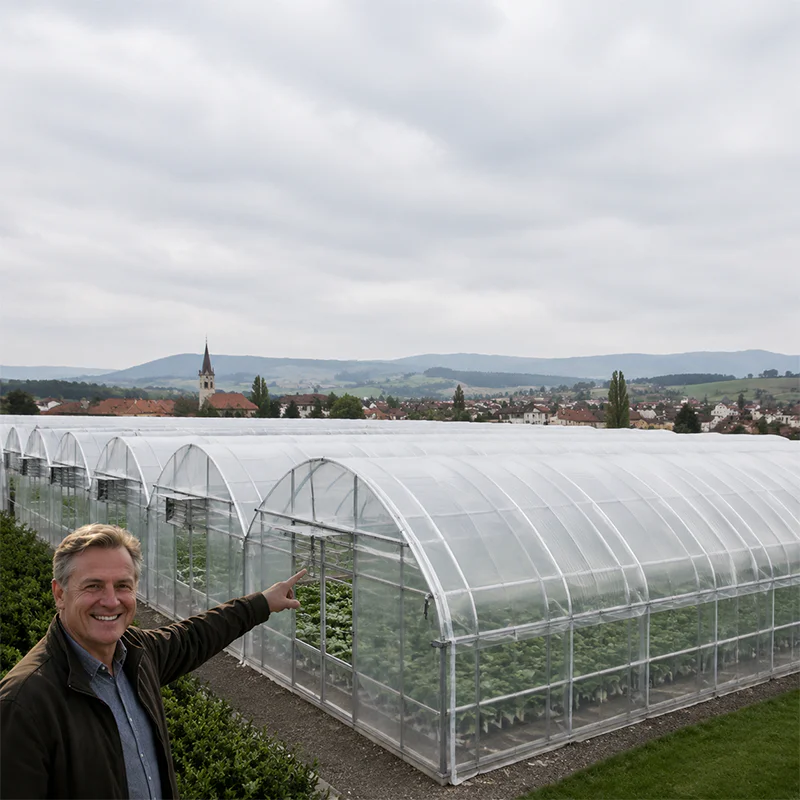
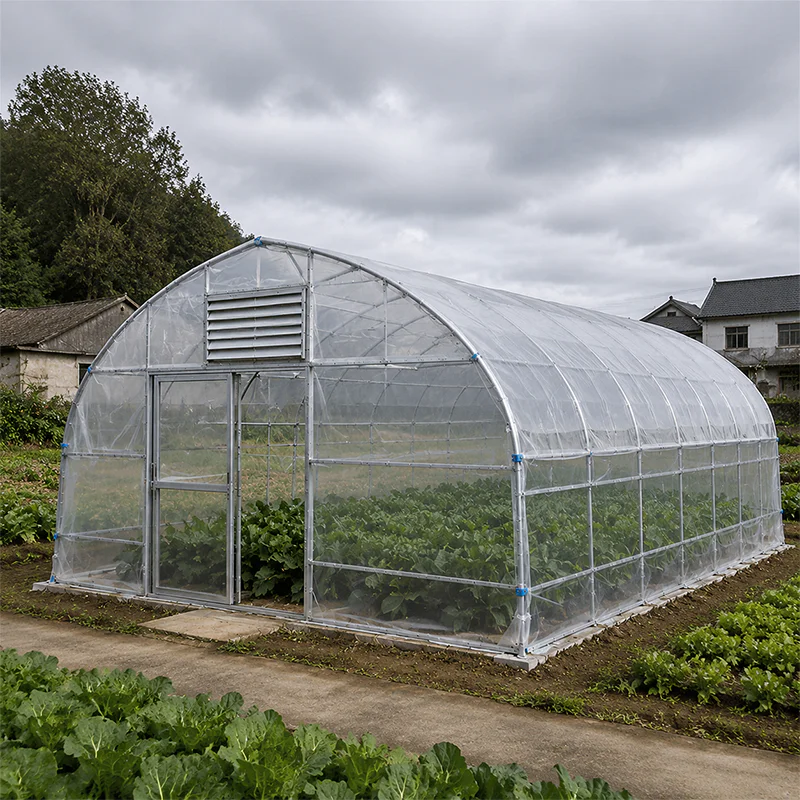
For larger outdoor agricultural projects, growers may also compare container systems with greenhouse solutions for commercial crop production depending on climate, land, and investment goals.
Food Security Projects
Container farms are also suitable for regions facing:
- Limited farmland
- Harsh climate conditions
- Food supply challenges
Their modular structure allows deployment in different locations.
Container Farm vs Traditional Farming Methods
Container farming and traditional agriculture have different advantages.
Traditional farming:
- Requires more land
- Depends on climate
- Has seasonal limitations
Container farming:
- Uses controlled environments
- Requires less space
- Provides stable production conditions
The best solution depends on:
- Crop type
- Market demand
- Investment plan
- Local environment
Factors to Consider Before Choosing a Container Farm
Before investing in a container farm, growers should evaluate several factors.
Crop Selection
Different crops have different requirements for:
- Iluminación
- Nutrient management
- Growing space
Production Target
Commercial projects should define:
- Expected output
- Sales channels
- Expansion plans
Local Conditions
Although container farms reduce climate dependence, factors such as:
- Electricity availability
- Water quality
- Operating environment
still affect project performance.
Why Container Farms Are Becoming More Popular
The growth of controlled environment agriculture is driven by several trends:
- Increasing demand for fresh local food
- Limited agricultural land
- Need for efficient resource management
- Development of smart farming technology
Container farming provides a flexible model that connects technology with modern agriculture.

Conclusión
A container farm is more than a modified shipping container. It is a complete controlled environment agriculture system combining hydroponics, vertical farming, lighting technology, and climate management.
By providing stable growing conditions and efficient resource use, container farms offer new possibilities for commercial vegetable production, urban agriculture, and sustainable farming projects.
For growers looking for flexible agricultural solutions, understanding how a container farm works is the first step toward building an efficient modern farming system.
PREGUNTAS FRECUENTES
¿Cuánto espacio se necesita para una granja en contenedores?
A container farm requires much less land compared with traditional agriculture because crops are grown vertically inside an enclosed structure.
¿Qué cultivos se pueden plantar en una granja en macetas?
Common crops include lettuce, leafy vegetables, herbs, and other fast-growing plants suitable for controlled environments.
Does a container farm need sunlight?
No. Container farms use LED grow lighting to provide the necessary light conditions for plant growth.
Is container farming suitable for commercial agriculture?
Yes. Commercial growers can use container farms for stable production, especially where land availability or climate conditions are challenging.
How does a container farm save water?
Most container farms use hydroponic circulation systems that recycle nutrient water and reduce unnecessary water loss.