






Starting a modern farming business requires more than selecting crops and purchasing equipment. Successful agricultural projects depend on market research, production planning, technology selection, and long-term operational management.
A container farm business provides a new approach for entrepreneurs and commercial growers who want to produce crops in a controlled environment.
Unlike traditional farming, this model uses indoor cultivation technology to reduce dependence on weather conditions and farmland availability.
By combining hydroponics, vertical farming, LED lighting, and environmental control systems, container farming allows growers to establish production facilities in locations where conventional agriculture may be difficult.
However, building a successful project requires careful planning.
This guide explains the key steps involved in starting a container farm business, from selecting crops to designing the production system.
Understanding the Container Farm Business Model
A container farm business is based on producing crops inside a controlled indoor environment and selling them through targeted markets.
The business model usually includes:
- Crop production
- Harvest management
- Local distribution
- Retail or restaurant supply
- Direct-to-consumer sales
Compared with traditional farming, this model focuses on:
- Stable production
- Efficient resource usage
- Predictable crop cycles
- Higher control over growing conditions
Before investing, entrepreneurs should understand that technology alone does not guarantee profitability.
Successful projects require the combination of:
- Suitable crops
- Reliable production systems
- Market demand
- Effective operation management
Step 1: Research the Local Market
Market research is the first step before building a container farming project.
Growers should evaluate:
Customer Demand
Potential customers include:
- Restaurants
- Supermarkets
- Grocery suppliers
- Local communities
- Food service companies
Understanding customer needs helps determine which crops are most suitable.
Product Pricing
Different markets have different price levels.
Factors include:
- Local competition
- Crop availability
- Consumer preferences
- Seasonal supply changes
Distribution Strategy
A successful farming business needs a clear sales channel.
Possible models include:
- Direct sales
- Wholesale supply
- Subscription delivery
- Contract farming
Step 2: Select Suitable Crops
Crop selection directly affects production efficiency and profitability.
Common crops for container farming include:
- Lechuga
- Verduras de hoja verde
- Albahaca
- Hierbas
- Specialty vegetables
These crops are often suitable because they have:
- Short growth cycles
- Compact structure
- High market demand
When selecting crops, growers should consider:
- Growing requirements
- Harvest cycle
- Market value
- Production difficulty
Step 3: Define Production Goals
Before choosing equipment, investors should define their production targets.
Important questions include:
- How much crop output is required?
- How often will harvesting occur?
- Who are the target customers?
- What is the expected expansion plan?
Production goals influence:
- Container size
- Growing rack design
- Lighting configuration
- Climate control requirements
A small demonstration project and a commercial farming operation require completely different system designs.
Step 4: Choose the Right Container Farm System
Selecting the correct equipment configuration is one of the most important decisions.
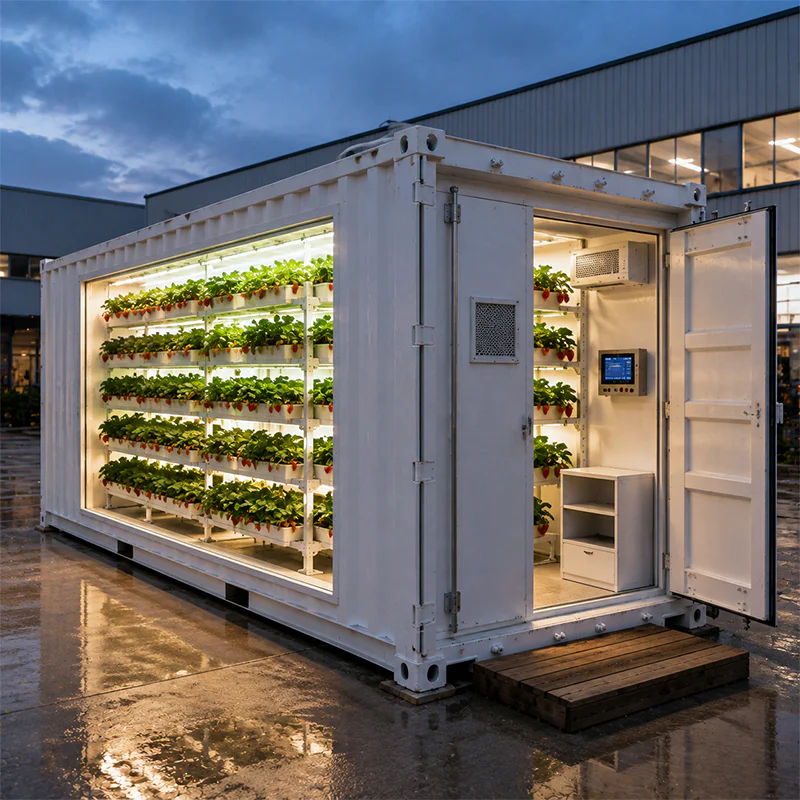
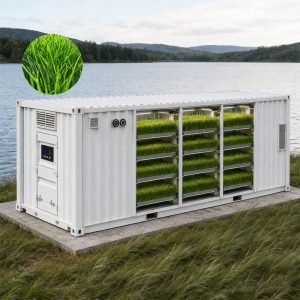
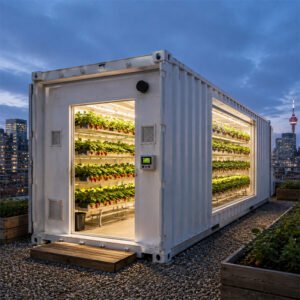
A professional system usually includes:
- Insulated container structure
- Hydroponic growing system
- Vertical cultivation racks
- LED lighting
- Climate control equipment
- Water circulation system
- Monitoring system
For commercial projects, a customized commercial hydroponic container farm system can be designed according to crop type, production capacity, and local operating conditions.
Step 5: Plan the Farm Location
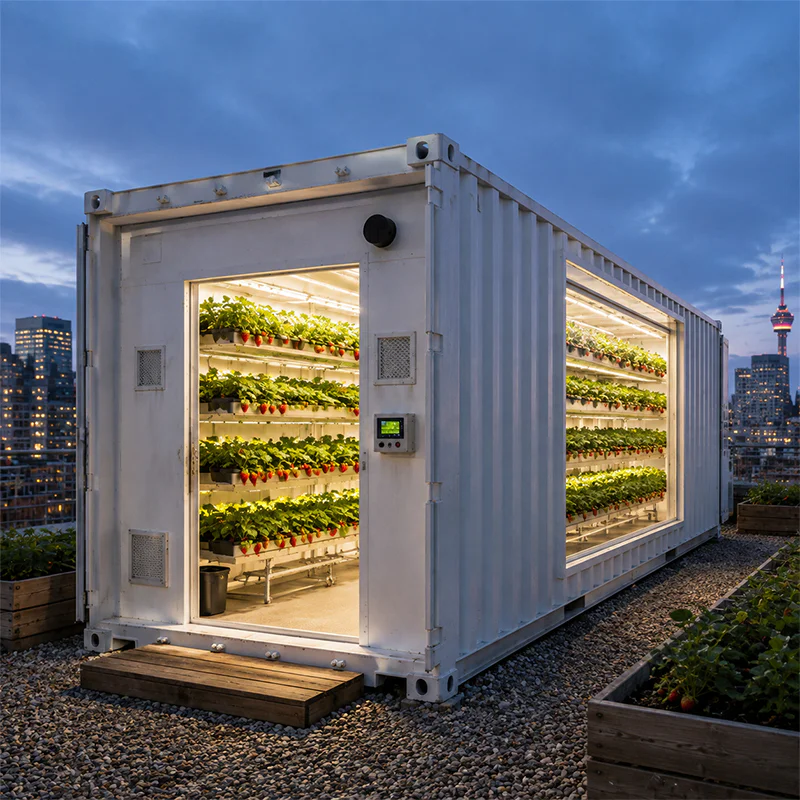
Although container farms require less land than traditional agriculture, location still affects performance.
Entre las consideraciones importantes se incluyen:
Electricity Supply
Indoor farming systems require power for:
- LED lighting
- Pumps
- Climate equipment
- Automation systems
Stable electricity is essential for continuous production.
Water Quality
Hydroponic systems depend on suitable water quality.
Growers should evaluate:
- Water source
- Filtration requirements
- Nutrient management
Accessibility
The location should support:
- Equipment delivery
- Daily operation
- Product distribution
Step 6: Calculate Investment and Operating Costs
A container farm business requires evaluation of both initial and ongoing expenses.
Initial Investment Includes:
- Estructura del contenedor
- Growing system
- Lighting equipment
- Climate control
- Instalación
- Technical support
Operating Costs Include:
- Electricity
- Seeds
- Nutrients
- Labor
- Mantenimiento
A realistic financial plan should consider the complete production cycle rather than only equipment purchase cost.
Step 7: Develop Daily Operation Management
Technology provides the growing environment, but daily management determines results.
Important operational tasks include:
Crop Monitoring
Operators need to track:
- Plant growth
- Nutrient conditions
- Environmental parameters
Mantenimiento
Regular maintenance includes:
- Cleaning equipment
- Checking pumps
- Inspecting lighting systems
- Maintaining climate equipment
Harvest Management
Efficient harvesting improves:
- Product quality
- Delivery reliability
- Customer satisfaction
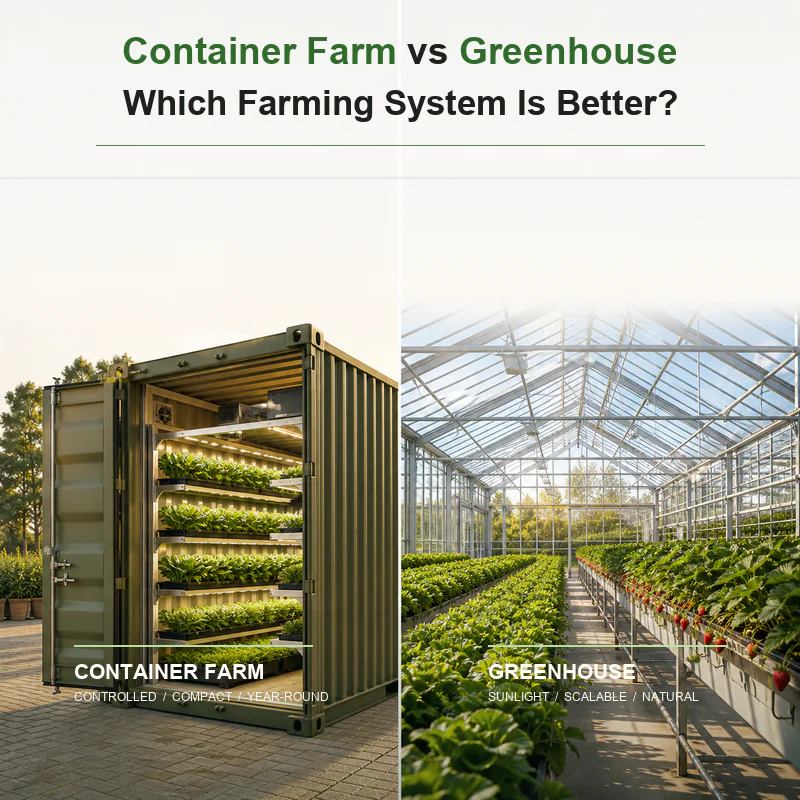
Step 8: Container Farm vs Greenhouse Business Model
Before investment, some growers compare container farming with greenhouse agriculture.
Container farms provide:
- Higher environmental control
- Compact installation
- Indoor production capability
Greenhouses provide:
- Larger cultivation areas
- Natural sunlight utilization
- Flexible crop production
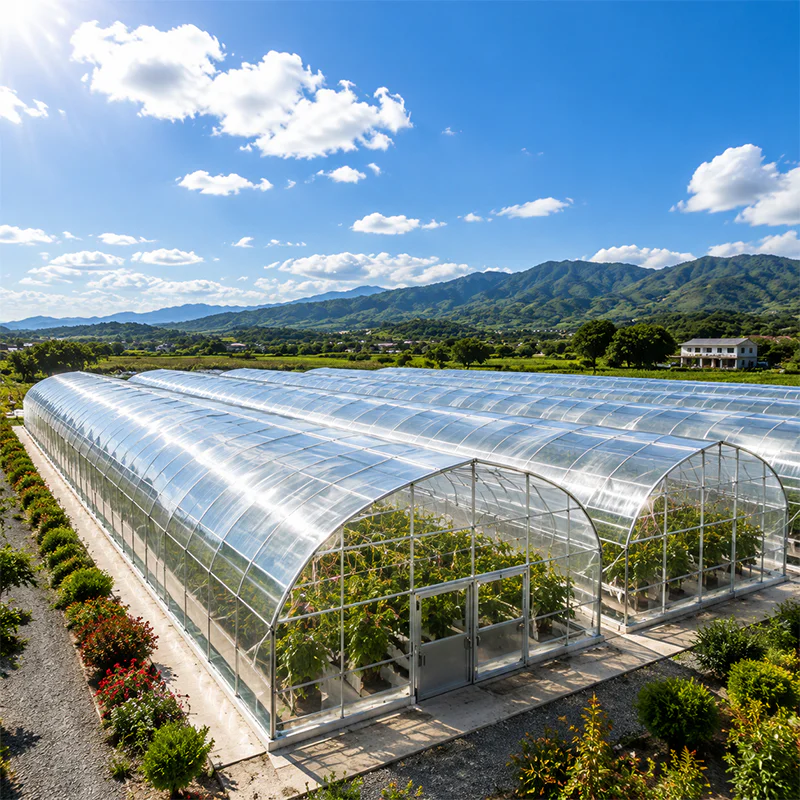
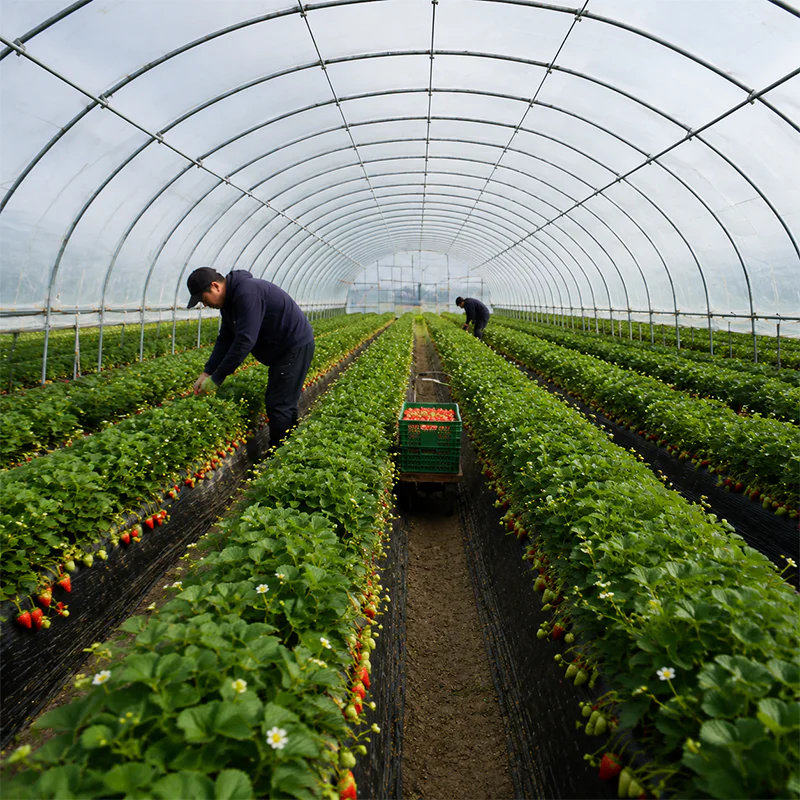
For growers with sufficient land and suitable climate conditions, commercial greenhouse solutions for vegetable production may also be an effective choice.
The best solution depends on:
- Ubicación
- Crop type
- Investment budget
- Market strategy
Common Mistakes When Starting a Container Farm Business
Ignoring Market Demand
Producing crops without understanding buyers can create sales challenges.
Over-Focusing on Technology
Advanced equipment improves production, but business success depends on both technology and market strategy.
Choosing the Wrong Crops
Not every crop is suitable for indoor farming.
Crop selection should match:
- System capability
- Local demand
- Production costs
Underestimating Operating Costs
Electricity and management expenses must be included in financial planning.
How to Improve Container Farm Business Success
Successful operators usually focus on:
Efficient Production Planning
Optimize:
- Crop cycles
- Plant density
- Harvest scheduling
Strong Market Connections
Build relationships with:
- Buyers
- Restaurants
- Retailers
Continuous Improvement
Monitor production data and improve:
- Energy efficiency
- Crop performance
- Operational workflow
Is Starting a Container Farm Business Worth It?
A container farm business can provide opportunities for entrepreneurs interested in modern agriculture.
Its advantages include:
- Producción durante todo el año
- Efficient space utilization
- Controlled growing conditions
- Flexible installation locations
However, profitability depends on:
- Selección de cultivos
- Market demand
- Energy costs
- Management ability
A successful project requires both agricultural knowledge and business planning.
Conclusión
Starting a container farm business requires careful planning, from market research and crop selection to equipment design and operational management.
A well-designed system can help growers produce crops consistently while reducing dependence on traditional farming limitations.
For investors exploring controlled environment agriculture, container farming provides a flexible pathway toward modern commercial food production.
With the right strategy, technology, and market positioning, a container farm can become a scalable agricultural business model.
PREGUNTAS FRECUENTES
How much money is needed to start a container farm business?
The investment depends on container size, system configuration, automation level, and production goals.
What is the best crop for a container farm business?
Leafy greens, lettuce, herbs, and other fast-growing crops are commonly selected because they have shorter production cycles.
Can a container farm be profitable?
Yes, but profitability depends on market demand, crop value, operating costs, and management efficiency.
Do I need farming experience to operate a container farm?
Basic agricultural knowledge is helpful, but proper training and system support can help new operators manage production.
Is container farming suitable for small businesses?
Yes. Its modular design allows businesses to start with smaller projects and expand gradually.