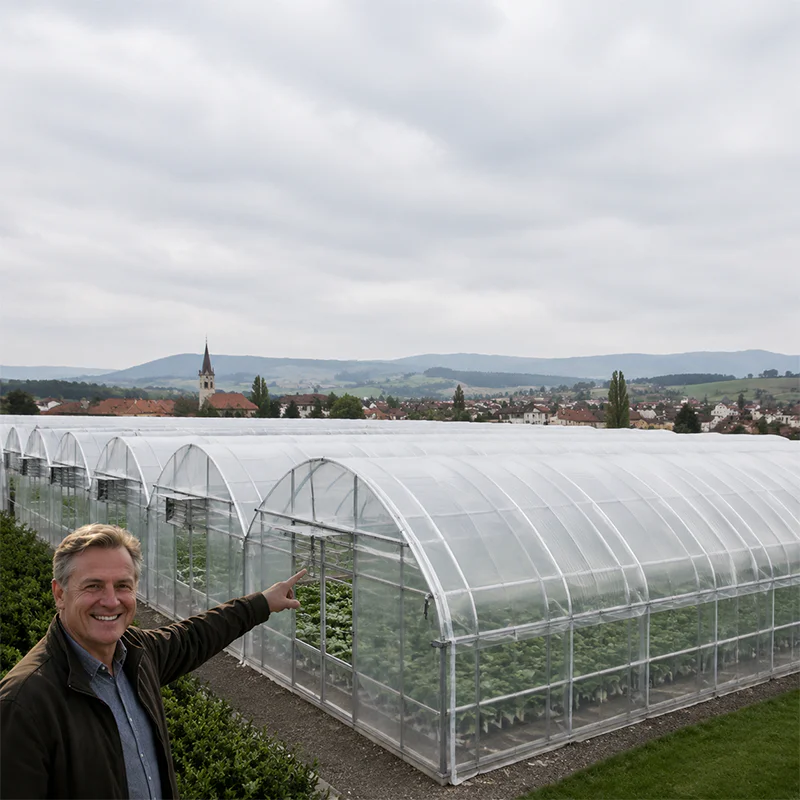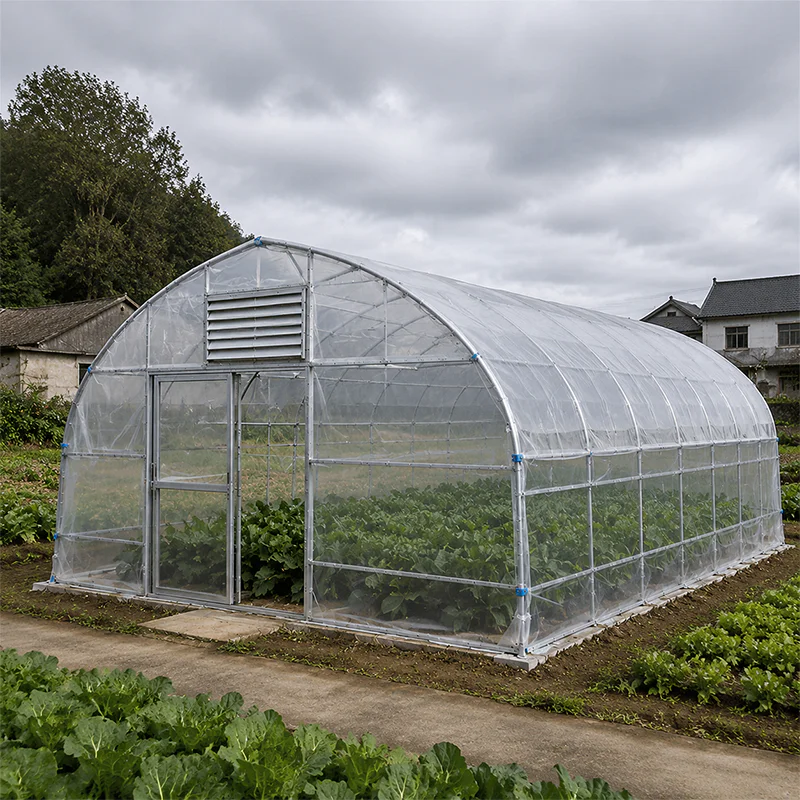







Hydroponic growing systems allow growers to produce crops without soil by using water, nutrients, oxygen, and controlled growing conditions. For modern farms, greenhouses, vertical farms, and container farms, hydroponics can improve space use, make crop management more predictable, and support cleaner production. However, not every system is suitable for every crop or project.
The right system depends on crop type, root size, available space, budget, labor level, and production goals. NFT systems may work well for leafy greens, while Dutch bucket systems are often more suitable for tomatoes and cucumbers. Hydroponic towers can save space, while growing racks are useful for seedlings and indoor farms. This guide explains the main types, benefits, selection methods, and common mistakes to avoid.
What Are Hydroponic Growing Systems?
Sistemas de cultivo hidropónico are soilless growing methods that deliver water and nutrients directly to plant roots. Instead of relying on soil, plants are supported by channels, buckets, rafts, towers, racks, or growing media. The nutrient solution provides the minerals plants need for growth.
These systems are used in home gardens, commercial greenhouses, indoor farms, research centers, restaurants, and container farming projects. Their main purpose is to create a more controlled growing environment where water, nutrients, oxygen, and spacing can be managed more precisely.
How Hydroponic Growing Systems Work Without Soil
In soil farming, plants receive nutrients from the soil. In hydroponics, growers prepare a nutrient solution and deliver it to the roots through circulation, dripping, flooding, or misting. The plant roots absorb the nutrients they need, while the system helps maintain water flow and oxygen availability.
Some systems use no solid growing media, while others use materials such as coco coir, rockwool, perlite, clay pebbles, or sponge plugs to support the plants. The growing media does not provide most of the nutrients; it mainly supports the roots and helps manage moisture.
The Role of Water, Nutrients, Oxygen and Light
Water carries dissolved nutrients to plant roots. Nutrients provide essential elements for plant growth. Oxygen is also important because roots need oxygen for healthy development. If the root zone lacks oxygen, plants may grow slowly or develop root problems.
Light is another key factor. In greenhouses, sunlight is the main light source. In indoor farms or container farms, LED grow lights are often used to support photosynthesis. Good hydroponic design should consider all four elements together: water, nutrients, oxygen, and light.
Why Hydroponic Growing Systems Are Used in Modern Agriculture
Modern agriculture faces pressure from limited land, unstable climate, labor shortages, and the need for consistent crop quality. Hydroponic growing systems help growers produce crops in more controlled environments. They can be used in places where soil quality is poor or where land is limited.
For commercial projects, hydroponics can also support planned production schedules. This is useful for farms supplying supermarkets, restaurants, hotels, and local fresh produce markets.
Main Types of Hydroponic Growing Systems
Different hydroponic systems work in different ways. Choosing the right type is important because each system has its own crop suitability, maintenance requirements, cost structure, and layout needs.
NFT Hydroponic Systems
NFT stands for Nutrient Film Technique. In NFT hydroponic systems, a thin layer of nutrient solution flows continuously through channels or pipes. Plant roots absorb nutrients and oxygen as the solution passes through the root zone.
NFT is commonly used for lettuce, basil, spinach, bok choy, herbs, and other small leafy crops. It is popular in greenhouses because it is clean, space-efficient, and suitable for fast-growing plants. However, NFT is not ideal for crops with large root systems or heavy fruits, because roots may block the channel and reduce water flow.
DWC Systems and Raft Beds
DWC means Deep Water Culture. In this system, plant roots hang directly into a nutrient solution, while oxygen is supplied through air pumps or aeration systems. Raft beds are a common DWC design where plants are placed on floating boards above the water.
DWC systems are suitable for leafy vegetables and some larger leafy crops because roots have more space than in narrow NFT channels. For commercial leafy green production, raft systems can provide stable water conditions if oxygen, temperature, and sanitation are well managed.
Ebb and Flow Hydroponic Systems
Ebb and flow systems, also called flood and drain systems, periodically flood the growing tray with nutrient solution and then drain it back into a reservoir. This cycle gives roots access to water, nutrients, and oxygen.
This type of system is flexible and can be used for potted plants, nursery crops, herbs, and some vegetables. It is useful when growers need a system that works with different containers or growing media.
Drip Hydroponic Systems
Drip systems deliver nutrient solution directly to each plant through drip lines or emitters. The extra solution may drain away or return to the reservoir, depending on the design.
Drip hydroponic systems are widely used for tomatoes, cucumbers, peppers, eggplants, strawberries, and container-grown crops. They work well with grow bags, pots, slabs, and Dutch buckets. For fruiting crops, drip irrigation offers better control over water and nutrient delivery.
Dutch Bucket Hydroponic Systems
Dutch bucket systems use individual buckets connected to a drip irrigation and drainage system. Each plant grows in a bucket filled with growing media such as perlite or clay pebbles. The nutrient solution is delivered by drip lines and drains back to a reservoir or collection pipe.
Dutch buckets are often suitable for larger crops such as tomatoes, cucumbers, peppers, and melons. They provide more root space and stronger plant support than NFT channels.
Aeroponic Systems
Aeroponic systems grow plants with roots suspended in air while nutrient solution is sprayed or misted onto the roots. This method can provide high oxygen availability and efficient nutrient absorption.
Aeroponics can be productive, but it usually requires more precise control and maintenance. If pumps or misting nozzles fail, roots can dry quickly. For this reason, aeroponic systems are better suited for growers with stronger technical management ability.
Hydroponic Tower Systems
Hydroponic tower systems use vertical structures to grow plants upward instead of outward. Nutrient solution flows through the tower and reaches multiple planting positions.
Towers are useful where space is limited, such as urban farms, greenhouses, restaurants, and demonstration projects. They are suitable for lettuce, herbs, strawberries, and small leafy vegetables. However, growers should plan spacing, light distribution, and maintenance access carefully.
Hydroponic Growing Racks and Seedling Systems
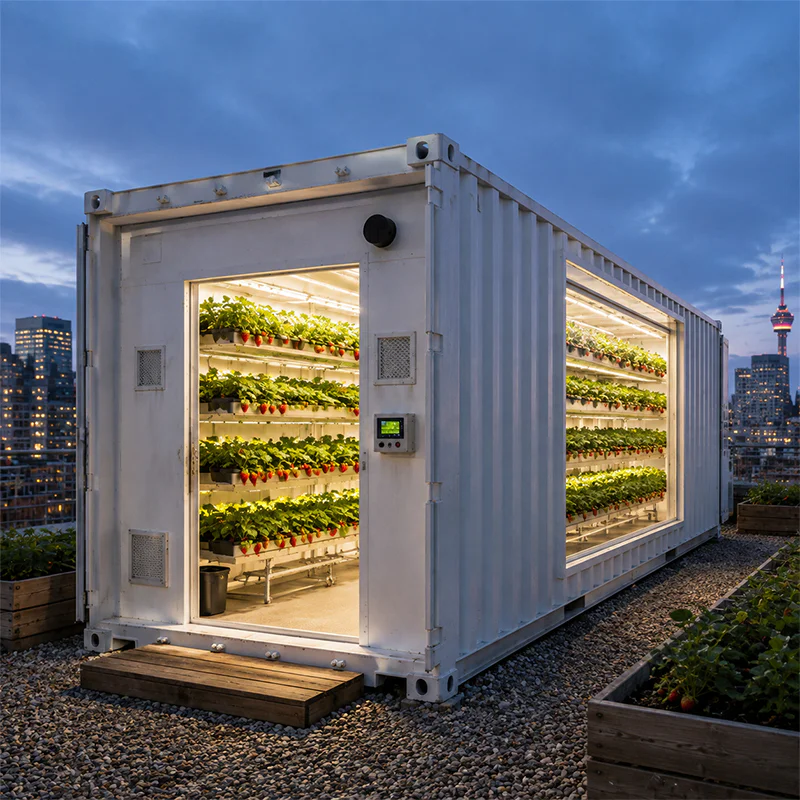
Hydroponic growing racks are often used in indoor farms, plant factories, seedling rooms, and research projects. Multi-layer racks can increase production per square meter by using vertical space.
These systems may include LED lights, irrigation, airflow, trays, and nutrient circulation. They are suitable for seedling propagation, microgreens, leafy greens, and high-density indoor growing.

How to Compare Different Hydroponic Growing Systems
Before purchasing a system, growers should compare more than price. The best choice depends on how the system works, what crops it supports, and how much management it requires.
Active vs Passive Hydroponic Systems
Active systems use pumps, timers, aerators, or circulation equipment to deliver water and nutrients. NFT, DWC, drip, and aeroponic systems are usually active systems. They can support better control, but they also rely on equipment.
Passive systems use wicks or simple water movement without active pumping. They are easier to manage for small setups, but they are usually less suitable for commercial production.
Vertical vs Horizontal Hydroponic Layouts
Vertical systems, such as hydroponic towers and multi-layer racks, save floor space and increase planting density. They are useful for limited land or indoor spaces.
Horizontal systems, such as NFT channels, DWC beds, Dutch buckets, and drip systems, are easier to inspect, harvest, and maintain. They are often used in commercial greenhouses where there is enough floor area.
Indoor Hydroponic Systems vs Greenhouse Hydroponic Systems
Indoor systems depend heavily on artificial lighting, ventilation, temperature control, and electricity. They allow year-round production but require careful energy and climate planning.
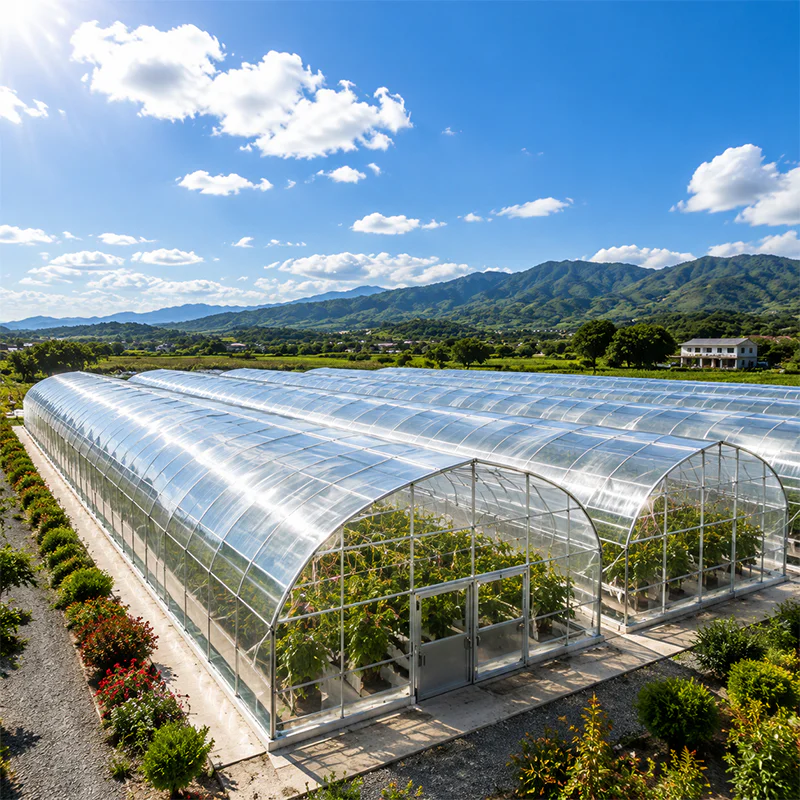
Greenhouse hydroponic systems use natural sunlight and can reduce lighting costs in suitable climates. However, greenhouse projects still need ventilation, shading, cooling, or heating depending on local weather.
Small Hydroponic Setups vs Commercial Hydroponic Systems
Small systems are useful for learning, testing crops, or supplying a small restaurant. Commercial systems need stronger planning, including water tanks, pumps, channels, drainage, labor access, climate control, and crop scheduling.
A system that works well for a small trial may need redesign before scaling into commercial production.
Which Crops Are Suitable for Hydroponic Growing Systems?
Crop type is one of the most important factors when choosing hydroponic equipment.
Leafy Greens and Herbs
Lettuce, basil, spinach, kale, bok choy, mint, parsley, and other leafy greens are commonly grown hydroponically. These crops have shorter growth cycles and smaller root systems, so they work well in NFT, DWC, towers, and racks.
Strawberries and Small Fruit Crops
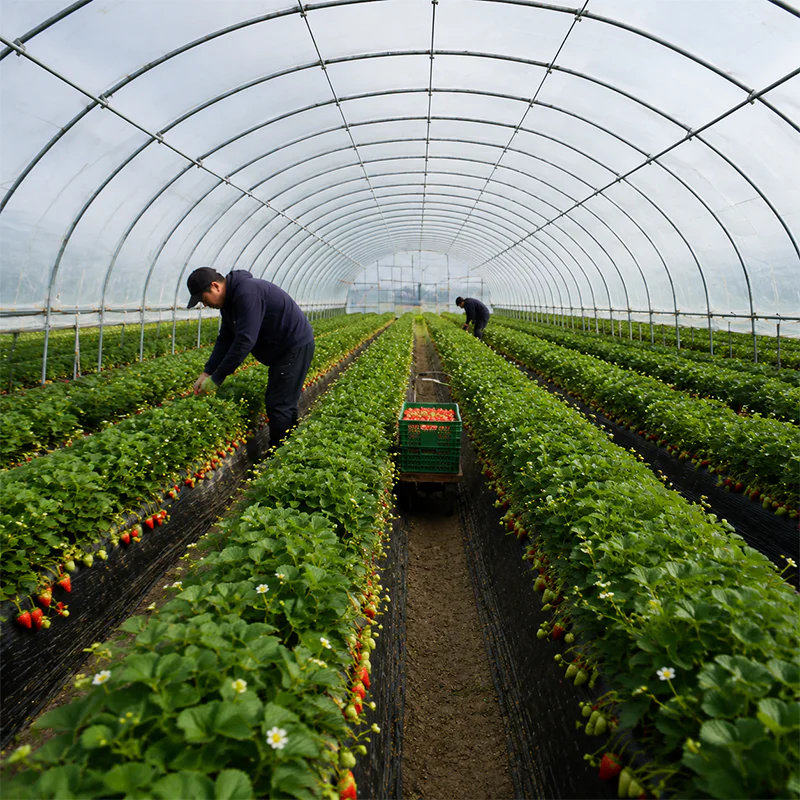
Strawberries can grow well in hydroponic gutters, towers, troughs, or drip systems. Good design should support proper root space, airflow, flower pollination, and fruit picking access.
Tomates, pepinos y pimientos
Fruiting vegetables need more root space, stronger plant support, and longer crop cycles. Dutch bucket and drip systems are often more suitable than NFT for these crops. Trellising, pruning space, and greenhouse height should also be considered.
Seedlings and Nursery Plants
Seedlings can be grown in trays, racks, and controlled propagation systems. Hydroponic seedling systems help improve uniformity when water, light, and temperature are managed well.
Crops That Need Special Hydroponic Design
Some crops with large roots, heavy fruits, or long growth cycles need special system design. Broccoli, cabbage, melons, and some root crops may not fit standard NFT channels. For these crops, growers should evaluate root volume, plant weight, spacing, and support before choosing a system.

Key Benefits of Hydroponic Growing Systems
Hydroponics offers practical advantages when the system is matched with the crop and managed correctly.
Better Space Utilization for High-Density Growing
Vertical towers, multi-layer racks, and organized NFT systems can increase production in limited space. This is valuable for urban farming, greenhouse projects, and container farms.
More Controlled Water and Nutrient Management
Growers can adjust nutrient concentration, pH, water flow, and irrigation frequency according to crop needs. This makes production more predictable than relying only on soil conditions.
Stable Crop Quality and Predictable Production
Controlled growing conditions can support more uniform plant size, cleaner appearance, and stable harvest schedules. This is important for commercial buyers who need consistent supply.
Cleaner Growing Environment with Less Soil-Borne Risk
Because hydroponic systems do not rely on field soil, they can reduce some soil-borne disease risks. However, water sanitation, root health, and system cleaning are still important.
Suitable for Greenhouses, Vertical Farms and Container Farms
Hydroponic growing systems can be integrated into many project types, including commercial greenhouses, plant factories, urban farms, research facilities, and container farms.
How to Choose the Right Hydroponic Growing System
A practical selection process should start with crops and operation goals.
Start with Your Crop Type and Root Space Requirements
Leafy greens usually need less root space than tomatoes or cucumbers. NFT may be good for lettuce, while Dutch buckets or drip systems may be better for fruiting crops. Choosing a system without considering root space can create later problems.
Consider Your Available Growing Space
For narrow or limited spaces, tower systems and racks can improve space utilization. For larger greenhouses, horizontal NFT, DWC, Dutch bucket, or drip systems may be easier to operate.
Match the System with Your Production Goal
A restaurant supply project may need fresh herbs and leafy greens every week. A commercial farm may need stable volume and predictable harvest cycles. A research project may need flexible system testing. Different goals require different layouts.
Compare Maintenance, Labor and Automation Needs
Some systems are easy to clean and inspect. Others require more technical control. Before choosing, consider who will operate the system, how often it needs cleaning, and whether automation is necessary.
Plan Water Tanks, Pumps, Pipes and Drainage
The growing area is only part of the system. Nutrient tanks, pumps, filtration, pipes, return channels, and drainage must be included in the layout. Poor planning can make maintenance difficult.
Balance Initial Budget with Long-Term Operation Cost
A lower-cost system may be attractive, but it should still support stable production. Growers should compare installation cost, labor, energy, maintenance, crop value, and expansion potential.
Best Hydroponic Growing Systems for Different Applications
The best system depends on the application, not only the crop.
Best System for Leafy Vegetable Production
NFT and DWC systems are often suitable for leafy vegetable production. NFT is clean and efficient for smaller leafy crops, while DWC can provide more root space and stable water conditions.
Best System for Strawberry Growing
Hydroponic towers, gutters, troughs, and drip systems can all be used for strawberries. The best choice depends on picking access, plant density, greenhouse layout, and labor efficiency.
Best System for Tomato and Cucumber Growing
Dutch bucket and drip hydroponic systems are often more practical for tomatoes and cucumbers because they provide better root space and plant support. Trellising and greenhouse height are also important.
Best System for Seedling Propagation
Multi-layer hydroponic racks and seedling trays are suitable for propagation. They can provide uniform light, water, and growing conditions if the environment is well controlled.
Best System for Container Farming
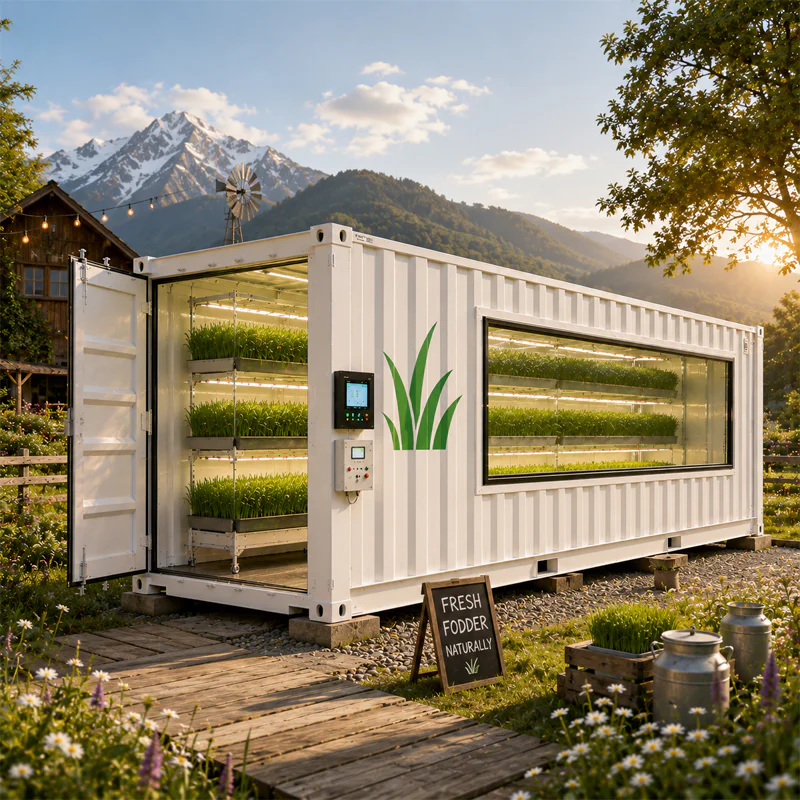
Container farms often use vertical racks, NFT channels, or hydroponic towers to maximize limited space. Because containers have fixed dimensions, system layout must be planned carefully before installation.
Best System for Commercial Greenhouse Projects
Commercial greenhouse projects may use NFT, DWC, Dutch buckets, drip systems, or a combination of systems. The final choice should be based on crop plan, climate, production target, labor, and budget.

Common Hydroponic Accessories and Supporting Equipment
A complete system includes more than channels or towers.
Nutrient Tanks and Water Pumps
Nutrient tanks store the water and fertilizer solution. Pumps move the solution through the system. Tank size and pump capacity should match the number of plants and system layout.
Growing Channels, Buckets, Towers and Racks
These are the main crop-support structures. Channels are common in NFT systems, buckets are used for larger fruiting crops, towers save space, and racks support multi-layer production.
LED Grow Lights for Indoor Hydroponic Systems
Indoor hydroponics often requires LED grow lights. Light intensity, spectrum, distance, and photoperiod should match the crop stage and production goal.
Sensors, Controllers and Automation Systems
Sensors and controllers can monitor or adjust pH, EC, temperature, humidity, lighting, and irrigation timing. Automation can improve consistency, especially in larger projects.
Filtration, Aeration and Irrigation Components
Filters help protect pumps and channels. Aeration supports root oxygen in DWC systems. Drippers, pipes, valves, and fittings are essential for stable water distribution.
Common Mistakes When Choosing Hydroponic Growing Systems
Avoiding common mistakes can reduce cost and improve long-term performance.
Choosing a System Only Based on Price
The cheapest system may not match your crop or production goal. A poor system choice can lead to lower yield, more maintenance, and higher replacement cost.
Using NFT Systems for Crops with Large Root Systems
NFT channels are not suitable for every crop. Large roots can block flow and cause uneven nutrient delivery. Fruiting crops and large leafy crops often need more root space.
Ignoring Water Temperature, Oxygen and Flow Rate
Root health depends on water temperature, oxygen, and flow. If these factors are not managed, plants may grow slowly or develop disease issues.
Forgetting Maintenance Access and Cleaning Space
Growers need space to inspect roots, clean channels, replace pumps, and repair pipes. A layout that looks efficient on paper may become difficult to manage if access is poor.
Not Matching the System with Local Climate and Facility Conditions
A system used indoors may not perform the same way in a hot greenhouse. Local climate, facility insulation, ventilation, cooling, and water quality should be considered before finalizing the design.
How Aurlant Supports Hydroponic Growing Projects
Aurlant provides hydroponic solutions for greenhouses, container farms, vertical farms, and commercial growing projects.
Hydroponic System Design Based on Crop and Space
Aurlant helps growers select suitable systems based on crop type, available space, climate conditions, and production goals. This reduces the risk of choosing a system that does not match the project.
NFT Systems, Hydroponic Towers, Growing Racks and Container Solutions
Aurlant offers NFT hydroponic systems, hydroponic tower systems, growing racks, seedling systems, and container farming solutions for different applications.
Integration with Greenhouses and Indoor Farming Facilities
Hydroponic systems can be integrated with greenhouse structures, shading, cooling, ventilation, irrigation, and environmental control systems. For indoor farms, layout, lighting, airflow, and automation should be planned together.
Customized Layout, Installation Guidance and Technical Support
Aurlant supports customized layout design, installation guidance, and after-sales technical support to help growers build a system that fits their crop and facility conditions.
FAQ About Hydroponic Growing Systems
What are hydroponic growing systems?
Hydroponic growing systems are soilless systems that grow plants using water and nutrient solution instead of soil. They may use channels, buckets, rafts, towers, racks, or growing media to support plant roots.
Which hydroponic system is best for beginners?
For beginners, simple NFT systems, small DWC systems, or basic drip systems can be easier to understand and manage. The best choice depends on the crop and available space.
What is the difference between NFT and DWC systems?
NFT systems use a thin flowing film of nutrient solution through channels. DWC systems keep roots suspended in deeper nutrient solution with aeration. NFT is often used for small leafy greens, while DWC provides more root space.
Are hydroponic towers suitable for commercial farming?
Hydroponic towers can be suitable for commercial farming, especially for lettuce, herbs, strawberries, and urban growing projects. However, lighting, spacing, maintenance access, and crop choice should be planned carefully.
Can hydroponic growing systems be used inside greenhouses?
Yes. Greenhouse hydroponics is common for leafy greens, tomatoes, cucumbers, peppers, strawberries, and herbs. The system should be matched with greenhouse height, ventilation, shading, cooling, and irrigation layout.
What crops are not suitable for standard hydroponic systems?
Some large-rooted, heavy, or long-cycle crops may not be suitable for standard systems such as narrow NFT channels. They may need DWC, Dutch buckets, drip systems, or customized support structures.
How do I choose a hydroponic system for a commercial project?
Start with crop type, target yield, available space, climate, labor, and budget. Then compare system type, root space, maintenance requirements, water tank layout, automation needs, and long-term operating cost.
Conclusión
Hydroponic growing systems provide a practical way to grow crops without soil while improving control over water, nutrients, oxygen, and space. They can support home growing, greenhouse farming, vertical farming, container farms, research projects, and commercial production.
The best system is not the most expensive or the most advanced. It is the system that matches your crop, facility, budget, labor ability, and long-term production goal. NFT systems, DWC systems, Dutch buckets, drip systems, towers, racks, and container solutions all have their own advantages and limitations.
For growers planning a commercial project, careful layout and system selection are essential. Aurlant can help evaluate crop requirements, space conditions, greenhouse integration, and equipment configuration, making hydroponic farming more practical and efficient.