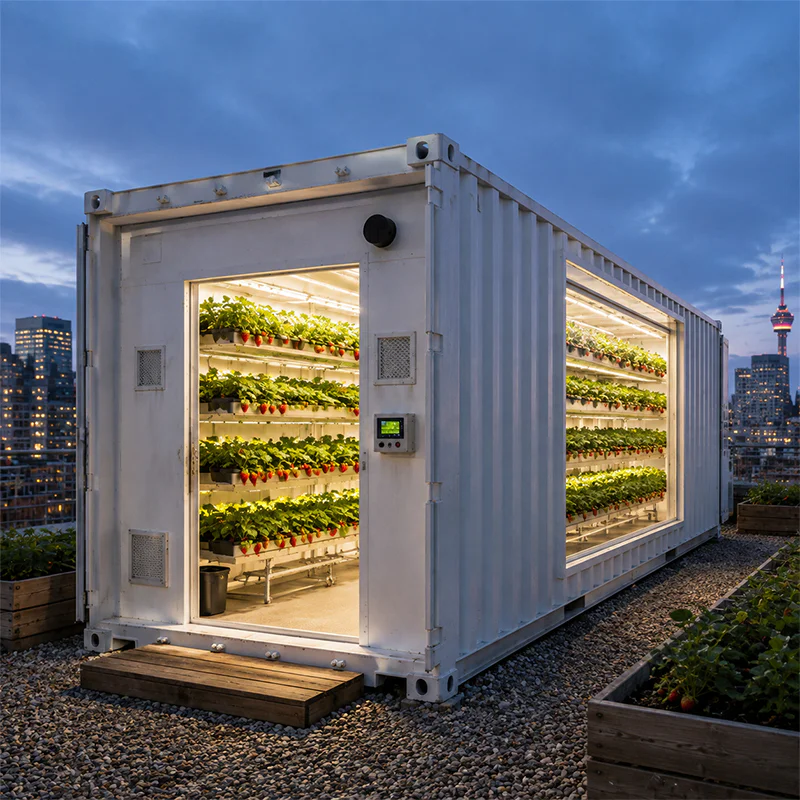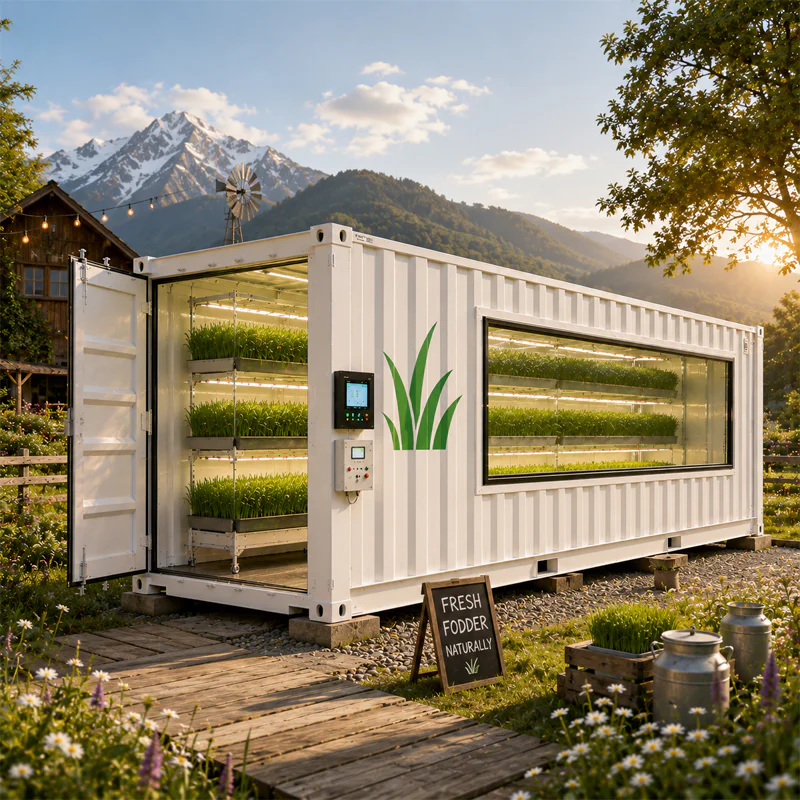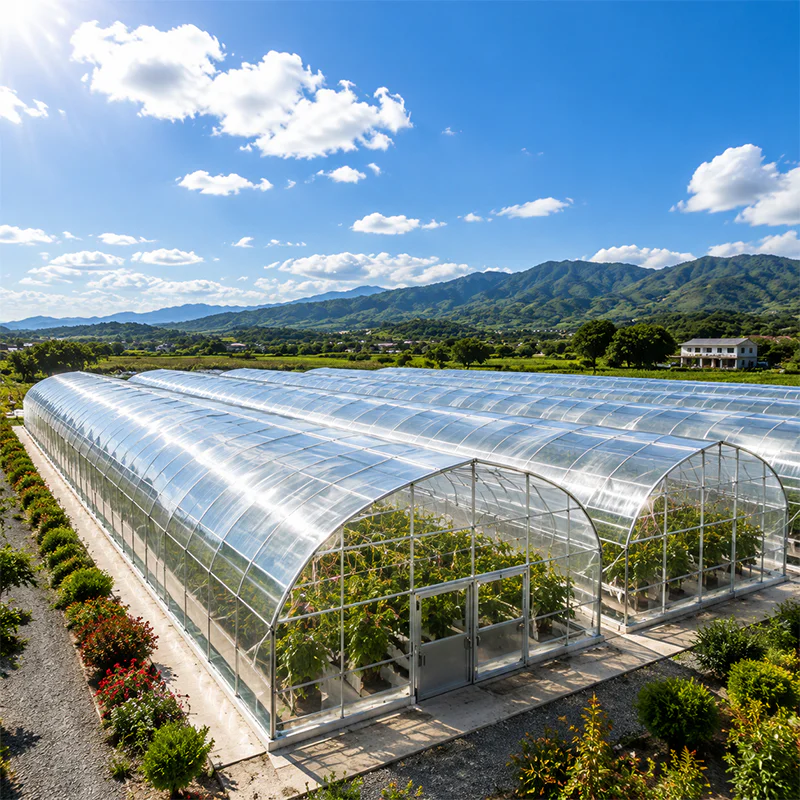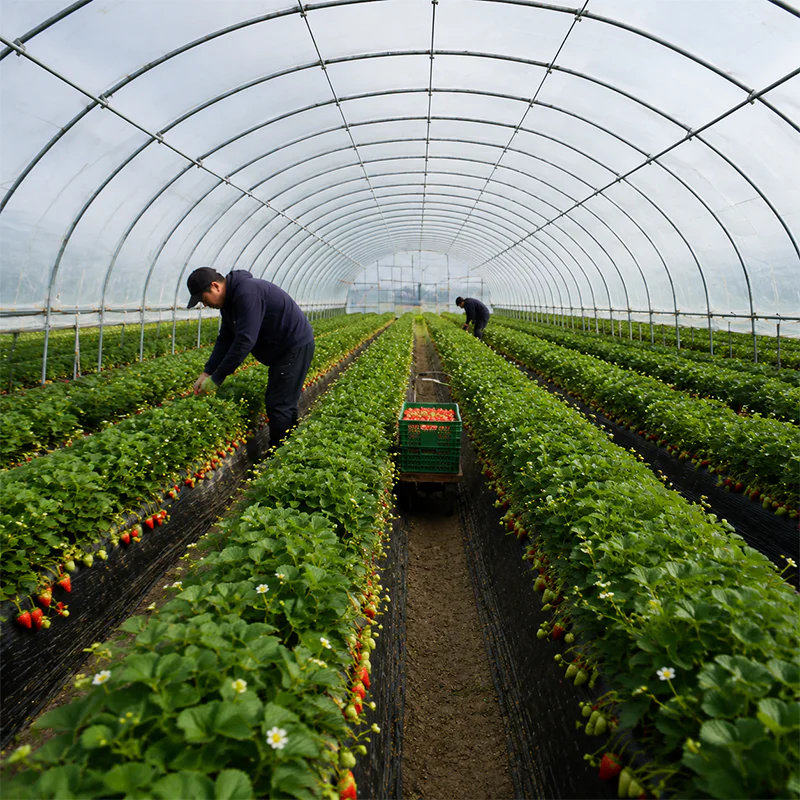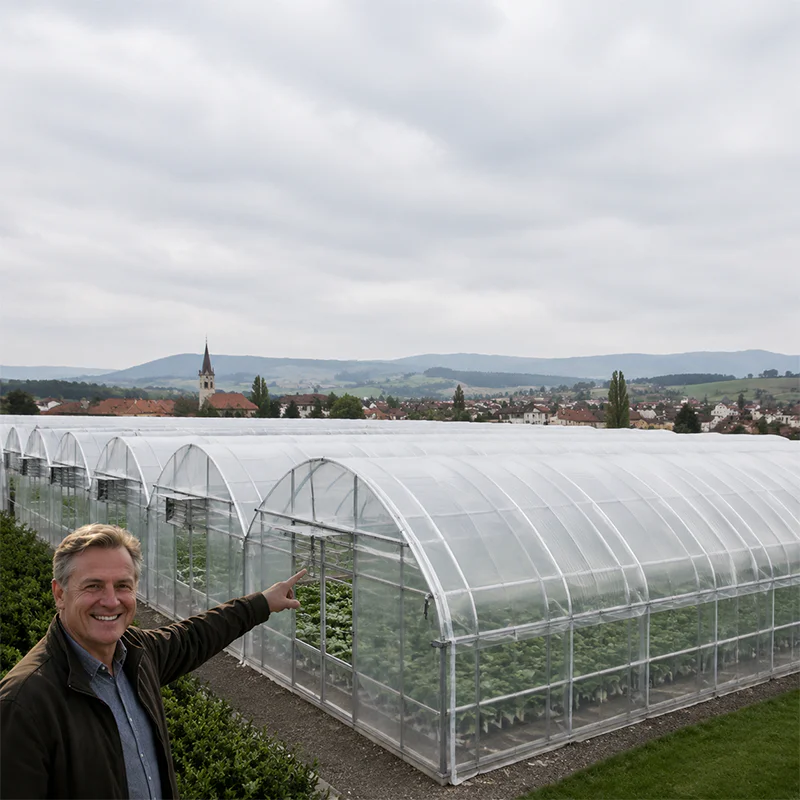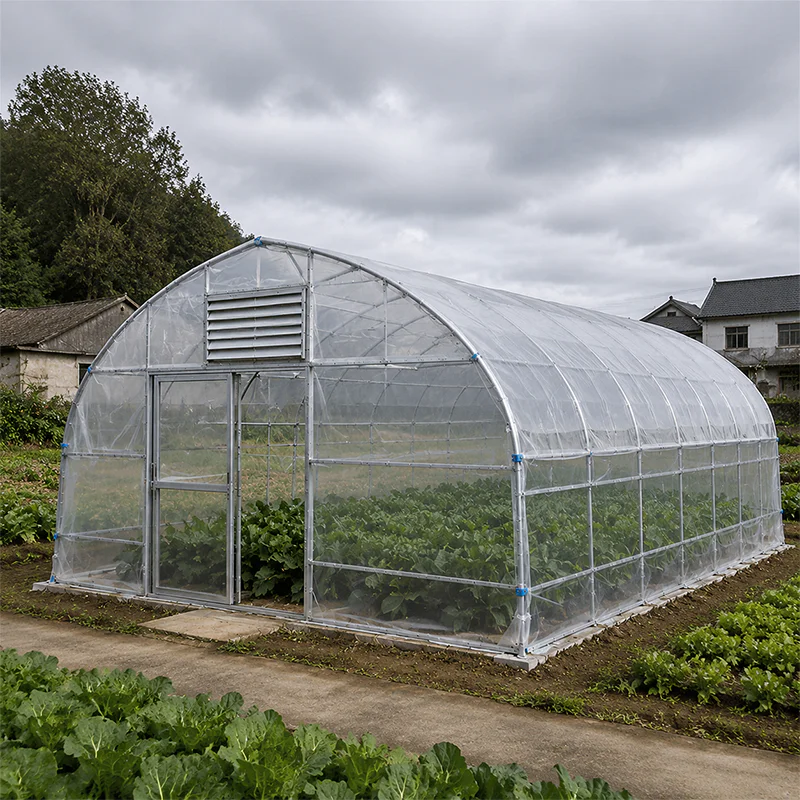






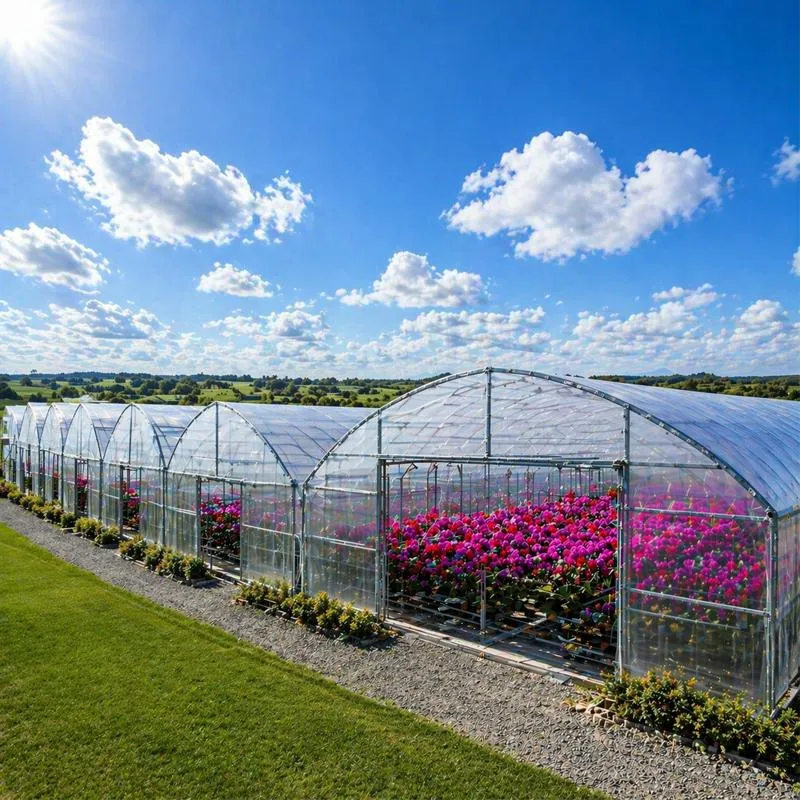
Choosing the right greenhouse size is not only about fitting a structure onto your land. It directly affects planting capacity, crop quality, labor efficiency, ventilation, irrigation layout, and long-term production value. For vegetable and flower growers, Standard Greenhouse Sizes provide a useful starting point, but the best choice still depends on crop type, growing method, budget, and future expansion plans.
For home growers, small greenhouses such as 6×8 ft, 8×10 ft, and 10×12 ft are common. For small farms, 20×30 ft and 30×50 ft are more practical. For commercial vegetable and flower production, 30×100 ft, 500 sqm, 1,000 sqm, or larger invernaderos de varias naves are often considered. This guide explains how these sizes are used and how to choose the right greenhouse size for vegetables and flowers.
Why Standard Greenhouse Sizes Matter for Vegetable and Flower Growing
Standard greenhouse sizes help growers compare structures, estimate budgets, and plan crop layouts more easily. They also make communication with greenhouse suppliers clearer.
How Greenhouse Size Affects Planting Capacity
Greenhouse size determines how many plants you can grow, but total area is not equal to planting area. A greenhouse must also include walkways, irrigation pipes, benches, tools, and working space. For example, leafy vegetables can be planted at higher density, while flowers in pots or trays may need wider spacing for movement and handling.
Why Vegetables and Flowers Need Different Space Planning
Vegetables and flowers have different growth habits. Lettuce, herbs, and seedlings can fit into compact rows or hydroponic systems. Tomatoes, cucumbers, and peppers need more height and trellis space. Flowers may require benches, pot spacing, sorting areas, and careful airflow to maintain quality.
Because of these differences, Standard Greenhouse Sizes should not be selected only by area. The internal layout must match the crop.
Standard Size vs Actual Usable Growing Area
A 30×100 ft greenhouse sounds large, but after adding aisles, irrigation equipment, fans, and work areas, the usable growing area becomes smaller. Professional growers should calculate the actual planting area before estimating production capacity.
¿Cuáles son las dimensiones estándar de los invernaderos?
Standard greenhouse sizes refer to commonly used greenhouse dimensions in the market. These dimensions are popular because they are easier to design, manufacture, ship, and install.
Common Greenhouse Size Units: Feet, Meters and Square Meters
Greenhouse sizes are often described in feet for small and medium structures, especially in North American markets. Common examples include 6×8 ft, 8×10 ft, 20×30 ft, and 30×100 ft.
For international and commercial projects, meters and square meters are also widely used. For example, 500 sqm and 1,000 sqm are more practical when discussing large farms or multi span greenhouse projects.
Small, Medium and Large Greenhouse Size Ranges
Small greenhouses usually include sizes such as 6×8 ft, 8×10 ft, and 10×12 ft. Medium greenhouses may include 20×30 ft and 30×50 ft. Large greenhouses can include 30×100 ft, 500 sqm, 1,000 sqm, or larger commercial structures.
These size ranges are not strict rules, but they help growers understand what type of greenhouse fits their project stage.
Why Commercial Projects Often Use Customized Standard Modules
Commercial greenhouse projects often use standard modules, such as repeated span widths and bay lengths. This allows the structure to be expanded while still keeping the design efficient. Customized standard modules are especially useful for vegetable farms, flower nurseries, and hydroponic projects.

Common Standard Greenhouse Sizes for Vegetables
Vegetable greenhouses need to support planting density, crop height, irrigation layout, and harvesting movement.
Small Vegetable Greenhouses: 6×8 ft, 8×10 ft and 10×12 ft
Small vegetable greenhouses are suitable for home gardens, seed starting, herbs, lettuce, spinach, and a small number of tomatoes or peppers. They are easy to manage and affordable for beginners.
However, small greenhouses fill up quickly. Once growers add shelves, pots, tools, and walkways, the remaining planting space may be limited.
Medium Vegetable Greenhouses: 20×30 ft and 30×50 ft
Medium greenhouse sizes are more suitable for small farms, restaurants, schools, and local vegetable growers. A 20×30 ft greenhouse can support regular production of leafy greens and herbs. A 30×50 ft greenhouse provides better space for crop rotation, work aisles, and simple irrigation systems.
Large Vegetable Greenhouses: 30×100 ft and Larger
A 30×100 ft greenhouse is commonly used for small commercial vegetable production. It can support leafy greens, tomatoes, cucumbers, peppers, herbs, and seasonal vegetables. For growers selling to local markets or restaurants, this size can offer a stronger production base.
Commercial Vegetable Greenhouse Sizes: 500 sqm, 1,000 sqm and Above
Commercial vegetable farms often require larger spaces. Greenhouses of 500 sqm, 1,000 sqm, or above can support more stable production and better labor organization. For high-value crops or year-round production, these larger structures may also include ventilation, shading, irrigation, cooling, heating, or fertigation systems.
Common Standard Greenhouse Sizes for Flowers
Flower production has different space requirements from vegetable production. Pots, trays, benches, and plant movement must be carefully planned.
Small Flower Greenhouses for Potted Plants and Seedlings
Small flower greenhouses are suitable for seedlings, potted flowers, and hobby growing. Sizes such as 8×10 ft and 10×12 ft can work well for home growers or trial production.
Medium Flower Greenhouses for Nursery and Seasonal Production
Medium greenhouses such as 20×30 ft and 30×50 ft are suitable for seasonal flowers, nursery plants, and potted plant sales. They provide more room for benches and plant handling.
Large Flower Greenhouses for Commercial Flower Farming
Commercial flower growers often need large greenhouses because flowers require careful spacing, sorting, and movement. Larger structures also make it easier to manage light, airflow, temperature, and humidity.
Greenhouse Size Planning for Benches, Pots and Plant Movement
Flower greenhouses should reserve enough space for benches, walkways, pot movement, packaging, and temporary storage. If the layout is too crowded, plant quality and worker efficiency can both decline.
Standard Greenhouse Sizes by Crop Type
Different crops require different internal layouts, even when the greenhouse size is the same.
Greenhouse Sizes for Leafy Vegetables and Herbs
Leafy greens and herbs can grow well in small, medium, or commercial greenhouses. They are suitable for soil beds, NFT systems, DWC systems, and vertical growing systems. Because they can be planted densely, they are often a good choice for maximizing space.
Greenhouse Sizes for Tomatoes, Cucumbers and Peppers
Tomatoes, cucumbers, and peppers need more height, airflow, and trellis support. A low or narrow greenhouse can make pruning, harvesting, and disease control more difficult. For these crops, height and aisle planning are just as important as floor area.
Greenhouse Sizes for Cut Flowers
Cut flowers need stable growing conditions and enough space for plant development. Depending on the variety, growers may need wider spacing, support systems, and clean working paths for harvesting.
Greenhouse Sizes for Potted Flowers and Nursery Plants
Potted flowers and nursery plants usually require benches or ground spacing. The greenhouse should allow workers to move plants, inspect growth, water evenly, and sort products before sale.
Greenhouse Sizes for Seedling Propagation
Seedling propagation can use smaller areas efficiently, especially with benches or trays. However, growers should still reserve space for transplanting, watering, and disease prevention.
How to Choose the Right Greenhouse Size for Vegetables
Vegetable greenhouse planning should start with crops and production goals.
Start with Crop Type and Planting Density
A lettuce greenhouse can be smaller than a tomato greenhouse with the same target plant number. Leafy vegetables can grow at high density, while fruiting vegetables require more space.
Plan Enough Height for Trellised Vegetables
Trellised crops need vertical space. Tomatoes and cucumbers often need higher structures to support better airflow and easier harvesting.
Reserve Space for Irrigation, Walkways and Harvesting
Growers should not fill the entire greenhouse with plants. Walkways and equipment space are necessary for daily work. A good layout improves efficiency and reduces crop damage.
Consider Seasonal or Year Round Production
Seasonal production may need a simpler greenhouse. Year-round production usually requires more attention to cooling, heating, shading, and ventilation. The size should match the equipment plan.
How to Choose the Right Greenhouse Size for Flowers
Flower greenhouse planning should focus on plant quality, handling space, and light distribution.
Calculate Space Based on Pots, Trays or Benches
Flower growers should calculate greenhouse size based on pot size, tray size, bench width, and working aisles. This method is more accurate than estimating by total area.
Leave Working Space for Sorting and Moving Plants
Flowers are often moved, grouped, trimmed, and prepared for sale. Enough working space helps reduce damage and improves order preparation.
Match Greenhouse Height with Flower Crop Requirements
Some flowers are compact, while others need more height. The greenhouse should provide enough vertical space for crop development and airflow.
Plan Ventilation and Light Distribution for Better Flower Quality
Flower quality depends heavily on light, temperature, and humidity. Larger or denser flower greenhouses need better ventilation and light planning.
Small Greenhouse Sizes: Best for Home Growers and Trial Planting
Small greenhouses are suitable for low-risk growing and learning.
When a Small Greenhouse Is Enough
A small greenhouse is enough when the goal is home use, seed starting, hobby growing, or trial planting. It is also easier to clean, ventilate, and maintain.
Suitable Vegetables and Flowers for Small Greenhouses
Lettuce, herbs, seedlings, small potted flowers, spinach, and compact vegetables can grow well in small greenhouses.
Limitations of Small Greenhouse Sizes
Small greenhouses have limited growing area and less room for equipment. They may not be suitable for commercial production or large crops.

Medium Greenhouse Sizes: Best for Small Farms and Local Sales
Medium greenhouses offer a practical balance between cost and production.
Why Medium Greenhouses Are More Practical for Regular Production
Medium structures provide enough room for crop rows, benches, irrigation, and harvesting. They are useful for growers who sell produce or flowers locally.
Suitable Layouts for Vegetable Rows and Flower Benches
A medium greenhouse can support vegetable rows on one side and flower benches on another, depending on the business model. This flexibility is useful for small farms.
How Medium Greenhouses Balance Cost and Growing Capacity
Medium greenhouses usually require more investment than small hobby structures, but they provide better production potential and more professional layout options.
Large and Commercial Greenhouse Sizes for Professional Production
Large greenhouses are suitable for growers who need stable output and efficient operations.
When to Choose a Large Greenhouse
Choose a large greenhouse when you have clear market demand, enough land, a stable crop plan, and the ability to manage larger production.
Multi Span Greenhouse Sizes for Vegetables and Flowers
Multi span greenhouses are widely used for commercial vegetable and flower production. They connect multiple spans into one larger growing area, improving land use and workflow.
How Commercial Greenhouse Sizes Affect Labor and Efficiency
Larger commercial greenhouse sizes can improve efficiency if the layout is well planned. However, poor design can increase walking distance, labor cost, and management difficulty.
Why Large Greenhouses Need Better Climate Control Planning
Large greenhouses require more systematic ventilation, shading, cooling, heating, and irrigation design. Climate control should be planned before construction, not after installation.
Standard Greenhouse Sizes vs Custom Greenhouse Sizes
Both standard and custom greenhouse sizes can be useful.
Benefits of Choosing Standard Greenhouse Sizes
Standard Greenhouse Sizes are easier to compare, quote, manufacture, and install. They are suitable for common crop types and simple projects.
When Custom Greenhouse Size Is Better
Custom greenhouse size is better when the land is irregular, the crop has special requirements, or the project needs automation, hydroponics, or future expansion.
How Custom Design Helps Improve Space Utilization
Custom design can improve internal layout, reduce wasted space, and support better crop management. For commercial growers, this can improve long-term value.
Key Factors That Affect Greenhouse Size Selection
Greenhouse size should be selected after reviewing practical conditions.
Available Land Area and Site Conditions
Land size, slope, sunlight, drainage, road access, and surrounding buildings all affect greenhouse planning.
Crop Spacing and Growth Habit
Different crops need different spacing. Tall crops, bushy plants, potted flowers, and seedlings all require different layouts.
Walkways, Benches and Equipment Space
A greenhouse should include enough space for workers, carts, irrigation, tools, fans, and storage. Usable area matters more than total area.
Ventilation, Cooling, Heating and Shading Needs
The greenhouse size should match the climate control system. Larger greenhouses may need stronger ventilation and more advanced environmental control.
Budget, Installation Cost and Future Expansion
A larger greenhouse costs more to build and operate. However, a greenhouse that is too small may limit future growth. The best size should balance cost and long-term needs.
Errores habituales a la hora de elegir el tamaño de un invernadero
Avoiding common mistakes can save cost and reduce future problems.
Choosing Only Based on Total Area
Total area does not show how much planting space is truly available. Always calculate usable growing area.
Ignoring Working Space and Equipment Space
Without enough working space, daily operation becomes slow and inefficient.
Elegir un invernadero demasiado bajo para cultivos altos
Tall crops need enough height. A low greenhouse can reduce airflow and make crop care difficult.
Not Planning for Future Expansion
If demand grows, expansion may become expensive if the original layout was not planned properly.
Comparing Price Without Considering Long Term Production Value
The cheapest greenhouse is not always the best choice. A better size and layout may bring stronger long-term production value.

Recommended Standard Greenhouse Sizes for Different Growers
The right size depends on the grower’s purpose.
Best Size for Home Vegetable and Flower Growing
For home growers, 8×10 ft or 10×12 ft is usually practical. It provides enough room for basic crops while remaining easy to manage.
Best Size for Small Farm Vegetable Production
For small farms, 20×30 ft, 30×50 ft, or 30×100 ft can support regular vegetable production and local sales.
Best Size for Flower Nursery and Potted Plant Production
Flower nurseries may need medium or large greenhouses with benches and wide aisles. The best size depends on pot number, bench layout, and sales volume.
Best Size for Commercial Vegetable and Flower Farms
Commercial vegetable and flower farms often need 500 sqm, 1,000 sqm, or larger greenhouse projects. Multi span structures are usually better for professional production.
How Aurlant Helps Choose Standard Greenhouse Sizes
Aurlant helps growers choose greenhouse sizes based on crop type, land conditions, climate, budget, and production goals.
Greenhouse Size Suggestions Based on Crop Type
Aurlant can recommend suitable greenhouse sizes for vegetables, flowers, nursery plants, hydroponics, and seasonal growing.
Standard and Customized Greenhouse Solutions
Aurlant provides standard greenhouse solutions and customized designs for different projects. This helps growers choose a structure that matches both current needs and future plans.
Layout Support for Vegetables, Flowers and Nursery Plants
Aurlant can support layout planning for crop rows, benches, walkways, irrigation, ventilation, and equipment space.
Quotation Support Based on Size, Structure and Equipment
Aurlant can prepare quotations based on greenhouse size, frame structure, covering material, and optional systems such as shading, cooling, irrigation, and ventilation.
FAQ About Standard Greenhouse Sizes
What are the most common standard greenhouse sizes?
The most common Standard Greenhouse Sizes include 6×8 ft, 8×10 ft, 10×12 ft, 20×30 ft, 30×50 ft, and 30×100 ft. Commercial projects may use 500 sqm, 1,000 sqm, or larger structures.
What size greenhouse is best for vegetables?
For home vegetables, 8×10 ft or 10×12 ft may be enough. For small farms, 20×30 ft or 30×50 ft is more practical. For commercial vegetable production, 30×100 ft or larger structures are often better.
What size greenhouse is best for flowers?
For flowers, the best size depends on whether you grow seedlings, potted flowers, cut flowers, or nursery plants. Medium and large greenhouses are usually better when benches and plant movement are required.
Is a 30×100 ft greenhouse suitable for commercial growing?
Yes, a 30×100 ft greenhouse can be suitable for small commercial growing, especially for vegetables, herbs, flowers, and local market supply. Larger commercial farms may need multiple units or multi span greenhouses.
Should I choose a standard or custom greenhouse size?
Choose a standard size for common crops and simple projects. Choose a custom size if your crop, land, climate, equipment, or expansion plan requires a more specific design.
Conclusión
The most common standard greenhouse sizes for vegetables and flowers range from small home structures such as 6×8 ft and 8×10 ft to commercial greenhouses of 500 sqm, 1,000 sqm, or larger. Small greenhouses are suitable for home growing and trial planting. Medium greenhouses support small farms and local sales. Large and multi span greenhouses are better for professional vegetable and flower production.
The right greenhouse size should not be selected only by total area. Growers should consider crop type, planting density, height, walkways, benches, equipment, ventilation, budget, and future expansion. With proper planning, Standard Greenhouse Sizes can provide a reliable foundation for efficient vegetable and flower growing.