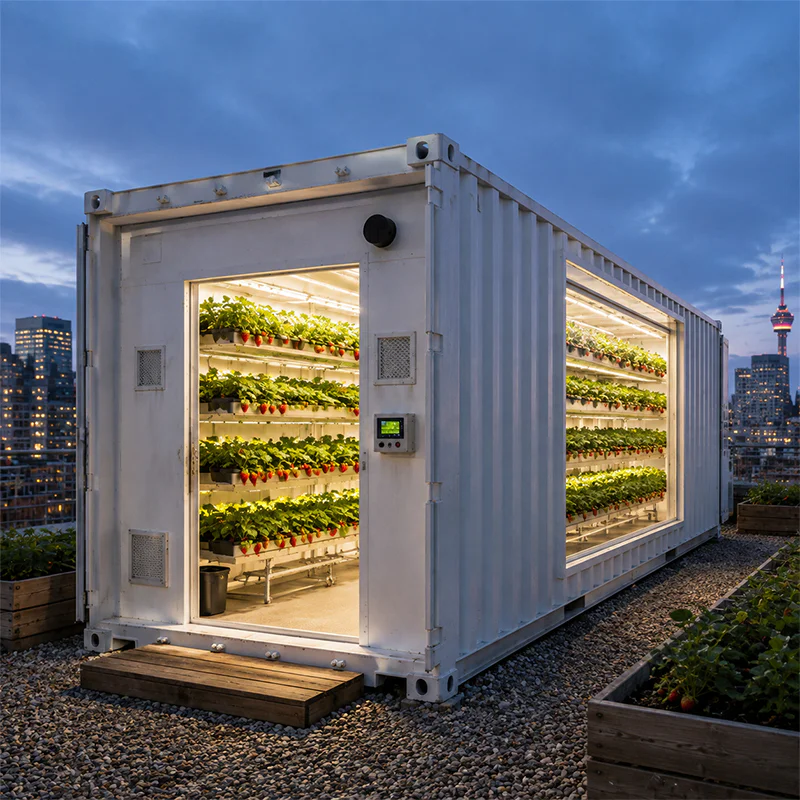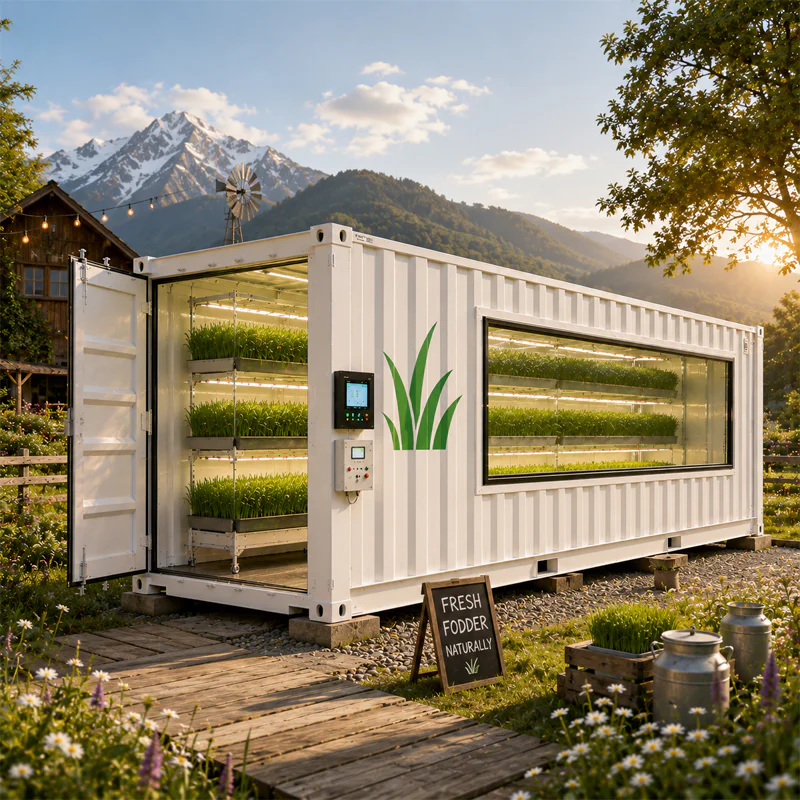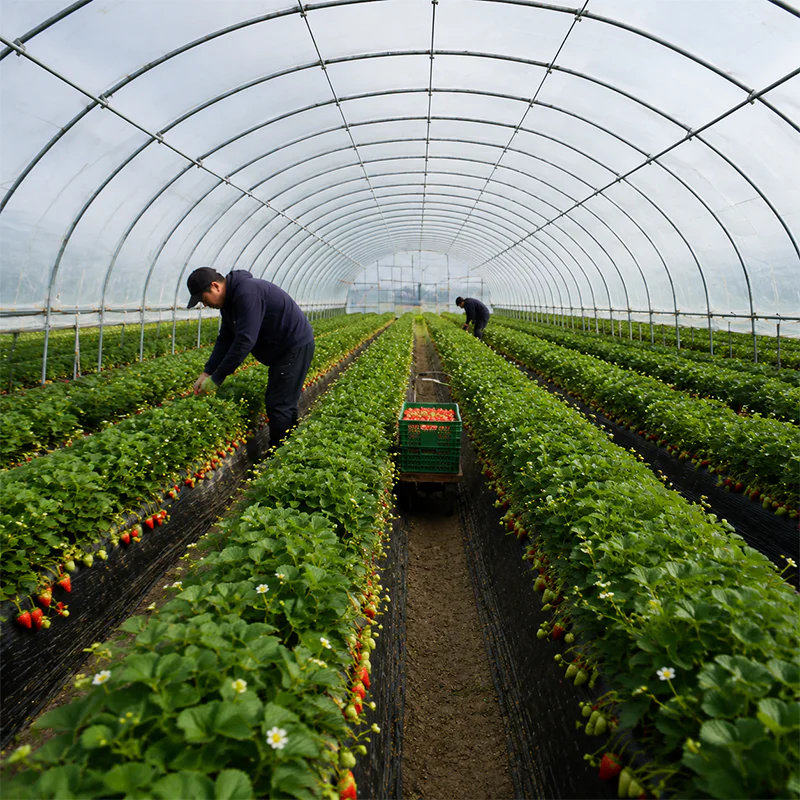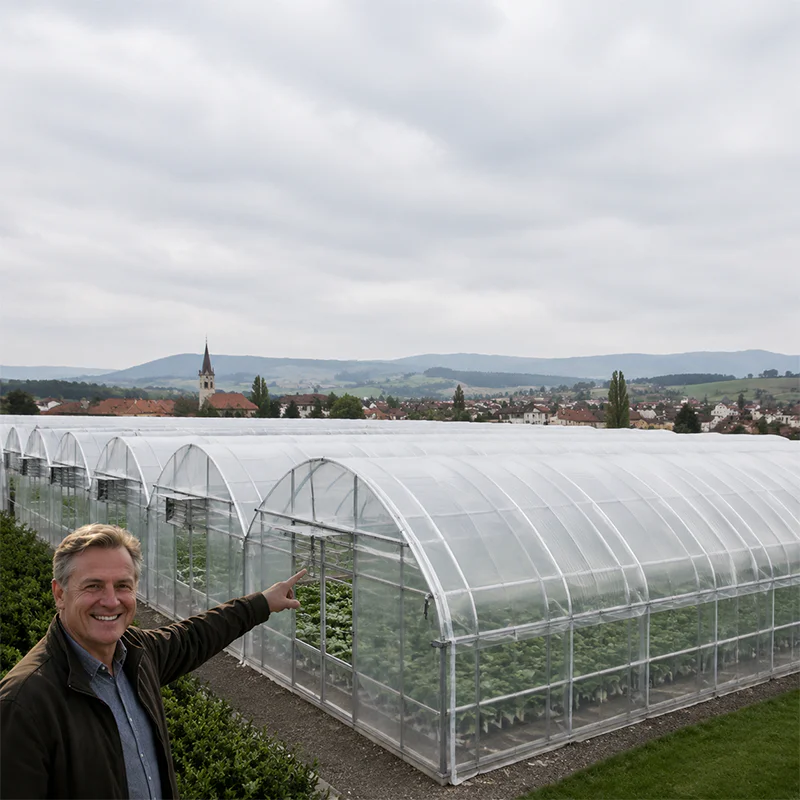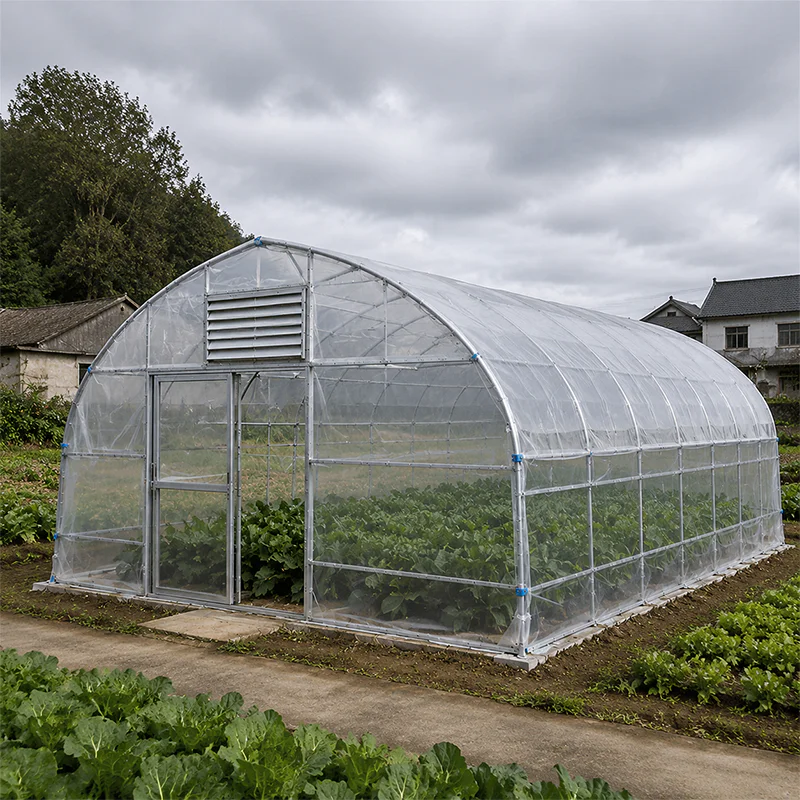







A hydroponic farming system is an advanced agricultural method used in modern controlled environment agriculture where crops are grown without soil, relying instead on nutrient-rich water solutions.
This technology has become increasingly important in commercial agriculture due to its ability to improve yield efficiency, reduce water usage, and support year-round crop production.
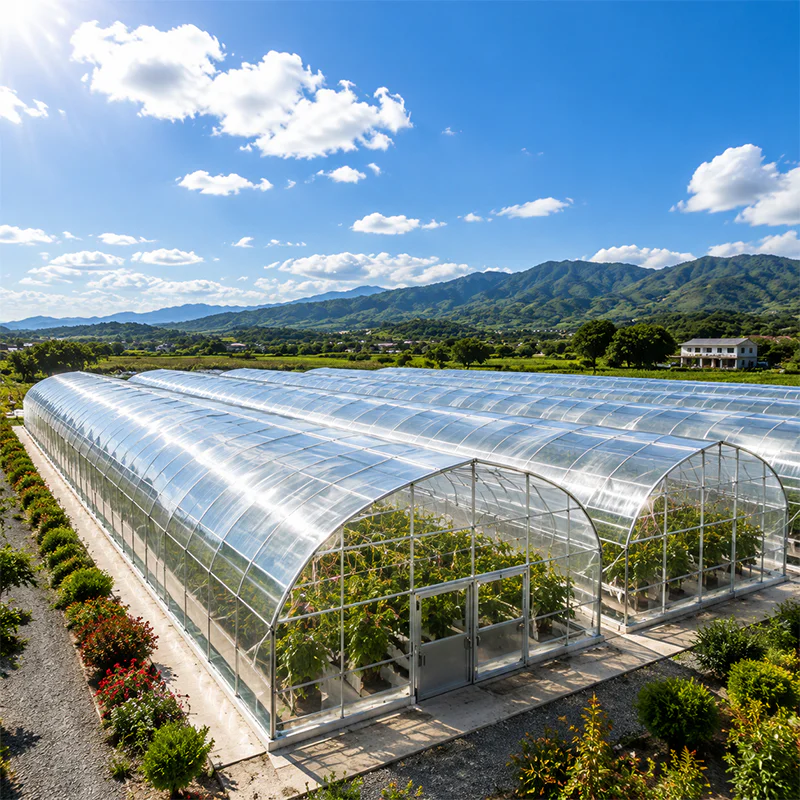
In modern agricultural development, hydroponic systems are often combined with greenhouse structures to create highly efficient production environments suitable for large-scale farming projects.
Before understanding advanced applications, it is important to explore the basic concept of hydroponic farming systems and how they function.

What Is a Hydroponic Farming System?
A hydroponic farming system is a soilless cultivation method where plants grow using a nutrient solution delivered directly to the root system.
Unlike traditional agriculture, this method eliminates soil dependency and allows precise control over plant nutrition and water delivery.
In controlled environment agriculture systems, hydroponic farming is widely used to increase productivity and optimize resource efficiency.
For beginners, understanding the relationship between hydroponics and greenhouse design for hot climate agricultural projects is essential, as greenhouse structures provide the environmental stability required for hydroponic cultivation.
How Hydroponic Farming Systems Work
Hydroponic systems operate by delivering a balanced nutrient solution directly to plant roots.
The working mechanism includes:
- Water acts as the nutrient carrier
- Roots absorb minerals directly from solution
- Oxygen is supplied to prevent root suffocation
- Circulation systems maintain nutrient balance
This system allows plants to grow faster compared to soil-based farming, especially in controlled agricultural environments.
Key Components of Hydroponic Systems
A commercial hydroponic farming system includes several essential components:
Nutrient Reservoir
Stores water mixed with essential minerals required for plant growth.
Delivery System
Pumps and tubing distribute nutrient solutions evenly to plant roots.
Growing Medium
Materials such as rock wool, coco coir, or perlite support plant stability.
Oxygenation System
Ensures root zones receive sufficient oxygen for healthy growth.
Monitoring System
Tracks pH levels, nutrient concentration, and water quality.
Types of Hydroponic Farming Systems
Different hydroponic systems are used depending on crop type and production scale:
- Nutrient Film Technique (NFT) system
- Deep Water Culture (DWC) system
- Drip irrigation hydroponic system
- Vertical hydroponic farming system
- Ebb and flow system
Each system offers unique advantages depending on agricultural requirements and infrastructure design.
Advantages of Hydroponic Farming Systems
Hydroponic systems offer several key benefits:
- Higher crop yield per unit area
- Reduced water consumption compared to soil farming
- Faster plant growth cycles
- Lower pesticide usage
- Suitable for vertical farming systems
- Ideal for controlled environment agriculture systems
These advantages make hydroponics highly suitable for commercial agricultural projects.
Limitations of Hydroponic Systems
Despite its advantages, hydroponic farming systems also have limitations:
- Higher initial investment cost
- Requires technical knowledge for operation
- Dependence on electricity and pump systems
- Risk of system failure without monitoring
Commercial Applications
Hydroponic systems are widely used in:
- Commercial vegetable production
- Urban agriculture projects
- Vertical farming systems
- Greenhouse integrated farming systems
- Controlled environment agriculture facilities
These systems are particularly effective in regions with limited arable land or extreme climate conditions.
Integration with Greenhouse Systems
Hydroponic systems are often combined with greenhouse structures to form a complete controlled production environment.
This integration improves environmental stability and increases production efficiency.
For structural understanding, you may refer to greenhouse types for commercial farming systems which explains different greenhouse structures suitable for hydroponic integration.
Economic Importance
Hydroponic farming systems are not only agricultural technologies but also commercial investment models.
They enable:
- High-density crop production
- Year-round cultivation
- Reduced land dependency
- Scalable farming operations
Proper system design ensures strong return on investment in commercial agriculture.

Conclusión
A hydroponic farming system is a modern agricultural innovation that enables efficient soilless crop production under controlled environmental conditions.
With proper system integration and greenhouse support structures, hydroponics plays a key role in the future of sustainable commercial agriculture.
PREGUNTAS FRECUENTES
What is a hydroponic farming system?
It is a soilless farming method where plants grow using nutrient-rich water solutions.
Is hydroponic farming profitable?
Yes, it can achieve high profitability in commercial agriculture due to efficient yield production.
What crops grow best in hydroponic systems?
Leafy greens, herbs, tomatoes, and cucumbers are commonly used.
Do hydroponic systems need soil?
No, hydroponic systems completely eliminate soil usage.