





Introduction to the Project
Modern agriculture is rapidly evolving, and Hydroponic Systems are becoming a key solution for improving productivity, consistency, and sustainability. In Laos, a large-scale smart agriculture project demonstrates how advanced hydroponic farming technologies can transform traditional cultivation methods into high-efficiency production systems.
This project, supported by the Belt and Road agricultural cooperation initiative, showcases how a commercial hydroponic system can successfully operate in Southeast Asia and deliver strong economic and agricultural results.
Project Overview
The project is one of the flagship agricultural developments in Laos, designed to introduce modern farming technologies and scalable production models.
- Total area: 10 hectares
- Phase I: 2.5 hectares (fully operational)
- Phase II: 7.5 hectares (under expansion)
The farm integrates advanced Hydroponic Systems with intelligent environmental control, creating a highly efficient and standardized production environment.

Challenges in Traditional Agriculture
Before the implementation of hydroponic systems, local agriculture in Laos faced several limitations:
- Dependence on seasonal weather conditions
- Inconsistent crop quality
- Limited yield and productivity
- Difficulty meeting high-end market demand
These challenges created the need for a more reliable and scalable farming solution.
Solution: Advanced Hydroponic Systems Integration
To address these challenges, the project introduced a fully integrated Hydroponic Systems solution.
For leafy vegetables such as lettuce, the farm adopts NFT Hydroponic System, which allows a continuous flow of nutrient solution, ensuring efficient water use and faster growth cycles.
In addition, modern hydroponic farms often incorporate Vertical Hydroponic System to maximize space utilization. This multi-layer cultivation approach significantly increases yield per unit area and supports high-density planting.
Some configurations can also integrate Tower Hydroponic System (bucket-style growing systems), which are suitable for flexible layouts and efficient crop management in compact environments.
By combining these hydroponic systems with a smart container farm–level environmental control system, including temperature, humidity, and lighting automation, the project achieves stable, year-round production with consistent quality.

Results and Performance
The implementation of advanced hydroponic systems has delivered strong and measurable results:
- Year-round production regardless of climate
- Improved crop quality and consistency
- Increased yield per square meter
- Faster growth cycles
- Reduced dependency on traditional farming conditions
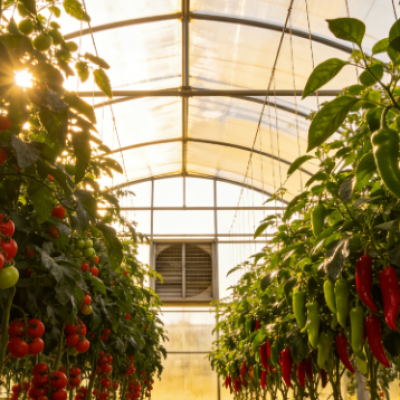
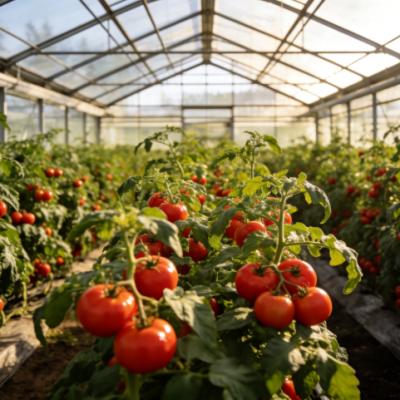
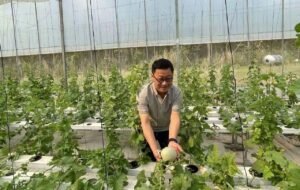
Crops such as lettuce, tomatoes, and melons are produced with high uniformity and quality, meeting the standards of premium markets.
Market Impact and Commercial Value
The produce grown using Hydroponic Systems is supplied to supermarkets, hotels, and restaurants in Vientiane and surrounding areas.
Due to its freshness, safety, and superior taste, the products are highly competitive in the local market and consistently in demand.
This project demonstrates how a customized hydroponic system can support commercial agriculture, improve supply chains, and create strong market value.
Scalable Hydroponic Farming Model
One of the key advantages of this project is its scalability.
The system design allows flexible expansion using:
- Additional growing modules
- Multi-zone production layouts
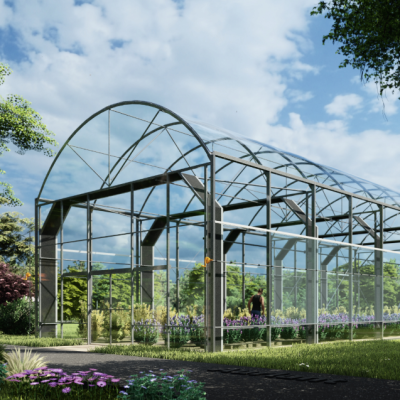
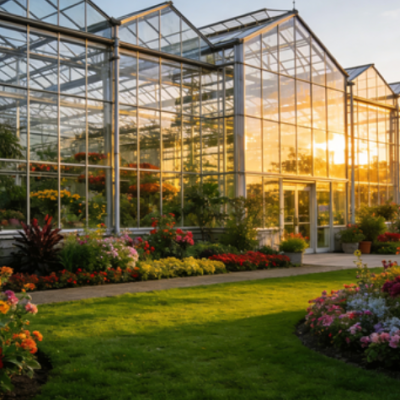
- Integration with greenhouse or container-based systems
Whether applied in a 20ft container farm, a 40ft container farm, or a large open-site facility, hydroponic systems can be adapted to different production scales and environments.
Why Hydroponic Systems Are Effective
This project highlights why Hydroponic Systems are becoming a preferred solution in modern agriculture:
- Precise control over nutrients and environment
- Efficient use of water and space
- Reduced reliance on climate conditions
- Consistent and predictable production
- Suitable for both small-scale and commercial operations
With the integration of automation, hydroponic farming is evolving into a smart agriculture solution with strong long-term potential.
Future Outlook
The success of this project provides a strong foundation for expanding hydroponic farming in Laos and other regions.
Future developments may include:
- Larger-scale hydroponic farming facilities
- More advanced smart control systems
- Expanded crop varieties
- Integration with vertical farming and container-based agriculture
This model serves as a reference for sustainable agricultural development in emerging markets.
Conclusion
This Laos project demonstrates how advanced Hydroponic Systems can successfully transform traditional agriculture into a modern, efficient, and scalable production system.
By combining technologies such as NFT Hydroponic System, Vertical Hydroponic System, and adaptable growing solutions like Tower Hydroponic System, the project delivers both agricultural and commercial success.
For growers, investors, and agricultural planners, this case proves that hydroponic systems are not only a viable solution—but a powerful tool for long-term, sustainable farming.