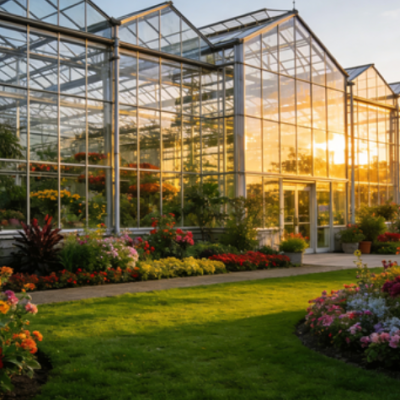






What is a Single Span Greenhouse?
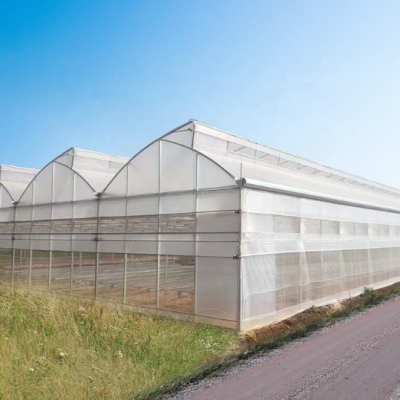
A single-span greenhouse is a freestanding agricultural building designed as a continuous unit without internal partitions or shared drainage systems. It is widely used in modern agriculture due to its simple structure, flexible design, and ability to create a controlled growing environment. Farmers and growers typically choose single-span greenhouses for small- to medium-scale production, especially when a cost-effective and scalable solution is needed.
These greenhouses often employ a tunnel-like design and are suitable for a variety of crops, including vegetables, fruits, and flowers. Commercial single-span greenhouses can also be used for larger-scale production, expanding capacity by installing multiple units side-by-side. With proper design and material selection, a durable single-span greenhouse can operate efficiently for many years.
Types of Single Span Greenhouses
Single-span greenhouses come in various structural types, each designed to meet different environmental and agricultural needs.
Arched Single Span Greenhouses
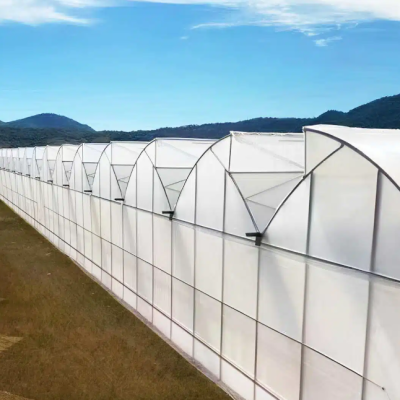
Arched single-span greenhouses are one of the most common types. They feature an arched roof structure that helps to evenly distribute wind and snow loads. This design improves stability and is suitable for regions with variable climates.
Plastic Film Single Span Greenhouses
Plastic film single-span greenhouses use polyethylene film as the covering material. This type of greenhouse is widely used due to its low cost and ease of installation. It is ideal for seasonal planting and entry-level agricultural projects.
Glass or Polycarbonate Greenhouses
While less common in basic applications, some growers opt for rigid covering materials such as glass or polycarbonate panels. These materials offer better insulation and durability, making them suitable for high-value crops.
Customized Modular Greenhouses
High-quality single-span greenhouses can also be customized to specific agricultural needs. Growers can adjust the size, ventilation system, and internal layout to suit their crops and climatic conditions.

Benefits of Single Span Greenhouses
Single-span greenhouses offer numerous advantages, making them a popular choice for growers.
Cost-Effectiveness
One of the main advantages of single-span greenhouses is cost. Compared to large multi-span greenhouse systems, plastic film single-span greenhouses require less material and have lower installation costs. This makes them ideal for farmers with limited budgets.
Flexible Installation
Single-span greenhouses have a simple structure and are quick to install. Commercial single-span greenhouses can also be expanded by adding units, allowing growers to scale up production over time.
Accommodation for Multiple Crops
Single-span greenhouses support the cultivation of a variety of crops, including leafy vegetables, strawberries, herbs, and flowers. The controlled environment helps maintain stable growing conditions.
Efficient Environmental Control
With proper ventilation, irrigation, and shading systems, durable single-span greenhouses can regulate temperature, humidity, and airflow. This helps improve crop quality and yield.
Space Optimization
While smaller than multi-span greenhouse systems, single-span greenhouses make efficient use of existing land. They are particularly suitable for farms with limited space.
Design Considerations for Single Span Greenhouses
Design is crucial to the performance of a single-span greenhouse. Several factors must be considered during the planning process.
Climate and Geographic Location
Greenhouse design should be tailored to local environmental conditions. Wind speed, temperature range, and solar radiation intensity all affect the greenhouse structure. In windy areas, arched single-span greenhouses are often a better choice.
Orientation and Layout
A suitable orientation ensures maximum sunlight exposure for the greenhouse. Typically, the greenhouse’s orientation is carefully designed to optimize light distribution throughout the day.
Ventilation System
Ventilation is essential for maintaining air quality and preventing overheating. Side vents, roof vents, and fans can be used to improve airflow.
Irrigation and Water Management
Efficient irrigation systems, such as drip irrigation or hydroponics, can be integrated into single-span greenhouses. A good drainage system is also crucial for preventing waterlogging.
Scalability
The design of commercial single-span greenhouses should consider future expansion needs. Modular layouts facilitate the easy addition of additional units.

Materials and Construction of Single Span Greenhouses
The choice of materials directly affects the durability and performance of the greenhouse.
Frame Materials
Most greenhouses use galvanized steel or aluminum frames. These materials are high-strength and corrosion-resistant, ensuring durability and long service life.
Covering Materials
Common covering materials include plastic film, polycarbonate sheets, and glass. Plastic film is the most economical choice, while polycarbonate offers better insulation.
Structural Stability
High-quality single-span greenhouses must be able to withstand environmental loads such as wind and snow. Proper anchoring and support systems are essential.
Construction Process
The installation process includes assembling the frame, laying the covering materials, and installing internal systems. Compared to complex greenhouse systems, single-span greenhouses are easier and faster to construct.
Maintenance and Care for Single Span Greenhouses
Regular maintenance ensures the long-term performance of a single span greenhouse.
Routine Inspection
Inspect the structure regularly for damage or wear. Check the frame, covering material, and connections.
Cleaning
Clean the covering material to maintain light transmission. Dust and dirt can reduce efficiency.
Repair and Replacement
Replace damaged parts promptly to prevent further issues, especially for plastic film coverings.
System Maintenance
Maintain irrigation, ventilation, and climate control systems to ensure proper operation.
Seasonal Adjustments
Adjust shading, ventilation, and heating systems based on seasonal changes to maintain optimal growing conditions.
Conclusion
A single span greenhouse is a practical and efficient solution for modern agriculture. Its simple structure, cost efficiency, and flexibility make it suitable for a wide range of farming applications. Whether used for small-scale production or expanded into a commercial single-span greenhouse, this system provides reliable performance and adaptability.
By selecting the right design, materials, and maintenance approach, growers can build a high-quality single-span greenhouse that supports long-term agricultural success.