








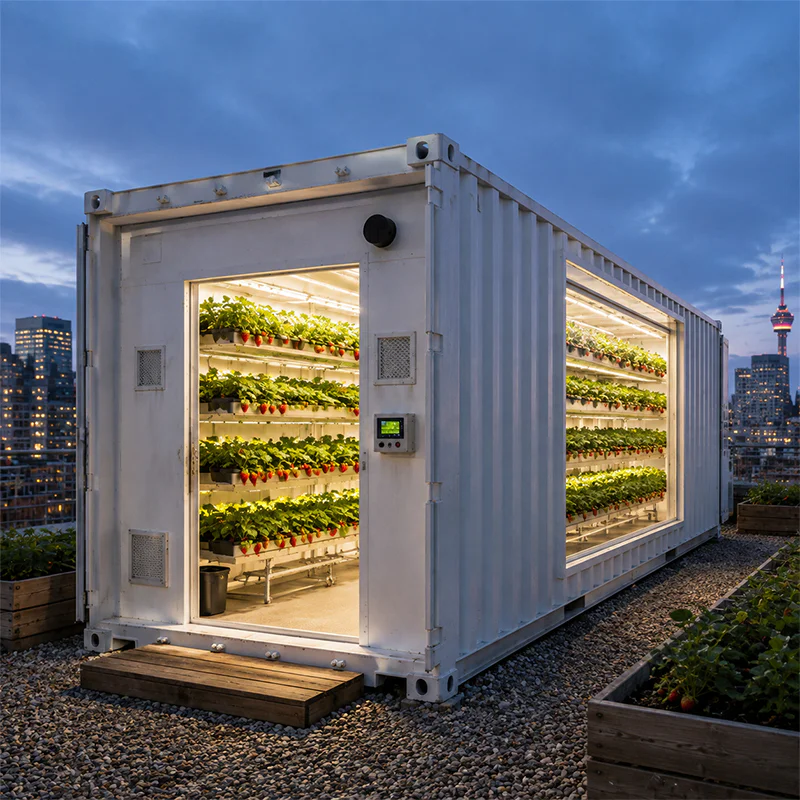
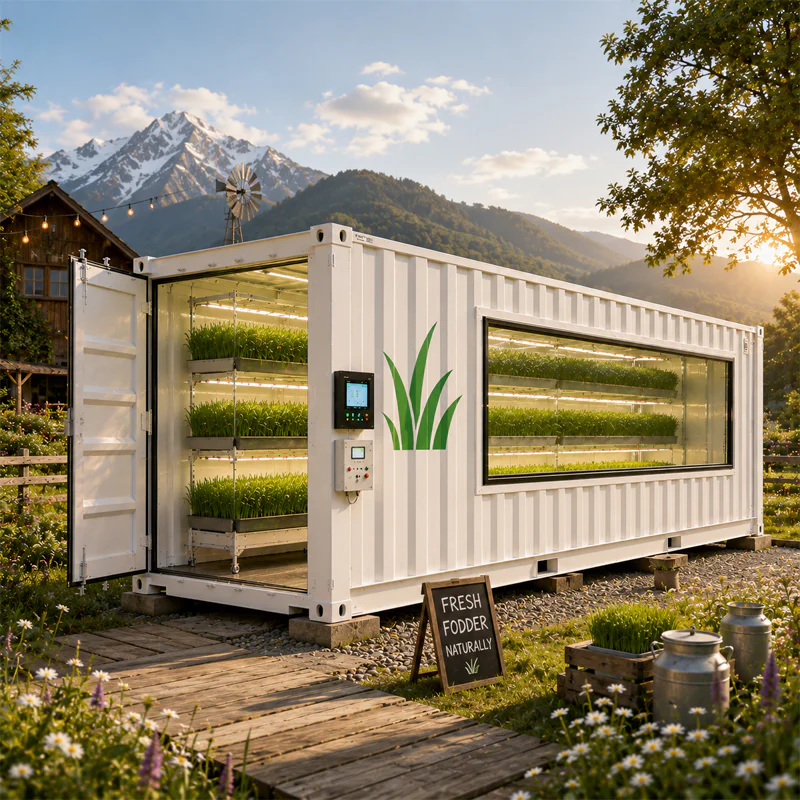
A hydroponic container farm typically costs between $50,000 and $150,000 depending on container size, automation level, lighting systems, insulation, and climate control requirements.
Smaller 20ft units designed for pilot projects or research are generally more affordable, while fully automated 40ft systems with multi-layer growing racks can cost significantly more.
Beyond the initial setup, growers should also consider electricity, HVAC maintenance, labor, and operating costs when evaluating long-term profitability.
Cost Breakdown of a Container Farm
Container farm costs can vary significantly depending on container size, automation level, lighting systems, and climate control requirements.
| System Type | Estimated Cost |
|---|---|
| Small 20ft Container Farm | $50,000–$70,000 |
| Mid-Size Hydroponic System | $70,000–$100,000 |
| Fully Automated 40ft Farm | $100,000–$150,000+ |
The final cost of a container farm depends heavily on insulation quality, LED lighting systems, hydroponic equipment, HVAC requirements, and automation features.
Multi-layer growing systems often require additional racks, lighting, and irrigation equipment, which can increase upfront costs but significantly improve production efficiency per square foot.
Using high-quality insulation and durable construction materials may increase upfront costs, but it can improve long-term reliability and reduce maintenance requirements.

Key Takeaways
• Most container farms cost between $50,000 and $150,000 depending on size and automation
• LED grow lights and HVAC systems are usually the largest upfront expenses
• Electricity and labor are often the biggest ongoing operating costs
• Leafy greens and herbs typically provide the fastest ROI
• Poor insulation can significantly increase cooling costs in hot climates

Cost Components of a Container Farm
Understanding each cost component will help you better plan your investment.
1. Container Purchase
The container is the foundation of the entire system.
- Used container: $2,000–$5,000
- New container: $5,000–$10,000
40ft high-cube containers are widely preferred because the additional height allows for vertical growing systems and improved airflow management.
High-quality used containers can be a cost-effective option for pilot projects or small-scale operations. However, for long-term growing operations, investing in a new, well-insulated container structure is usually the better choice for stability, climate control, and long-term durability.
2. Installation and Setup
Significant modifications are required to convert a shipping container into a fully functional farm:
- Insulation and panels: $5,000–$15,000
- Plumbing systems: $3,000–$8,000
- HVAC systems: $10,000–$25,000
Advanced climate control systems help maintain stable growing conditions, especially in regions with extreme temperatures.
3. Hydroponic Systems
Hydroponics is central to container farming:
- Basic systems: $5,000–$10,000
- Advanced systems: $10,000–$25,000
Multi-layer hydroponic growing systems help maximize production capacity within limited indoor growing space.
4. Lighting
Lighting is one of the largest investments:
- LED grow lights: $10,000–$30,000
Lighting is often one of the most expensive components in a container farm because crops rely entirely on artificial light in controlled environments. Multi-layer growing systems require even more lighting capacity, which can significantly increase both installation and electricity costs.
In larger indoor growing operations, high-efficiency lighting helps maintain consistent plant growth while reducing long-term electricity consumption.

5. Electronics and Automation
Automation can improve operational efficiency and reduce manual labor requirements:
- Sensors: $2,000–$5,000
- Control systems: $3,000–$10,000
- IoT integration: $2,000–$8,000
Fully automated monitoring and control systems can reduce labor requirements while improving operational efficiency and remote management capabilities.
6. Ongoing Operational Costs
Recurring expenses include:
- Electricity: $200–$800/month
- Water: $50–$200/month
- Nutrients and seeds: $100–$300/month
- Labor: depends on scale
Electricity costs vary significantly depending on local energy prices, crop type, and climate conditions.
Well-insulated growing containers combined with energy-efficient systems can significantly reduce long-term operating costs.
Hidden Costs Most Buyers Ignore
Many first-time buyers underestimate the long-term operating costs of container farming.
Electricity is often the largest monthly expense, especially in regions with high summer temperatures where cooling systems must run continuously.
Other commonly overlooked costs include:
• HVAC maintenance
• Humidity control
• Water filtration
• Pump replacement
• Cleaning labor
• Backup power systems
• Nutrient monitoring
These ongoing costs can have a major impact on long-term profitability.
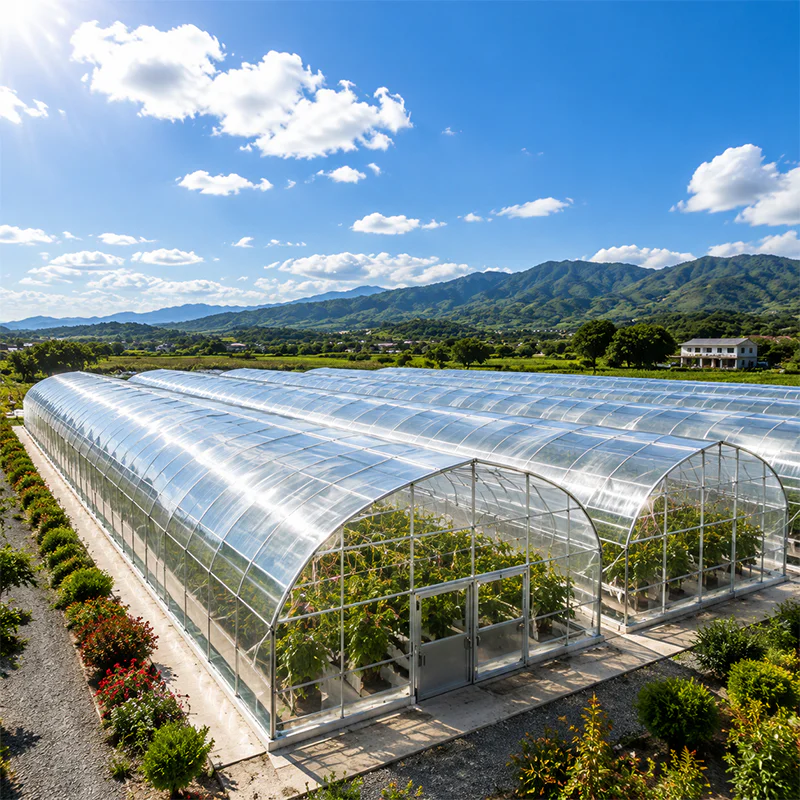
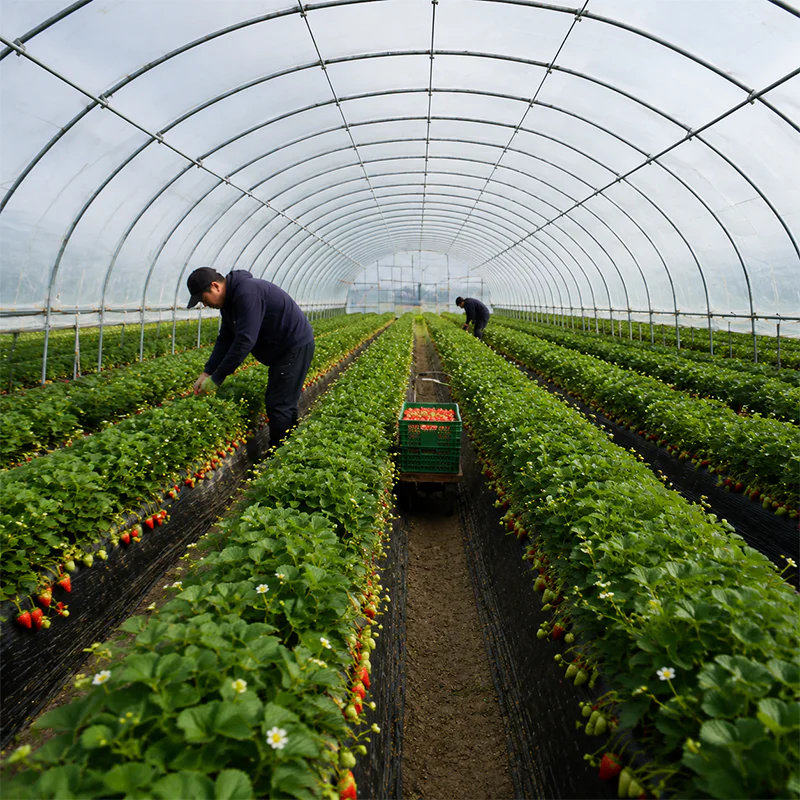
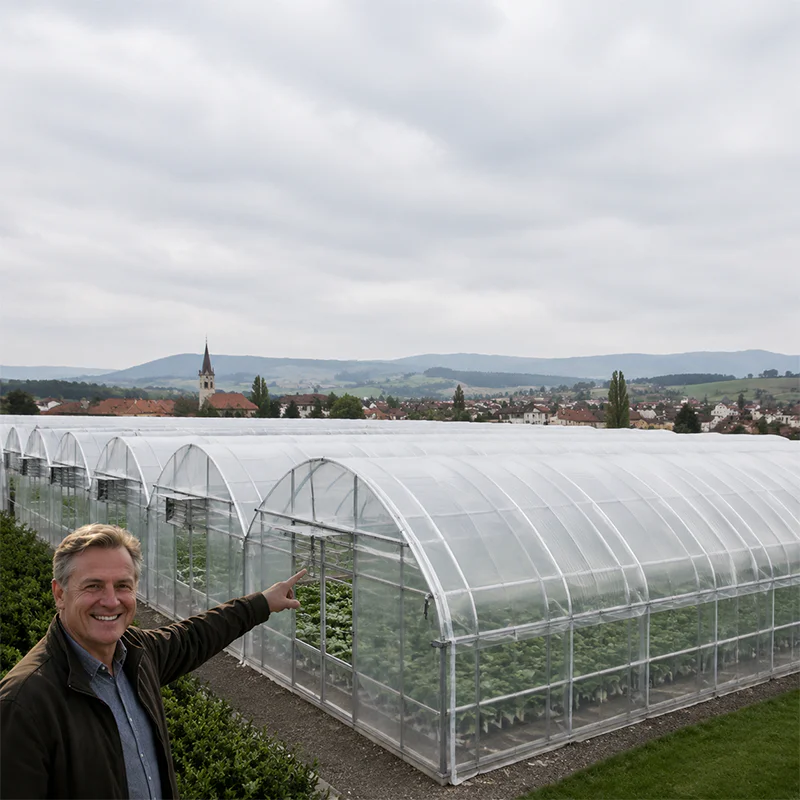
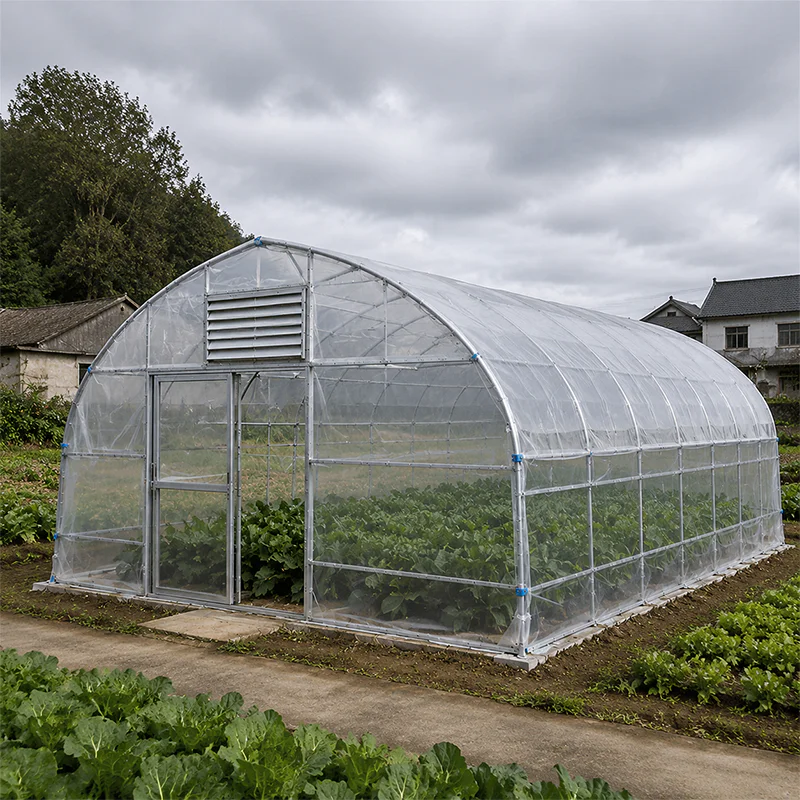
Cost Comparison: Container Farm vs. Traditional Greenhouse
Both container farms and traditional greenhouses are valuable agricultural solutions.
Cost Comparison for Different Farming Systems
| Cost Category | Shipping Container Farm | Traditional Greenhouse |
|---|---|---|
| Structure | $10,000 – $35,000 (container-based) | $10,000 – $50,000 (glass or polycarbonate) |
| Installation | $2,000 – $5,000 | $5,000 – $10,000 |
| Growing Systems | ~$7,500 (hydroponics) | Similar systems |
| Lighting | ~$20,000 (LED grow lights) | Similar if controlled environment |
| Climate Control | ~$2,000 (active systems) | $1,000 – $5,000 (often passive) |
| Operational Costs | $5,000 – $7,000 annually | Similar depending on setup |
Container farms are typically more expensive upfront than traditional greenhouses because they rely heavily on insulation, LED lighting, and active climate control systems. However, they provide greater environmental control and year-round production.
How to Choose the Right Solution
The right growing system depends on climate conditions, production goals, available space, and long-term operating costs.
- A container farm is ideal for:
- Urban environments
- Year-round production
- High-value crops
- Space-limited locations
- A traditional greenhouse is ideal for:
- Regions with stable climates
- Larger-scale cultivation
- Lower initial investment scenarios
In many cases, growers combine both systems. For example, container farms can provide more consistent year-round production for premium crops, while greenhouses are often better suited for larger seasonal cultivation.
Is a Container Farm Profitable?
Profitability depends heavily on crop selection, electricity costs, and local market demand.
Many growers focus on leafy greens, herbs, and microgreens because they offer shorter growing cycles and relatively high profit margins.
Container farms supplying local restaurants or premium grocery stores often achieve better margins than wholesale-focused operations.
For many growers, long-term profitability depends more on operational efficiency and local market pricing than initial installation costs alone.

Tips For Saving Money on a Container Farm
Here are practical strategies to optimize your investment:
- Start with a pilot unit before scaling
- Use energy-efficient LED lighting systems
- Improve insulation to reduce long-term cooling costs
- Consider high-quality used containers for small projects
- Focus automation on critical processes
- Select high-value crops to maximize profitability
A well-planned container farm can achieve strong returns even with a higher initial investment.
Improving insulation and climate control efficiency can significantly reduce long-term operating costs, especially in hot climates.

Why Growers Choose Aurlant
Aurlant provides hydroponic container farm systems for growers looking to improve year-round production and environmental control.
Our team supports projects ranging from small pilot systems to large commercial growing operations, with options for vertical growing racks, climate control, and automated monitoring systems.
Frequently Asked Questions
1.How much electricity does a container farm use?
Electricity usage depends on lighting intensity, climate control systems, and local temperatures. In hot climates, cooling costs can increase significantly during summer months.
2.What crops are most profitable in container farms?
Leafy greens, herbs, and microgreens are typically the most profitable due to their fast growing cycles and strong local demand.
3.Is a 20ft or 40ft container better?
20ft systems are often used for pilot projects or smaller operations, while 40ft systems provide more growing capacity and better production efficiency.
4.Can container farms work in hot climates?
Yes, but insulation quality and HVAC performance become especially important in regions with extreme temperatures.
5.How long does ROI usually take?
ROI depends on crop type, electricity costs, and market demand. Many growers targeting premium local markets aim for ROI within several years.
Need a custom quote?
Every growing project has different requirements depending on crop type, automation level, climate conditions, and production goals.
Contact our team for a custom quote based on your growing requirements.


1 Comment
Can I get a quote for a container system that would be suitable for Kenai Alaska winters for year round growing. Would like to produce around 200 to 500 leads of leafy greens per week or 2 weeks?