


When planning a controlled environment agriculture project, investment cost is one of the most important factors for growers and investors.
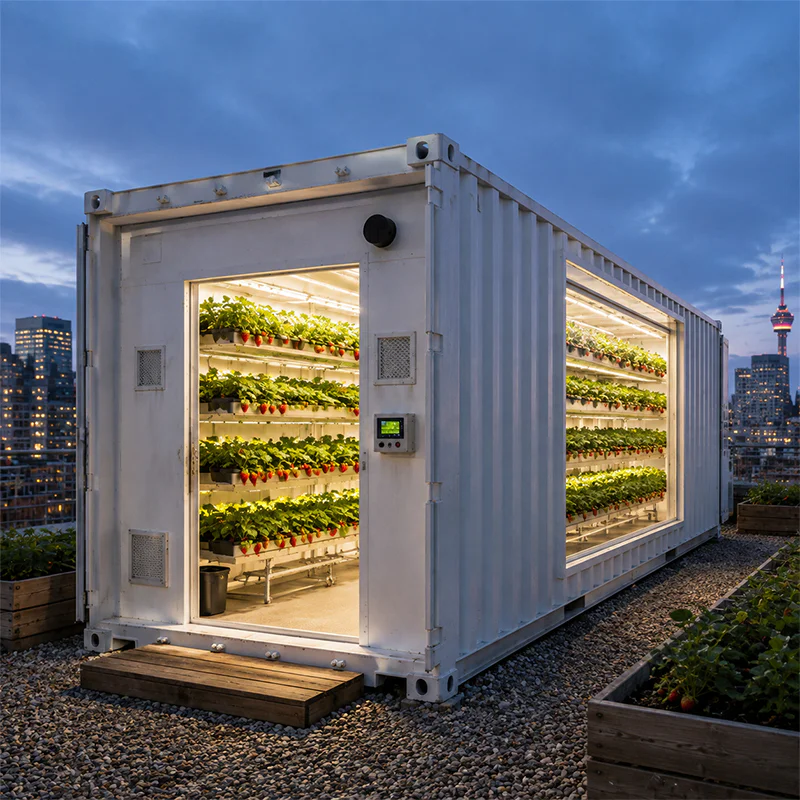
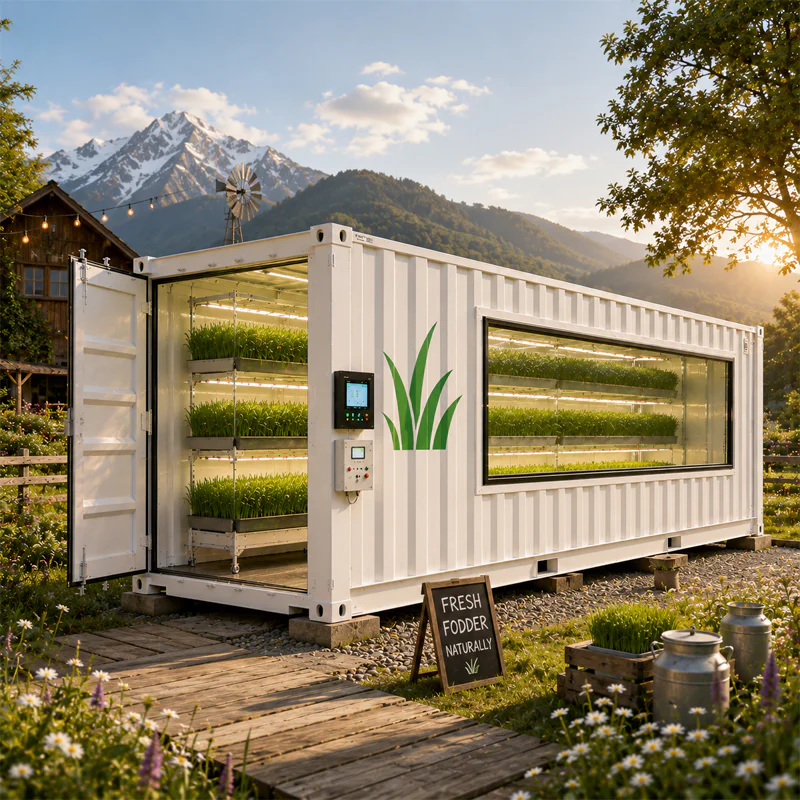
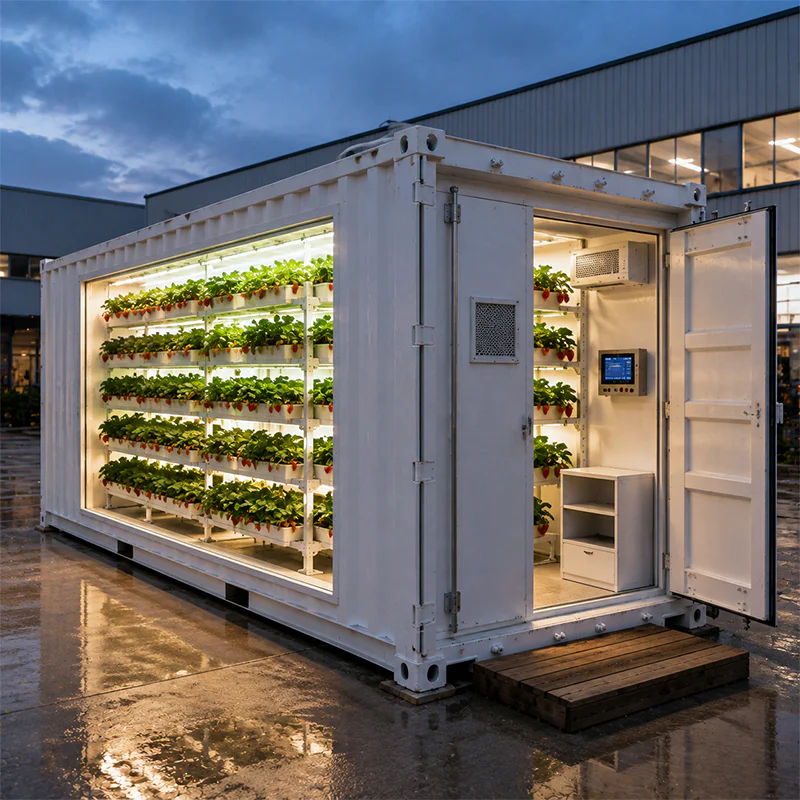
A container farm provides an indoor farming solution that combines hydroponic technology, vertical cultivation, LED lighting, and environmental control systems inside a compact structure.
However, the total investment is not determined only by the container itself. The final cost depends on system configuration, crop requirements, automation level, production capacity, and project goals.
Understanding the complete cost structure helps investors make better decisions and evaluate long-term profitability before starting a commercial farming project.
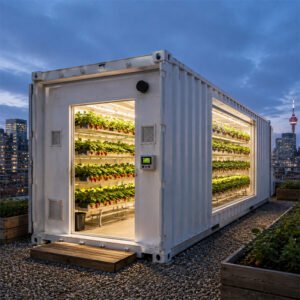
What Determines Container Farm Cost?
The cost of a container farm is influenced by several major components.
A complete project usually includes:
- Modified insulated container structure
- Hydroponic growing system
- Vertical growing racks
- LED lighting system
- Climate control equipment
- Water circulation system
- Electrical and control systems
- Installation and commissioning
Each component affects the final investment level.
A simple growing unit for testing purposes may require fewer systems, while a commercial production container requires more advanced equipment to ensure stable output.
Main Cost Components of a Container Farm
1. Container Structure and Insulation System
The container structure provides the foundation of the indoor farming environment.
A professional container farm requires:
- Thermal insulation
- Waterproof protection
- Internal food-grade materials
- Proper working space design
Good insulation performance is important because it helps maintain stable internal temperatures and reduces energy loss.
In extreme climates, insulation quality can directly affect operating costs.
2. Hydroponic Growing System
The cultivation system is one of the most important investment areas.
Depending on crop requirements, systems may include:
- NFT channels
- Vertical hydroponic racks
- Nutrient circulation equipment
- Water filtration systems
For commercial growers, choosing the correct configuration is essential.
A properly designed commercial container farm system can improve space utilization and create more predictable production performance.
3. LED Grow Lighting System
Since container farms operate indoors, artificial lighting is required.
The lighting system affects:
- Plant growth speed
- 能源消耗
- Crop quality
- Production cycle
High-quality LED systems provide suitable light wavelengths and allow growers to adjust lighting conditions according to crop requirements.
Although efficient lighting increases initial investment, it can improve long-term production efficiency.
4. Climate Control Equipment
Environmental control systems are necessary for maintaining stable growing conditions.
Common equipment includes:
- 冷却系统
- Heating systems
- Dehumidification equipment
- Air circulation systems
- Environmental sensors
The required equipment depends on the local climate.
Projects in hot regions may require stronger cooling systems, while cold regions may need additional heating capacity.
Additional Costs to Consider
Installation and Technical Support
A container farm is not only a product purchase but also an agricultural system installation.
Additional costs may include:
- Transportation
- Installation service
- System testing
- Operator training
Professional commissioning helps ensure that all systems work together correctly.
Operating Costs After Installation
Initial investment is only part of the total cost.
Long-term operating expenses usually include:
电力
Main electricity consumption comes from:
- LED lighting
- 气候控制
- 泵
- Automation systems
Energy efficiency directly affects profitability.
Water and Nutrients
Hydroponic systems require:
- Clean water supply
- Nutrient solutions
- Regular monitoring
Closed-loop systems can reduce water waste compared with many traditional growing methods.
Labor and Management
Although container farms reduce some manual work, operators still need to manage:
- Crop monitoring
- Harvesting
- 维护
- System adjustments
Automation can reduce labor requirements but may increase initial investment.
Container Farm Cost vs Traditional Farming Investment
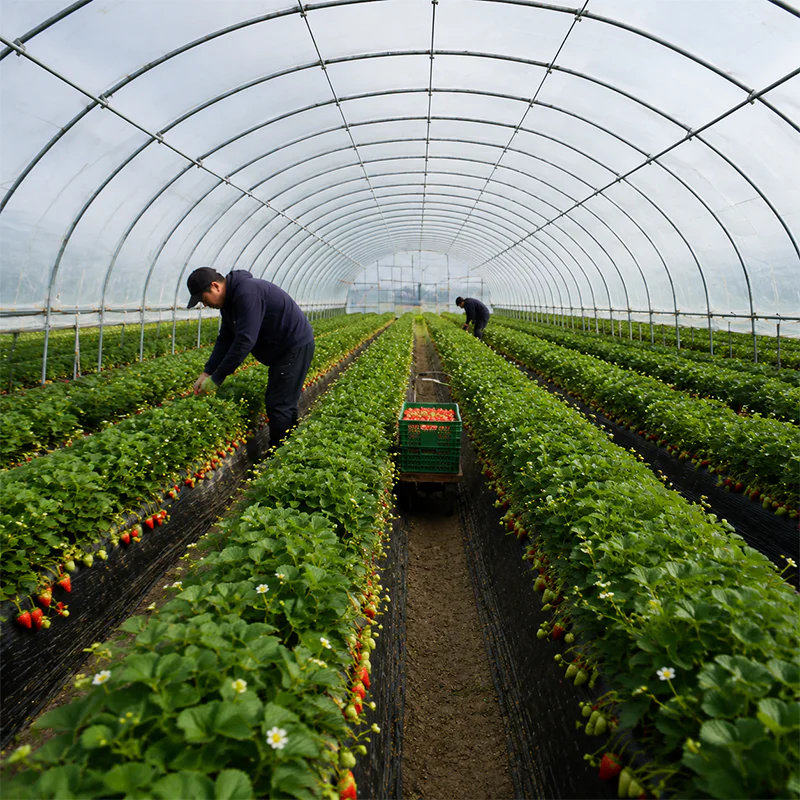
A container farm usually requires higher initial investment compared with open-field farming.
However, it provides different advantages:
- Higher production stability
- Less dependence on weather
- Lower land requirements
- Year-round production capability
Traditional farming may have lower startup costs but faces greater uncertainty from:
- 气候条件
- Seasonal changes
- Pest risks
The right choice depends on business objectives and local conditions.
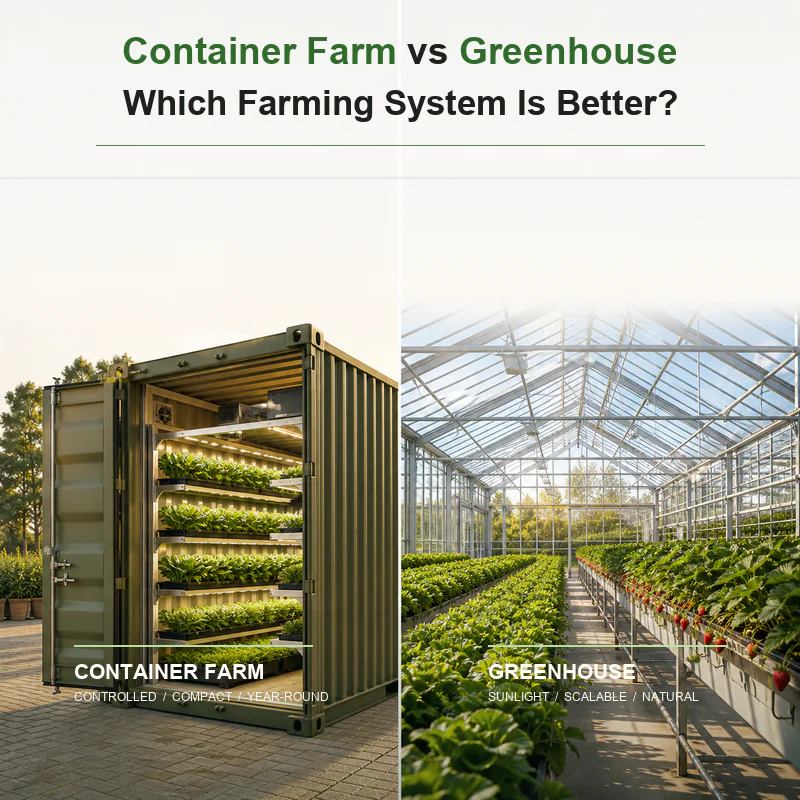
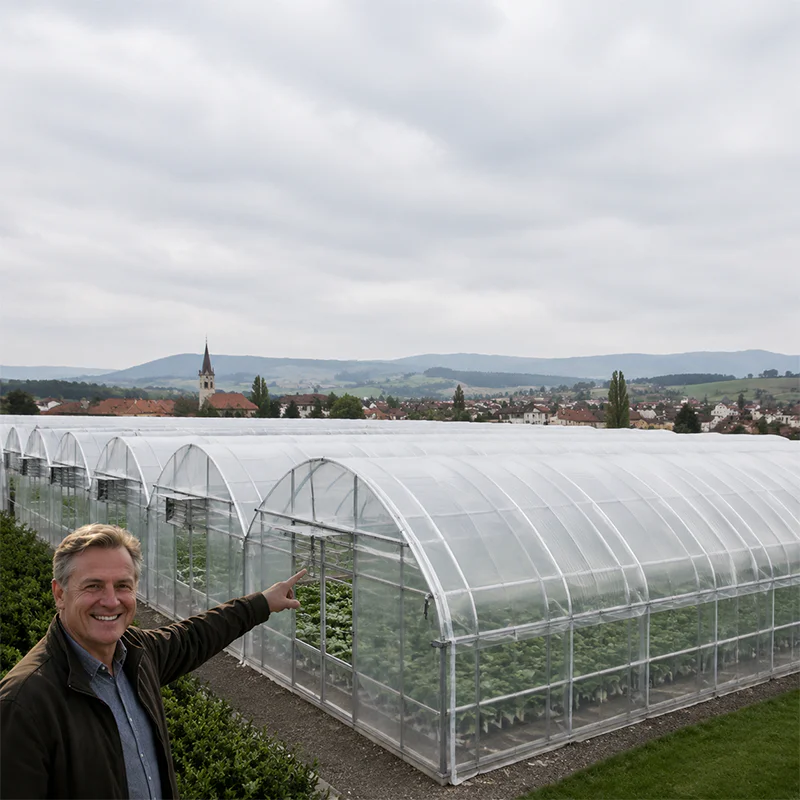
Container Farm vs Greenhouse Investment
Both container farms and greenhouses are important solutions in controlled agriculture.
A container farm provides:
- Fully indoor production
- High environmental control
- Compact installation
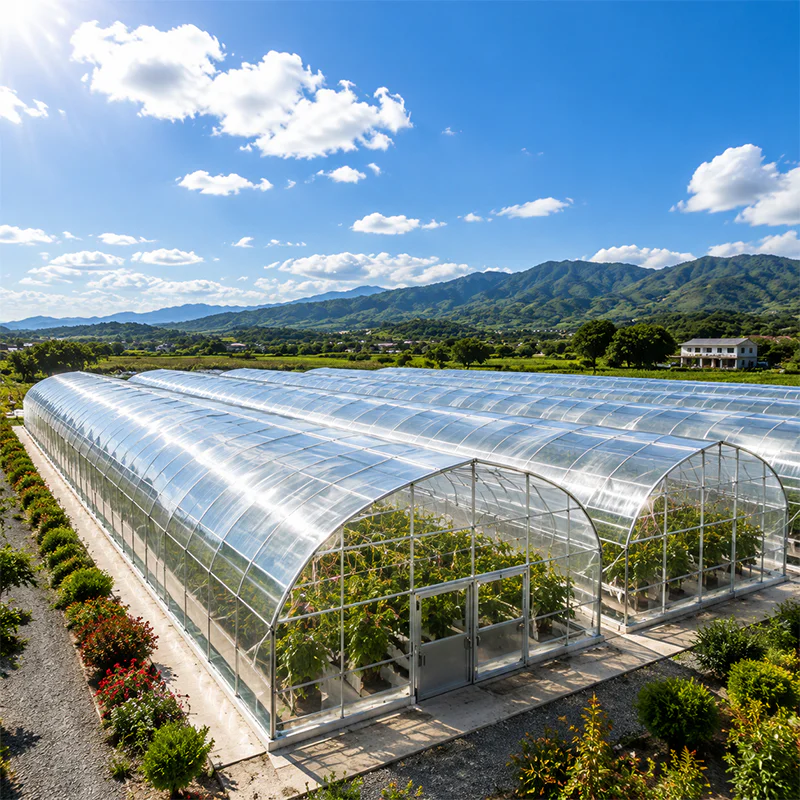
A greenhouse provides:
- Larger cultivation space
- Natural sunlight utilization
- Flexible crop selection
For larger agricultural projects, investors may also evaluate modern greenhouse farming solutions depending on land availability, climate conditions, and production goals.
How to Evaluate Container Farm ROI
A container farm investment should not only focus on purchase cost.
Important ROI factors include:
Crop Value
High-value crops often provide better economic potential.
例如:
- Premium leafy greens
- Fresh herbs
- Specialty vegetables
Production Efficiency
Profitability depends on:
- Production cycles
- Yield per cycle
- 市场需求
A well-designed system can improve output consistency.
Market Location
Selling directly to nearby customers can improve profitability.
Potential markets include:
- 餐厅
- Supermarkets
- Local communities
- Food service companies
How to Reduce Container Farm Investment Risk
Investors can improve project success by:
Starting With Clear Production Goals
Before purchasing equipment, define:
- Target crops
- Expected output
- Sales channels
Selecting the Right System Configuration
Not every project requires maximum automation.
The best solution depends on:
- 预算
- Experience level
- Production requirements
Working With Experienced Suppliers
Agricultural systems require both equipment knowledge and cultivation experience.
A reliable supplier can support:
- 系统设计
- 安装指导
- 技术支持
Is a Container Farm Worth the Investment?
A container farm can be a valuable investment for businesses looking for controlled and predictable agricultural production.
Although the initial cost is higher than traditional farming methods, benefits such as year-round production, efficient space utilization, and stable crop quality can create long-term value.
The profitability depends on:
- 作物选择
- Market conditions
- Operational management
- 能源成本
A successful container farming project requires both suitable technology and a practical business strategy.
结论
The cost of a container farm depends on many factors, including equipment configuration, automation level, crop requirements, and local operating conditions.
Instead of considering only the purchase price, investors should evaluate the complete investment cycle, including installation, operation expenses, production capacity, and market opportunities.
With proper planning, a container farm can become a flexible solution for modern agriculture, supporting commercial food production in locations where traditional farming is limited.
常见问题
集装箱农场的成本是多少?
The cost depends on container size, cultivation system, automation level, and additional equipment requirements.
What is included in a container farm investment?
A complete investment usually includes the container structure, hydroponic system, lighting, climate control, electrical systems, and installation support.
集装箱农场有利可图吗?
Profitability depends on crop selection, market demand, production efficiency, and operating costs.
What are the biggest operating expenses of a container farm?
Electricity, climate control, nutrients, and labor are the main ongoing expenses.
Is a container farm better than a greenhouse?
Neither solution is universally better. The choice depends on climate, land availability, crop type, and investment objectives.