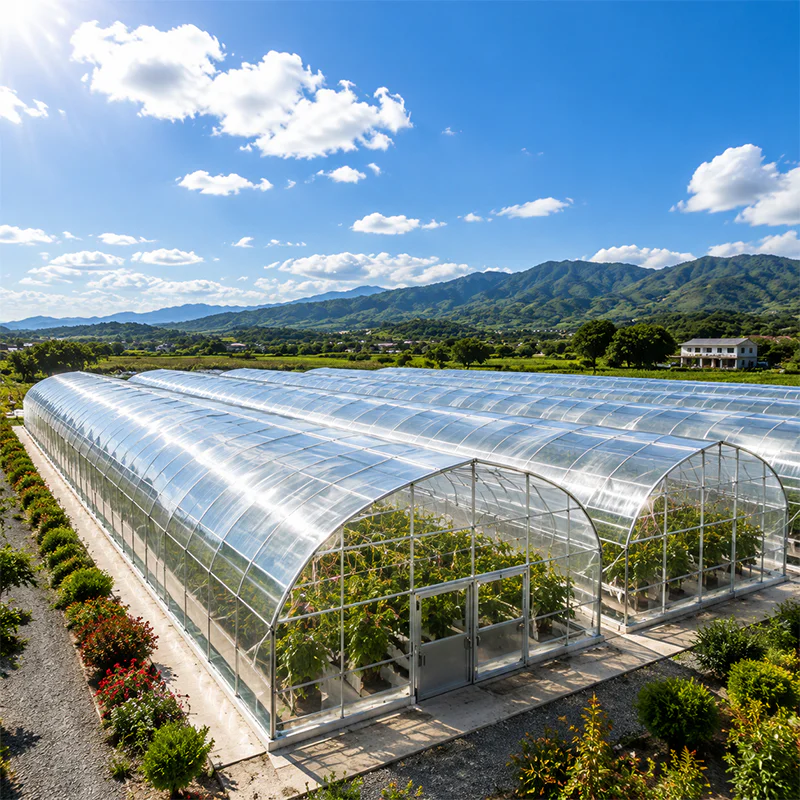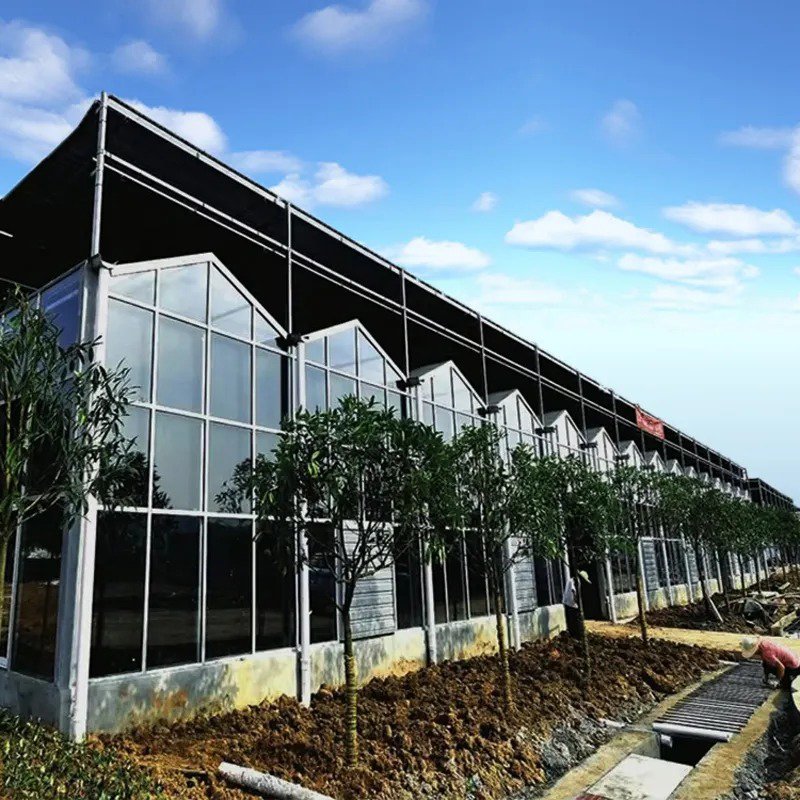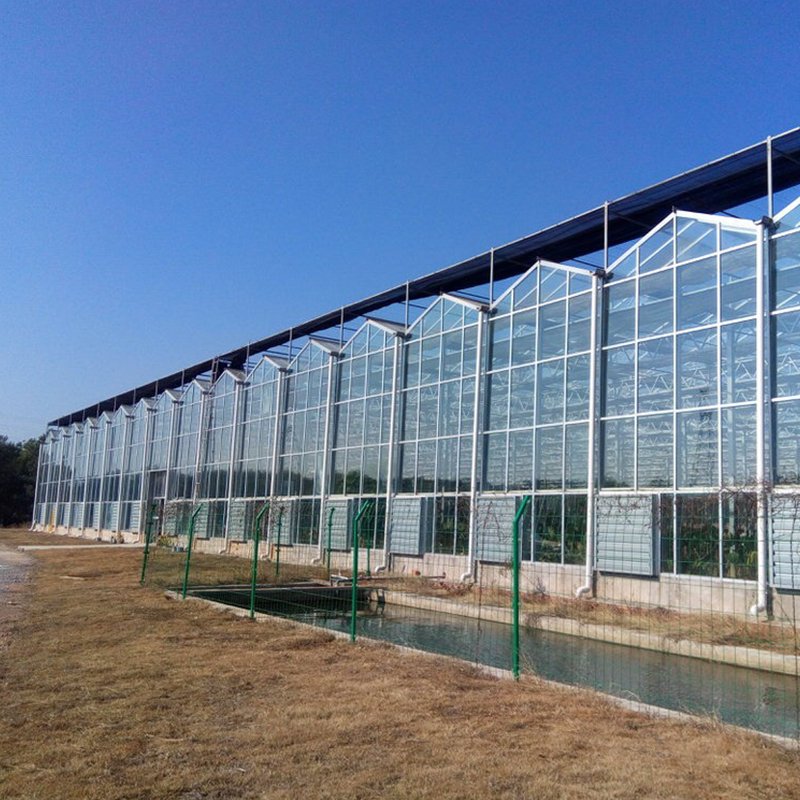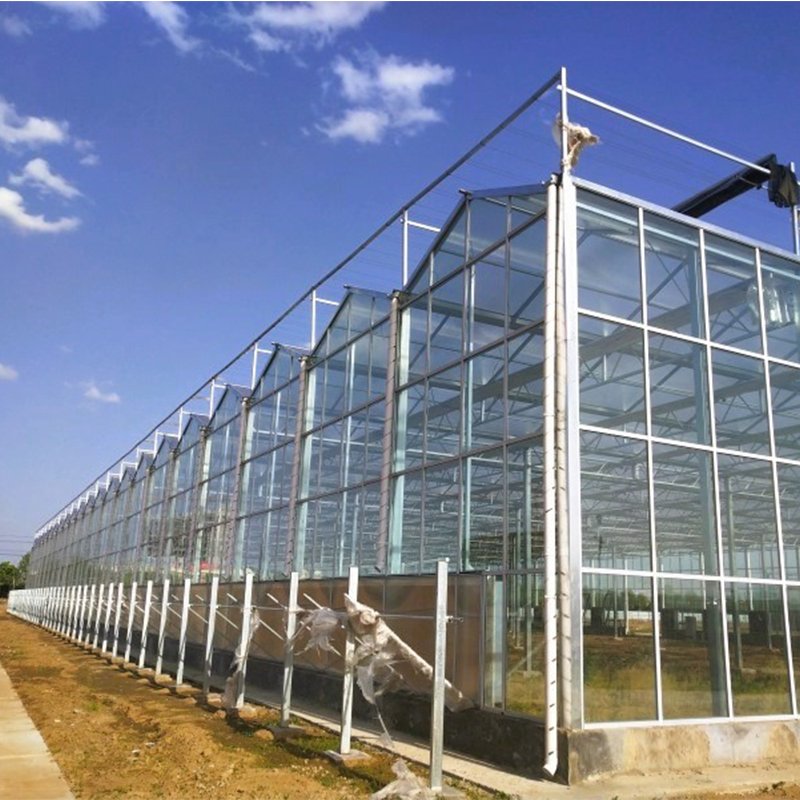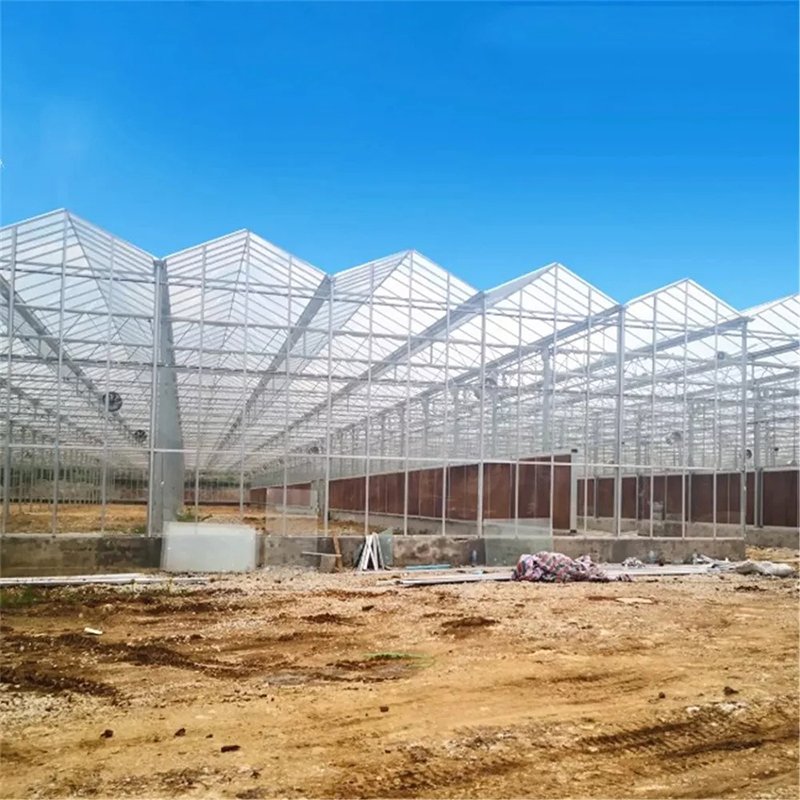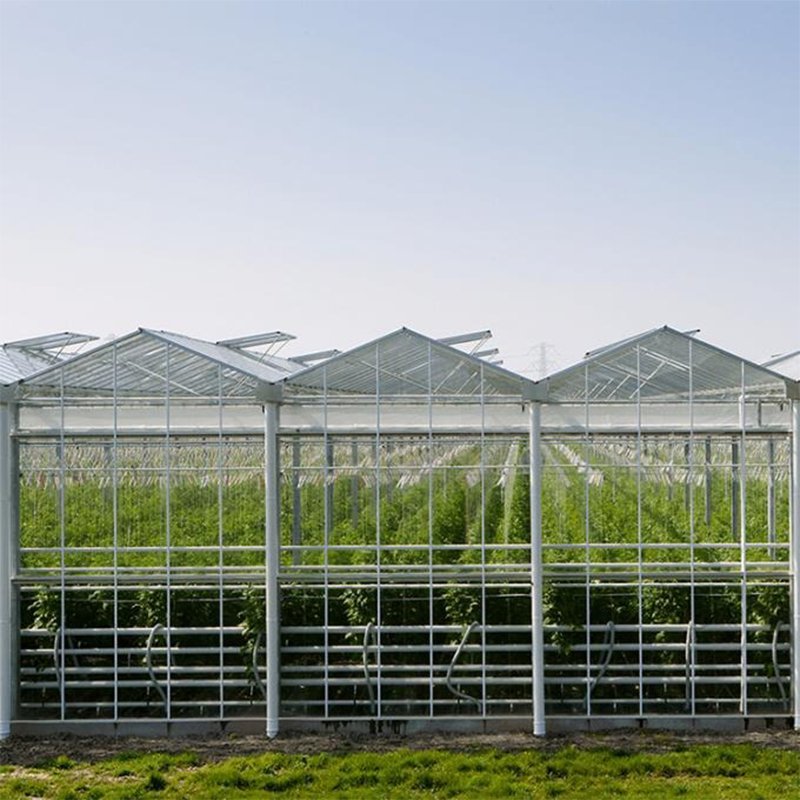






What Is a Glass Greenhouse?
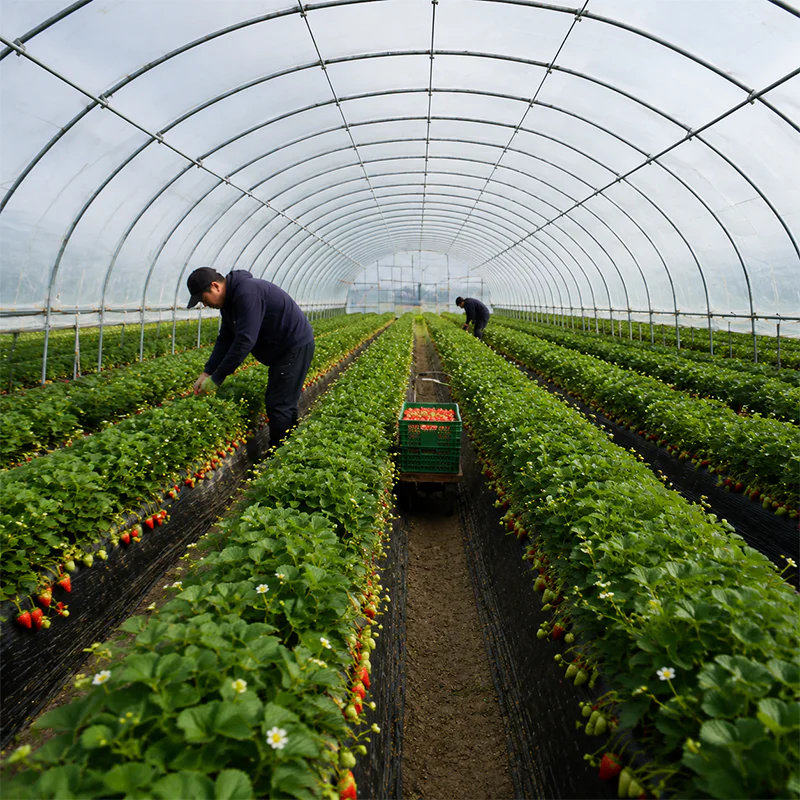
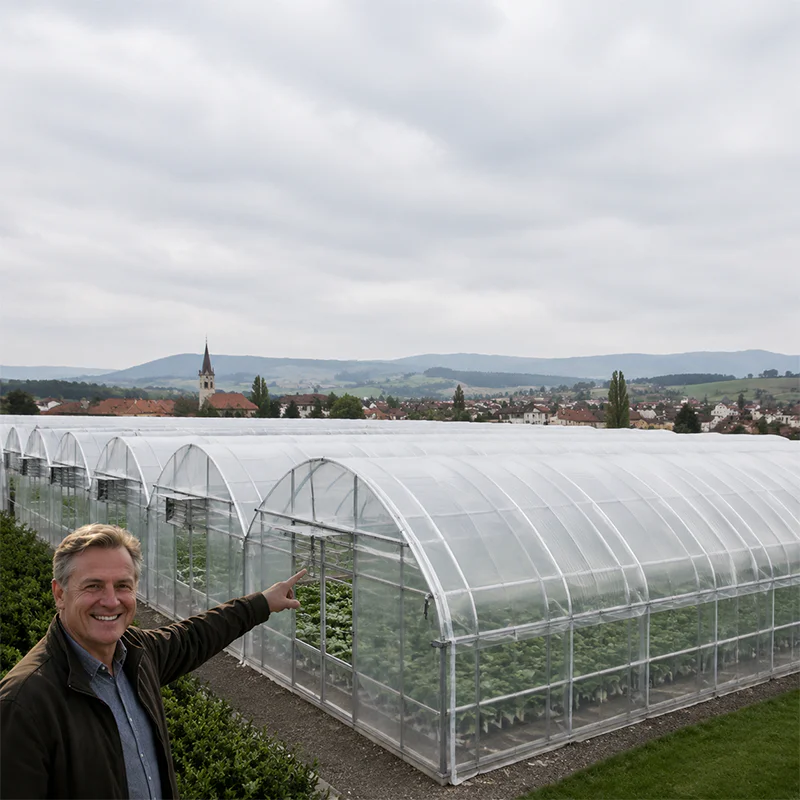
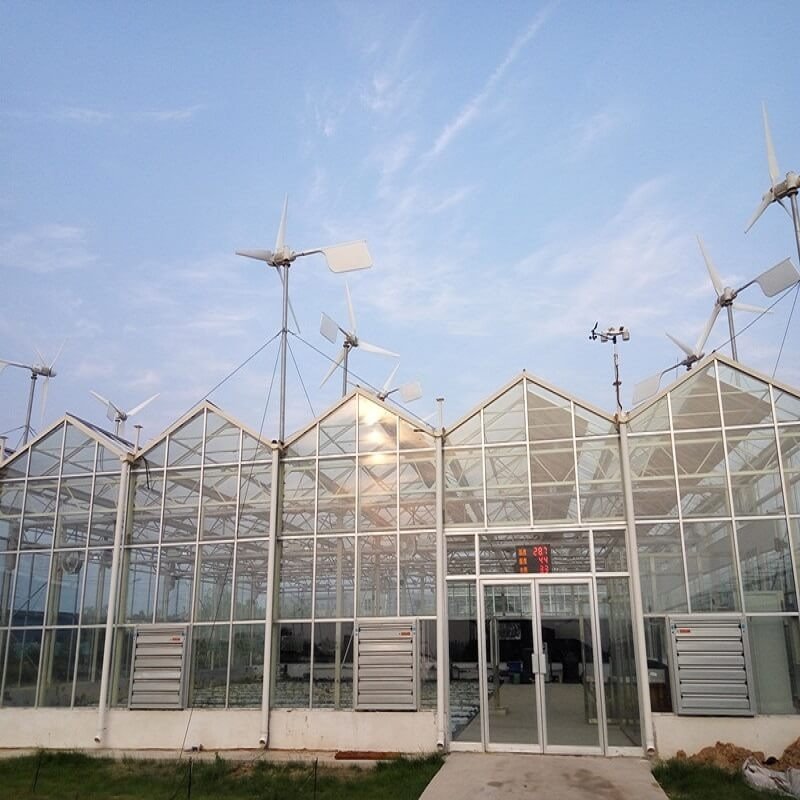
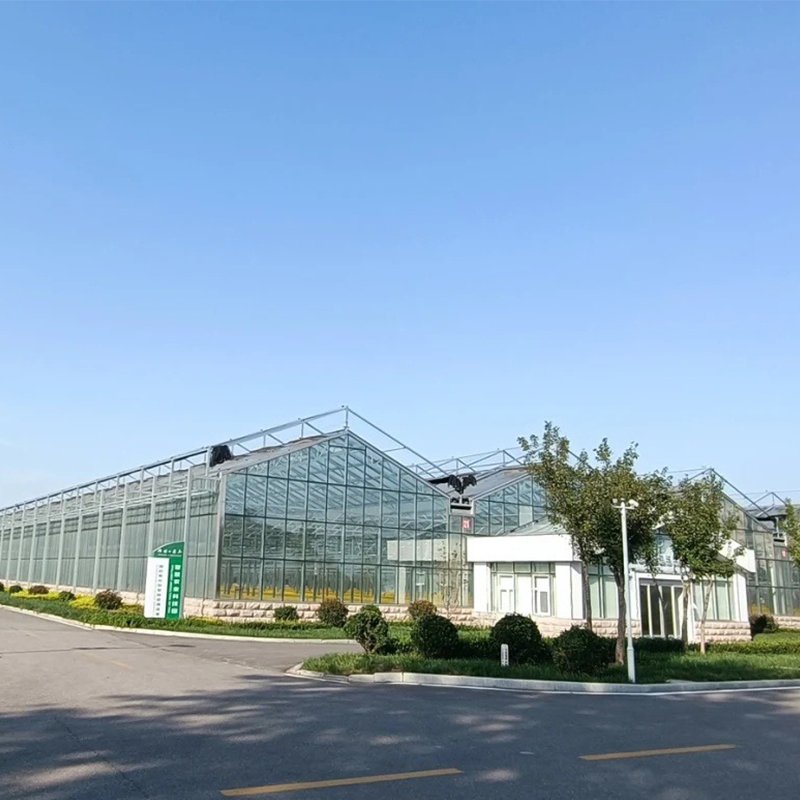
A glass greenhouse is a professional greenhouse structure covered with high-transparency tempered glass, usually combined with a steel or aluminum frame. Compared with plastic or film greenhouses, glass greenhouses are designed for large-scale, high-value, and technology-driven agriculture.
They are widely used for:
Vegetable and fruit production
Flower and ornamental plant cultivation
Seedling nurseries
Research and smart agriculture projects
What Is the Future of Greenhouse Farming?
The future of greenhouse farming is moving toward
three key directions:
1. Full Automation
Smart sensors, AI climate control, and robotic
harvesting are becoming standard in modern
glass greenhouses.
2. Sustainability
Energy-efficient glazing, rainwater collection,
and solar integration are reducing the carbon
footprint of commercial greenhouse operations.
3. Vertical Integration
More growers are combining glass greenhouses
with hydroponic systems to maximize production
per square meter.
Glass greenhouses are uniquely positioned to
support all three trends — making them the
infrastructure of choice for next-generation
agriculture.
Key Advantages of Glass Greenhouses
1. Excellent Light Transmission
Glass panels provide up to 90% light transmittance, ensuring crops receive uniform and natural sunlight throughout the day. This leads to:
Faster growth cycles
Better crop quality
Higher yields
2. Strong Structure & Long Service Life
Glass greenhouses are built with hot-dip galvanized steel or aluminum structures, making them:
Wind-resistant
Snow-load resistant
Suitable for extreme climates
With proper maintenance, a glass greenhouse can last 20–30 years, making it a true long-term investment.
3. Ideal for Smart & Automated Farming
Glass greenhouses are highly compatible with modern systems, including:
Climate control systems
Automatic ventilation and shading
Irrigation and fertigation systems
IoT monitoring and remote control
This allows growers to reduce labor costs and maintain precise growing conditions.
4. Stable Internal Climate
Thanks to airtight construction and advanced ventilation design, glass greenhouses maintain:
Stable temperature
Controlled humidity
Consistent CO₂ levels
This stability is essential for high-value crops and year-round production.
Glass Greenhouse vs Plastic Greenhouse
| Aspect | Glass | Plastic Film | Polycarbonate |
|---|---|---|---|
| Light Transmission | 90%+ | 70-80% | 75-85% |
| Service Life | 30+ years | 3-5 years | 10-15 years |
| Automation Level | High | Low | Medium |
| Maintenance Cost | Low | High | Medium |
| Initial Investment | Higher | Lowest | Medium |
| Long-term ROI | Excellent | Poor | Moderate |
Conclusion: Plastic greenhouses are suitable for short-term or low-budget projects, while glass greenhouses are ideal for commercial and long-term operations.
How Does a Glass Greenhouse Improve Crop Growth?
Why Don’t All Farmers Use Glass Greenhouses?
Typical Application Scenarios
Commercial vegetable farms
Flower export bases
Seedling propagation centers
Agricultural research institutes
Urban and smart agriculture projects
Why More Growers Choose Glass Greenhouses
Higher production efficiency
Better crop consistency
Reduced operating costs over time
Strong compatibility with automation
Professional appearance for large projects
For growers aiming to scale up and modernize, glass greenhouses are no longer a luxury—they are a strategic choice.