



• Home
  • /
  • Blog
  • /
  • Why Glass Greenhouses Are the Future of Modern Agriculture

Why Glass Greenhouses Are the Future of Modern Agriculture

The global greenhouse market is projected to reach $50 billion by 2030 — and glass greenhouses are leading that growth. As commercial growers face increasing pressure to maximize yields, reduce waste, and produce year-round, glass greenhouses have emerged as the most reliable long-term solution in modern agriculture. In this guide, we’ll explore exactly why glass greenhouses are replacing traditional growing structures worldwide — and what that means for your operation.

What Is a Glass Greenhouse?

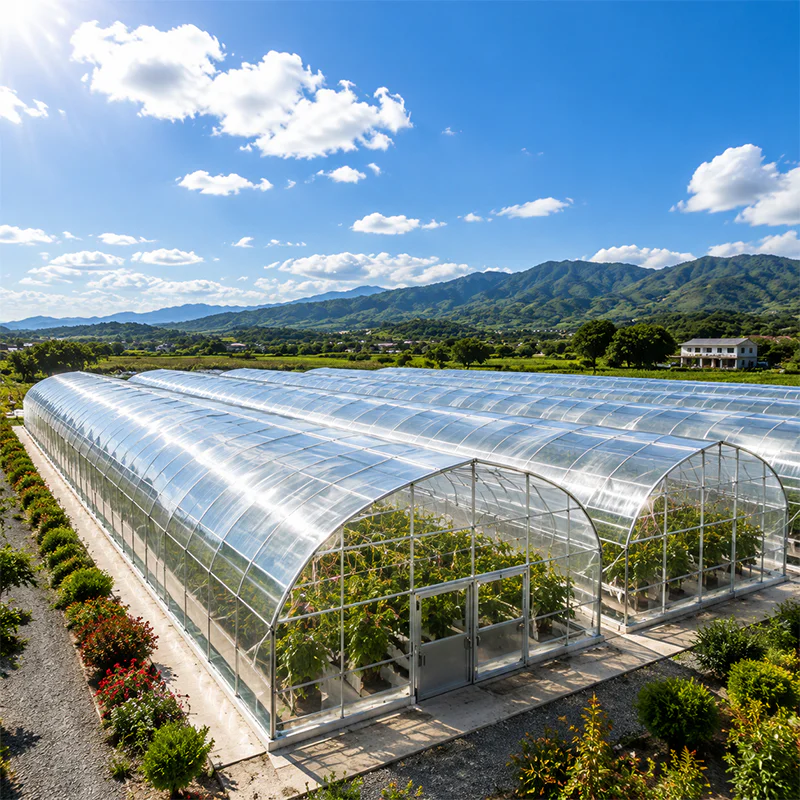
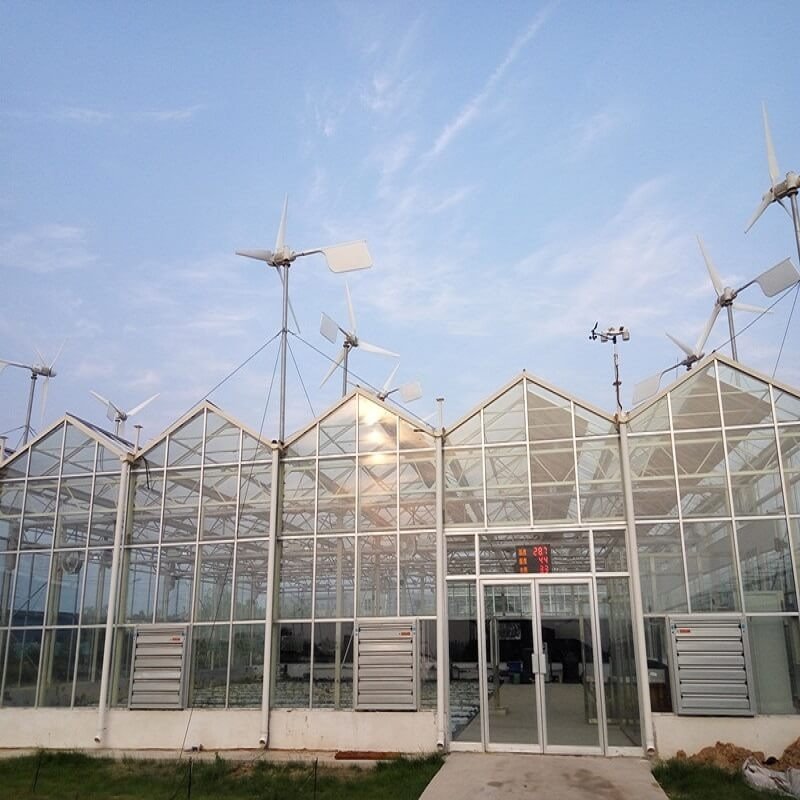
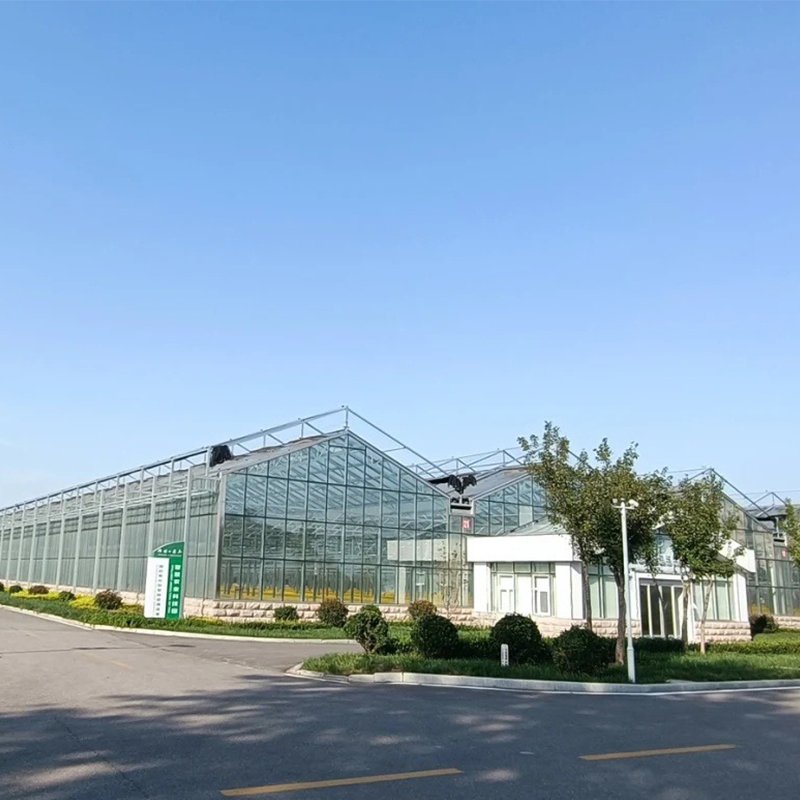
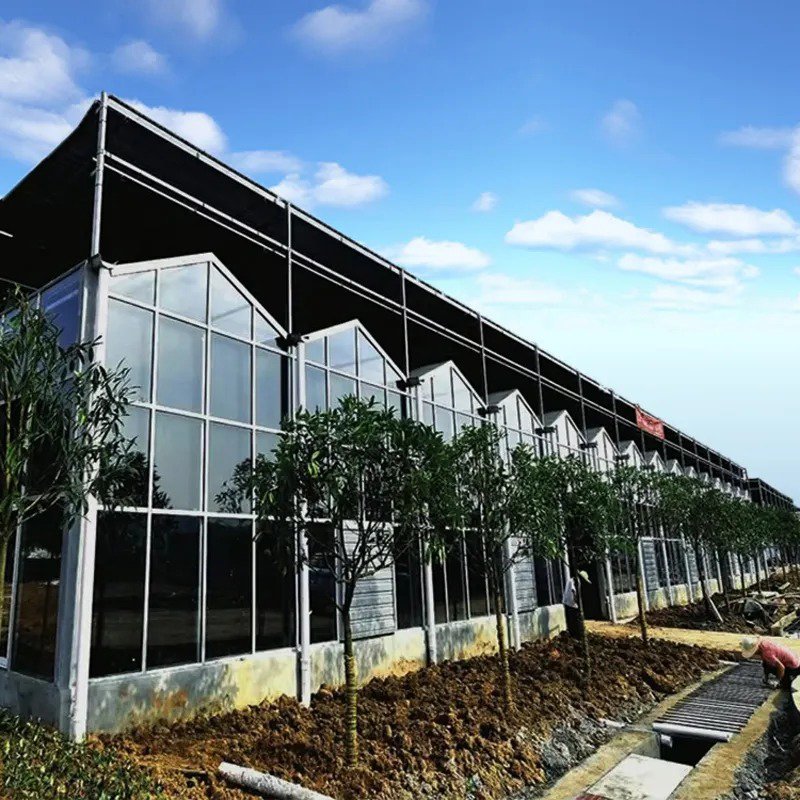
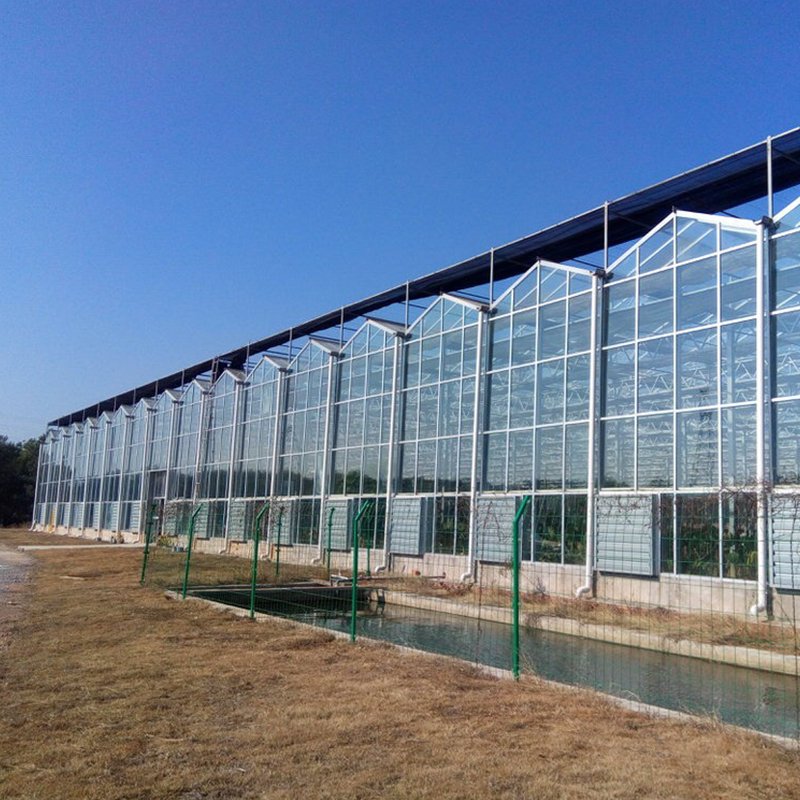
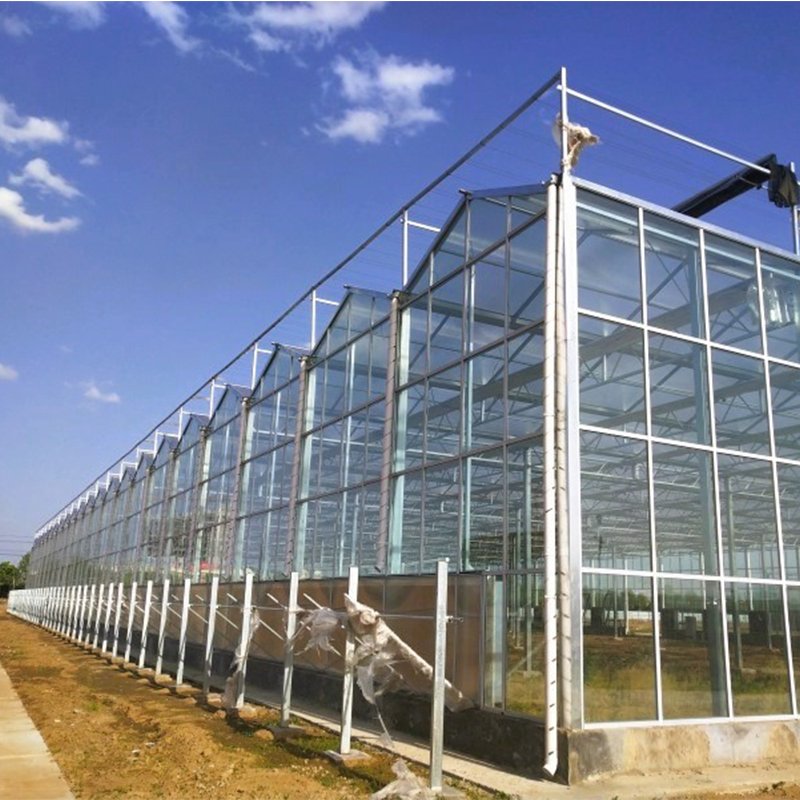
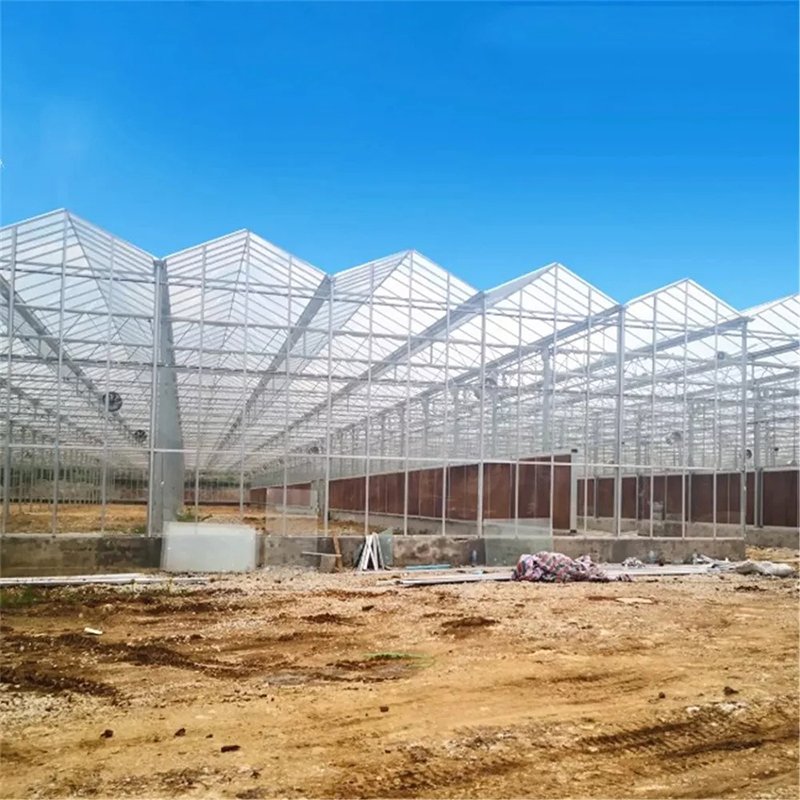
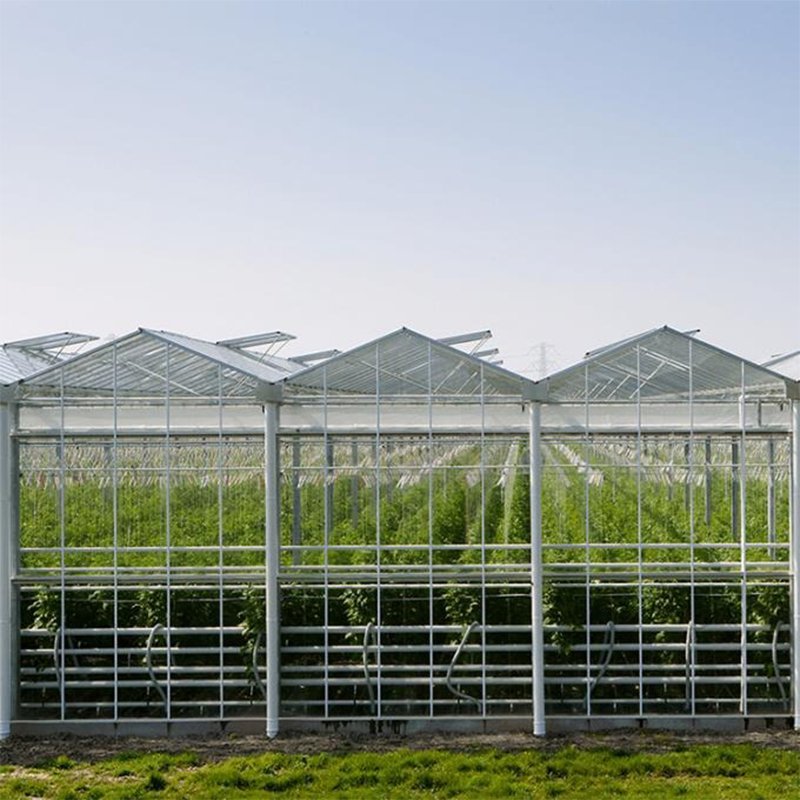
A glass greenhouse is a professional greenhouse structure covered with high-transparency tempered glass, usually combined with a steel or aluminum frame. Compared with plastic or film greenhouses, glass greenhouses are designed for large-scale, high-value, and technology-driven agriculture.

They are widely used for:

  • Vegetable and fruit production

  • Flower and ornamental plant cultivation

  • Seedling nurseries

  • Research and smart agriculture projects

What Is the Future of Greenhouse Farming?

The future of greenhouse farming is moving toward
three key directions:

1. Full Automation
Smart sensors, AI climate control, and robotic
harvesting are becoming standard in modern
glass greenhouses.

2. Sustainability
Energy-efficient glazing, rainwater collection,
and solar integration are reducing the carbon
footprint of commercial greenhouse operations.

3. Vertical Integration
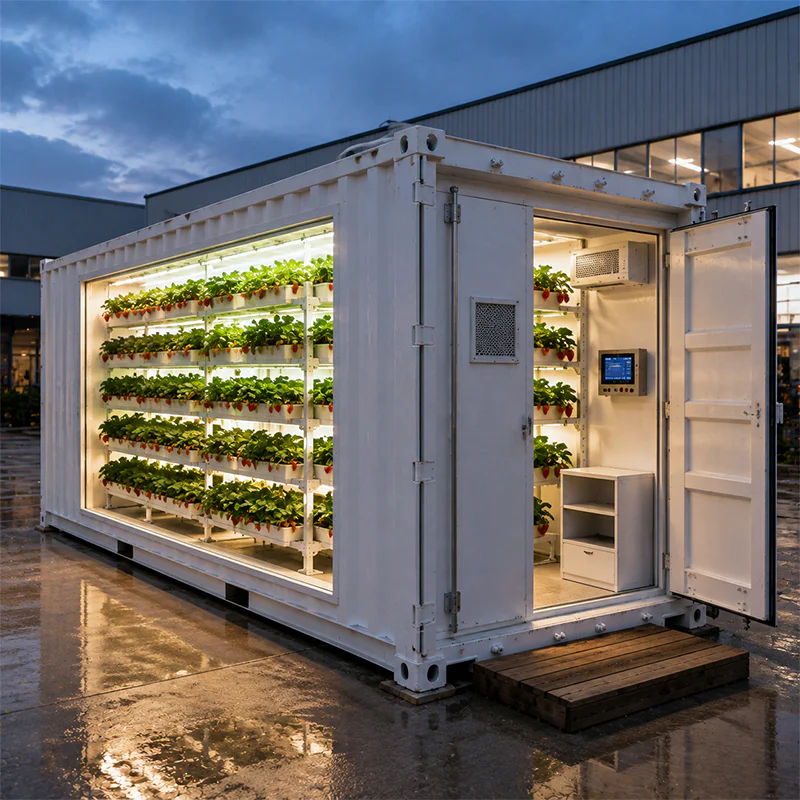
More growers are combining glass greenhouses
with hydroponic systems to maximize production
per square meter.

Glass greenhouses are uniquely positioned to
support all three trends — making them the
infrastructure of choice for next-generation
agriculture.

Key Advantages of Glass Greenhouses

1. Excellent Light Transmission

Glass panels provide up to 90% light transmittance, ensuring crops receive uniform and natural sunlight throughout the day. This leads to:

  • Faster growth cycles

  • Better crop quality

  • Higher yields

2. Strong Structure & Long Service Life

Glass greenhouses are built with hot-dip galvanized steel or aluminum structures, making them:

  • Wind-resistant

  • Snow-load resistant

  • Suitable for extreme climates

With proper maintenance, a glass greenhouse can last 20–30 years, making it a true long-term investment.

3. Ideal for Smart & Automated Farming

Glass greenhouses are highly compatible with modern systems, including:

  • Climate control systems

  • Automatic ventilation and shading

  • Irrigation and fertigation systems

  • IoT monitoring and remote control

This allows growers to reduce labor costs and maintain precise growing conditions.

4. Stable Internal Climate

Thanks to airtight construction and advanced ventilation design, glass greenhouses maintain:

  • Stable temperature

  • Controlled humidity

  • Consistent CO₂ levels

This stability is essential for high-value crops and year-round production.

Glass Greenhouse vs Plastic Greenhouse

AspectGlassPlastic FilmPolycarbonate
Light Transmission90%+70-80%75-85%
Service Life30+ years3-5 years10-15 years
Automation LevelHighLowMedium
Maintenance CostLowHighMedium
Initial InvestmentHigherLowestMedium
Long-term ROIExcellentPoorModerate

Conclusion: Plastic greenhouses are suitable for short-term or low-budget projects, while glass greenhouses are ideal for commercial and long-term operations.

How Does a Glass Greenhouse Improve Crop Growth?

Glass greenhouses improve crop growth through four key mechanisms:
1. Maximum Light Exposure With 90%+ light transmission, plants receive optimal photosynthesis conditions — leading to 20-30% higher yields compared to film structures.
2. Stable Microclimate Airtight construction maintains consistent temperature, humidity, and CO₂ levels — critical for high-value crops like tomatoes, cucumbers, and peppers.
3. Year-Round Production Glass greenhouse structures can be engineered to withstand extreme weather, enabling 12-month crop cycles regardless of season.
4. Precision Growing Full compatibility with automated irrigation, climate control, and IoT monitoring gives growers complete control over every growing variable.

Why Don’t All Farmers Use Glass Greenhouses?

Despite their advantages, glass greenhouses are not suitable for every situation:
Higher Upfront Cost
Glass requires a larger initial investment than plastic or polycarbonate options. Not Suitable for Very Small Operations
The technology is designed for commercial-scale production.
Requires Professional Installation Proper engineering and foundation work are essential for structural integrity. However, for commercial growers focused on long-term profitability, these factors are outweighed by the 30+ year lifespan and significantly lower operating costs.

Typical Application Scenarios

  •  Commercial vegetable farms

  • Flower export bases

  • Seedling propagation centers

  • Agricultural research institutes

  • Urban and smart agriculture projects

Why More Growers Choose Glass Greenhouses

  • Higher production efficiency

  • Better crop consistency

  • Reduced operating costs over time

  • Strong compatibility with automation

  • Professional appearance for large projects

For growers aiming to scale up and modernize, glass greenhouses are no longer a luxury—they are a strategic choice.
Frequently Asked Questions

Q: How long does a glass greenhouse last?
A: A well-built commercial glass greenhouse typically lasts 30+ years with minimal maintenance.
Q: Are glass greenhouses energy efficient?
A: Yes. Modern glass greenhouses use double or triple-glazed panels combined with automated climate systems to minimize energy consumption.
Q: What crops grow best in a glass greenhouse?
A: Tomatoes, cucumbers, peppers, lettuce, herbs, and flowers all thrive due to high light transmission and stable climate control.
Q: How much does a commercial glass greenhouse cost?
A: Costs vary depending on size, glazing type, and automation level. Contact us for a customized quote.
Q: Can glass greenhouses withstand extreme weather?
A: Yes. They are engineered to meet local wind and snow load requirements.

Final Thoughts

As agriculture moves toward efficiency, sustainability, and intelligence, glass greenhouses are no longer a luxury — they are a strategic investment in long-term success. Whether you’re growing vegetables, flowers, or running a smart agriculture project, a well-designed glass greenhouse gives you the infrastructure to compete and grow. Explore our Multi-span Glass Greenhouse range or contact us today to discuss a solution tailored to your operation.

Leave a Reply

Your email address will not be published. Required fields are marked *

Posts:

Shopping Cart
Aurlant specializes in smart greenhouse and container farm solutions, empowering growers worldwide with innovative technology, sustainable design, and end-to-end support — from concept to harvest.
Search

Contact

info@aurlant.com
+8618796748966

Jiangsu Oone International Trading Co., Ltd.
Jiangsu Skyplant Greenhouse Technology Co., Ltd.