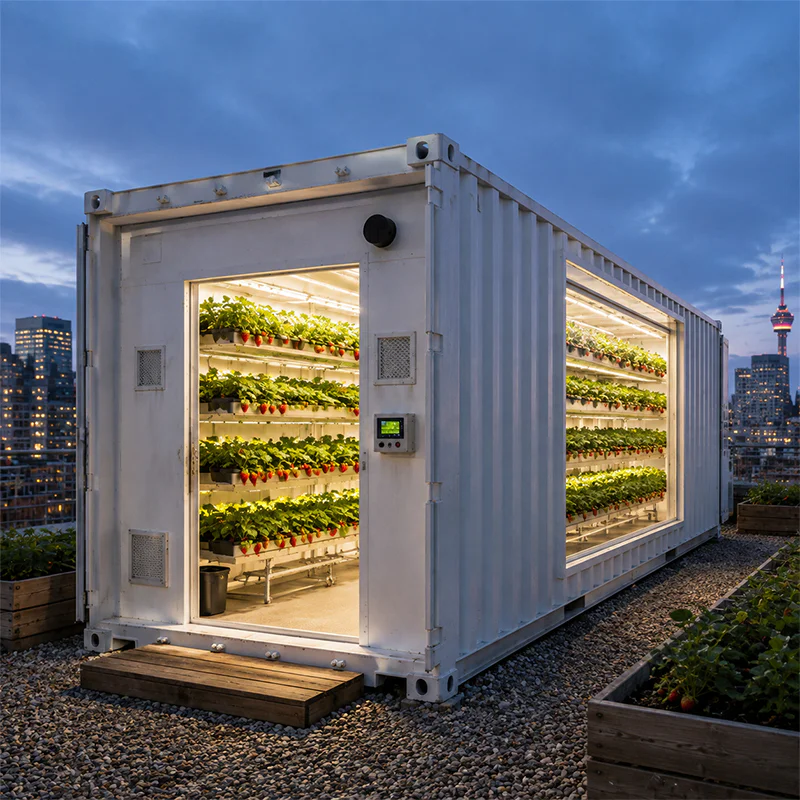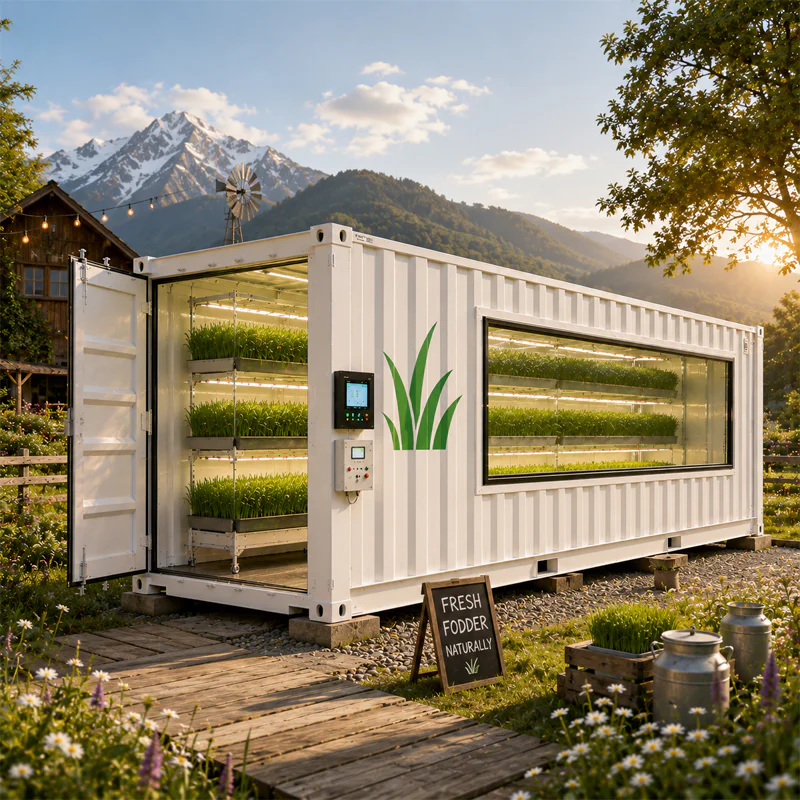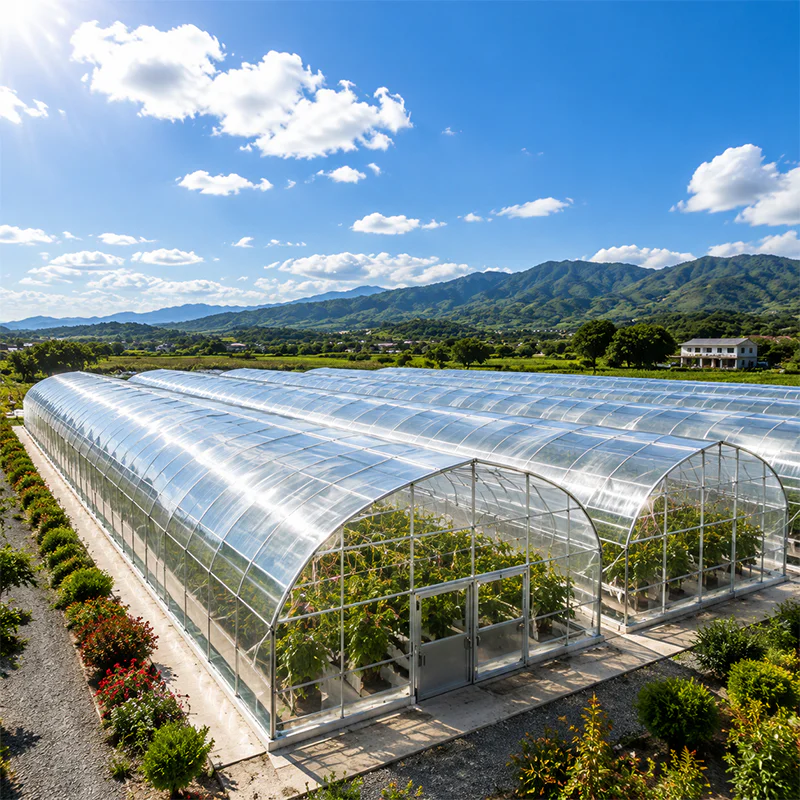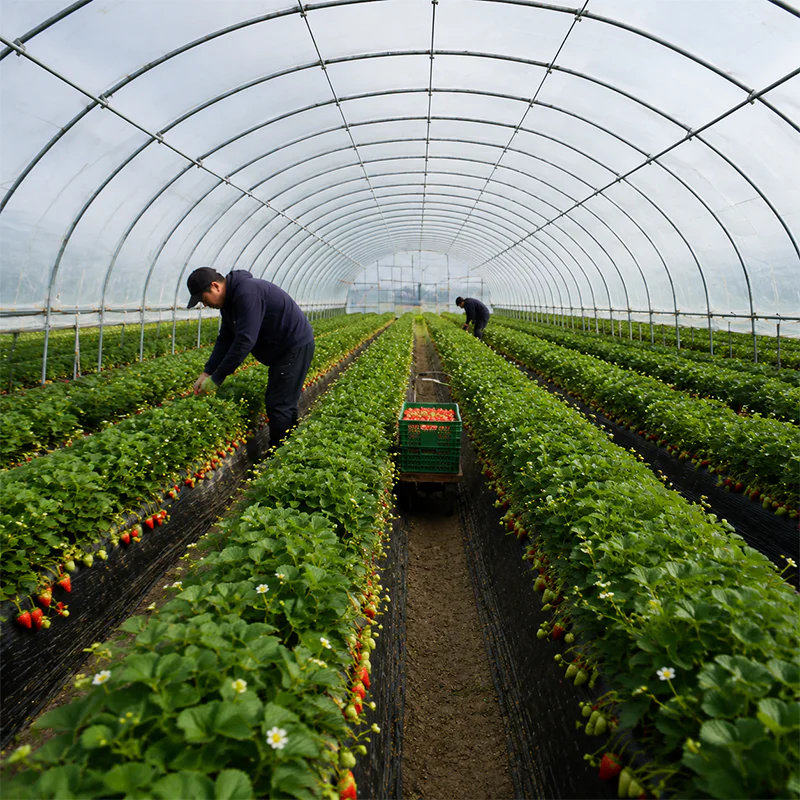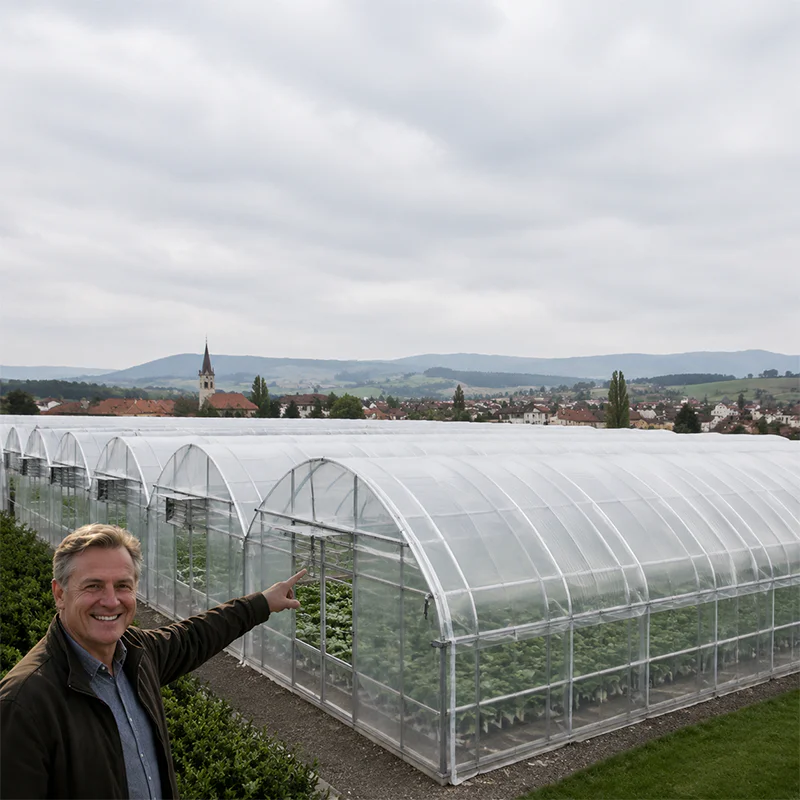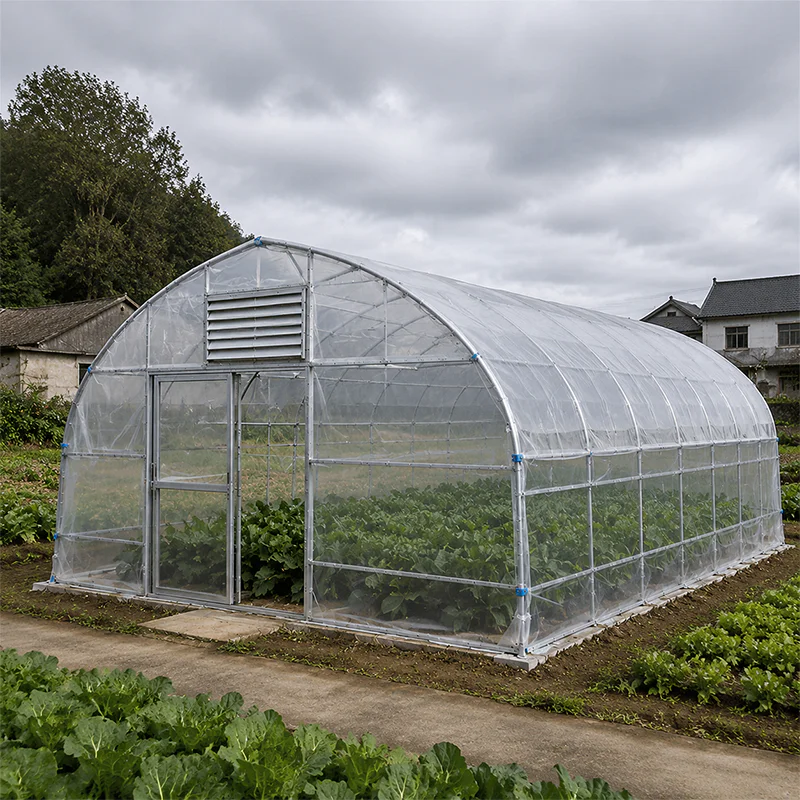







Choosing between standard greenhouse sizes and custom greenhouse sizes is one of the first decisions in a greenhouse project. A standard size can reduce design time, simplify quotation, and control the initial budget. A custom size can better match your land, crop type, climate conditions, hydroponic layout, and future expansion plan.
The better option depends on your project goal. A small vegetable grower may only need a simple tunnel greenhouse in a common size. A commercial grower planning tomatoes, strawberries, hydroponic systems, or multi-span greenhouse production may need a customized design. This guide compares both options and helps you decide which greenhouse size is more suitable for your project.
Introduction: Why Greenhouse Size Decisions Matter
Greenhouse size is not only about length and width. It affects the structure, crop layout, ventilation, cooling, heating, irrigation, labor movement, and long-term operating cost.
How Greenhouse Size Affects Cost, Yield and Operation
A larger greenhouse may offer more planting area, but it also increases structure cost, covering material, installation work, and climate control requirements. A smaller greenhouse may reduce initial investment, but it may limit crop capacity and make operation less efficient.
For example, if a grower chooses a greenhouse that is too narrow, workers may not have enough space for harvesting carts, irrigation pipes, and equipment access. If the greenhouse is too low, tall crops such as tomatoes and cucumbers may suffer from poor airflow and limited trellis height.
Why Growers Often Compare Standard and Custom Designs
Many growers compare standard greenhouse sizes with custom designs because they want to balance cost and performance. Standard sizes are easier to understand and quote. Custom sizes require more communication, but they may improve long-term value.
A practical greenhouse project should not only answer “How much does it cost?” It should also answer “Can this size support my crop, climate, labor, equipment, and expansion plan?”
The Best Choice Depends on Crop, Climate, Budget and Long-Term Plan
There is no single greenhouse size that fits every project. A small tunnel greenhouse may work well for seasonal leafy vegetables. A high gutter دفيئة متعددة الأقواس may be better for tomatoes, cucumbers, peppers, flowers, or hydroponic production.
Before choosing a size, growers should review crop type, local wind and snow conditions, available land, budget, equipment needs, and expected production scale.

What Are Standard Greenhouse Sizes?
Standard greenhouse sizes are commonly used greenhouse dimensions that suppliers can design, quote, manufacture, and install more efficiently.
Common Standard Greenhouse Size Ranges
Standard greenhouse sizes may include small structures such as 6×8 ft, 8×10 ft, and 10×12 ft for home growing. Small farm and commercial starter projects may use sizes such as 20×30 ft, 30×50 ft, or 30×100 ft.
For larger commercial projects, greenhouse sizes are often discussed in square meters. Common project scales may include several hundred square meters, 1,000 sqm, 5,000 sqm, or larger multi-span greenhouse designs.
Typical Uses for Standard Greenhouse Sizes
Standard sizes are suitable for home gardening, seedling trials, small vegetable farms, simple tunnel greenhouses, and seasonal crop production. They are also useful when growers have clear land space and do not need complex equipment integration.
For example, a small farm growing lettuce, herbs, or seedlings may start with a standard tunnel greenhouse before investing in a larger commercial project.
Why Standard Sizes Are Easier to Quote and Install
Standard sizes often use common frame structures, covering materials, ventilation designs, and installation methods. This makes it easier for suppliers to calculate steel quantity, film area, accessories, packing volume, and shipping cost.
Because the design is more familiar, the quotation process can be faster. Installation can also be easier when the greenhouse uses standard components.
Limitations of Standard Greenhouse Sizes
Standard greenhouse sizes may not match every project. They may not fit irregular land, special crop layouts, hydroponic systems, high wind regions, snow load requirements, or future expansion plans.
If a standard size creates wasted space or limits crop performance, the lower initial cost may not bring the best long-term value.
What Are Custom Greenhouse Sizes?
Custom greenhouse sizes are designed according to project-specific needs. They may include customized width, length, gutter height, column spacing, roof design, covering material, ventilation system, and equipment layout.
How Custom Greenhouse Design Works
Custom design usually begins with crop type, land size, climate conditions, production target, and equipment needs. The supplier then recommends a greenhouse structure that matches these conditions.
For commercial projects, custom design may include layout drawings, span selection, bay length, side height, roof height, ventilation position, cooling pad and fan layout, irrigation system, hydroponic layout, and internal working space.
When Growers Need a Customized Size
Growers may need a custom size when the project involves commercial production, hydroponics, multi-span structures, tall crops, irregular land, strong wind, snow conditions, or special growing systems.
A custom greenhouse is also useful when the grower wants to reserve space for future expansion.
Custom Width, Length, Height and Span Design
Customization is not only about making the greenhouse larger. It can include span width, column spacing, gutter height, roof height, door position, internal aisles, and equipment rooms.
For example, tomatoes and cucumbers often need more height than leafy vegetables. Hydroponic NFT systems need proper channel spacing and service aisles. Cooling systems need enough end-wall space for pads and fans.
Why Custom Greenhouses Require More Planning
Custom greenhouse projects require more technical confirmation before production. Growers need to provide crop information, land conditions, local climate data, preferred systems, budget range, and expected production goals.
This planning takes more time, but it can reduce future problems during installation and operation.

Standard Greenhouse Sizes vs Custom Greenhouse Sizes: Key Differences
Both options can work well, but they serve different project needs.
Design Flexibility
Standard sizes offer limited flexibility. They are suitable when the crop and land conditions are simple.
Custom sizes allow more flexibility in span, height, layout, and equipment integration. This is useful for commercial farms and technical growing systems.
Cost and Budget Control
Standard greenhouse sizes usually have lower design costs and faster quotations. They can be more affordable for small projects.
Custom greenhouses may require higher initial investment, but they can improve land use, crop capacity, and workflow. For commercial farms, this may create better long-term value.
Production Capacity
Standard sizes can provide enough space for simple production. However, they may not maximize planting density or usable growing area.
Custom sizes can be designed around planting density, crop height, benches, hydroponic channels, and harvesting routes.
Installation Time
Standard greenhouses are usually faster to produce and install because the structure is more familiar.
Custom greenhouses may need longer design confirmation, production preparation, and installation planning.
Crop Suitability
Standard sizes work well for leafy greens, herbs, seedlings, and simple seasonal vegetables.
Custom greenhouses are often better for tomatoes, cucumbers, strawberries, flowers, nursery plants, hydroponics, and long-cycle commercial crops.
Equipment and System Integration
Standard designs may have limited space for cooling, heating, shading, irrigation, fertigation, and automation systems.
Custom designs can reserve equipment rooms, water tanks, control cabinets, fan positions, cooling pad areas, and service paths.
Future Expansion Potential
Standard greenhouse sizes can be expanded by adding more units, but the overall farm layout may become less efficient.
Custom greenhouse design can plan future expansion from the beginning, including greenhouse direction, road access, water supply, and equipment zones.

Advantages of Choosing Standard Greenhouse Sizes
Standard sizes are practical for many growers, especially when the project is simple and budget controlled.
Faster Design and Quotation
Because standard designs use common dimensions and components, suppliers can usually provide quotations faster. This helps growers compare options quickly.
Lower Initial Cost for Common Projects
Standard greenhouse sizes can reduce engineering work and simplify production. For small farms and starter projects, this can help control initial investment.
Easier Production and Delivery
Standard components are easier to organize, pack, and ship. Replacement parts may also be easier to prepare because the structure uses common specifications.
Suitable for Beginners, Small Farms and Simple Commercial Projects
Growers who are testing a crop or entering greenhouse farming for the first time may prefer a standard size. It reduces complexity and allows them to gain practical growing experience.
Easier Replacement of Common Parts
When a greenhouse uses standard components, it may be easier to replace film, connectors, roll-up parts, doors, and other accessories.
Disadvantages of Standard Greenhouse Sizes
Standard sizes are not always the best option.
May Not Match Irregular Land Conditions
If the land is narrow, uneven, or irregular, a standard greenhouse may not use the space efficiently.
Limited Flexibility for Special Crops
Some crops need special spacing, height, or support systems. A standard greenhouse may not provide enough room for these needs.
Less Efficient for Complex Hydroponic Layouts
Hydroponic systems require careful planning for channels, towers, racks, nutrient tanks, pumps, pipes, and walkways. A standard structure may not fit the system layout well.
May Limit Long-Term Expansion
If expansion is not considered early, a standard greenhouse may block future layout options or create inefficient spacing between structures.
Possible Waste of Usable Growing Area
A greenhouse may look large on paper, but if the layout does not fit the crop, much of the space may be wasted on aisles, corners, or equipment areas.
Advantages of Custom Greenhouse Sizes
Custom greenhouse sizes are often better for commercial or technical projects.
Better Fit for Crop Type and Planting Density
Custom design can match crop spacing, plant height, trellis needs, and growing method. This helps growers use space more effectively.
More Efficient Use of Available Land
A customized greenhouse can be designed according to land dimensions, road access, drainage direction, and surrounding buildings.
Easier Integration with Hydroponic Systems
Hydroponic systems need proper spacing, water circulation, maintenance access, and tank placement. Custom greenhouse design can combine structure and hydroponic layout from the beginning.
Better Adaptation to Local Climate Conditions
Custom design can consider wind load, snow load, temperature, humidity, rainfall, and sunlight. This is important for regions with strong climate requirements.
More Suitable for Commercial Production Planning
Commercial farms need stable production, efficient labor flow, and predictable harvest schedules. Custom design can support these goals better than a simple standard structure.
Stronger Support for Future Expansion
A customized layout can reserve space for additional spans, equipment rooms, packing areas, roads, and future systems.
Disadvantages of Custom Greenhouse Sizes
Custom design has clear benefits, but it also requires more preparation.
Higher Design and Engineering Requirements
Custom projects need more technical review. The supplier must confirm structure, load, systems, and layout details.
Longer Quotation and Production Time
Because more details need to be checked, quotation and production may take longer than standard greenhouse sizes.
Higher Initial Investment in Some Projects
Custom structures may cost more at the beginning, especially when they include higher gutters, stronger frames, automatic systems, or special covering materials.
More Details to Confirm Before Manufacturing
Growers need to confirm crop type, dimensions, system configuration, local climate, site layout, and installation requirements before production.
Requires Clear Project Goals from the Beginning
Custom design works best when the grower has a clear plan. If the project goal changes frequently, the design process may take longer.
When Should You Choose Standard Greenhouse Sizes?
Standard greenhouse sizes are suitable when the project is simple, budget controlled, and does not require special design.
Home Gardening and Trial Growing
For home use and crop trials, standard sizes can reduce cost and simplify installation.
Small Vegetable Farms
Small farms growing leafy greens, herbs, seedlings, or seasonal vegetables can often start with standard tunnel greenhouse sizes.
Simple Tunnel Greenhouse Projects
Tunnel greenhouses are practical for many seasonal crops. Standard tunnel sizes are easier to quote and build.
Seasonal Crop Production
If the greenhouse is mainly used for seasonal protection, a standard structure may be enough.
Projects with Limited Budget and Fast Delivery Needs
When growers need a quick and affordable solution, standard sizes are often more practical.
When Should You Choose Custom Greenhouse Sizes?
Custom design is more suitable when production efficiency and long-term value are important.
Commercial Greenhouse Farming
Commercial farms need more accurate planning for crop capacity, labor, systems, and ROI.
Multi-Span Greenhouse Projects
Multi-span greenhouses usually require custom planning because span number, gutter height, column spacing, and equipment layout affect the whole project.
Hydroponic Greenhouse Layouts
Hydroponic systems should not be added after the greenhouse is designed. The structure and system layout should be planned together.
Greenhouses for Tomatoes, Cucumbers and Trellised Crops
Tall crops need enough height, ventilation, working space, and trellis support. Custom design is often better for these crops.
Greenhouses in High Wind, Snow or Hot Climate Regions
Local climate can affect structure selection. In high wind or snow regions, frame strength and roof design must be reviewed carefully.
Projects That Need Future Expansion
If the farm may expand later, custom site planning can prevent future layout problems.
How Crop Type Affects Your Greenhouse Size Choice
Crop type is one of the most important factors in greenhouse size selection.
Leafy Vegetables and Herbs
Leafy vegetables and herbs can grow at high density. They may use standard greenhouse sizes, NFT systems, DWC systems, or vertical towers.
الطماطم والخيار والفلفل
These crops require more height, trellis systems, pruning access, and airflow. Custom greenhouse height and layout are often useful.
Strawberries and Berry Crops
Strawberries may use ground beds, gutters, towers, or hanging systems. The greenhouse size should support picking access and plant spacing.
Flowers and Nursery Plants
Flowers and nursery plants often need benches, pots, trays, sorting space, and plant movement paths.
Mushrooms and Special Growing Environments
Mushrooms usually require special humidity, temperature, ventilation, and light control. A standard greenhouse may not be suitable without modification.
Hydroponic Crops and Vertical Farming Systems
Hydroponic crops require system space, water tanks, pumps, pipes, drainage, and maintenance access. Vertical systems also need good light distribution and service space.
How Greenhouse Systems Affect Size Selection
Greenhouse equipment can change the required size and layout.
Ventilation and Cooling System Space
Fans, cooling pads, side vents, and roof vents need enough space. Large greenhouses need more systematic airflow planning.
Shading and Blackout System Requirements
Shading and blackout systems require frame support, motor space, curtain movement area, and control systems.
Heating System Layout
Heating systems may include boilers, heating pipes, heaters, or fans. The greenhouse size should allow safe and efficient installation.
Irrigation and Fertigation Equipment Space
Water tanks, pumps, filters, fertilizer injectors, and control equipment need space outside or inside the greenhouse.
Walkways, Benches and Working Areas
Walkways are essential for planting, pruning, harvesting, cleaning, and transport. Benches and racks also affect usable growing area.
Automation and Control Cabinet Placement
Smart control cabinets, sensors, weather stations, and wiring should be planned early to avoid messy installation.
Cost Comparison: Standard vs Custom Greenhouse Sizes
Cost should be evaluated by total project value, not only by the lowest structure price.
Structure Cost
Standard greenhouse structures usually cost less because they use common designs. Custom structures may cost more if they need higher strength, special dimensions, or more complex engineering.
Covering Material Cost
Covering materials may include PE film, PO film, polycarbonate sheets, glass, or blackout materials. Larger or custom shapes may increase material use.
Equipment and Optional System Cost
Cooling, shading, heating, irrigation, fertigation, and automation systems can become a major part of the budget. A cheaper greenhouse frame may still become expensive if equipment is not planned well.
Shipping and Installation Cost
Standard structures are often easier to pack and ship. Custom greenhouses may need more careful packing and installation guidance.
Long-Term Operation and Maintenance Cost
A suitable custom design may reduce labor, improve climate control, and support better crop management. This can bring long-term value even if the initial cost is higher.
Why the Cheapest Size Is Not Always the Best Value
A low-cost greenhouse that does not fit the crop or climate may create higher costs later. The best greenhouse size should balance investment, production, labor, and durability.
Project Examples: Which Option Fits Better?
These examples show how different projects may require different size decisions.
A Small Farm Growing Leafy Vegetables
A small farm growing lettuce and herbs may choose standard greenhouse sizes because the crop is simple and the structure requirements are not complex.
A Restaurant Greenhouse for Fresh Produce Supply
A restaurant may need a medium-size greenhouse designed around weekly consumption. A standard size can work, but layout should include harvesting space and crop rotation.
A Commercial Multi-Span Greenhouse for Tomatoes
Tomato production usually requires custom height, trellis layout, ventilation, and irrigation planning. Custom greenhouse design is often the better option.
A Hydroponic Greenhouse with NFT Channels
NFT channels require exact layout planning, slope, water return, tanks, and service aisles. A custom greenhouse layout can improve operation.
A Greenhouse Project in a Windy or Snowy Region
Regions with strong wind or snow loads need careful structural design. Custom design may be required to meet local conditions.
Common Mistakes When Choosing Greenhouse Sizes
يمكن أن يؤدي تجنب الأخطاء الشائعة إلى تقليل مخاطر الاستثمار.
Choosing Only Based on Price
Price is important, but it should not be the only decision factor. Crop yield, labor, and equipment needs also affect project value.
تجاهل المساحة الصالحة للزراعة
Total greenhouse area is not equal to usable planting area. Walkways, tanks, fans, benches, and tools all take space.
Forgetting Space for Workers and Equipment
A crowded greenhouse can make daily work difficult. Workers need safe and convenient access.
Selecting a Greenhouse Too Low for Tall Crops
Low structures may reduce airflow and limit trellis height. This can affect tomatoes, cucumbers, peppers, and hanging crops.
Not Considering Local Climate Loads
Wind and snow conditions should be reviewed before finalizing the structure. A greenhouse must be safe for the local environment.
Failing to Plan Future Expansion
A greenhouse layout should consider future growth. Expansion is easier when roads, water, power, and structure direction are planned early.
How to Decide Between Standard and Custom Greenhouse Sizes
A clear decision process helps growers avoid unnecessary mistakes.
Define Your Crop and Production Goal First
Start with the crop. Then confirm production scale, sales channel, growing season, and expected output.
Measure Your Land and Site Conditions
Measure land width, length, slope, drainage, sunlight, road access, and surrounding obstacles.
Calculate Planting Area and Operation Space
Plan planting beds, channels, racks, benches, aisles, equipment rooms, and maintenance space before choosing the final size.
Confirm Climate Requirements and Structural Loads
Check wind, snow, heat, humidity, and rainfall conditions. These factors affect frame strength and system selection.
Compare Short-Term Budget with Long-Term ROI
A standard greenhouse may save money at the beginning. A custom greenhouse may support better long-term production. The right choice depends on project goals.
Ask for a Professional Layout Before Final Decision
Before ordering, request a layout drawing or structure proposal. This helps confirm whether the greenhouse size fits crops, systems, and operation needs.
How Aurlant Helps You Choose the Right Greenhouse Size
Aurlant supports growers with greenhouse size recommendations, structure design, and integrated growing solutions.
Greenhouse Size Suggestions Based on Crop and Climate
Aurlant can recommend suitable greenhouse dimensions based on crop type, local climate, land conditions, and production goals.
Standard Greenhouse Models for Common Projects
For simple projects, Aurlant can provide standard greenhouse models that are easier to quote, produce, ship, and install.
Custom Greenhouse Design for Commercial Farms
For commercial farms, Aurlant can support custom greenhouse design, including multi-span structures, crop layouts, and climate control systems.
Hydroponic, Cooling, Shading and Irrigation Integration
Aurlant can help integrate hydroponic systems, cooling pads, fans, shading, irrigation, fertigation, and automation systems into greenhouse planning.
Layout and Quotation Support for Overseas Projects
For overseas projects, Aurlant can provide layout support, size recommendations, equipment configuration, and quotation guidance according to project requirements.
FAQ About Standard and Custom Greenhouse Sizes
Are standard greenhouse sizes cheaper than custom sizes?
Standard greenhouse sizes are often cheaper at the beginning because they use common designs and components. However, the final value depends on crop needs, equipment, labor, and long-term operation.
What is the most common standard greenhouse size?
Common sizes include 6×8 ft, 8×10 ft, 10×12 ft, 20×30 ft, 30×50 ft, and 30×100 ft. Commercial projects may use several hundred square meters or larger multi-span structures.
When is a custom greenhouse size necessary?
Custom size is necessary when the project involves commercial production, special crops, hydroponic systems, irregular land, high wind, snow, or future expansion.
Can standard greenhouse sizes be used for commercial farming?
Yes, standard greenhouse sizes can be used for small commercial farms and simple tunnel greenhouse projects. Larger or more technical projects may need custom design.
Does custom greenhouse size increase construction time?
Custom greenhouse design may increase planning and production time because more details must be confirmed. However, good planning can reduce installation and operation problems later.
Which option is better for hydroponic farming?
Hydroponic farming often benefits from custom greenhouse design because channels, tanks, pipes, pumps, drainage, and service aisles need accurate layout planning.
How do I know the right greenhouse size for my project?
Start by confirming crop type, production goal, land size, climate conditions, equipment needs, budget, and future expansion plan. A professional layout can help you make a safer decision.
Conclusion: Which Option Is Better for Your Project?
Standard Sizes Are Better for Simple and Budget-Controlled Projects
Standard greenhouse sizes are a good choice for home growing, trial planting, small vegetable farms, simple tunnel greenhouses, and projects that need faster delivery.
Custom Sizes Are Better for Commercial and Technical Projects
Custom greenhouse sizes are better for commercial farms, multi-span greenhouses, hydroponic layouts, tall crops, special climate regions, and future expansion plans.
The Right Decision Should Balance Cost, Crop Needs and Future Growth
The best greenhouse size is not always the cheapest or the largest. It is the size that supports your crop, climate, budget, equipment, daily operation, and long-term business plan. Aurlant can help growers compare standard and custom options and choose a greenhouse size that fits real project needs.