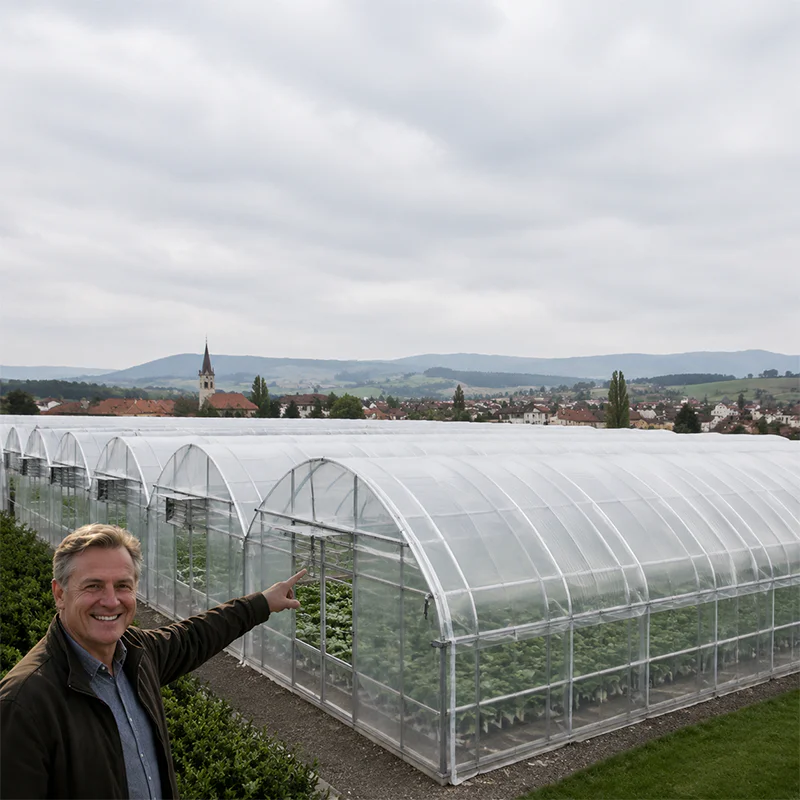






Choosing the right greenhouse structure is an important decision for small and medium agricultural projects.
Many growers want to start commercial farming but face challenges such as limited investment budgets, restricted land availability, and uncertain market demand.
A single-span greenhouse provides a practical option for these projects.
Compared with larger connected greenhouse systems, single-span structures offer simpler construction, flexible installation, and easier management.
However, choosing a greenhouse should not only depend on the initial price.
Factors such as crop type, climate conditions, production goals, and future expansion plans should also be considered.
A suitable greenhouse investment can help growers build a stable production foundation and reduce operational risks.
What Is a Single-span Greenhouse?
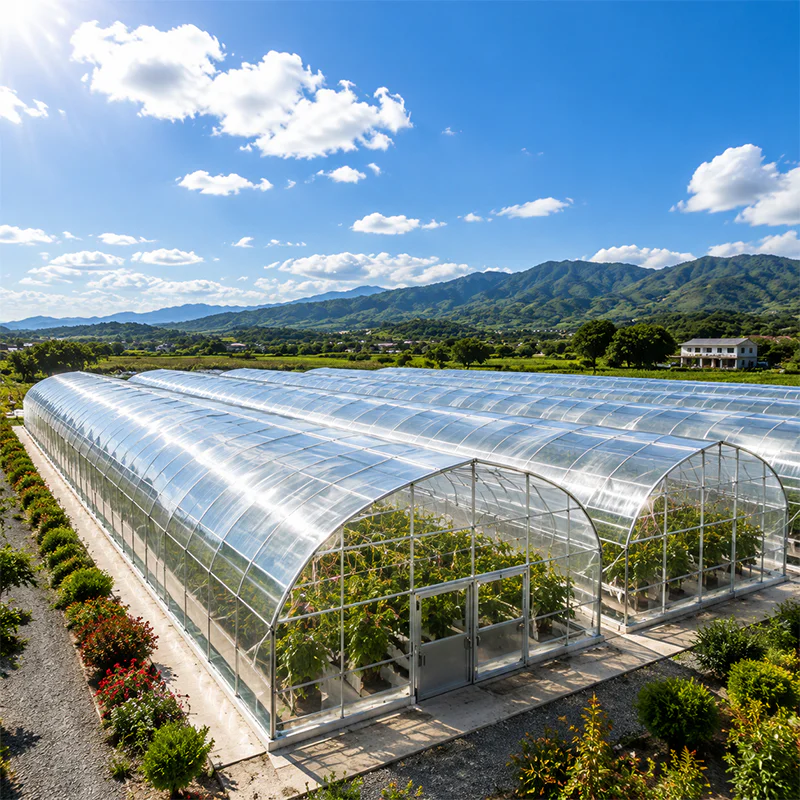
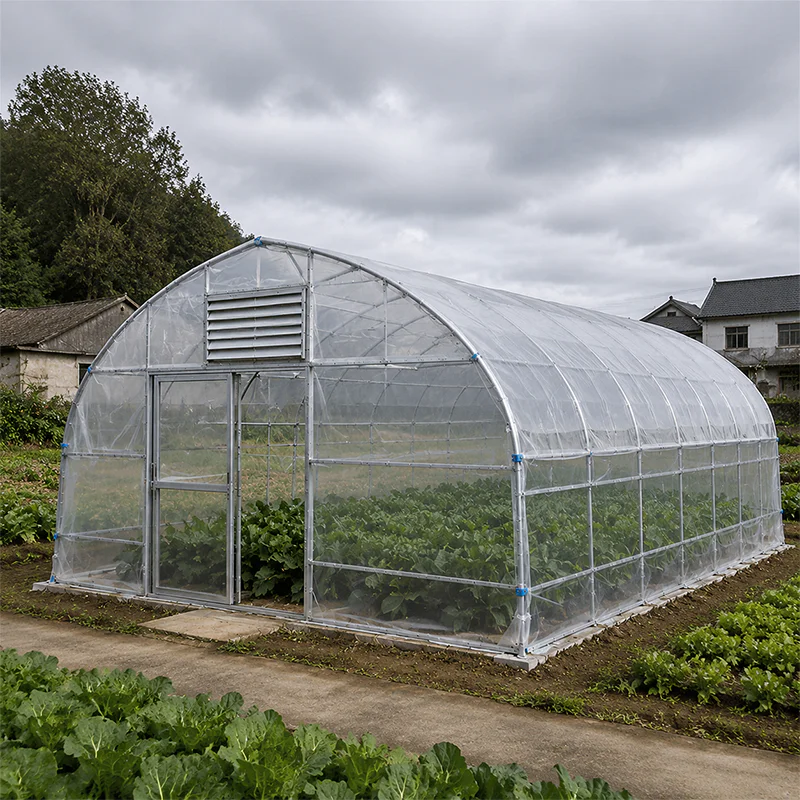
A single-span greenhouse is an independent greenhouse structure with one continuous roof span.
Unlike multi-span greenhouses that connect multiple sections together, single-span systems operate as separate cultivation units.
The basic structure usually includes:
- Galvanized steel framework
- Greenhouse covering material
- Ventilation system
- Irrigation equipment
- Optional climate control systems
This design is widely used for:
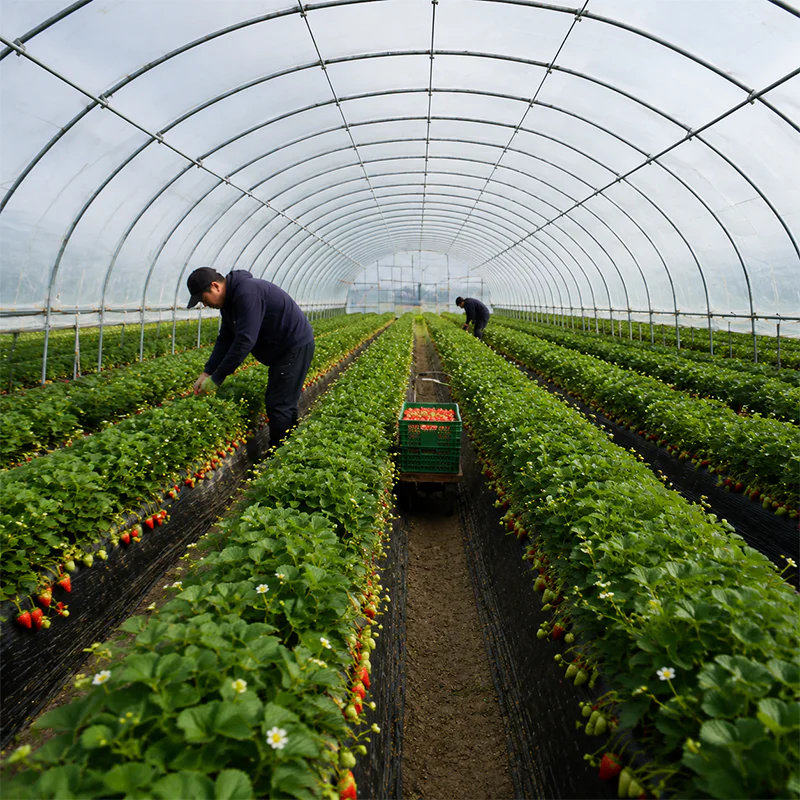
- Vegetable production
- Nursery operations
- Flower cultivation
- Small commercial farms
Because of its simple structure, it is often selected by growers who need a flexible agricultural solution.
Why Small Farms Choose Single-span Greenhouses
Small farms usually have different requirements compared with large agricultural companies.
They often need:
- Lower initial investment
- Easier operation
- Flexible production planning
- Gradual expansion possibilities
A single-span greenhouse can meet these needs.
The independent structure allows farmers to start with a smaller cultivation area and expand later according to market demand.
This reduces financial pressure during the early stage of agricultural development.
Investment Advantages of Single-span Greenhouses
The investment value of a greenhouse depends on more than construction cost.
A practical solution should balance:
- Initial investment
- Production capacity
- Operating expenses
- Long-term flexibility
Lower Initial Construction Investment
Single-span greenhouses usually require simpler structural systems compared with larger commercial greenhouse designs.
This can reduce:
- Steel consumption
- Engineering complexity
- Installation requirements
For farmers entering commercial production, this makes the project easier to start.
However, the final investment still depends on:
- الحجم
- Covering materials
- Equipment configuration
- Local conditions
Flexible Expansion Possibilities
One advantage of single-span structures is flexibility.
Farmers can begin with a smaller greenhouse area and add additional units later.
This approach is suitable for businesses that want to:
- Test new crops
- Develop local markets
- Increase production gradually
A phased expansion strategy can reduce investment risk.
Lower Management Complexity
Large greenhouse projects often require advanced management systems.
Single-span greenhouses are easier to manage because:
- The growing area is smaller
- Daily operations are simpler
- Maintenance access is easier
For small teams, this can improve operational efficiency.
Suitable Crops for Single-span Greenhouses
Crop selection plays an important role in greenhouse planning.
Single-span structures are commonly used for:
الخضراوات الورقية
Examples include:
- الخس
- Spinach
- الأعشاب
- Asian vegetables
These crops usually require efficient space utilization and stable growing conditions.
الطماطم والخيار
Fruit vegetables can also be produced in single-span greenhouses.
Important considerations include:
- Plant support systems
- التهوية
- Growing height
- Irrigation management
Nursery Production
Many nurseries use single-span greenhouses for:
- Seedling production
- Plant propagation
- Young plant protection
The flexible structure allows growers to adjust production according to seasonal demand.

Climate Considerations Before Investment
Climate conditions directly influence greenhouse performance.
Before investing, growers should evaluate:
- Temperature range
- هطول الأمطار
- ظروف الرياح
- Humidity levels
- Solar radiation
In hot regions, ventilation and shading systems may be necessary.
In colder areas, insulation and heating solutions may become more important.
A professional single-span greenhouse solution for small commercial farms should be designed according to local environmental conditions.
Single-span Greenhouse vs Multi-span Greenhouse
The choice between single-span and multi-span depends on project objectives.
دفيئة زجاجية أحادية الامتداد
Advantages:
- Lower investment
- Flexible installation
- Easier management
- Suitable for smaller projects
Limitations:
- Lower land utilization efficiency
- Limited expansion within one structure
دفيئة زجاجية متعددة الامتدادات
Advantages:
- Larger continuous production area
- Better for industrial-scale farming
- Easier integration of large systems
Limitations:
- Higher investment
- More complex engineering
For small farms and developing agricultural projects, single-span structures often provide a balanced starting point.
Combining Single-span Greenhouses With Modern Farming Systems
Modern greenhouse production increasingly uses advanced technologies.
These may include:
- Automated irrigation
- Fertigation systems
- مراقبة البيئة
- Crop management software
The greenhouse structure should match the cultivation system.
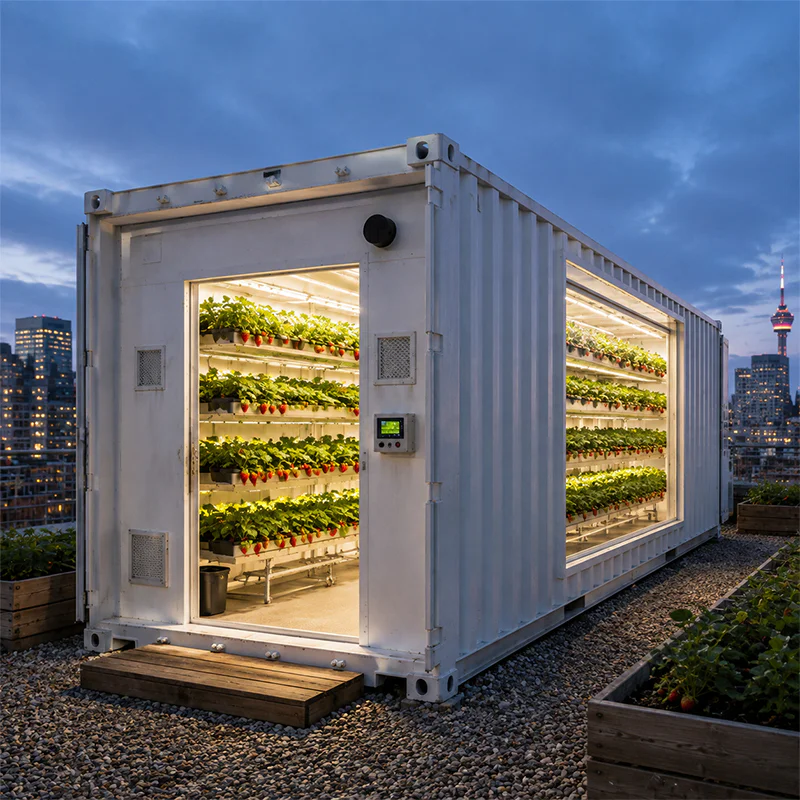
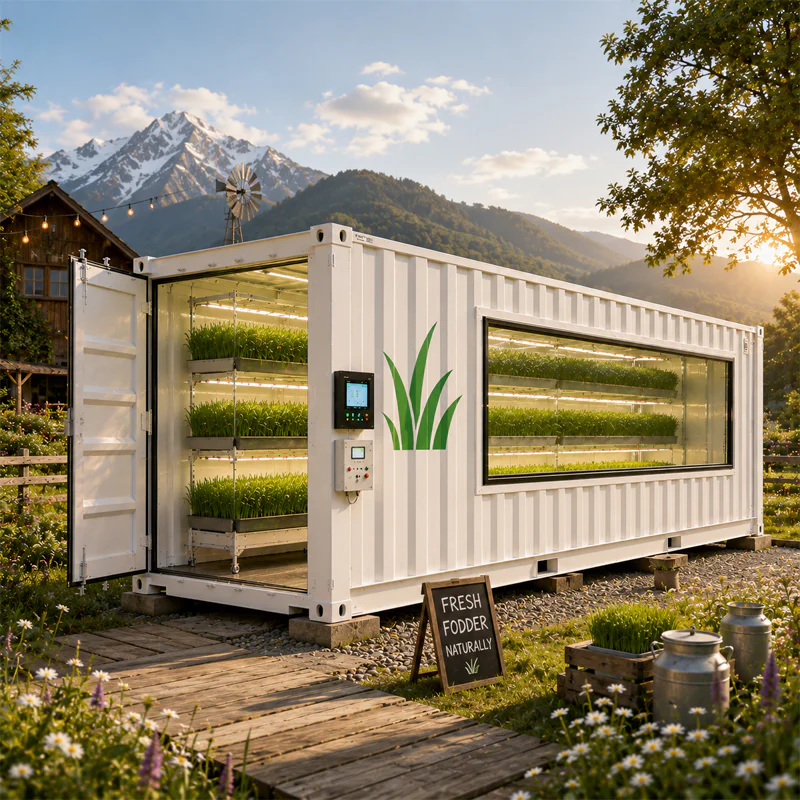
For locations with limited land or special production requirements, growers may also consider a container farm solution for year-round crop production as an alternative controlled environment option.
Common Mistakes When Investing in Single-span Greenhouses
Several mistakes may affect project results.
Choosing Only the Lowest Price
The cheapest greenhouse may not provide the best long-term value.
Poor-quality materials or unsuitable designs may increase maintenance costs.
Ignoring Future Expansion
A greenhouse should support future business growth.
Planning expansion space early can reduce future modification costs.
Selecting Without Climate Analysis
A greenhouse design should always match local environmental conditions.
Ignoring climate factors can reduce production efficiency.
How to Plan a Single-span Greenhouse Project
Before construction, growers should analyze:
- Crop selection
- Production targets
- Available land
- Investment capacity
- Required equipment
- Future development plans
Professional planning helps create a greenhouse system that matches real farming needs.
Why Single-span Greenhouses Remain Popular
Single-span greenhouses continue to be widely used because they provide a practical balance between cost, flexibility, and production capability.
They are especially suitable for growers who want to establish commercial farming operations without investing in a large-scale structure immediately.
With proper planning, these systems can support stable crop production and long-term agricultural development.

الخاتمة
A single-span greenhouse is a practical investment option for small and medium agricultural projects.
Its advantages include flexible installation, easier management, and lower entry investment.
However, successful greenhouse farming requires more than choosing a structure.
Crop requirements, climate conditions, production goals, and future expansion should all be evaluated before investment.
For growers seeking a scalable farming solution, a well-designed single-span greenhouse can provide a reliable foundation for commercial agriculture.
الأسئلة الشائعة
What is a single-span greenhouse used for?
Single-span greenhouses are commonly used for vegetable production, nurseries, flowers, and small commercial farming projects.
Is a single-span greenhouse suitable for commercial farming?
Yes. It can support commercial production when the greenhouse size, crop type, and management plan are properly designed.
Are single-span greenhouses cheaper than multi-span greenhouses?
Generally, single-span systems have lower construction complexity and may require less initial investment.
What crops can grow in a single-span greenhouse?
Common crops include leafy vegetables, tomatoes, cucumbers, herbs, flowers, and seedlings.
Should small farms choose a single-span or multi-span greenhouse?
The choice depends on production scale, investment budget, climate conditions, and future expansion plans.