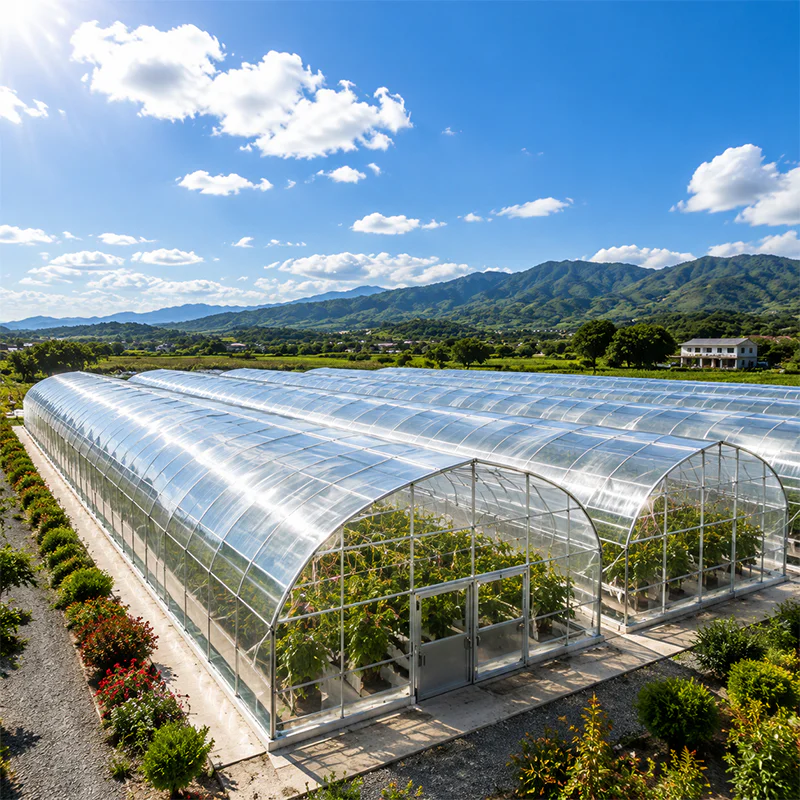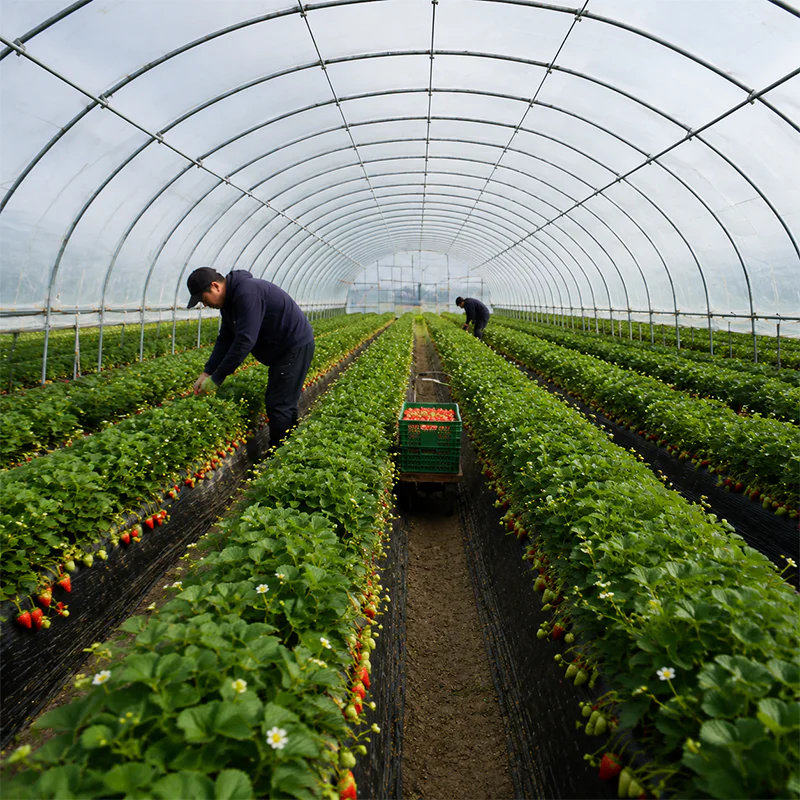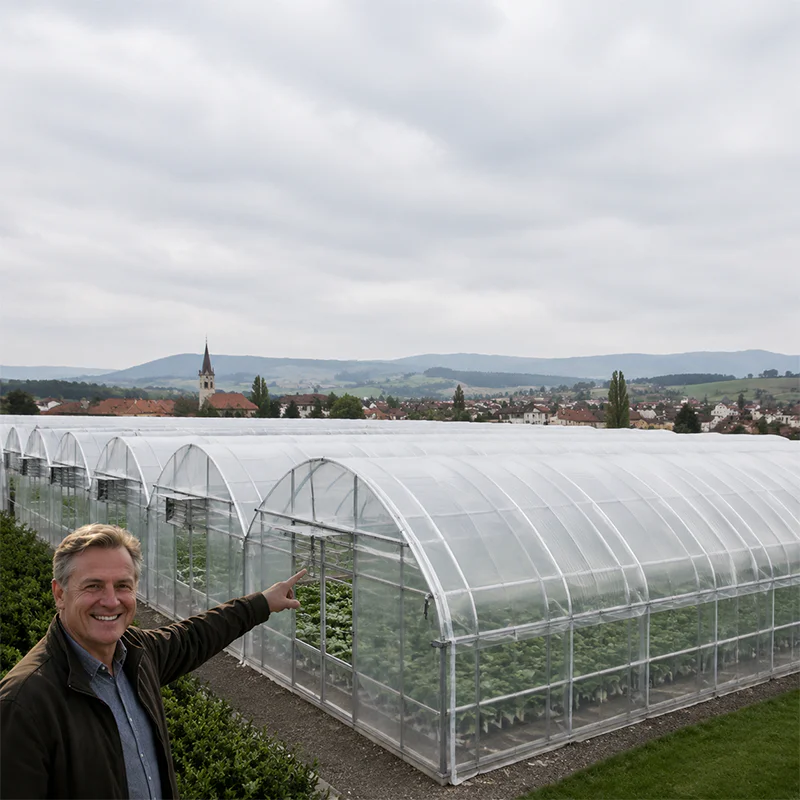







Film blackout greenhouse systems are advanced controlled environment agriculture structures designed to precisely regulate light exposure for crops through automated light deprivation technology.
Unlike traditional greenhouse systems that rely on natural sunlight transmission, blackout systems introduce engineered light control mechanisms that allow growers to simulate specific photoperiod conditions.
This makes them essential for commercial agriculture applications where crop timing, quality, and consistency are critical.
How Film Blackout Greenhouse Systems Work
Film blackout greenhouse systems operate through a combination of physical light-blocking materials and automated control technologies.
The system is designed to completely block external sunlight when required and restore light conditions based on programmed cycles.
The working principle can be divided into three main stages:
- Light isolation phase
- Controlled photoperiod regulation phase
- Environmental stabilization phase
These stages work together to ensure consistent crop growth conditions.
Light Isolation Mechanism
The primary function of a film blackout greenhouse is to eliminate uncontrolled external light.
This is achieved using specialized blackout film layers installed on the greenhouse structure.
The film is engineered to:
- Block 100% external sunlight
- Prevent light leakage
- Maintain internal environmental stability
This is essential for crops sensitive to photoperiod changes.

Automated Shading Control System
A key feature of modern blackout greenhouse systems is automation.
The system uses:
- Motor-driven shading curtains
- Timing control units
- Light sensors
- Environmental monitoring systems
These components work together to simulate natural or customized light cycles.
For structural comparison, this mechanism is often integrated with blackout greenhouse systems used in controlled environment agriculture projects, especially in industrial-scale farming setups.
Environmental Regulation System
In addition to light control, blackout greenhouse systems also regulate internal climate conditions.
This includes:
- Temperature control
- Humidity regulation
- Air circulation management
These systems ensure that crop growth is not affected by external environmental fluctuations.

Role in Commercial Agriculture
Film blackout greenhouse systems are widely used in commercial agriculture due to their ability to precisely control crop development cycles.
They are commonly applied in:
- High-value crop production
- Medicinal plant cultivation
- Photoperiod-sensitive agriculture
- Controlled flowering systems
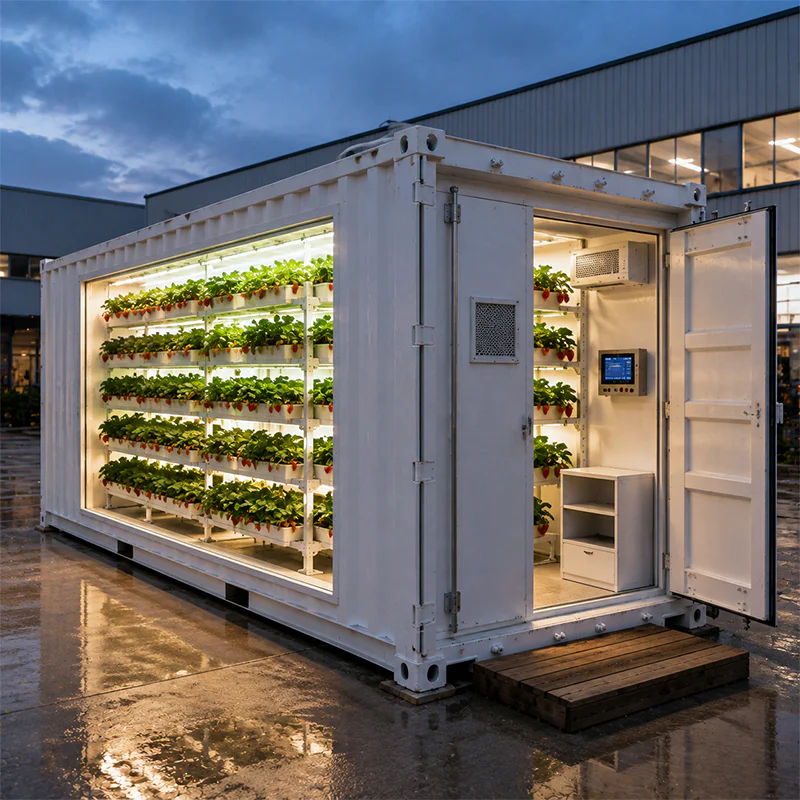
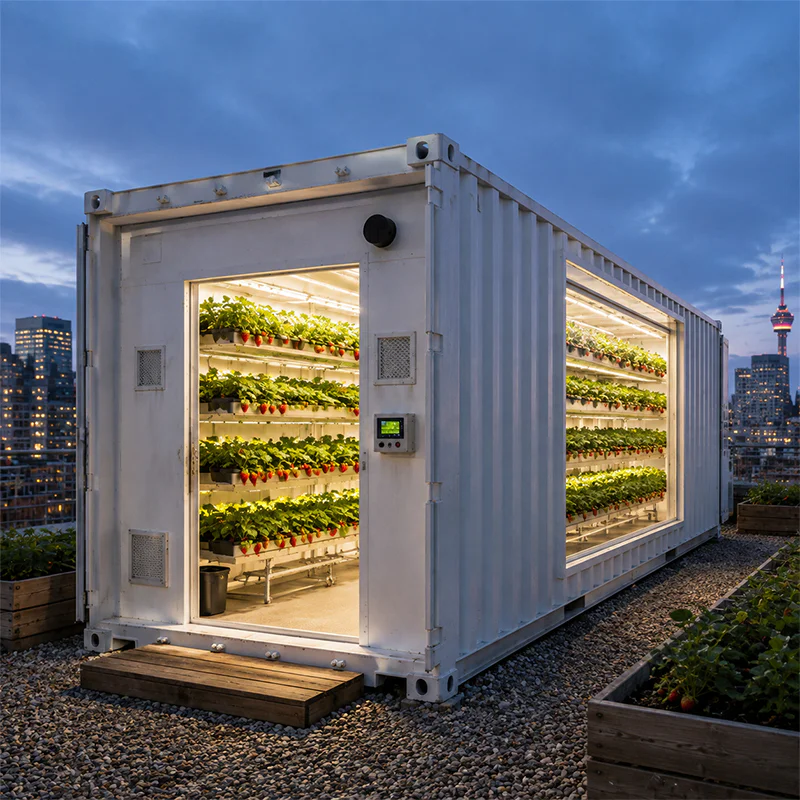
In advanced farming setups, they are often combined with vertical hydroponic farming systems for commercial production environments, allowing simultaneous control of light and nutrient delivery systems.
Advantages of Working Mechanism
The working mechanism of blackout greenhouse systems provides several advantages:
- Precise control of light exposure
- Improved crop scheduling accuracy
- Higher production consistency
- Reduced environmental dependency
- Enhanced commercial crop value
These advantages make the system highly suitable for precision agriculture.
System Limitations
Despite its advantages, the system also has limitations:
- High installation complexity
- Requires automation maintenance
- Sensitive to mechanical failure
- Higher initial investment cost
Proper system design and maintenance are required for stable operation.
Integration with Smart Agriculture
Modern film blackout greenhouse systems are increasingly integrated with smart agriculture technologies.
These include:
- Environmental sensors
- AI-based climate control systems
- Automated irrigation systems
- Data-driven farming management platforms
This integration improves operational efficiency and reduces labor dependency.
الخاتمة
Film blackout greenhouse systems represent a key advancement in controlled environment agriculture.
By combining blackout film technology with automation and environmental regulation systems, they allow precise control of crop growth cycles and improve commercial farming efficiency.
As agriculture continues to evolve toward smart farming systems, blackout greenhouse technology will play an increasingly important role in global food production and specialty crop cultivation.
الأسئلة الشائعة
How does a film blackout greenhouse system work?
It works by using blackout film and automated shading systems to fully control light exposure and simulate specific photoperiod cycles.
Why is light control important in agriculture?
Because it directly affects plant growth cycles, flowering timing, and overall crop quality.
What crops benefit from blackout greenhouse systems?
High-value crops, medicinal plants, and photoperiod-sensitive crops benefit the most.
Can blackout greenhouse systems be automated?
Yes, modern systems use sensors and motorized shading systems for full automation.
Can blackout systems be combined with hydroponics?
Yes, they are often integrated with hydroponic systems for improved efficiency and yield control.