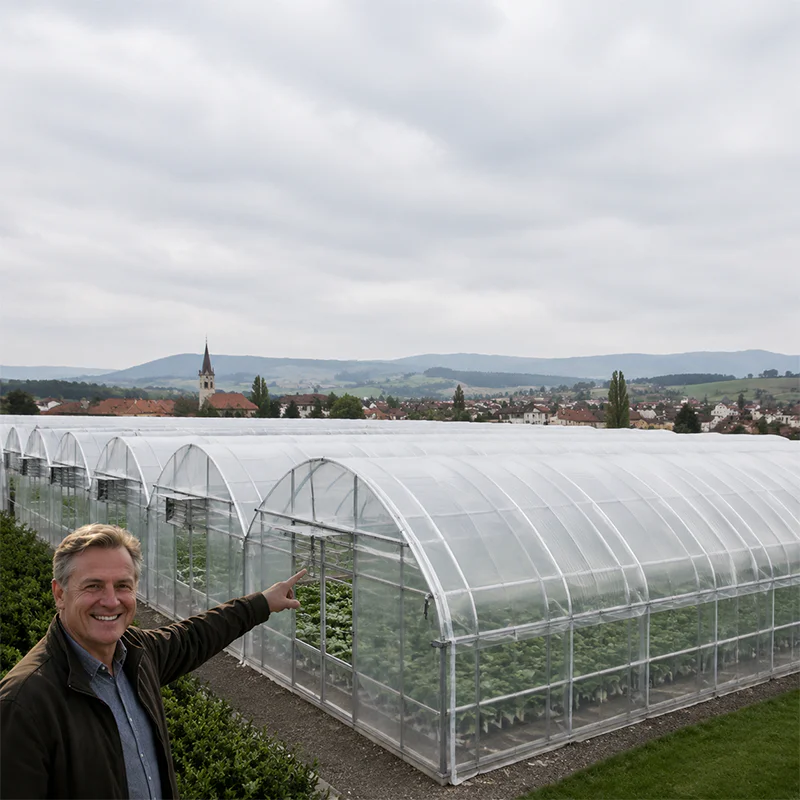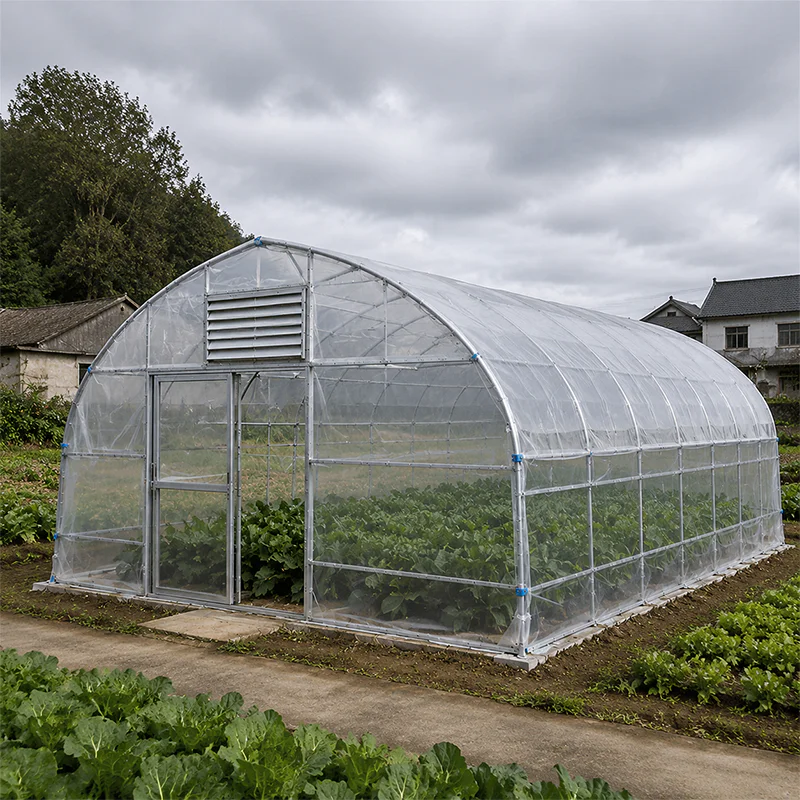






Selecting the right greenhouse system is one of the most important decisions for commercial growers.
A blackout greenhouse is not simply a structure with light-blocking materials. It is a complete production environment designed to help growers manage light cycles, climate conditions, and crop schedules.
Different farms have different goals. Some growers focus on reducing initial investment, while others prioritize energy efficiency, automation capability, and long-term production stability.
Therefore, the best blackout greenhouse solution depends on multiple factors, including crop type, local climate, operational requirements, and expected return.
This guide explains how commercial growers can evaluate different blackout greenhouse options and choose a suitable solution for their projects.

Understanding Your Production Goals Before Selection
Before choosing a blackout greenhouse, growers should define their production objectives.
Crop Value and Production Requirements
The first consideration is the crop itself.
Different crops may require different environmental conditions:
- Strict photoperiod control
- Stable temperature management
- Specific humidity levels
- Consistent production cycles
High-value crops usually require more precise environmental management because small variations can affect quality and profitability.
Production Scale
Farm size directly affects greenhouse selection.
Small farms may prioritize:
- Lower startup cost
- Simple operation
- Easy maintenance
Commercial farms usually focus on:
- Higher production capacity
- Automation integration
- Lower operating costs
- Long-term durability
A greenhouse designed for a commercial project should consider future expansion rather than only current production needs.
Evaluating Blackout Greenhouse Structures
Different blackout greenhouse structures provide different performance levels.
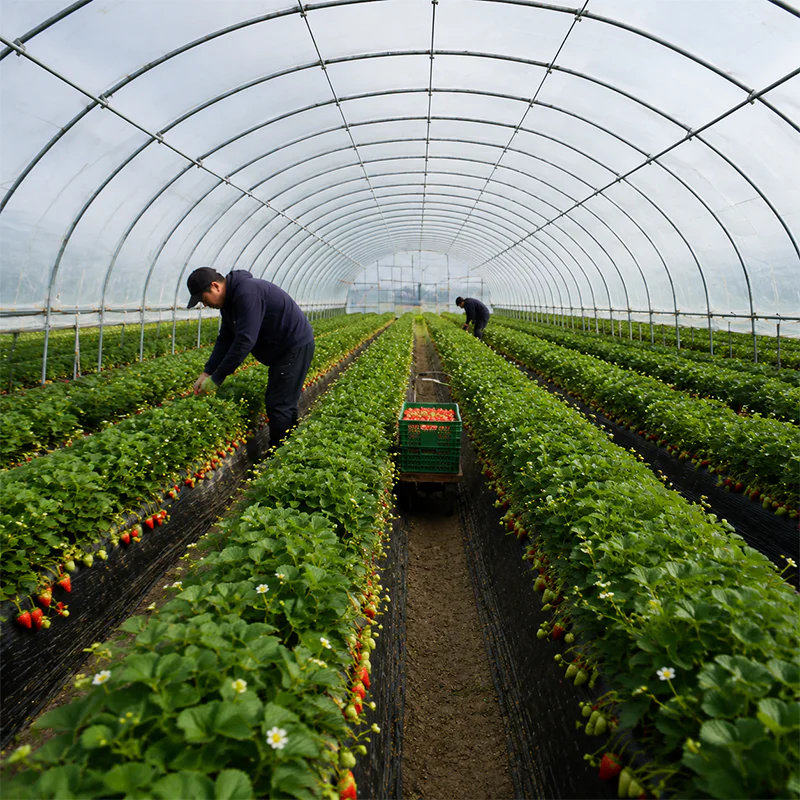
Film Blackout Greenhouse
Film blackout systems are commonly selected because they provide an economical entry point for controlled agriculture.
Advantages include:
- Lower investment requirements
- Faster construction
- Flexible application
They are suitable for growers who need efficient light control without a high initial budget.
However, film systems usually require more frequent material maintenance compared with rigid structures.
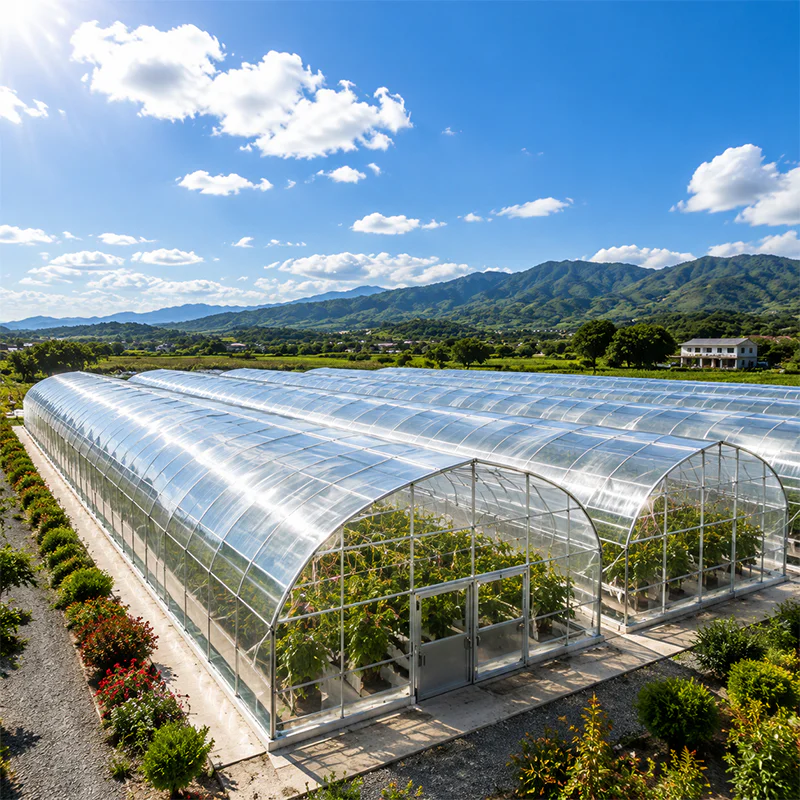
Polycarbonate Blackout Greenhouse
Polycarbonate systems provide a balance between cost and performance.
Their advantages include:
- Improved insulation
- Stronger weather resistance
- Better environmental stability
They are often selected by growers who want a long-term cultivation facility with moderate investment requirements.
PU Panel Blackout Greenhouse
PU panel systems are designed for projects requiring stronger environmental control.
They provide:
- High insulation performance
- Excellent light isolation
- Stable internal conditions
- Strong structural protection
For farms producing premium crops or operating in challenging climates, PU panel structures can provide significant operational advantages.
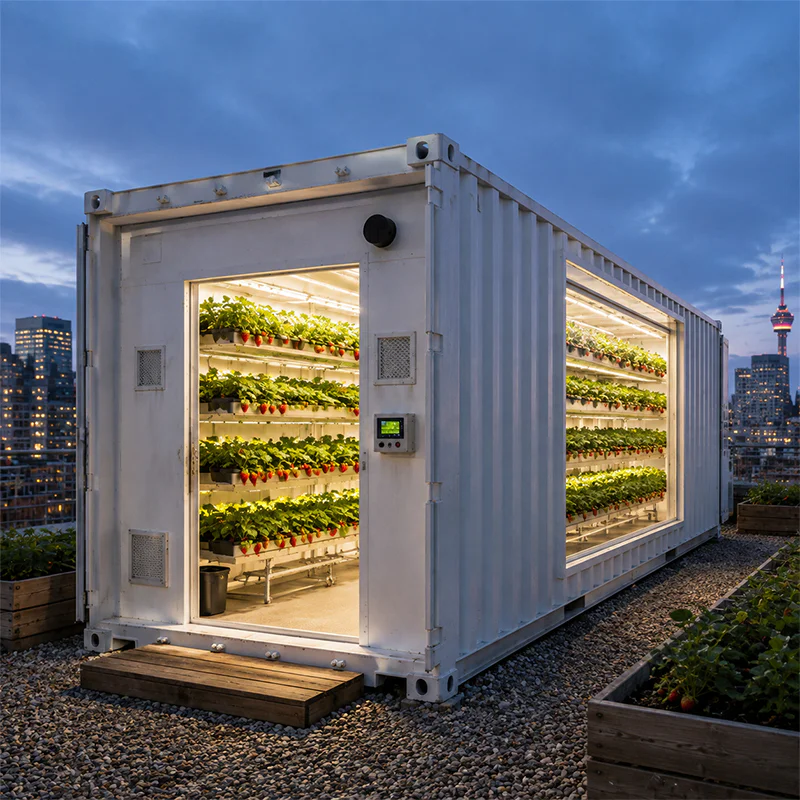
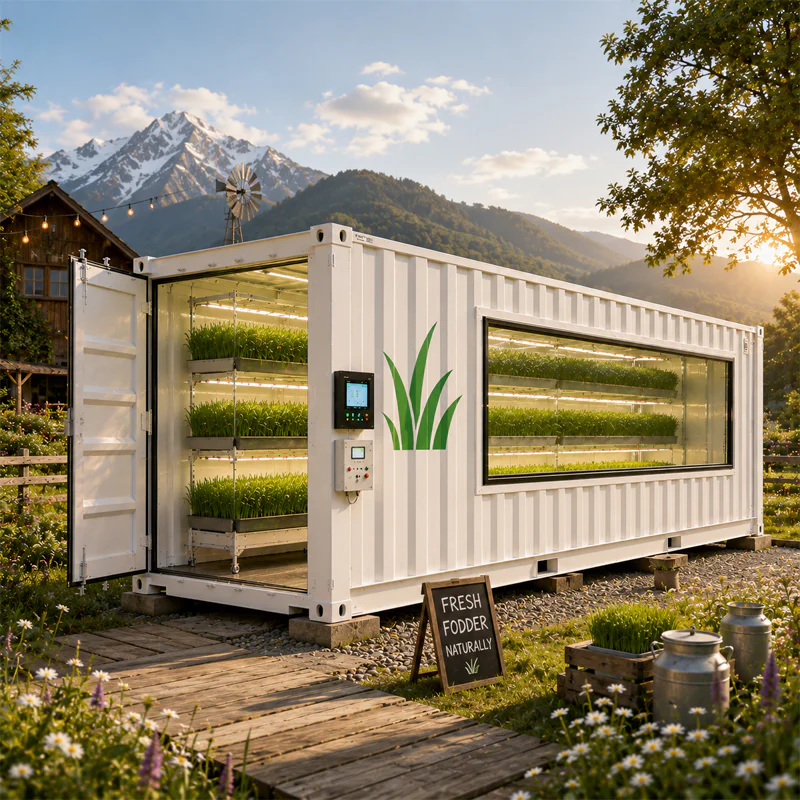
Commercial growers may also combine these structures with indoor growing solutions for controlled environment agriculture projects to create highly managed production facilities.
Climate Conditions and Location Analysis
Local climate is one of the most important factors in greenhouse selection.
Hot Climate Regions
For hot areas, growers should focus on:
- Heat management
- Ventilation efficiency
- Cooling requirements
A suitable blackout greenhouse should reduce heat accumulation while maintaining effective environmental control.
Cold Climate Regions
Cold regions require stronger insulation performance.
Important factors include:
- Thermal protection
- Heating efficiency
- Structural durability
In these environments, insulated greenhouse solutions often provide better long-term operational efficiency.
Comparing Investment Priorities
Different growers have different investment strategies.
Lower Initial Investment
Projects with limited budgets may choose simpler systems.
The main goal is:
- Fast deployment
- Lower construction cost
- Practical operation
Long-Term Operational Efficiency
Some commercial farms prioritize lifecycle value instead of initial price.
They evaluate:
- Energy savings
- Maintenance frequency
- Production stability
- Equipment lifespan
A higher initial investment may provide better returns over many production cycles.
Automation Requirements
Automation capability should also influence greenhouse selection.
Modern blackout greenhouses can integrate:
- Light control systems
- Climate monitoring
- Irrigation management
- Environmental sensors
The automation level should match the farm’s management capability and production objectives.
Large-scale operations usually benefit more from advanced automation because it reduces labor dependency.
Selecting a Reliable Greenhouse Partner
Choosing the right manufacturer is as important as choosing the greenhouse type.
A professional supplier should provide:
- Engineering design support
- Customized solutions
- System integration
- Technical guidance
A greenhouse project requires cooperation between structure design, environmental control, and crop production planning.
Future Development of Blackout Greenhouse Solutions
Blackout greenhouse technology is moving toward smarter and more efficient agriculture.
Future systems will increasingly include:
- Intelligent monitoring
- Data-based production decisions
- Automated climate adjustment
- Integrated farming solutions
These improvements will help growers achieve higher efficiency and more predictable production.

Conclusion
Choosing the right blackout greenhouse requires a complete evaluation of crop requirements, climate conditions, investment plans, and operational goals.
Film systems provide flexibility and affordability.
Polycarbonate systems offer balanced performance.
PU panel systems provide advanced environmental control.
The best solution is not always the cheapest option, but the one that matches the farm’s long-term production strategy.
FAQ
What factors should be considered when choosing a blackout greenhouse?
Growers should evaluate crop requirements, climate conditions, budget, automation needs, and future expansion plans.
Which blackout greenhouse is best for commercial farms?
The best option depends on production goals. Film, polycarbonate, and PU panel systems are suitable for different applications.
Is a blackout greenhouse suitable for year-round farming?
Yes. With proper climate control, blackout greenhouses can support stable production throughout the year.
Does a more expensive greenhouse provide better returns?
Not always. The best investment depends on crop value, operating costs, and production objectives.
Can blackout greenhouses integrate with other farming systems?
Yes. They can be combined with irrigation, automation, and controlled cultivation systems.