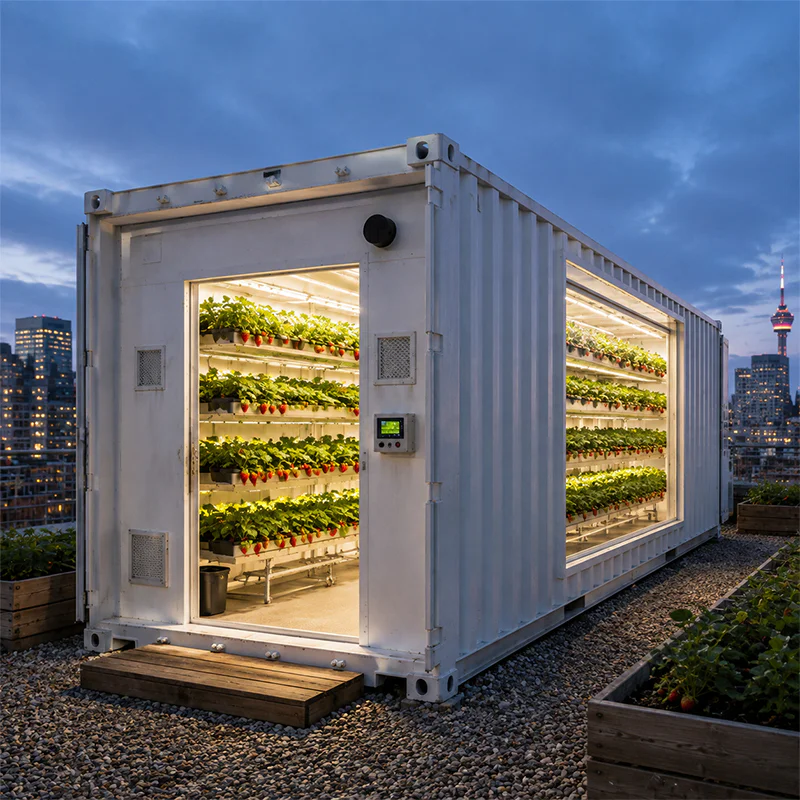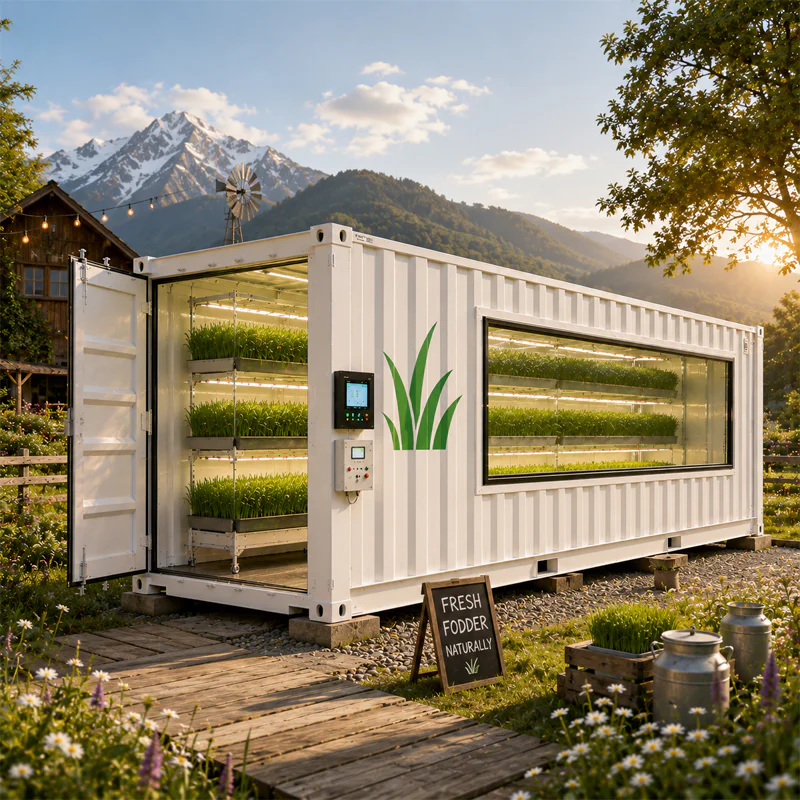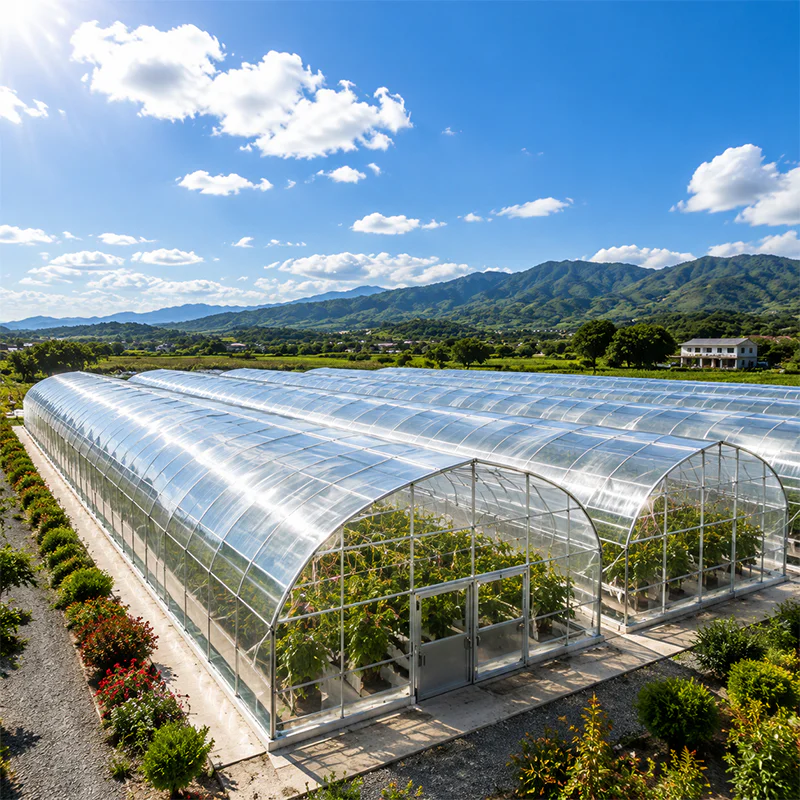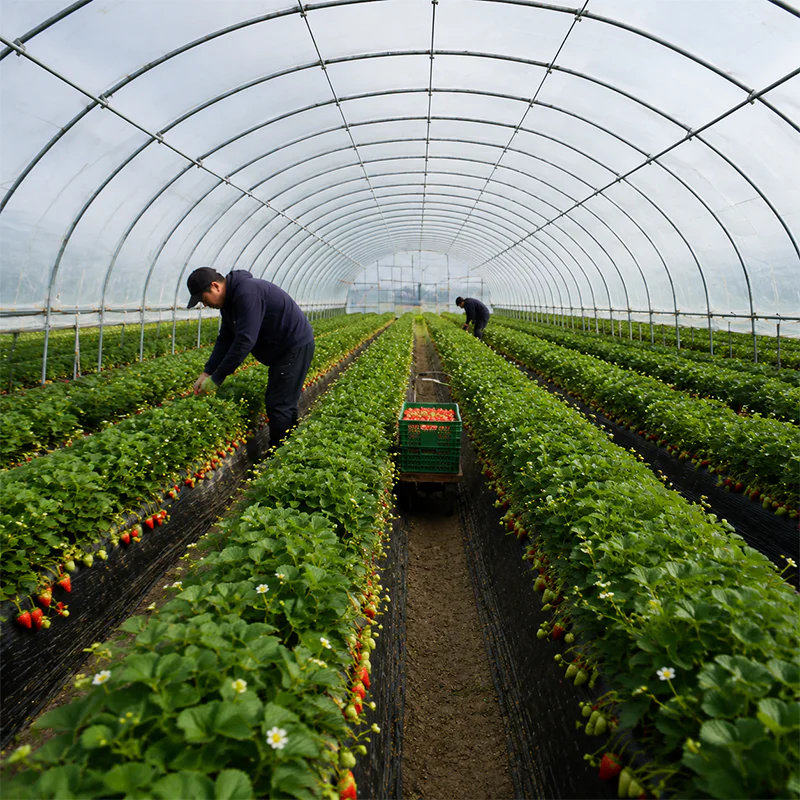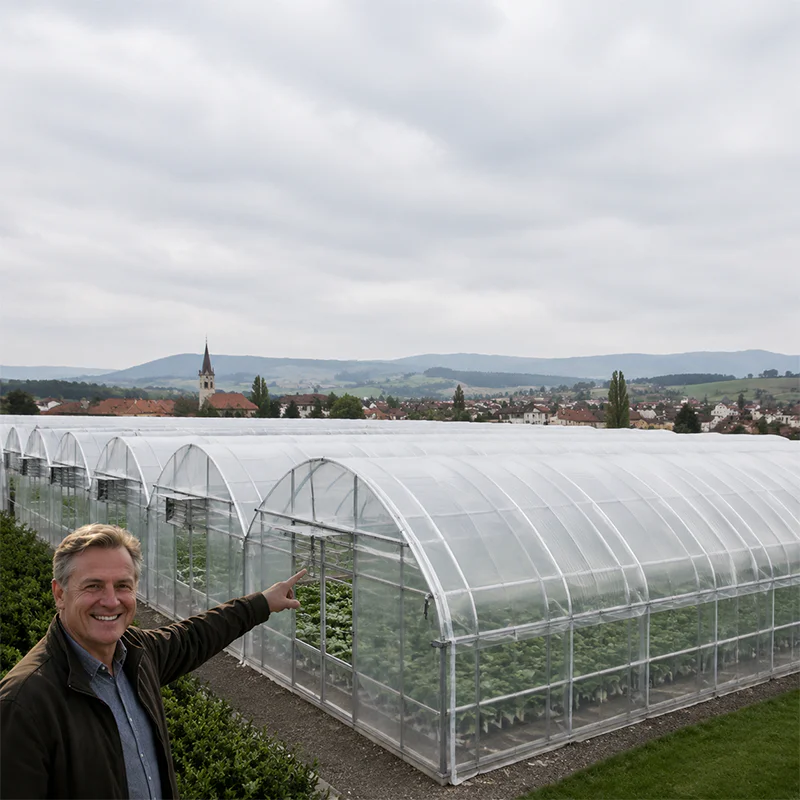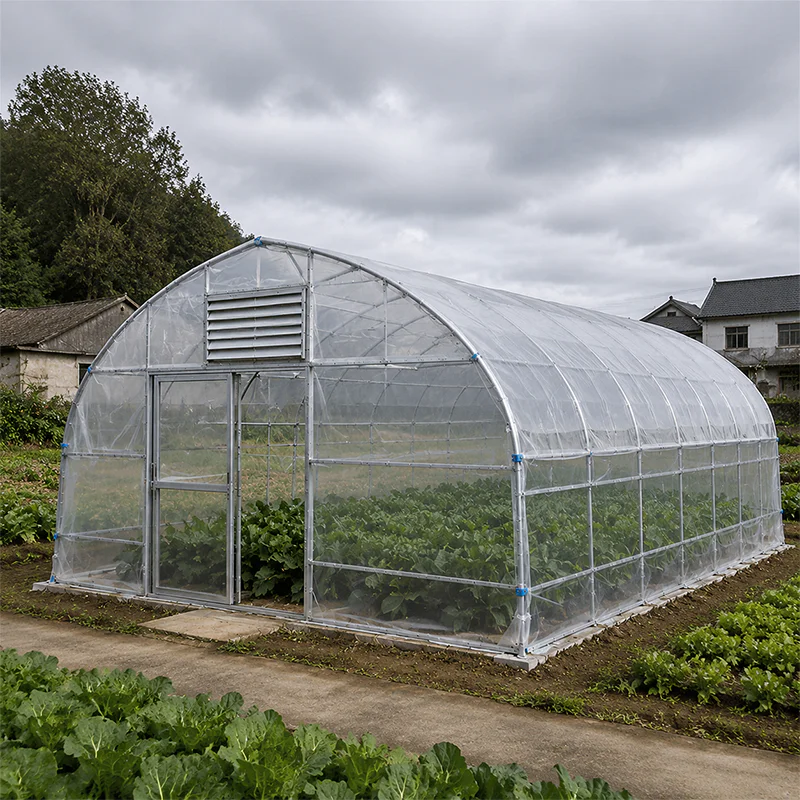







A greenhouse farming system is one of the most important innovations in modern agriculture, especially in regions where climate conditions are unstable or extreme.
As controlled environment agriculture becomes more widely adopted, greenhouse systems are increasingly used to ensure stable crop production and predictable yield outcomes.
For commercial projects, understanding greenhouse structure design and cost planning is essential before making investment decisions.
In this article, we will explain what a greenhouse farming system is, how it works, and how it is applied in modern agricultural greenhouse projects.

What Is a Greenhouse Farming System?
A greenhouse farming system refers to a protected cultivation system designed to create a controlled agricultural environment for crop production.
Unlike traditional farming methods, an agricultural greenhouse allows farmers to manage environmental factors such as temperature, humidity, and light.
This makes the greenhouse farming system an essential part of modern climate control farming strategies.
For more advanced project planning, many investors also study greenhouse design for hot climate regions to ensure system efficiency in extreme environments.
How a Greenhouse Farming System Works
A greenhouse farming system operates by creating a controlled internal environment inside a greenhouse structure.
The system works through several processes:
- Solar radiation enters the structure
- Heat is retained for crop growth
- Ventilation regulates airflow
- Climate control farming systems adjust temperature
- Irrigation systems deliver nutrients efficiently
In large-scale agricultural greenhouse projects, system integration with hydroponic systems is also common to improve productivity.
To understand investment planning, greenhouse cost breakdown is also an important part of system evaluation.
Key Components of a Greenhouse Structure
A greenhouse structure includes several engineered systems:
Structural frame, covering materials, ventilation systems, cooling systems, irrigation systems, and automated climate control systems.
Each component plays a role in maintaining stable protected cultivation system performance under different climate conditions.
In commercial projects, the choice of structure directly affects long-term operational efficiency.
Types of Greenhouse Farming Systems
Common greenhouse farming system types include:
- Tunnel greenhouse system
- Multi-span greenhouse system
- Venlo glass greenhouse system
- Sawtooth greenhouse system
Each agricultural greenhouse type is designed for specific environmental and commercial applications.
Applications in Agriculture
Greenhouse farming systems are widely used in:
- Production maraîchère
- Fruit cultivation
- Flower farming
- Hydroponic farming systems
- Large-scale commercial agriculture projects
These systems are especially important in controlled environment agriculture regions with extreme weather conditions.
Advantages of Greenhouse Farming Systems
Key benefits include:
- Stable production under controlled environment agriculture
- Higher yield efficiency
- Water-saving irrigation systems
- Protection from pests and climate risks
- Year-round agricultural greenhouse production
Limitations
Despite advantages, greenhouse farming systems require:
- Investissement initial élevé
- Technical maintenance
- Proper greenhouse structure design
- Energy management in climate control farming systems
Commercial Importance
Greenhouse farming systems are widely used in modern agricultural investment projects because they offer predictable production and scalable farming models.
They are a core part of controlled environment agriculture development worldwide.
Conclusion
A greenhouse farming system is a fundamental solution in modern agriculture that enables controlled production, efficient resource use, and scalable farming operations.
With proper greenhouse structure design and system integration, agricultural greenhouse projects can achieve long-term commercial success.

FAQ
What is a greenhouse farming system?
It is a controlled cultivation system used in modern agriculture to regulate environmental conditions.
Is greenhouse farming suitable for hot climates?
Yes, especially when combined with ventilation and cooling systems.
What crops can be grown in greenhouse systems?
Vegetables, fruits, herbs, and flowers.
Quelle est la durée de vie d'une structure de serre ?
Typically 10 to 20 years depending on materials and maintenance.