





Building a commercial greenhouse is not only a construction project. It is a complete agricultural business decision.
Many growers focus on greenhouse size, materials, and equipment first. However, successful projects usually begin with a clearer question:
What production goal does the farm need to achieve?
A greenhouse system should be designed around crop requirements, market demand, operating capacity, and long-term development plans.
Without proper planning, even advanced greenhouse technology may fail to deliver expected results.
Professional commercial greenhouse planning connects agricultural goals with engineering solutions, helping growers create a more efficient production model.

Why Commercial Greenhouse Planning Matters Before Construction
A greenhouse affects many parts of an agricultural business:
- Capacité de production
- Crop quality
- Labor requirements
- Operating costs
- Expansion opportunities
A common mistake is selecting a greenhouse first and deciding the farming model later.
A better approach is:
Production goal → Crop selection → Greenhouse design → Equipment configuration
This approach reduces unnecessary investment and improves project efficiency.
Step 1: Define Production Goals and Market Position
Every commercial greenhouse project should begin with clear objectives.
Growers should evaluate:
- Target customers
- Expected production volume
- Canaux de vente
- Harvest schedule
- Investment capability
For example, a farm supplying supermarkets may require consistent production throughout the year.
A local market farm may focus more on flexibility and lower investment.
Different business models require different greenhouse solutions.
Step 2: Select Crops Based on Business Strategy
Crop selection directly influences greenhouse design.
Different crops have different requirements.
Production de légumes-feuilles
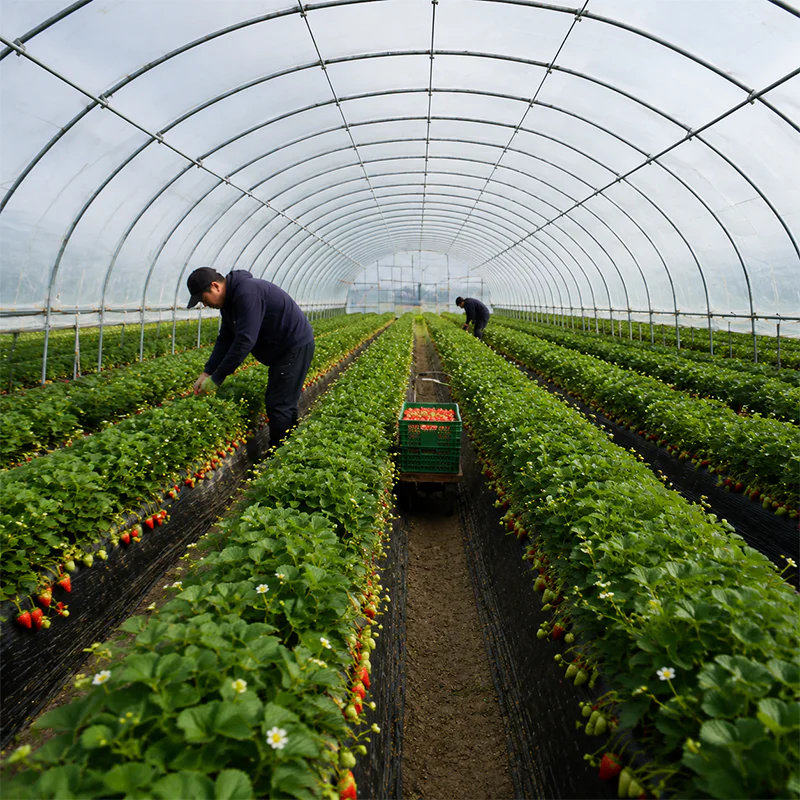
Leafy vegetables such as lettuce, herbs, and spinach often require:
- Efficient space utilization
- Température stable
- Reliable irrigation
These crops are suitable for intensive production systems.
Fruit Vegetable Production
Tomatoes, cucumbers, and peppers usually require:
- Greater growing height
- Support structures
- More precise climate management
The greenhouse layout should match plant growth characteristics.
Specialty Crops
High-value crops may require more precise environmental control.
En voici quelques exemples :
- Fleurs
- Premium vegetables
- Specialty agricultural products
These projects often require customized planning.
Step 3: Match Greenhouse Design With Production Requirements
The greenhouse structure should support the farming objective.
Important factors include:
- Conditions climatiques
- Crop characteristics
- Terrains disponibles
- Échelle de production
For example:
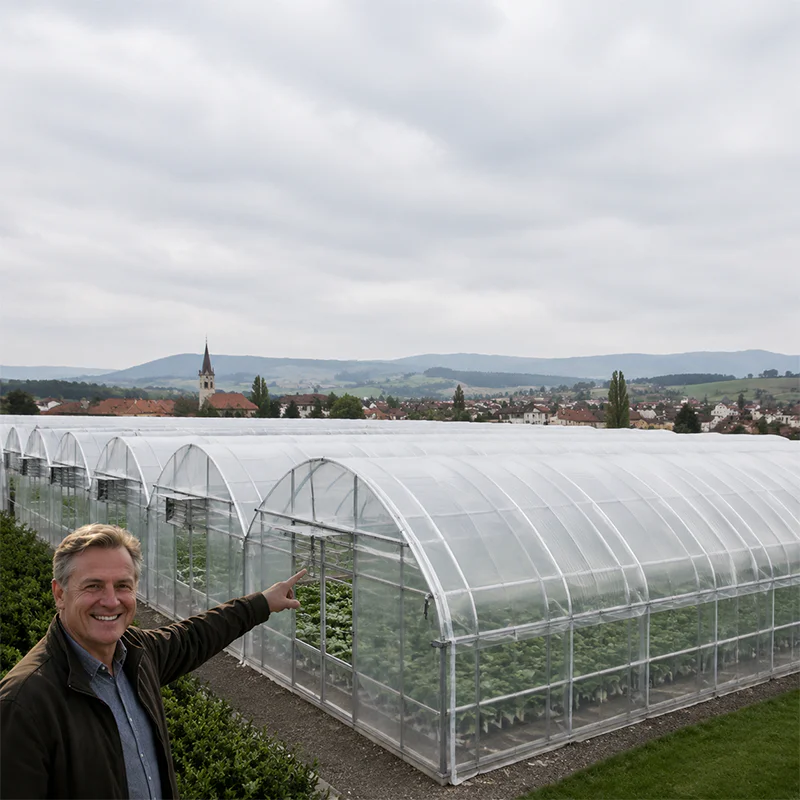
Small commercial farms may prefer flexible greenhouse structures.
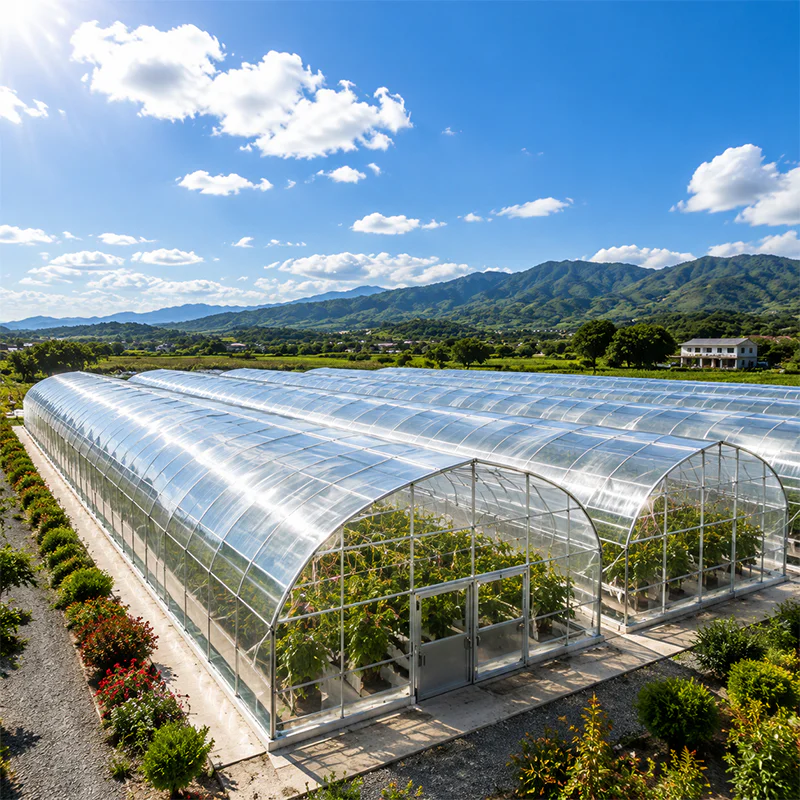
Large agricultural projects may require expanded layouts and higher production capacity.
Un professionnel greenhouse design for commercial vegetable farming should consider both current needs and future development.
Step 4: Choose Supporting Agricultural Systems
A greenhouse alone does not determine production performance.
Supporting systems are equally important.
Il peut s'agir notamment :
- Systèmes d'irrigation
- Fertigation equipment
- Ventilation systems
- Climate monitoring
- Shading solutions
The correct combination depends on:
- Type de culture
- Environnement local
- Objectif de production
Step 5: Plan Operation Workflow and Future Expansion
Successful farms consider daily operation before construction.
Planning should include:
- Mouvement ouvrier
- Crop management process
- Harvest workflow
- Equipment maintenance
Future expansion should also be considered.
A greenhouse project that allows additional capacity can reduce future upgrade costs.
Common Planning Mistakes in Commercial Greenhouse Projects
Choosing Equipment Before Defining Goals
Advanced equipment does not guarantee success.
Technology should support the farming strategy.
Ignoring Local Climate Conditions
Climate influences:
- Ventilation requirements
- Matériaux de revêtement
- Cooling solutions
A greenhouse design suitable for one region may not perform well in another.
Underestimating Operational Requirements
Commercial farming requires more than construction.
Growers should consider:
- Technical management
- Labor organization
- Crop knowledge
Combining Greenhouse Projects With Modern Agriculture Solutions
Modern commercial farms increasingly combine multiple technologies.
En voici quelques exemples :
- Systèmes hydroponiques
- Arrosage automatisé
- Digital monitoring
- Controlled environment agriculture
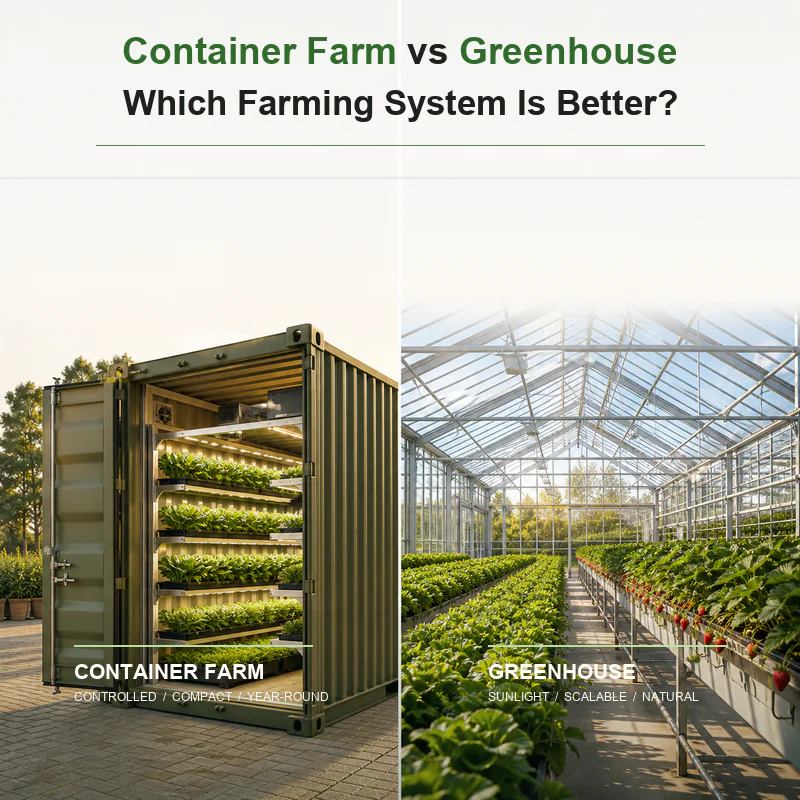
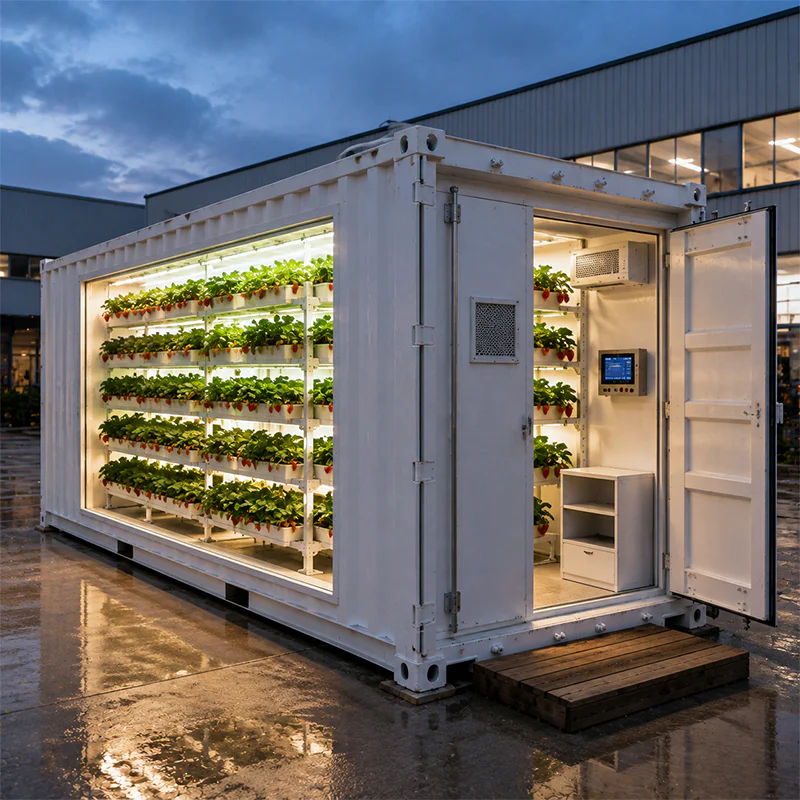
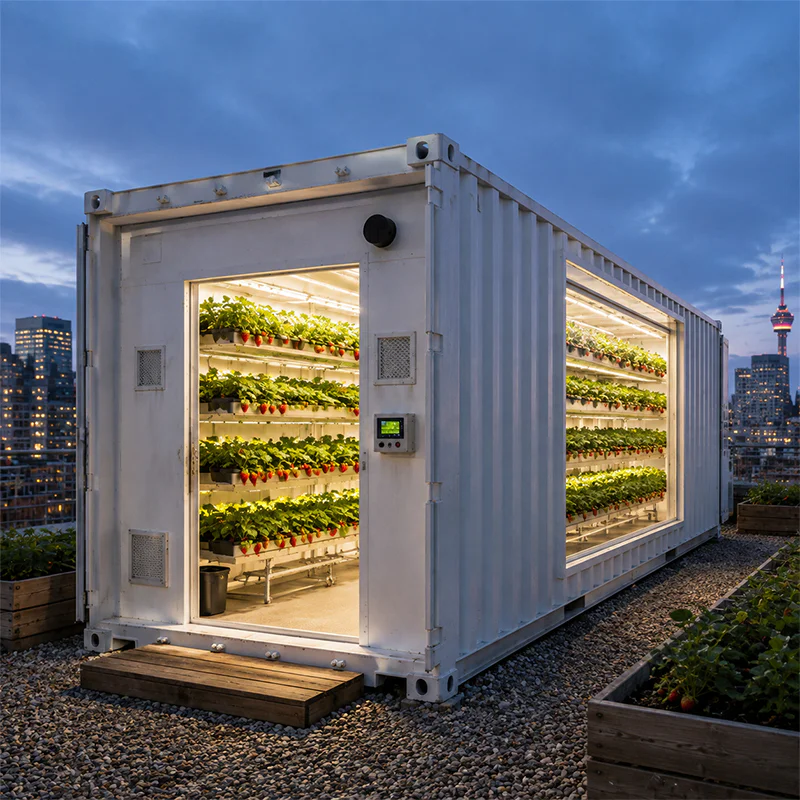
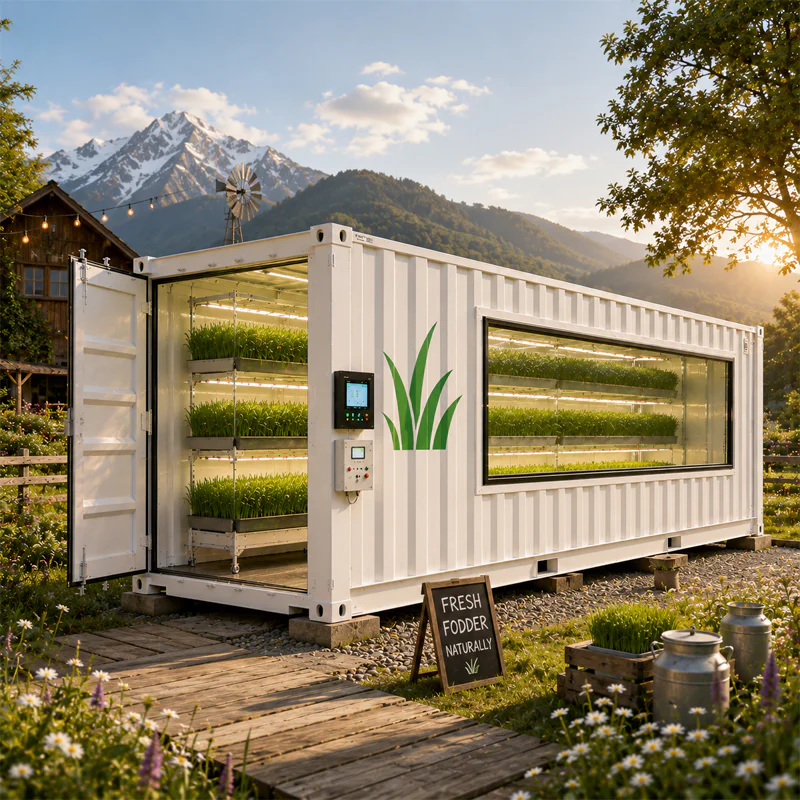
For projects requiring highly controlled production conditions, growers may also consider a commercial container farm solution for controlled crop production.
Different farming systems can complement each other depending on project goals.
How Professional Planning Improves Farm Success
A well-planned greenhouse project provides several advantages:
- Better resource allocation
- More stable production
- Lower operational risks
- Easier expansion
Professional planning helps connect agricultural objectives with practical engineering solutions.
This creates a stronger foundation for long-term farming development.

Conclusion
Commercial greenhouse planning is the foundation of successful agricultural projects.
The best greenhouse solution is not simply the largest or most advanced system.
It is the system that matches:
- Besoins des cultures
- Market objectives
- Conditions climatiques
- Objectifs de production
By planning carefully before construction, growers can improve project efficiency and build a more sustainable farming operation.
FAQ
What should be considered before building a commercial greenhouse?
Growers should evaluate crop selection, market demand, climate conditions, production goals, and future expansion plans.
How does crop selection affect greenhouse design?
Different crops require different growing environments, space requirements, and management systems.
Is greenhouse planning important for small farms?
Yes. Proper planning helps small farms avoid unnecessary investment and create scalable production systems.
What systems should be included in a commercial greenhouse project?
Common systems include irrigation, fertigation, ventilation, climate control, and crop management equipment.
Can greenhouse projects be expanded in the future?
Yes. Many greenhouse designs can be planned with future expansion possibilities.