



When investors consider controlled environment agriculture, one of the first questions is production capacity.
A container farm offers a compact solution for indoor crop production, but the actual number of plants it can grow depends on multiple factors, including crop type, growing system design, rack configuration, and environmental control strategy.
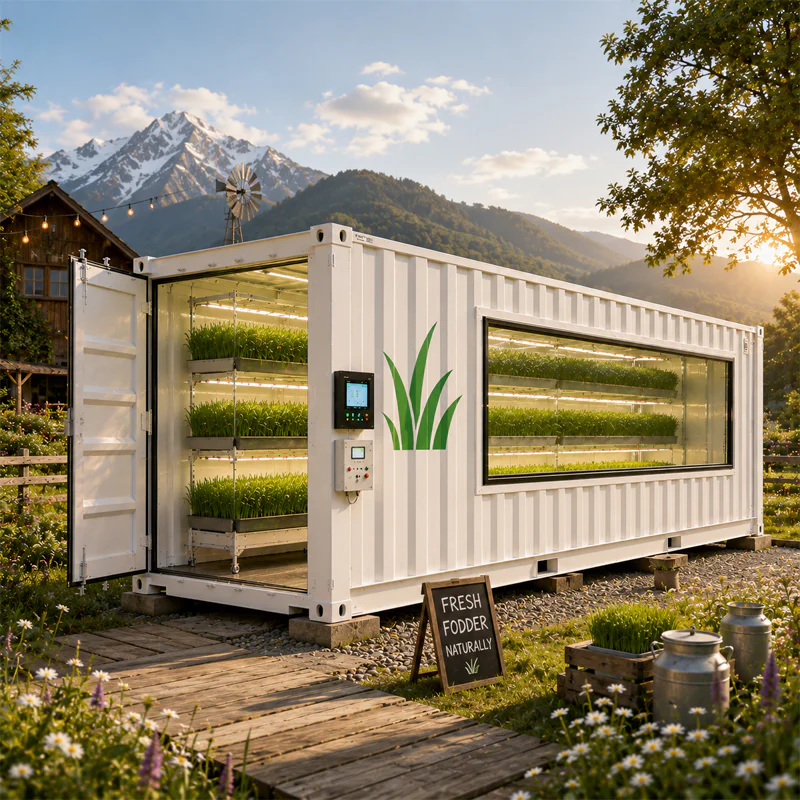
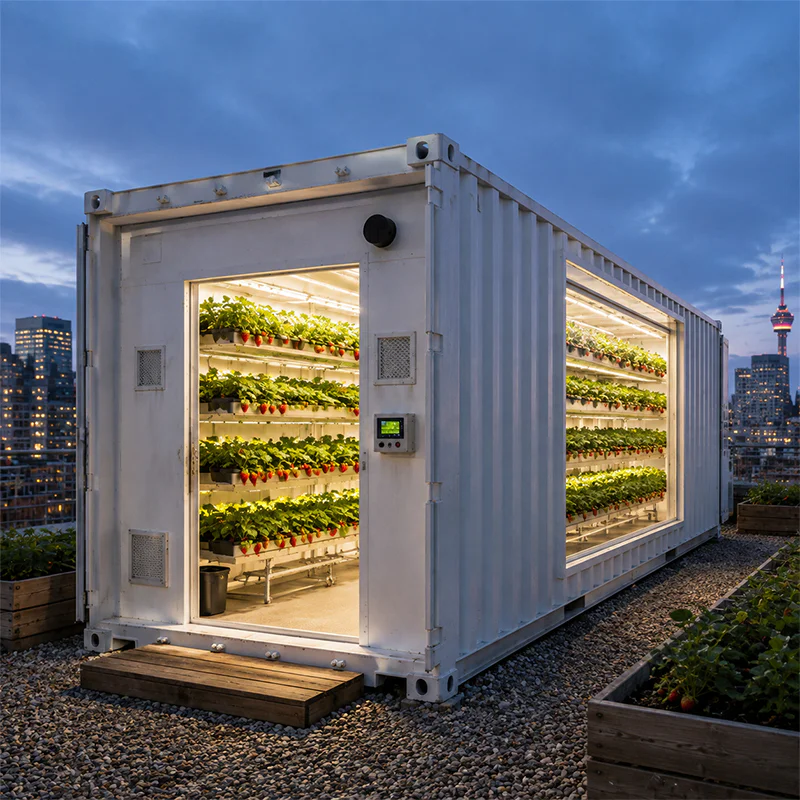
A 40ft container farm is one of the most common commercial formats because it provides a balance between transportation convenience, growing space, and production potential.
Understanding capacity before investment helps growers select the right system and create realistic production plans.
Understanding the Growing Space Inside a 40ft Container Farm
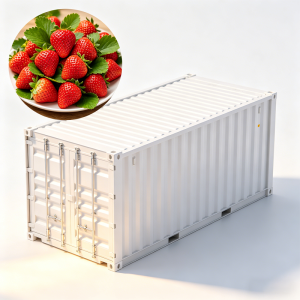
A standard 40ft shipping container provides a compact indoor farming area.
However, unlike traditional horizontal farming, container farms use vertical production methods.
Instead of using only floor space, crops are arranged through:
- Étagères de culture à plusieurs niveaux
- Vertical hydroponic systems
- Optimized lighting layouts
- High-density planting configurations
This allows a limited footprint to support significantly higher production density compared with conventional farming.
The final plant quantity is not determined only by container size. The internal cultivation design plays a more important role.
Typical Plant Capacity of a 40ft Container Farm
The capacity of a 40ft container farm varies according to crop type and system configuration.
For leafy vegetables such as lettuce, basil, and herbs, commercial systems can usually accommodate thousands of plants per growing cycle.
Factors influencing capacity include:
- Number of growing layers
- Espacement des plants
- Hydroponic channel design
- Crop growth period
- Harvest strategy
A system designed for commercial production may prioritize maximum plant density, while a research or educational system may allocate more space for operation and observation.
Key Factors Affecting Container Farm Capacity
1. Growing Rack Design
The internal rack structure directly affects production capacity.
Vertical racks increase available growing surfaces by using multiple layers.
A well-designed rack system considers:
- Worker access
- Lighting coverage
- Circulation de l'air
- Plant growth space
Too many layers without proper environmental management can reduce crop performance.
Therefore, efficient design requires a balance between density and plant health.
2. Crop Selection and Growth Cycle
Different crops require different growing spaces.
For example:
Leafy greens:
- Short growth cycles
- Smaller plant size
- Higher planting density
Herbs:
- Flexible harvesting methods
- Moderate spacing requirements
Larger plants:
- Longer growth periods
- More vertical space requirements
Therefore, a 40ft container farm growing lettuce will have a different capacity compared with a system designed for larger crops.
3. Plant Spacing Requirements
Plant spacing directly affects the number of plants inside a container farm.
High-density production increases output but requires accurate control of:
- Apport en nutriments
- Light distribution
- Circulation de l'air
Commercial growers usually optimize spacing according to:
- Target market size
- Harvest weight
- Production cycle
A proper container farm plant density planning strategy helps maximize output without reducing crop quality.
4. Environmental Control Performance
A high-density farming system requires stable environmental conditions.
Important factors include:
- Température
- Humidité
- CO₂ concentration
- Intensité lumineuse
- Nutrient balance
Without proper environmental control, increasing plant quantity may not increase actual production.
Successful commercial systems focus on productivity rather than simply maximizing plant numbers.
How Vertical Farming Increases Production Efficiency
The biggest advantage of container farming is vertical space utilization.
Traditional farming mainly depends on land area.
A vertical farming container uses:
- Multiple growing levels
- Artificial lighting
- Controlled nutrient delivery
- Automated monitoring
This creates a compact production environment where growers can produce crops closer to consumers.
For businesses operating in urban areas or regions with limited farmland, this production model provides additional flexibility.
Production Planning for Commercial Container Farms
Before choosing a container farming system, investors should define production goals.
Important questions include:
What Crop Will Be Produced?
Different crops require different system designs.
Leafy vegetables are commonly selected because of:
- Short growing cycles
- High market demand
- Compact growth characteristics
How Much Production Is Required?
Commercial projects should calculate:
- Daily harvest target
- Weekly production volume
- Sales demand
- Projets d'expansion
What Is the Market Strategy?
A container farm can support different business models:
- Local vegetable supply
- Restaurant supply
- Retail distribution
- Demonstration farming projects
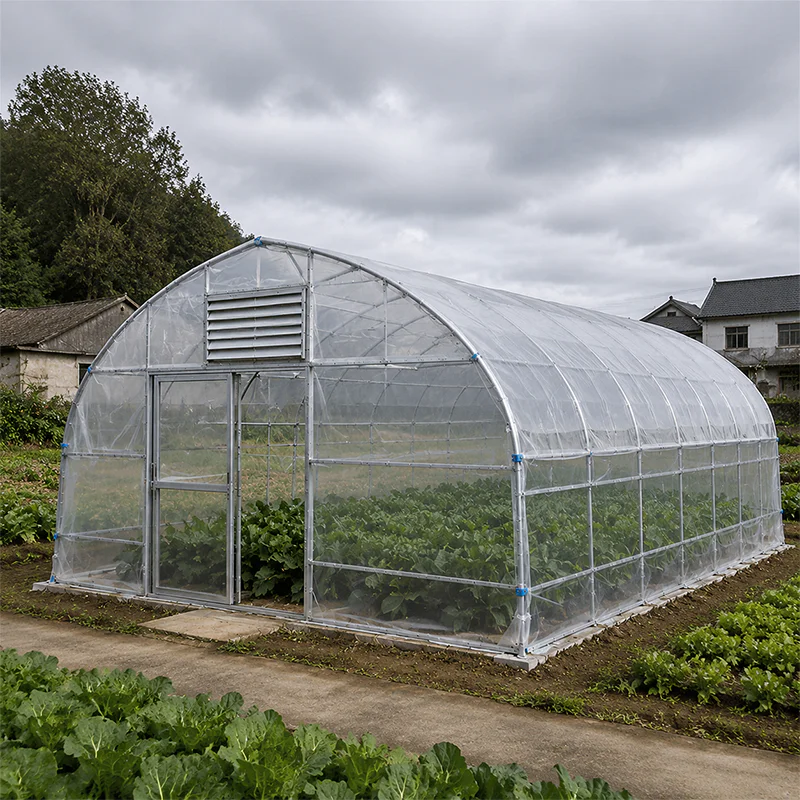
40ft Container Farm vs Greenhouse Production
Container farms and greenhouses both provide controlled agricultural environments, but they have different advantages.
A container farm provides:
- Compact installation
- High environmental control
- Year-round indoor production
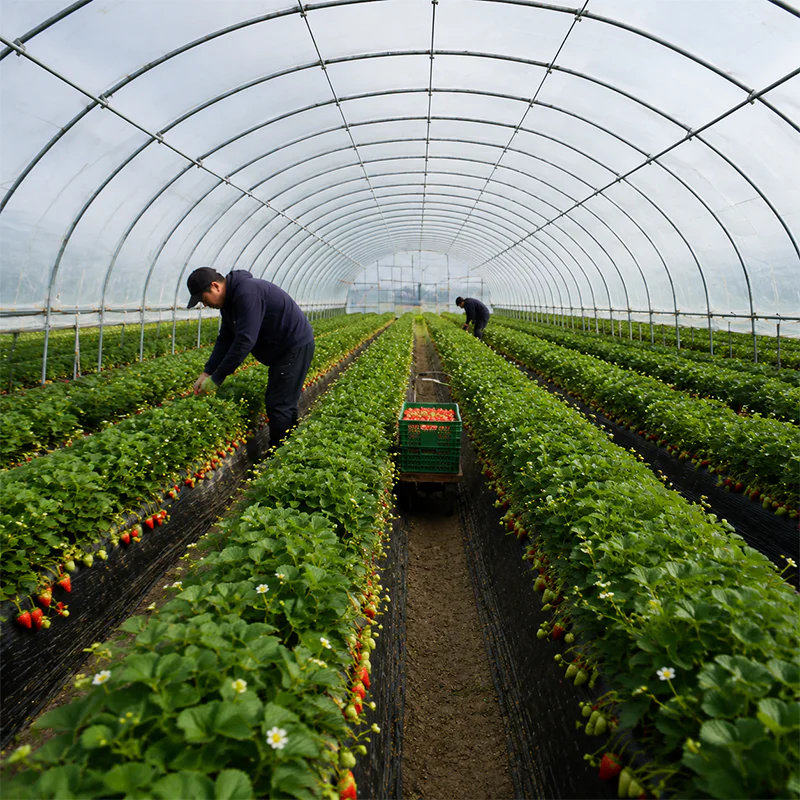
A greenhouse provides:
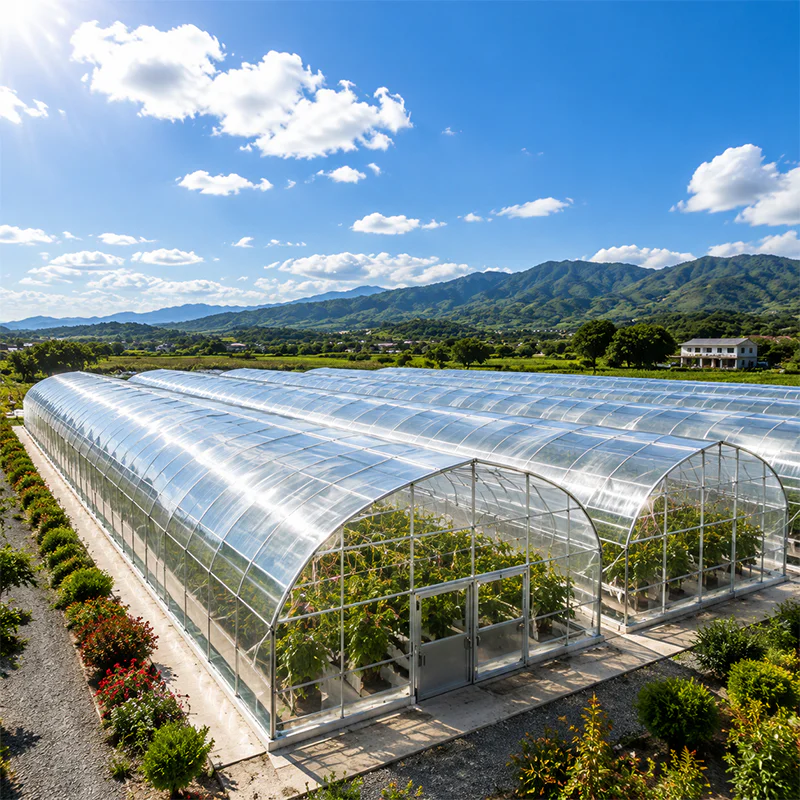
- Larger cultivation area
- Natural sunlight utilization
- More flexible crop selection
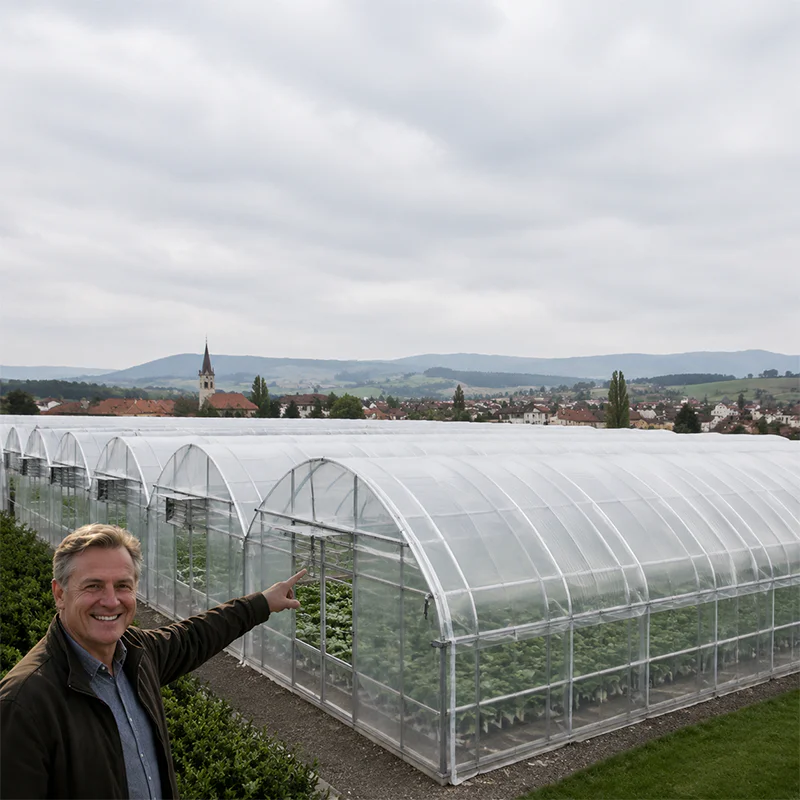
For large-scale agricultural projects, many growers evaluate both indoor systems and commercial greenhouse farming solutions according to climate, land availability, and investment goals.
Advantages of Using a 40ft Container Farm
Compact Installation
A container farm can be installed where traditional farmland is unavailable.
Suitable locations include:
- Zones urbaines
- Régions isolées
- Industrial sites
Stable Production Conditions
Indoor farming reduces the influence of:
- Phénomènes météorologiques extrêmes
- Changements saisonniers
- Outdoor pests
This improves production consistency.
Efficient Resource Management
Hydroponic container systems can reduce resource waste through:
- Water circulation
- Precise nutrient management
- Controlled lighting schedules
This makes them suitable for modern sustainable agriculture.
Limitations to Consider Before Investment
Although container farming offers many advantages, investors should also consider:
Energy Requirements
Indoor farming depends on:
- LED lighting
- Climate equipment
- Control systems
Energy cost should be included in financial planning.
Technical Management
Operators need basic knowledge of:
- Hydroponic management
- Crop monitoring
- Equipment maintenance
Training and operational planning are important for long-term success.
How to Improve 40ft Container Farm Productivity
To maximize production efficiency, growers should focus on:
- Selecting suitable crops
- Optimizing planting density
- Maintaining environmental stability
- Monitoring crop performance
- Improving operational workflow
The goal is not only to increase plant numbers but also to achieve consistent commercial output.
Conclusion
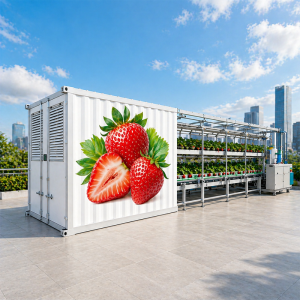
A 40ft container farm can support high-density crop production by combining vertical farming technology, hydroponic cultivation, and controlled environmental management.
The actual number of plants depends on system design, crop type, spacing requirements, and production objectives.
For commercial growers, evaluating capacity before investment is essential for building a profitable indoor farming project.
A properly designed container farming system can provide stable production, efficient space utilization, and a scalable solution for modern agriculture.
FAQ
How many plants can a 40ft container farm grow?
The number depends on crop type, rack design, spacing, and production strategy. Leafy vegetables usually achieve higher plant density than larger crops.
What crops are most suitable for a 40ft container farm?
Leafy greens, lettuce, basil, and herbs are commonly selected because they have shorter cycles and compact growth characteristics.
Does a larger container always produce more crops?
Not necessarily. Production depends more on internal design, environmental control, and management efficiency.
How often can crops be harvested in a container farm?
Harvest frequency depends on crop variety and growing conditions. Fast-growing leafy vegetables generally allow multiple production cycles per year.
Is a 40ft container farm suitable for commercial farming?
Yes. It can be used for commercial vegetable production when the system is properly designed according to market demand and operational goals.