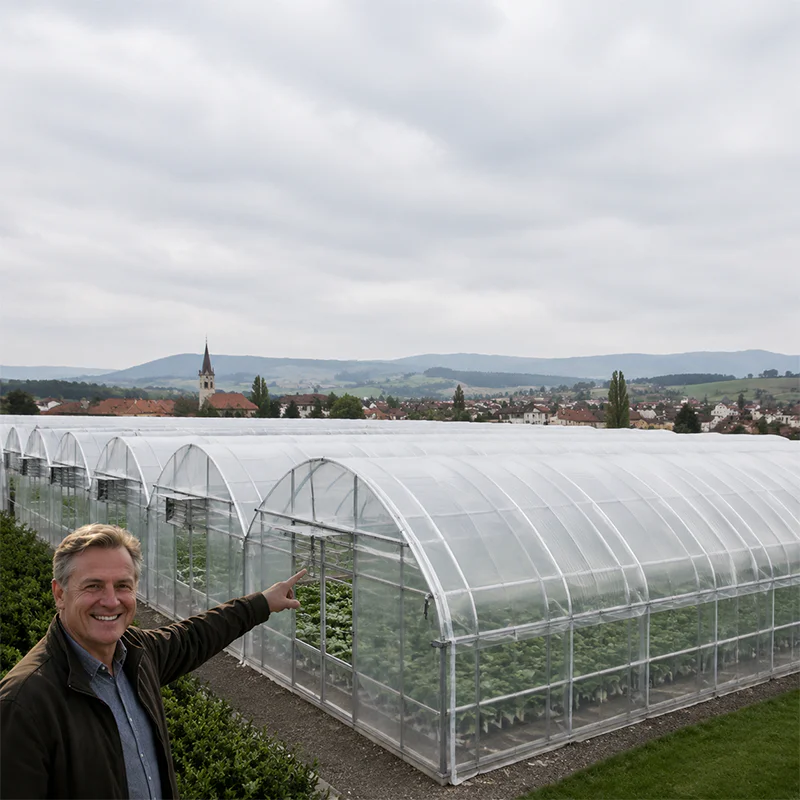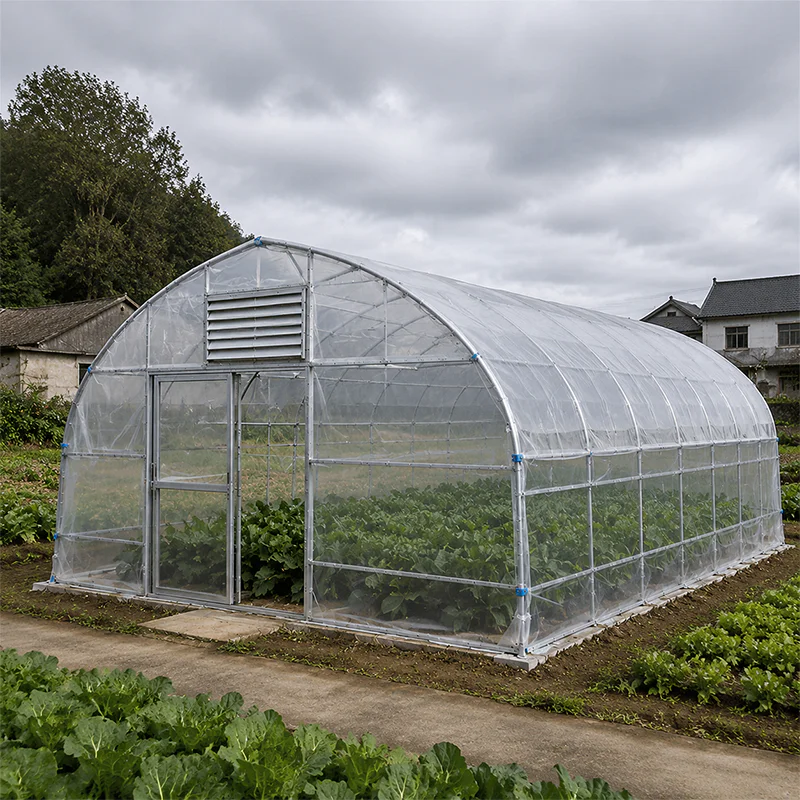





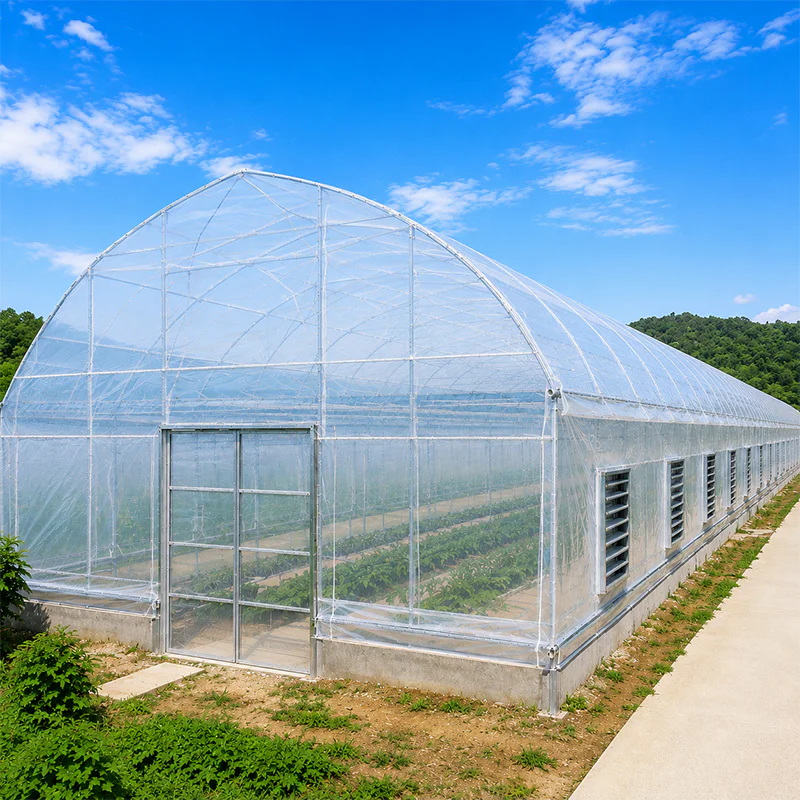
Greenhouse design for hot climate regions is one of the most important engineering topics in modern agriculture, especially for large-scale commercial farming projects.
In controlled environment agriculture, temperature management directly affects crop yield, plant health, and production stability. Without proper greenhouse structure and cooling strategies, excessive heat can significantly reduce productivity.
A well-designed agricultural greenhouse must integrate ventilation systems, cooling technologies, shading methods, and irrigation systems to maintain stable growing conditions in hot environments.
Before understanding advanced design principles, it is important to understand the basic concept of greenhouse systems.
In this article, we will explain greenhouse design strategies for hot climates, system structure, cooling solutions, and commercial applications.

What Is Greenhouse Design for Hot Climate Regions?
Greenhouse design for hot climate regions refers to the engineering process of creating a greenhouse structure that can maintain stable internal conditions under high-temperature environments.
Unlike standard greenhouse systems, hot climate designs require enhanced ventilation, heat reduction strategies, and climate control systems.
For readers who are new to this field, you may first check our article on what is greenhouse farming system to understand the basic structure and working principles of greenhouse systems.
Key Challenges in Hot Climate Greenhouse Design
Designing greenhouses in hot regions involves several engineering challenges:
- Excessive solar radiation causing overheating
- High evaporation rates affecting irrigation efficiency
- Humidity instability inside greenhouse structures
- Crop heat stress reducing productivity
- High energy demand for cooling systems
These challenges require integrated solutions within greenhouse ventilation system design and cooling strategies.
Structural Design Considerations
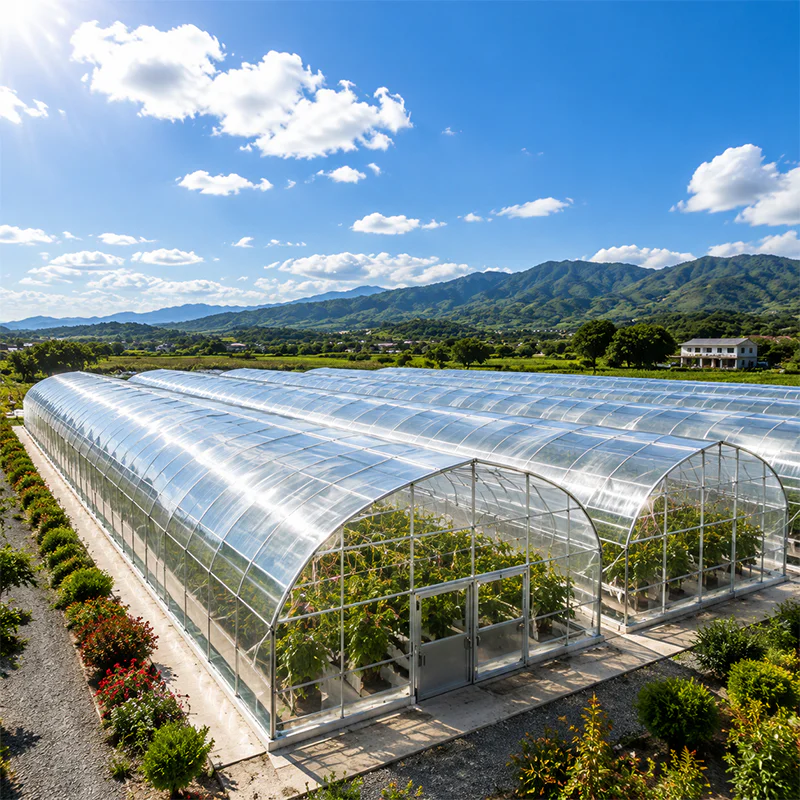
A greenhouse structure in hot climates must be designed to maximize airflow and reduce heat accumulation.
High Roof Ventilation Design
Tall structures improve natural air circulation and help remove hot air efficiently.
Sawtooth Roof System
This design improves passive ventilation and is widely used in commercial agricultural greenhouse projects.
Wide Span Structure
Multi-span systems improve airflow distribution and allow scalable farming operations.
Reflective Covering Materials
Special greenhouse films reduce solar heat penetration and improve internal temperature control.
Cooling Systems for Hot Climate Greenhouses
Cooling is the most critical factor in greenhouse design for hot climate regions.
Common systems include:
- Evaporative cooling pads
- Exhaust fan systems
- Fogging and misting systems
- Shading nets
- Natural ventilation systems
These systems are often combined with climate control greenhouse automation to maintain stable internal conditions.
Irrigation and Water Efficiency
Water management is a key factor in hot climate greenhouse systems.
Drip irrigation and hydroponic integration systems are commonly used to:
- Improve water efficiency
- Reduce waste
- Maintain nutrient balance
- Stabilize crop production
Modern controlled environment agriculture projects often combine irrigation with automated monitoring systems.
Crop Suitability in Hot Climate Greenhouses
Greenhouse systems in hot regions are commonly used for:
- Tomatoes
- Cucumbers
- Lettuce
- Peppers
- Herbs
Proper greenhouse design ensures stable production conditions for these crops throughout the year.
Commercial Importance of Greenhouse Design
Greenhouse design for hot climate regions is not only a technical engineering process but also a commercial investment strategy.
For investors, understanding cost structure is essential before starting a project.
You may refer to greenhouse cost guide to better understand investment planning and budget breakdown.
Well-designed greenhouse systems provide:
- Stable production
- Higher yield efficiency
- Reduced climate risk
- Year-round farming capability

Conclusion
Greenhouse design for hot climate regions requires a combination of structural engineering, cooling systems, irrigation planning, and climate control technologies.
With proper design strategies, agricultural greenhouse systems can achieve stable production and long-term commercial success even in extreme environments.
FAQ
What is greenhouse design for hot climate regions?
It is the engineering design of greenhouse systems that can operate efficiently under high-temperature conditions.
Why is ventilation important in greenhouse design?
Ventilation helps reduce internal heat buildup and maintains stable crop conditions.
What is the best cooling system for greenhouses?
Evaporative cooling pads combined with ventilation systems are widely used in hot climates.
What crops grow best in hot climate greenhouses?
Tomatoes, cucumbers, lettuce, peppers, and herbs are commonly grown.