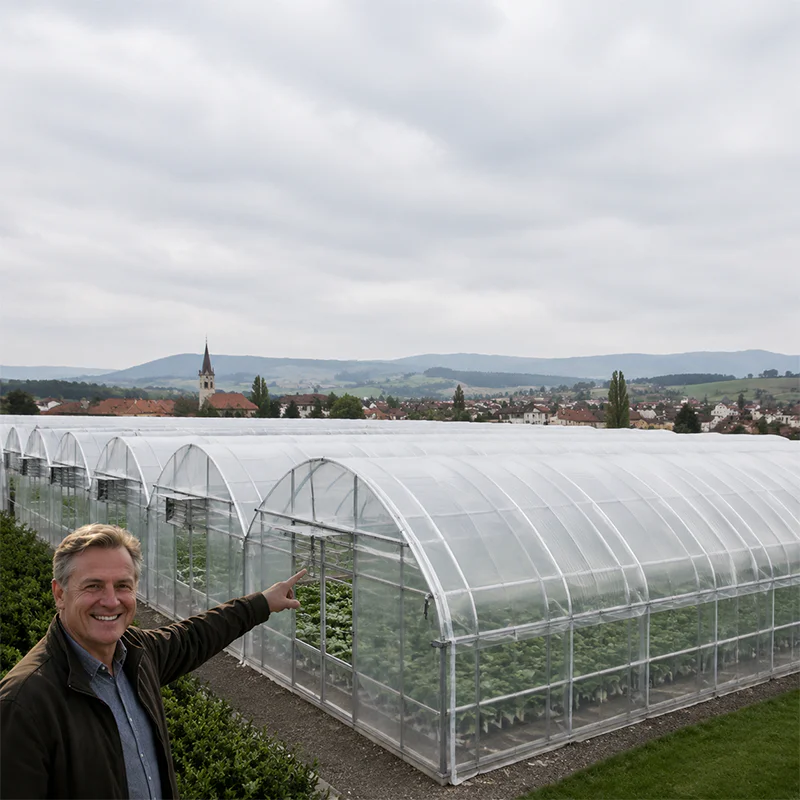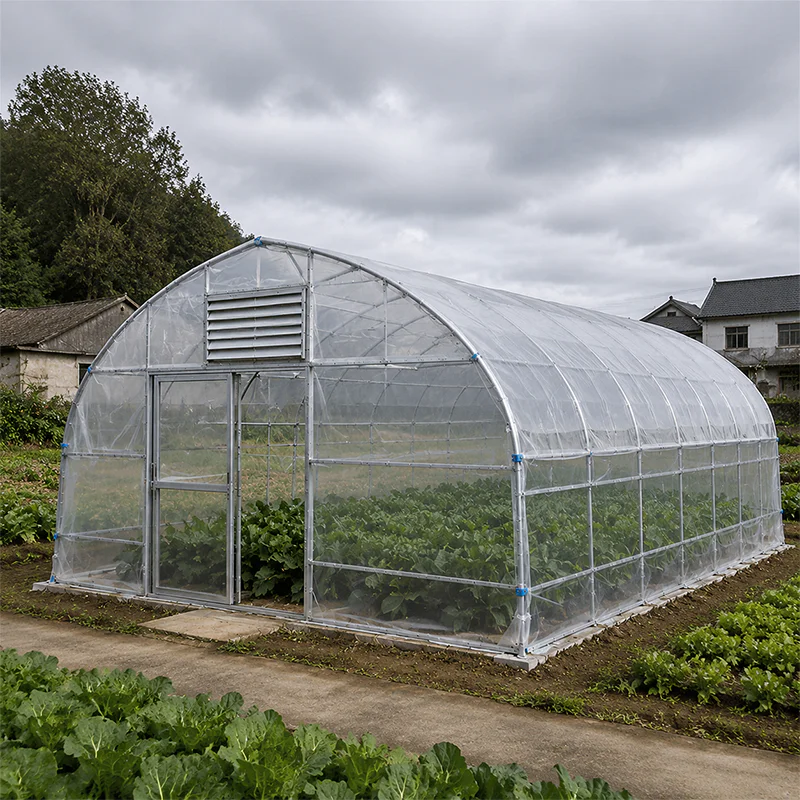







PU panel blackout greenhouses represent one of the most advanced structural systems in modern controlled environment agriculture.
Unlike film-based structures, PU panel systems rely on rigid insulated panels combined with engineered steel frameworks to achieve high-performance climate control and long-term durability.
The structural design of these systems directly determines energy efficiency, crop stability, and overall commercial farming performance.

Structural Framework Overview
The core structure of a PU panel blackout greenhouse is built on a hot-dip galvanized steel frame system.
This framework provides:
- High load-bearing capacity
- Wind and snow resistance
- Long-term corrosion protection
- Structural stability for large-scale agriculture
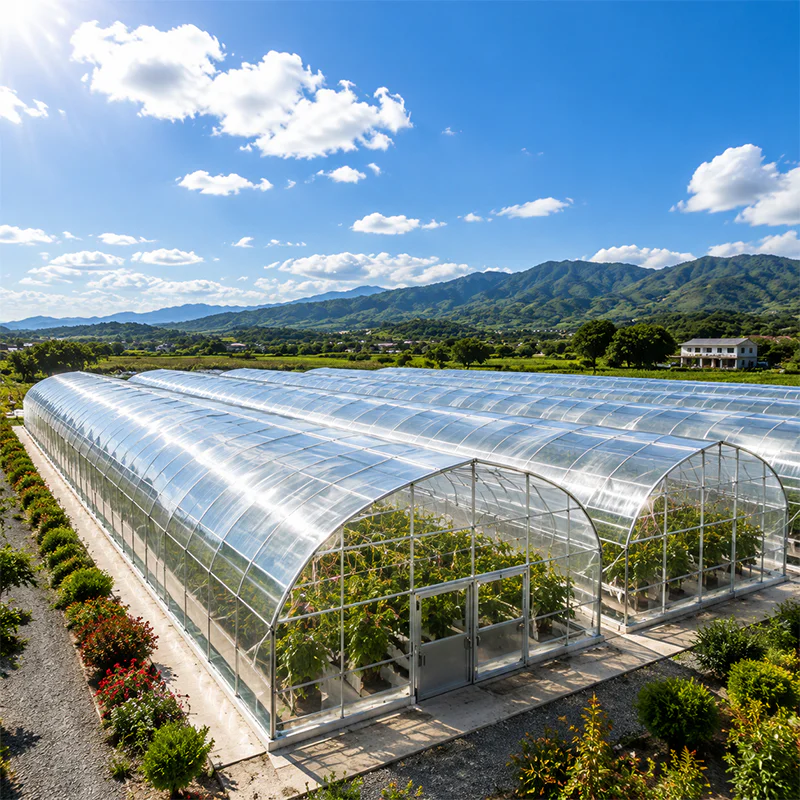
In large commercial farming projects, these systems are often integrated with multi-span greenhouse systems for industrial agricultural production efficiency, enabling scalable and modular expansion.
PU Panel Integration System
PU panels are installed as the main enclosure material, replacing traditional film coverings.
These panels provide:
- Superior thermal insulation
- High structural rigidity
- Reduced heat loss
- Stable internal environment
The integration between steel structure and PU panels is critical for achieving optimal greenhouse performance.
Blackout System Structural Integration
The blackout function is achieved through internal shading systems combined with structural sealing design.
Key components include:
- Internal blackout curtains
- Motorized shading tracks
- Light-sealing structural joints
- Environmental control integration points
This ensures complete light isolation when required for photoperiod-sensitive crop production.
Ventilation and Climate Control Design
Despite high insulation, PU panel greenhouses require controlled ventilation systems.
These include:
- Roof ventilation openings
- Side air circulation systems
- Temperature balancing fans
- Humidity control units
Proper airflow design ensures stable growing conditions while maintaining blackout efficiency.
Load-Bearing and Engineering Design
Structural engineering focuses on three key load factors:
- Wind load resistance
- Snow load distribution
- Equipment hanging load capacity
The steel structure is engineered to distribute stress evenly across multi-span frameworks, ensuring long-term durability in commercial agricultural environments.
Energy Efficiency Through Structural Design
One of the biggest advantages of PU panel greenhouse design is energy efficiency.
The structure reduces:
- Heat loss in cold climates
- Cooling demand in hot climates
- Energy consumption of climate systems
This makes it highly suitable for commercial farming operations focused on long-term operational efficiency.
Commercial Agriculture Applications
PU panel blackout greenhouse structures are widely used in:
- High-value crop production systems
- Medicinal plant cultivation facilities
- Controlled flowering agriculture
- Precision horticulture operations
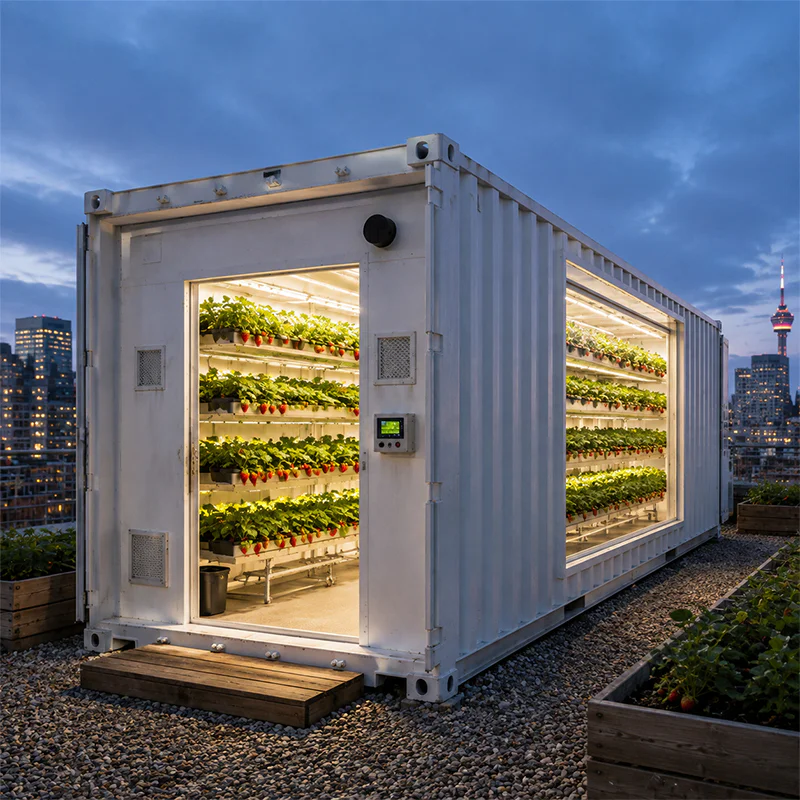
In advanced farming systems, they are often combined with vertical hydroponic farming systems for controlled environment production efficiency, enabling full control over both structural environment and nutrient delivery systems.
المزايا الهيكلية
Key Advantages:
- High durability and long lifespan
- Strong insulation performance
- Stable internal climate control
- Suitable for extreme environments
Limitations:
- Higher construction cost
- Complex engineering requirements
- Longer installation time
Design Optimization Factors
Before designing a PU panel blackout greenhouse, engineers must consider:
- Local climate conditions
- Crop type and growth requirements
- Energy cost structure
- Structural span requirements
- Automation integration level
These factors directly influence system efficiency and ROI performance.

الخاتمة
PU panel blackout greenhouse structural design represents a high-level engineering solution in modern controlled environment agriculture.
By combining steel structural systems with insulated PU panels and blackout technology, it provides a stable, efficient, and scalable environment for commercial crop production.
As agriculture continues to evolve toward precision and automation, structural engineering will play an increasingly important role in maximizing productivity and resource efficiency.
الأسئلة الشائعة
What is PU panel blackout greenhouse structural design?
It refers to the engineering structure combining steel frames and PU panels with blackout systems for controlled agriculture.
Why use PU panels in greenhouse structures?
Because they provide better insulation, durability, and energy efficiency than traditional film materials.
Can this structure support large-scale farming?
Yes, it is widely used in multi-span commercial greenhouse systems.
Is ventilation included in the design?
Yes, controlled ventilation systems are integrated into the structure.
What crops are suitable?
High-value crops, medicinal plants, and controlled environment agriculture crops.