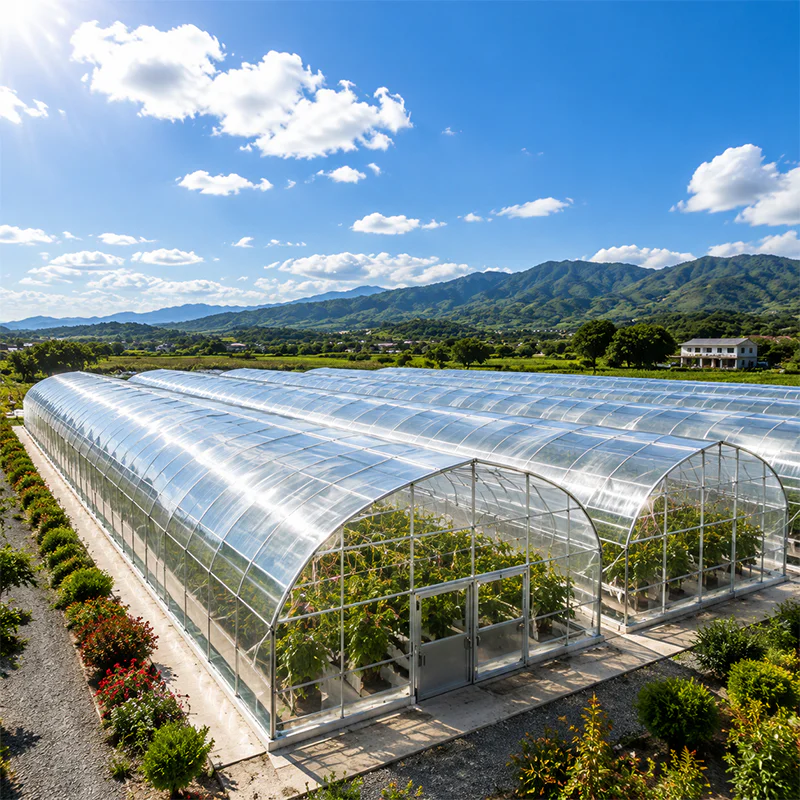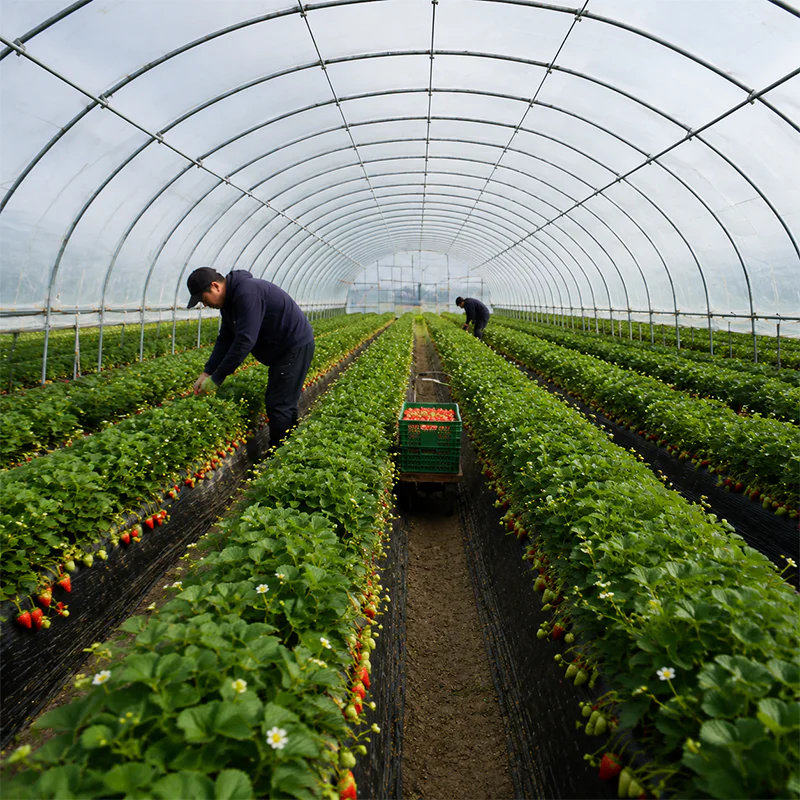







Un système bien conçu Serre peuvent améliorer considérablement le rendement des cultures, prolonger les périodes de végétation et protéger les plantes des conditions météorologiques imprévisibles. Cependant, toutes les structures de serres n'ont pas les mêmes performances. L'une des décisions les plus importantes que doivent prendre les cultivateurs est de choisir la bonne forme de serre.
La forme d'une serre a un impact direct sur l'exposition au soleil, la circulation de l'air, la rétention de la chaleur et la productivité globale. Que vous soyez un jardinier amateur ou un producteur commercial, il est essentiel de comprendre l'efficacité de la conception d'une serre pour réussir à long terme. Qu'il s'agisse d'une simple serre tunnel ou d'une serre à travées multiples, chaque conception offre des avantages et des compromis uniques.
Dans ce guide, nous allons explorer les formes de serres les plus courantes, comparer leur efficacité et vous aider à déterminer l'option qui répond le mieux à vos besoins.
Qu'entend-on par “conception efficace des serres” ?
L'efficacité dans un Serre ne se limite pas à l'économie d'énergie - elle consiste à maximiser la croissance des plantes tout en minimisant les coûts et l'utilisation des ressources.
La conception d'une serre efficace comprend généralement les éléments suivants
- Transmission optimale de la lumière : Assure aux plantes un ensoleillement régulier tout au long de la journée
- Efficacité thermique : Maintient des températures stables avec un apport d'énergie minimal
- Ventilation efficace : Favorise la circulation de l'air pour prévenir l'accumulation d'humidité et les maladies
- Utilisation de l'espace : Maximise la surface de culture utilisable
- Durabilité structurelle : Résiste aux conditions environnementales telles que le vent, la pluie ou la neige
Par exemple, une serre à travée unique peut être simple et abordable, tandis qu'une serre à travées multiples offre une meilleure évolutivité et une meilleure efficacité des ressources pour les grandes exploitations. La conception la plus efficace d'une serre dépend de l'équilibre entre ces facteurs.

Facteurs clés qui influencent la meilleure forme de serre
Choisir le bon Serre dépend de plusieurs considérations importantes :
Conditions climatiques
Dans les régions plus froides, les structures telles que les arcs gothiques ou les toits à forte pente sont mieux adaptées à l'évacuation de la neige. Dans les climats plus chauds, la ventilation devient plus importante, ce qui rend des structures comme la serre Sawtooth très efficaces.
Espace disponible
Les jardiniers urbains peuvent préférer les modèles compacts, tels que les appentis ou les Serre tunnel à film à travée unique, tandis que les grandes exploitations bénéficient de serres à travées multiples de grande taille.
Type de culture
Les cultures hautes, comme les tomates, ont besoin d'un espace vertical plus important, ce qui rend les structures à pignon ou à portée inégale idéales. Les cultures basses peuvent prospérer dans les serres tunnels.
Budget
Les modèles plus simples, tels que les serres Quonset ou les serres tunnels, sont rentables, tandis que les systèmes plus avancés, tels que les serres à sillons ou les serres à travées multiples, nécessitent un investissement plus important.
Échelle de l'opération
Les petits cultivateurs privilégient le caractère abordable et la facilité d'installation, tandis que les cultivateurs commerciaux se concentrent sur l'efficacité, l'automatisation et l'évolutivité.
Types de formes de serres (Guide comparatif détaillé)
Conception d'une serre Quonset (Hoop) - Abordable et simple
La serre Quonset, également connue sous le nom de serre-tunnel ou de serre-tunnel à film à travée unique, se caractérise par une structure incurvée en forme d'arche.
Avantages :
- Faible coût de construction
- Facile à installer et à entretenir
- Excellente pénétration de la lumière
Cette conception est idéale pour les débutants ou les petits cultivateurs à la recherche d'une solution de serre économique.
Serre à arc gothique - Solide et résistante à la neige
La serre à arc gothique est dotée d'un toit pointu qui renforce la solidité de la structure.
Avantages :
- Excellente capacité de déneigement
- Amélioration de l'évacuation des eaux
- Cadre solide
Cette forme de serre est particulièrement efficace dans les climats plus froids avec de fortes chutes de neige.

Serre à pignon (cadre A) - traditionnelle et spacieuse
La serre Gable présente une structure en A classique.
Avantages :
- Intérieur spacieux
- Bonne circulation de l'air et bonne ventilation
- Convient aux cultures hautes
Cette conception convient aussi bien aux amateurs qu'aux cultivateurs commerciaux qui ont besoin de flexibilité.
Serre Lean-To - gain de place et efficacité énergétique
Une serre Lean-To est attachée à un bâtiment existant, partageant un mur.
Avantages :
- Réduction des coûts de chauffage
- Utilisation efficace d'un espace limité
- Accès facile aux services publics
C'est une excellente option pour les jardiniers amateurs qui disposent d'un espace extérieur limité.
Serre à portée uniforme - Conception équilibrée et efficace
La serre à portée égale a des pentes de toit symétriques, ce qui en fait une conception bien équilibrée.
Avantages :
- Distribution uniforme de la lumière
- Ventilation efficace
- Convient à une large gamme de cultures
Ce modèle est souvent utilisé dans les serres à travée unique pour les exploitations de taille moyenne.

Serre à portée inégale - Pratique pour les terrains en pente
Les serres à portée inégale sont conçues pour les terrains accidentés.
Avantages :
- Rentable pour les sites à flanc de colline
- Offre un espace vertical supplémentaire d'un côté
Cette structure est utile lorsque les conditions du terrain limitent la construction d'une serre standard.
Serre à billons et à sillons - La meilleure solution pour l'agriculture à grande échelle
Également connu sous le nom de Serre à travées multiples Les systèmes d'éclairage à l'air libre, les systèmes de faîtage et de sillon relient plusieurs unités le long de gouttières partagées.
Avantages :
- Maximiser l'utilisation des terres
- Réduction de la consommation d'énergie dans les unités
- Idéal pour l'automatisation et l'agriculture à grande échelle
Ce type de serre est couramment utilisé dans l'agriculture commerciale.
Quelle forme de serre est la plus efficace ?
Il n'existe pas de “meilleure” solution” Serre une forme pour tous. L'efficacité dépend de vos besoins spécifiques.
- Climats froids : Serre à arc gothique
- Petit budget : Serre Quonset ou tunnel
- Jardinage urbain : Serre Lean-To
- Agriculture commerciale : Serre à travées multiples ou billons et sillons
- Conception axée sur la ventilation : Sawtooth Greenhouse
En fin de compte, la serre la plus efficace est celle qui correspond à votre climat, à votre type de culture et à vos objectifs opérationnels.
Tableau de comparaison des formes de serres
| Forme de la serre | Coût | La force | Efficacité lumineuse | Meilleure utilisation |
|---|---|---|---|---|
| Quonset (Tunnel) | Faible | Modéré | Haut | Débutants |
| Arc gothique | Moyen | Haut | Haut | Climats froids |
| Pignon (cadre A) | Haut | Haut | Haut | Des cultures polyvalentes |
| Lean-To | Faible | Modéré | Moyen | Petits espaces |
| Portée égale | Moyen | Haut | Haut | Fermes moyennes |
| Portée inégale | Moyen | Modéré | Moyen | Terrain en pente |
| Ridge & Furrow (Multi Span) | Haut | Haut | Haut | Grandes exploitations |
Comment choisir le meilleur modèle de serre pour vous
Pour sélectionner le bon Serre, demandez-vous :
- Quelles sont les cultures que vous allez faire pousser ?
- Quel est votre climat ?
- De quel espace disposez-vous ?
- Quel est votre budget ?
- Prévoyez-vous de vous développer à l'avenir ?
Si l'évolutivité est importante, une serre à travées multiples peut être le meilleur choix. Pour les petites exploitations, une serre à tunnel de film à travée unique est simple et abordable.

Erreurs courantes dans le choix de la forme d'une serre
De nombreux cultivateurs commettent des erreurs évitables lorsqu'ils choisissent un Serre la conception :
- Ignorer les conditions climatiques
- Choisir l'option la moins chère sans tenir compte de la durabilité
- Négliger les besoins en ventilation
- Absence de planification de l'expansion future
- Mauvaise orientation par rapport à la lumière du soleil
En évitant ces erreurs, il est possible d'améliorer considérablement l'efficacité des serres.
Conseils pour améliorer l'efficacité des serres, quelle que soit leur forme
Quelle que soit la Serre Ces conseils peuvent vous aider à améliorer vos performances :
- Orienter la serre pour maximiser l'exposition à la lumière du soleil
- Utiliser des matériaux de vitrage de haute qualité
- Installer des systèmes de ventilation appropriés
- Intégrer la masse thermique pour la rétention de la chaleur
- Automatiser l'irrigation et la climatisation
Même une simple serre tunnel peut être efficace si elle est bien installée.
Questions fréquemment posées sur la conception des serres
1) Quelle est la forme de serre la plus efficace sur le plan énergétique ?
L'efficacité énergétique la plus élevée Serre La forme de la serre est typiquement l'arc gothique ou la serre Sawtooth, car toutes deux optimisent la rétention de la chaleur et la ventilation.
2) Quel est le meilleur modèle de serre pour les débutants ?
Une serre Quonset ou un tunnel à film à travée unique est idéal pour les débutants en raison de son faible coût et de sa simplicité de construction.
3. quelle forme de serre est la meilleure pour la neige ?
Les serres à arc gothique conviennent mieux aux régions enneigées, car leurs toits abrupts empêchent l'accumulation de neige.
4. est-il préférable d'utiliser une serre à cerceaux ou une serre à pignon ?
Une serre à cerceaux (serre tunnel) est plus abordable et plus facile à construire, tandis qu'une serre à pignon offre plus d'espace et de durabilité.
5. Comment la forme des serres affecte-t-elle la croissance des plantes ?
La forme d'un Serre affecte la distribution de la lumière, la circulation de l'air et le contrôle de la température, qui ont tous un impact direct sur la croissance et le rendement des plantes.
Conclusion : Choisir la bonne forme de serre pour une efficacité maximale
Choisir la solution la plus efficace Serre Le choix d'une forme de culture nécessite d'équilibrer de multiples facteurs, notamment le climat, le budget et les exigences des cultures. Bien qu'il n'existe pas de modèle unique adapté à toutes les situations, la compréhension des forces et des faiblesses de chaque option peut vous aider à prendre une décision en connaissance de cause.
Que vous optiez pour une simple serre tunnel, une serre polyvalente à travée unique ou une serre à travée multiple à grande échelle, l'essentiel est d'aligner votre structure sur vos objectifs de culture. Avec la bonne conception, votre serre peut devenir un environnement très efficace et productif pour les années à venir.