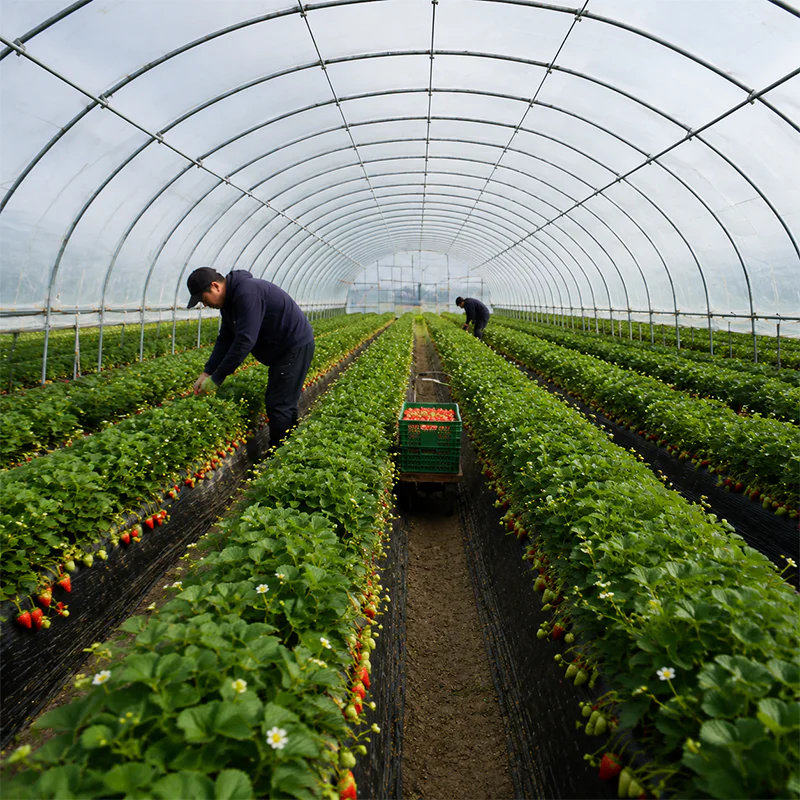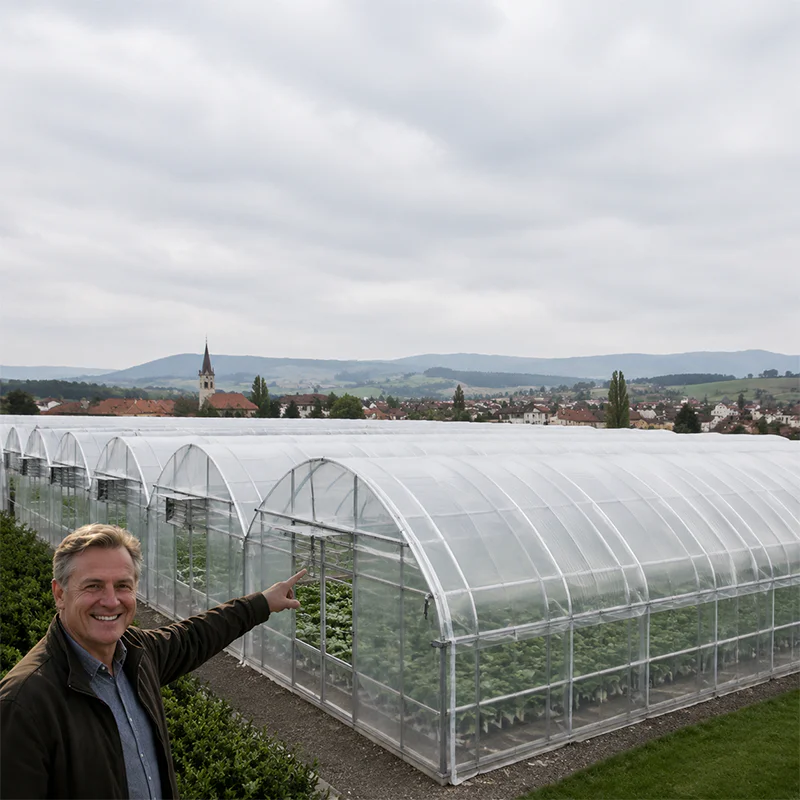






Farming in hot and dry regions requires greenhouse structures that can manage high solar radiation, temperature fluctuations, and limited water availability.
Traditional greenhouse designs may experience excessive heat accumulation during daytime hours, creating challenges for crop growth and resource management.
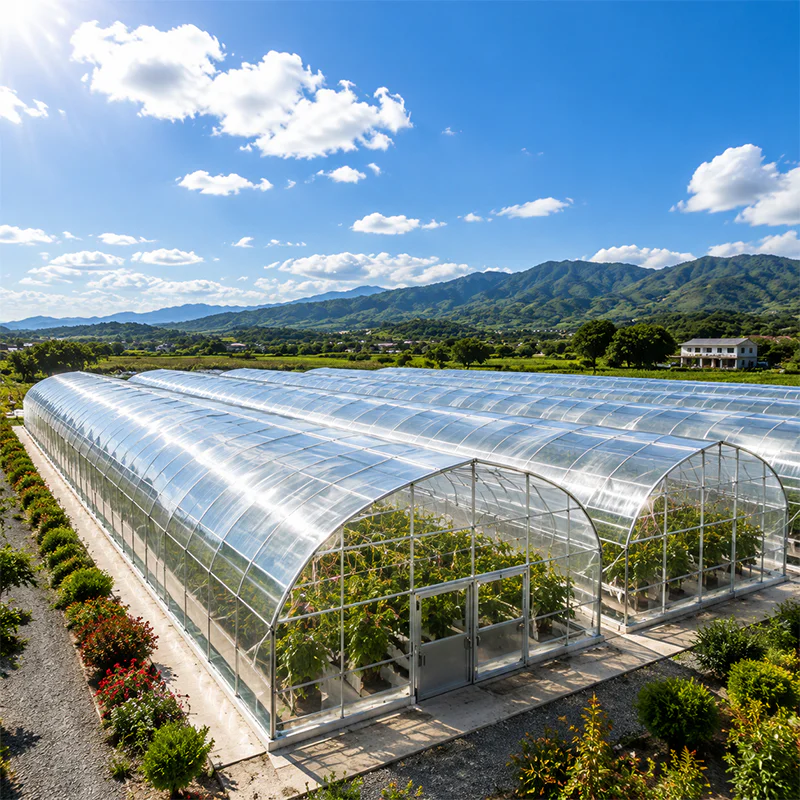
A Sawtooth Greenhouse provides a climate-adaptive approach by using roof ventilation principles to improve natural airflow and reduce internal heat buildup.
Unlike systems that depend heavily on mechanical cooling, this design uses passive ventilation to create a more balanced growing environment.
For commercial growers in warm and dry climates, understanding how greenhouse structure affects climate performance is essential when selecting a suitable production solution.

Climate Challenges of Farming in Hot and Dry Regions
Hot and dry agricultural areas create several environmental challenges.
High Solar Radiation
Strong sunlight can rapidly increase greenhouse temperatures.
Without effective ventilation, heat accumulates inside the growing area and may cause:
- Plant stress
- Reduced photosynthesis efficiency
- Lower crop quality
Low Humidity and Water Management
Dry climates often experience high evaporation rates.
This increases water consumption and makes environmental management more difficult.
A suitable greenhouse design should help growers maintain stable conditions while improving resource efficiency.
Temperature Fluctuation
Many hot regions experience significant differences between daytime and nighttime temperatures.
Large temperature changes can influence:
- Crop development
- Flowering performance
- Fruit quality
Therefore, ventilation efficiency becomes a critical design factor.
How Sawtooth Greenhouses Adapt to Hot Climates
The key advantage of a Sawtooth Greenhouse comes from its roof structure.
The raised roof section creates natural ventilation openings that support continuous air movement.
When greenhouse temperatures increase:
- Warm air rises naturally.
- Hot air escapes through upper roof vents.
- Cooler outside air enters through lower openings.
This process creates a passive airflow cycle.
The structure reduces heat accumulation without requiring constant mechanical cooling.
Natural Ventilation and Energy Efficiency Benefits
Natural ventilation is one of the main reasons this greenhouse design performs well in warm regions.
Compared with fully dependent cooling systems, passive airflow can reduce:
- Fan operating time
- Cooling energy consumption
- Daily operating expenses
For commercial farms, reducing energy demand can improve long-term production economics.
A professionally designed commercial sawtooth greenhouse solution for hot climate farming can combine structural ventilation advantages with irrigation and climate management systems.
Crop Production Advantages in Dry Regions
Stable environmental conditions are important for crop performance.
Sawtooth greenhouse structures can support crops including:
- Tomatoes
- Cucumbers
- Peppers
- Leafy vegetables
- Flowers
Improved airflow helps reduce excessive humidity accumulation and supports healthier plant growth.
However, crop selection should always consider local climate conditions and production objectives.
Sawtooth Greenhouse Applications in Commercial Agriculture
Small and Medium Farming Projects
Single-span sawtooth structures can provide an economical option for smaller farms.
They offer:
- Basic natural ventilation
- Lower construction complexity
- Flexible expansion opportunities
Large Commercial Farming Projects
For industrial agriculture, multi-bay designs can provide larger cultivation areas.
Commercial projects often combine greenhouse structures with:
- Irrigation systems
- Fertigation equipment
- Environmental monitoring
This creates a more complete production system.
Comparing Sawtooth Greenhouses With Other Designs
Sawtooth Greenhouse vs Tunnel Greenhouse
Tunnel greenhouses are popular because of their simple structure.
However, in hot climates, they may require additional cooling because heat removal depends more on side ventilation.
Sawtooth designs improve airflow through roof ventilation.
Sawtooth Greenhouse vs Conventional Multi-span Greenhouse
Multi-span structures maximize growing space.
However, sawtooth configurations provide additional ventilation advantages in regions where heat management is a priority.
Factors to Consider Before Choosing a Sawtooth Greenhouse
A Sawtooth Greenhouse is not suitable for every location.
Before investment, growers should evaluate:
Local Weather Conditions
Important factors include:
- Temperature
- Rainfall
- Wind conditions
- Seasonal changes
Crop Requirements
Some crops benefit strongly from natural airflow, while others require tighter environmental control.
Production Goals
Commercial growers should consider:
- Expected output
- Energy costs
- Labor availability
- Long-term expansion plans
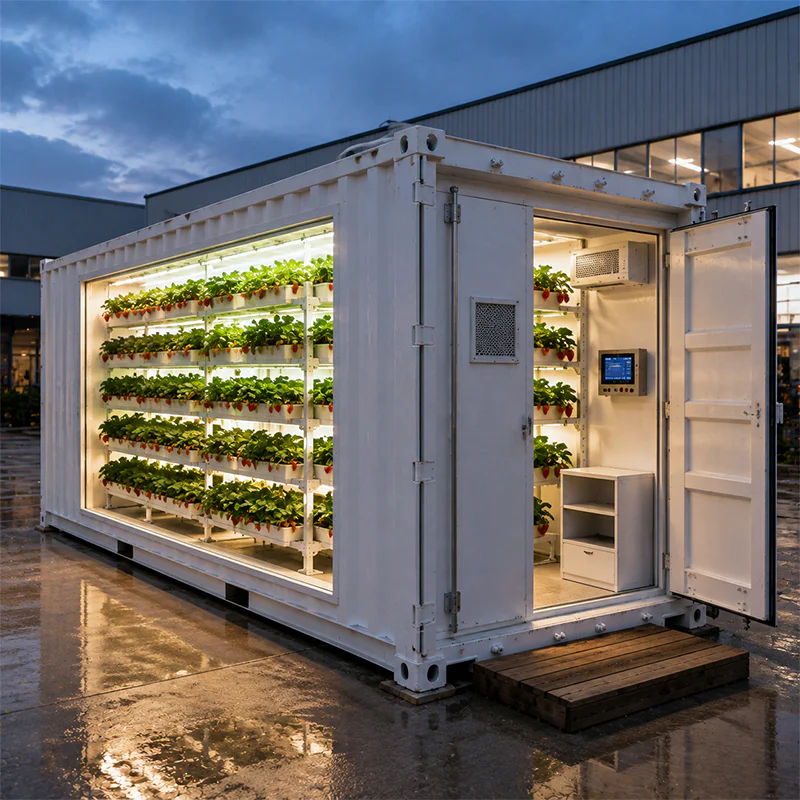
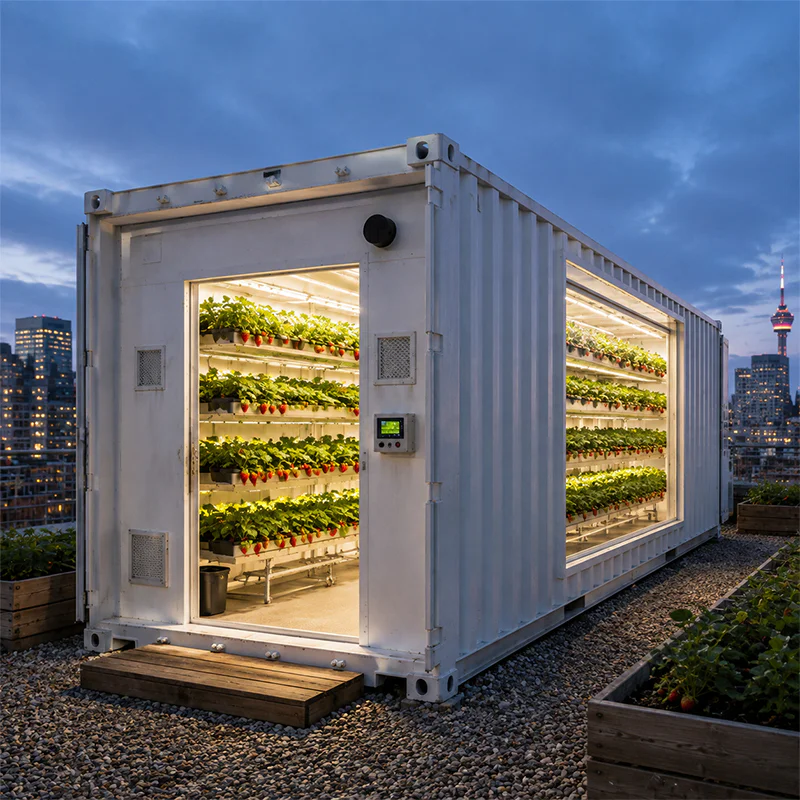
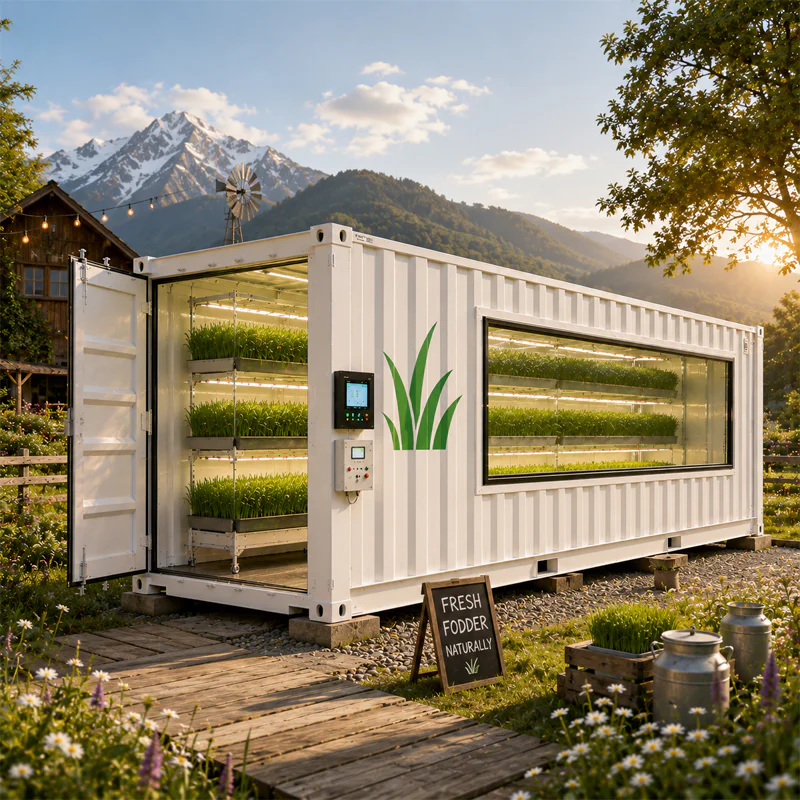
For projects where land availability or extreme climates create challenges, growers may also evaluate container farm solutions for controlled agriculture production as an alternative production model.
Limitations of Sawtooth Greenhouse Systems
Although suitable for many hot regions, several factors require attention.
Potential limitations include:
- More complex roof structure
- Higher engineering requirements
- Additional design considerations in heavy rainfall areas
- Possible heating requirements in cold seasons
Proper engineering design is essential for long-term performance.
Why Sawtooth Greenhouses Are a Practical Choice for Hot Regions
The value of a Sawtooth Greenhouse comes from combining:
- Natural ventilation
- Lower cooling dependence
- Better temperature management
- Commercial scalability
For growers operating in hot and dry regions, the right greenhouse structure can significantly influence production efficiency.

Conclusion
Sawtooth Greenhouses are designed to address one of the biggest challenges in warm climate agriculture: effective heat management.
Through natural ventilation and improved airflow, they help reduce heat accumulation and create more stable growing conditions.
Although climate, crops, and project goals must always be considered, this greenhouse design provides a practical solution for many commercial farming projects in hot and dry regions.
FAQ
Why are Sawtooth Greenhouses suitable for hot climates?
They improve natural airflow through roof ventilation, helping remove excess heat from the growing environment.
Can Sawtooth Greenhouses reduce cooling costs?
Yes. Better passive ventilation can reduce dependence on mechanical cooling systems.
Are Sawtooth Greenhouses suitable for dry regions?
Yes. They are often used in dry climates where heat management and resource efficiency are important.
What crops can grow in Sawtooth Greenhouses?
Common crops include vegetables, flowers, herbs, and other commercial horticultural crops.
Are Sawtooth Greenhouses suitable for all climates?
No. They should be designed according to local weather conditions, crop requirements, and production goals.